Phil Collins Approaches Rock and Roll Hall of Fame Induction as Double Honoree Amid Ongoing Health Battles and Musical Reflection

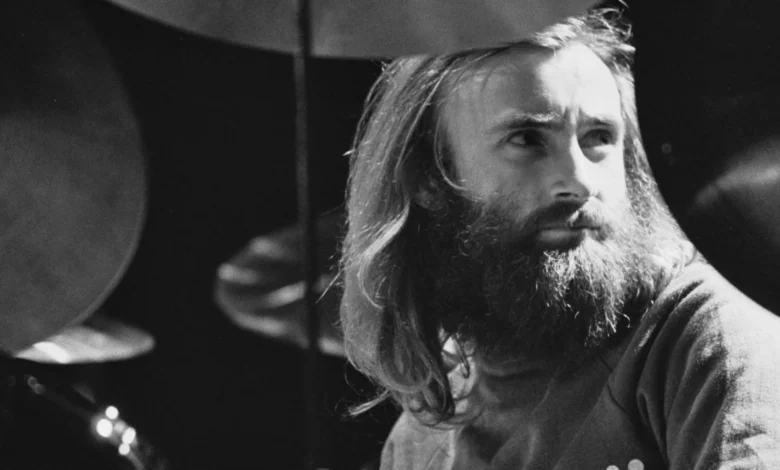
The legendary musician, singer, and songwriter Phil Collins prepares to join an elite group of artists this weekend as he is officially inducted into the Rock and Roll Hall of Fame as a solo act. Having previously entered the prestigious institution as a member of the pioneering progressive rock band Genesis, Collins achieves a rare milestone shared by only a handful of music history’s most influential figures. This dual-induction distinction places him alongside icons such as Eric Clapton, Stevie Nicks, and Dave Grohl, cementing a legacy that spans over five decades of commercial success and critical acclaim.
Despite the magnitude of the honor, Collins remains characteristically grounded, reflecting recently on a career defined by massive stadium tours, chart-topping solo singles, and intricate percussion work. In interviews leading up to the weekend ceremony, the artist admitted that the recognition came as a pleasant surprise after years of operating outside the contemporary critical conversation.
The Journey to Double Induction and Early Musical Roots
Born in Chiswick, London, in 1951, Collins demonstrated an innate rhythm from an early age. Long before sitting behind professional drum kits, a five-year-old Collins constructed a makeshift mini drum kit out of household biscuit tins and a tambourine. Being entirely self-taught as both a drummer and keyboard player allowed him to cultivate an unconventional style unburdened by traditional academic constraints.
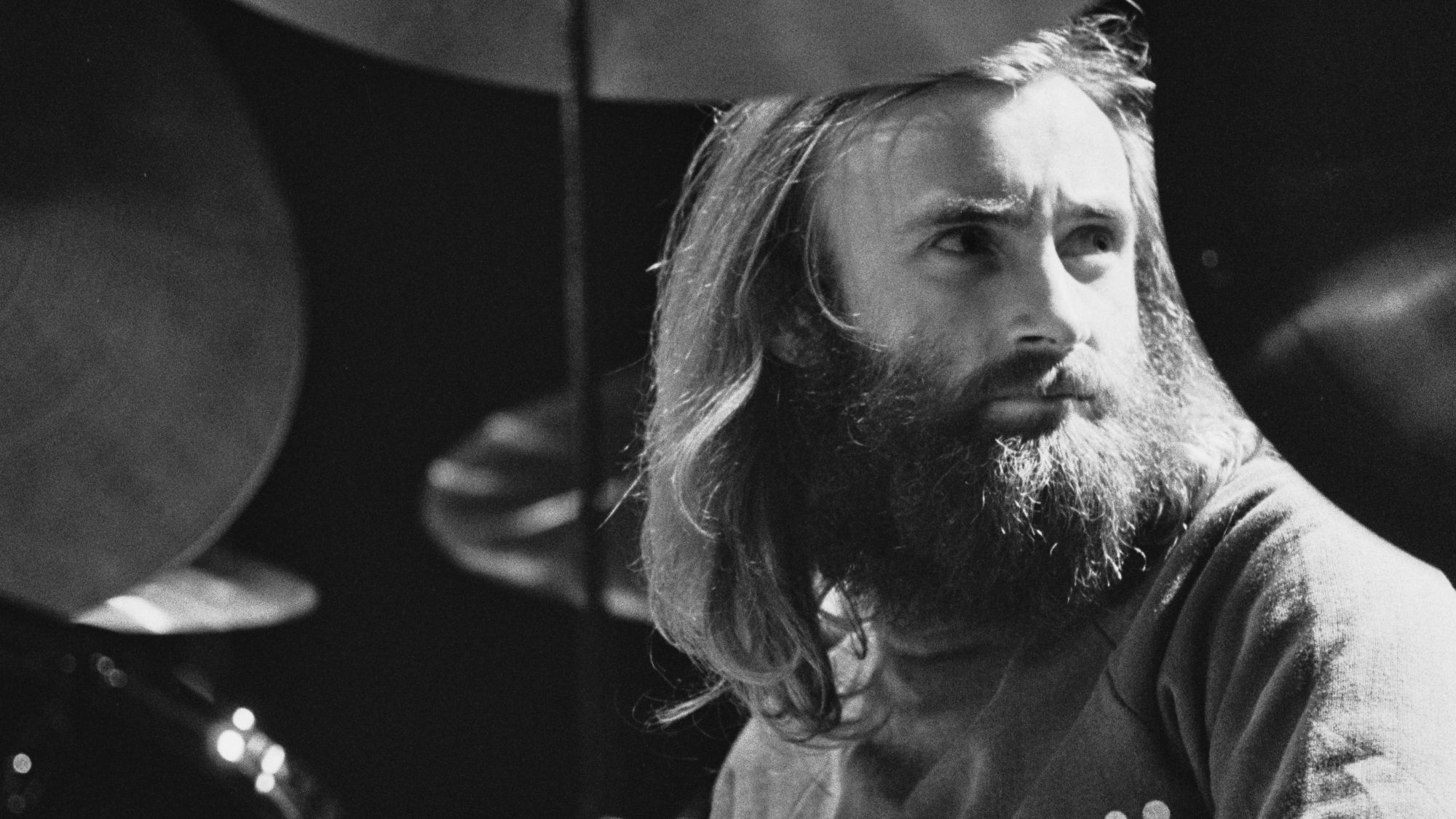
"Sometimes if you don’t know the rules, you don’t know if you’re breaking them," Collins noted, summarizing an approach that would later define both his tenure with Genesis and his stratospheric solo career. His unique rhythmic sensibility enabled him to blend complex time signatures with accessible pop structures, a duality praised by contemporary musicians and peers alike.
Mastodon drummer Brann Dailor recently highlighted this technical brilliance, pointing out how Collins mastered the art of camouflaging sophisticated hi-hat work and odd time signatures beneath universally appealing melodies. According to Dailor, while casual listeners could easily dance to his tracks, schooled musicians recognized the complex craftsmanship operating just beneath the surface.
From Progressive Rock Pioneer to Global Pop Megastar
Collins joined Genesis in 1970 initially as their drummer, stepping behind the microphone as lead vocalist in 1975 following the departure of Peter Gabriel. Under Collins’ vocal and creative leadership, Genesis transitioned from a complex progressive rock outfit into one of the most successful arena-rock bands of the 1980s, releasing global smashes such as "Invisible Touch" and "Land of Confusion."
Simultaneously, Collins embarked on a solo career that yielded some of the defining pop anthems of the late 20th century. His 1981 debut solo album, Face Value, featuring the haunting and ubiquitous single "In the Air Tonight," established him as a premier solo artist. Throughout the 1980s and 1990s, Collins accumulated a staggering list of accolades, including eight Grammy Awards, two Golden Globes, and an Academy Award for "You’ll Be in My Heart" from Disney’s Tarzan.
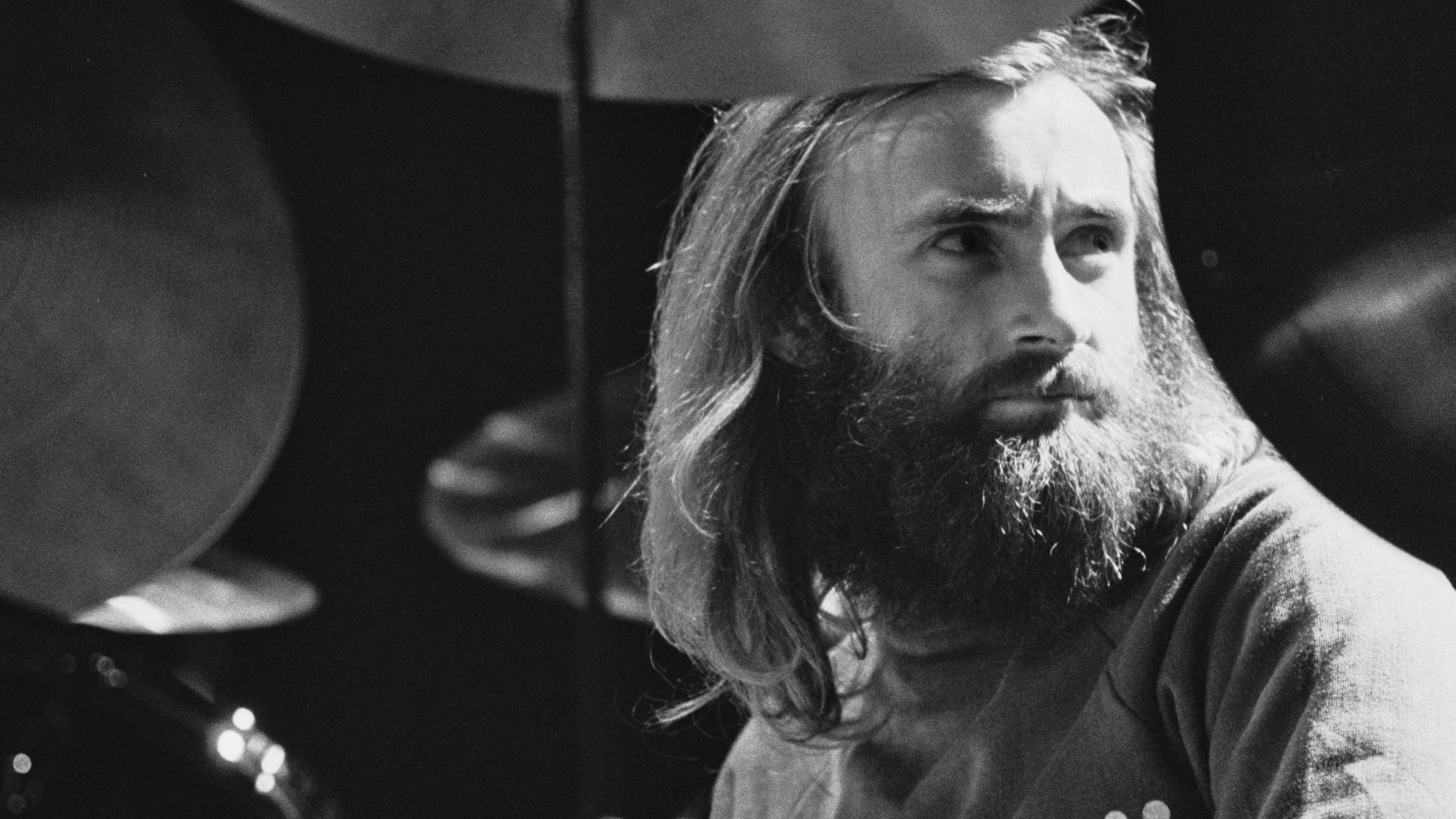
Despite his immense commercial footprint—selling over 150 million records worldwide—Collins has occasionally faced cultural cynicism, a phenomenon he acknowledged with characteristic humility. Reflecting on the Hall of Fame honor, he remarked that he had grown quite accustomed to being overlooked by modern tastemakers, making the unexpected nomination a welcome and appreciated gesture.
Health Battles and the Reality of Live Performance Retirement
While the upcoming induction is a moment of celebration for millions of fans, it also highlights the physical challenges that have sidelined the artist in recent years. Collins has battled severe health complications, including chronic back injuries stemming from dislocation of vertebrae in his upper neck, nerve damage, acute pancreatitis, and ongoing kidney issues.
These debilitating conditions severely impacted his ability to play the drums, forcing him to perform seated during his final concert tours. His last live appearance took place in March 2022 at London’s O2 Arena during the final leg of Genesis’s The Last Domino? tour. Consequently, Collins will not perform at the Rock and Roll Hall of Fame induction ceremony, explaining candidly that he is simply not "match fit" for the stage. Furthermore, he has not released an album of new material since his 2010 Motown covers project, Going Back.
Studio Prospects and the Future of His Creative Output
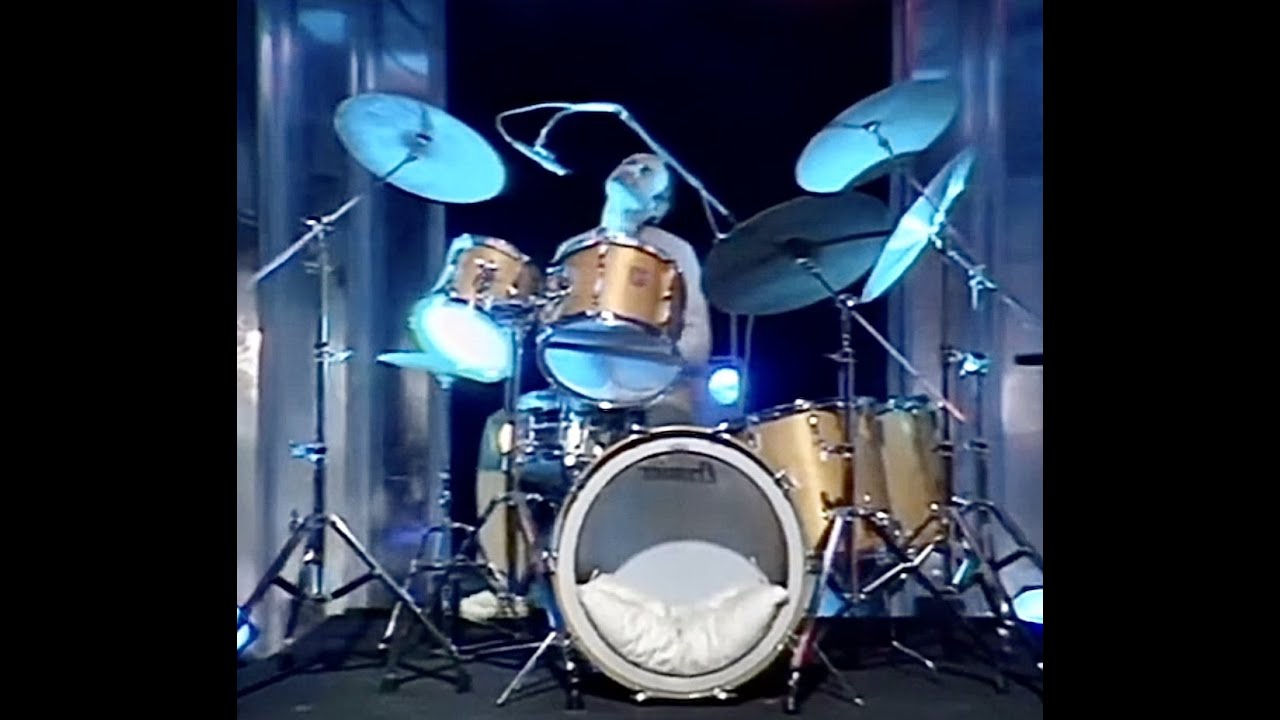
Speculation has periodically surfaced regarding whether Collins might return to his home studio to record again. Earlier this year, the musician expressed interest in visiting his setup to "have a fiddle about and see if there’s more music."
However, progress has been slow, weighed down by years of attempting to distance himself from the workspace during his formal retirement. "At one point, if I went down there, it meant work," Collins explained. "When I was trying to retire, I used to go the longest way around to avoid being in it, you know? But I will get down there."
Broader Implications and Industry Legacy
Collins’ double induction represents more than a personal milestone; it is a testament to the shifting critical consensus regarding the pop and rock titans of the late 20th century. As musicians from extreme metal, indie rock, and modern pop continue to cite Collins as a primary influence—particularly regarding gated reverb drum production and emotive lyricism—his foundational role in shaping modern popular music is undergoing a well-deserved reassessment.
As the music industry gathers this weekend to celebrate his contributions, Phil Collins stands as a towering figure of resilience, innovation, and unmatched rhythmic mastery. Whether or not he steps foot into a recording studio again, his dual induction secures his permanent place in the pantheon of rock and roll history.