When Metallica Guitarist Kirk Hammett Met Fleetwood Mac Legend Peter Green and Handed Over the Keys to Guitar Lore

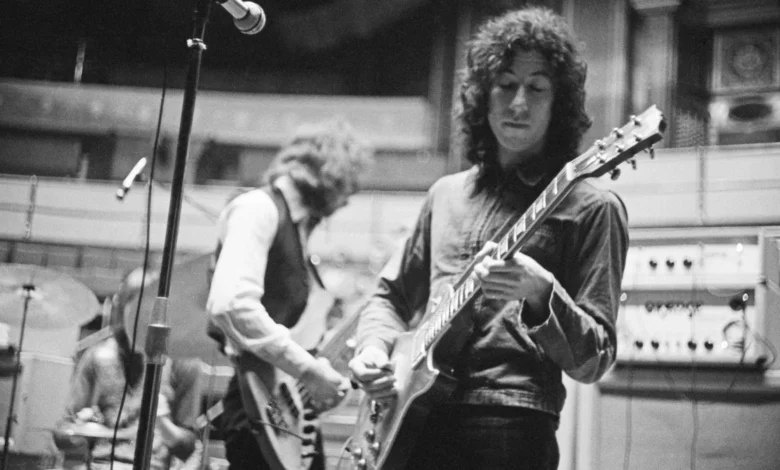
The meeting between Metallica lead guitarist Kirk Hammett and legendary British blues-rock icon Peter Green stands as one of the most poignant intersections in modern music history. At the center of this encounter was "Greeny," a heavily weathered, stage-worn 1959 Gibson Les Paul Standard universally revered as one of the most important electric guitars ever manufactured. For Hammett, stepping into Green’s London residence to present the instrument—and its current caretaker—to its original owner was an experience freighted with immense emotional tension, professional reverence, and a profound sense of historical duty.
Main Facts and the Weight of Greeny
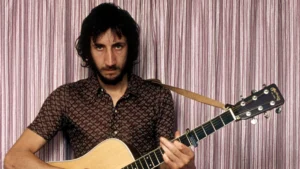
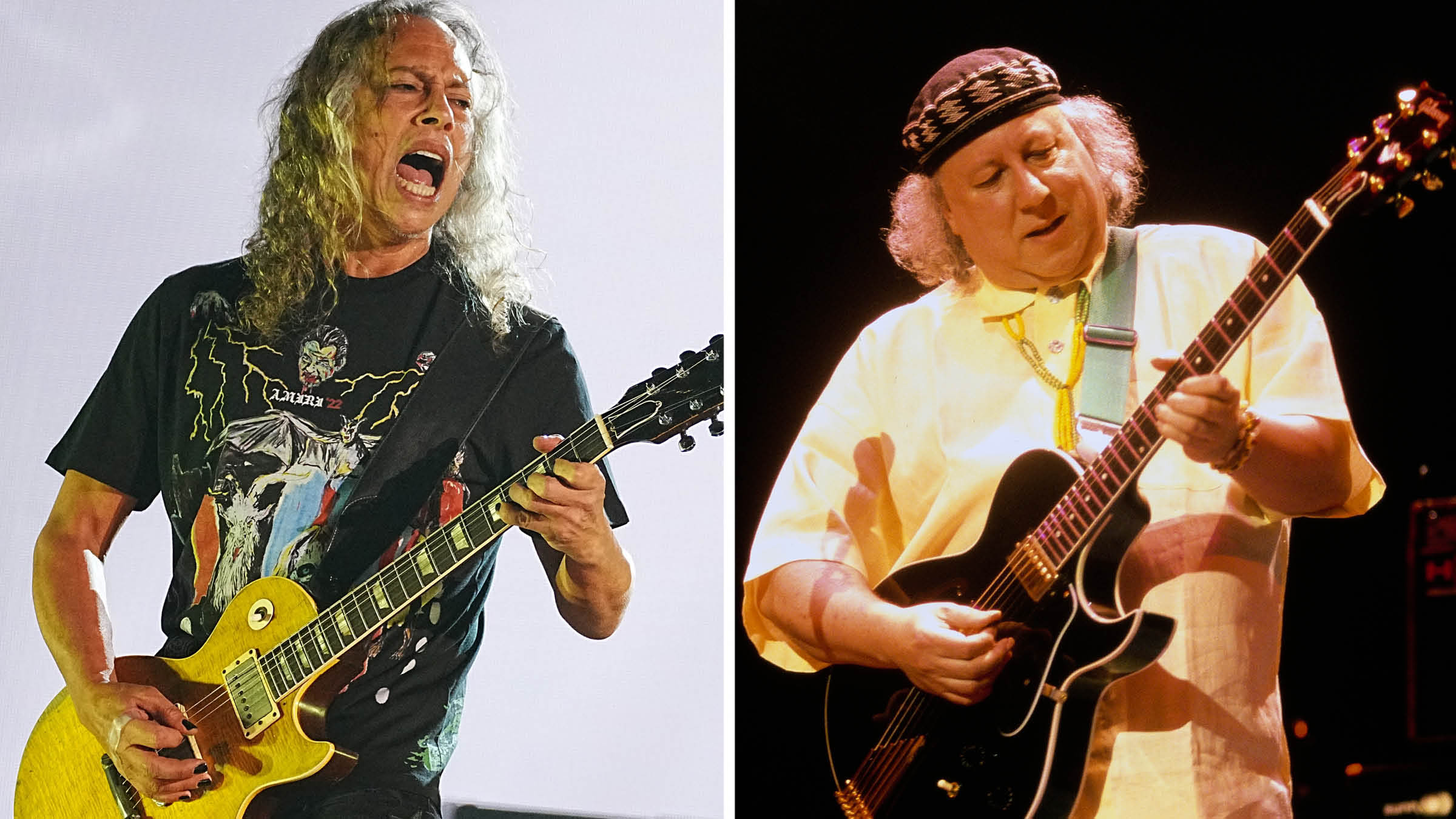
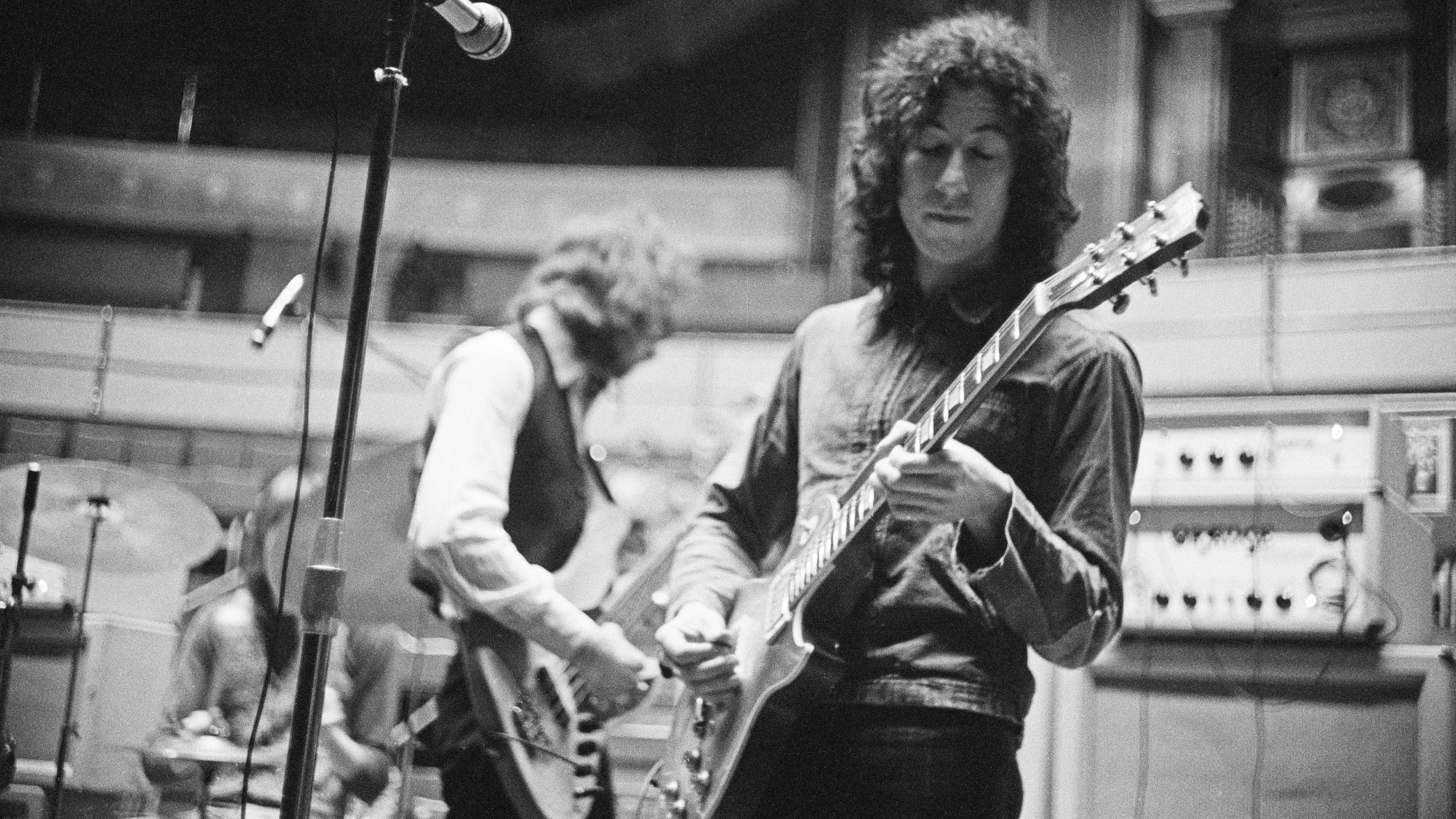
Greeny is much more than a collection of mahogany, maple, metal, and wire. It serves as a physical manifestation of the blues-rock evolution, bridging eras and genres. Originally purchased by Peter Green in the late 1960s from Selmer Musical Instrument Showrooms on London’s Charing Cross Road for approximately £110, the instrument quickly became his signature weapon during his time with John Mayall’s Bluesbreakers and subsequently Fleetwood Mac.
The guitar possesses a rare sonic characteristic born from a unique factory anomaly—or accidental modification—that reversed the magnetic polarity of its neck pickup. This produced a distinct, hollow, out-of-phase tone in the middle switch position that captivated listeners and set a new benchmark for British blues tone. B.B. King famously remarked that Green possessed "the sweetest tone I ever heard," noting that Green was the only player who ever gave him "the cold sweats."
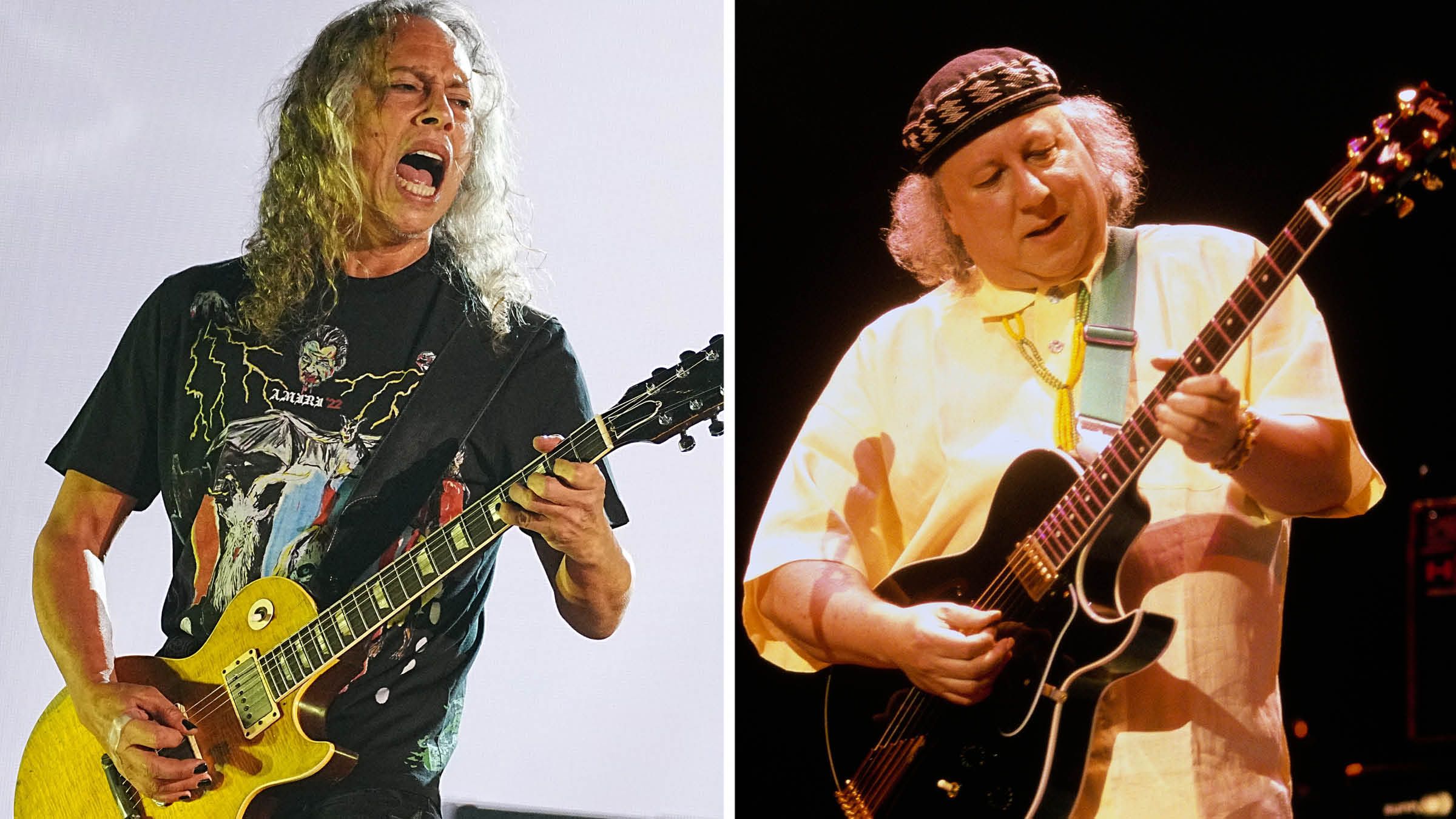
In 1970, amidst personal struggles and his impending departure from the music industry, Green sold the guitar to his friend and fellow guitar virtuoso Gary Moore for a modest $300. Moore toured and recorded with the instrument for three decades before selling it in 2006 to finance a collection of vintage instruments. Following a period with private dealers, the guitar was eventually acquired by Kirk Hammett in 2014 for an estimated $2 million, saving the historic artifact from potential obscurity in a corporate display case and returning it to active duty on global stadium stages with Metallica.
Chronology of the Historic Encounter
The journey toward Hammett’s meeting with Green was years in the making. After securing the instrument, Hammett felt a deep ethical and artistic obligation to trace the guitar’s lineage back to its source. He arranged a visit to Green’s home in the Isle of Dogs district of London.
Reflecting on the encounter years later, Hammett admitted that despite his status as a multi-platinum-selling stadium artist, he was consumed by nerves. The unpredictability of Green, who had largely retreated from the public eye and media scrutiny due to mental health challenges, loomed large.
"To be honest, I was a little bit nervous and scared," Hammett recalled. "It’s hard to gauge how someone with a reputation like that was going to react to meeting someone like me. On my way over there, the unpredictability of the situation was driving me crazy the whole time."
Upon arrival, the initial atmosphere was tentative. Both musicians assessed each other in silence, gauging the energy and emotional state of the room. The breakthrough arrived unexpectedly through a shared, mundane interest: fishing. After roughly ten minutes of awkward silence, Hammett shifted the conversation toward fishing poles, reels, and catches in Hawaii. The conversational pivot instantly melted the ice, allowing a warmer, more relaxed dialogue to emerge between the veteran bluesman and the heavy metal icon.
The Dialogue and Official Responses
With the mood lightened, Hammett seized the opportunity to deliver a heartfelt tribute on behalf of the global guitar community. He looked Green directly in the eye and articulated the profound debt modern musicians owed to his pioneering artistry.
"I said, ‘Peter, you know, I just need to tell you this on behalf of myself and guitar players all over the world, your influence is still felt everywhere, and it is just as huge, if not bigger, than it has ever been, and you continue to inspire generations of guitar players,’" Hammett recounted.
True to his character and characteristic British reserve, Green did not bask in the flattery. Instead, he simply looked at Hammett, shook his head, and smoothly changed the subject. While the reaction lacked outward sentimentality, Hammett understood that the words had struck a chord.
Tragically, Peter Green passed away peacefully in his sleep at the age of 73 on July 25, 2020. Months prior, in February 2020, Mick Fleetwood organized a star-studded tribute concert at the London Palladium to honor Green’s legacy. While Green did not attend the event, musicians including Hammett and ZZ Top’s Billy Gibbons performed powerful renditions of Fleetwood Mac classics like "The Green Manalishi (With The Two-Pronged Crown)." The fact that Hammett and his peers expressed their admiration while Green was still alive remains a rare and comforting reality in an industry that frequently waits until an artist’s passing to offer retrospective praise.
Broader Impact, Legacy, and Future Implications
The preservation and active use of Greeny have ignited a broader cultural resurgence in appreciation for Peter Green’s artistry. Guitarists across genres—ranging from Joe Bonamassa, who owns a Les Paul with a similar out-of-phase pickup quirk, to mainstream rock performers—continue to cite Green as a foundational influence.
For Hammett, stewardship of the guitar has catalyzed a profound personal and professional evolution. Immersed in the heavy, aggressive rhythms of Metallica for decades, the guitarist found himself naturally reconnecting with his early musical roots. Listening to Green in deep awe served as a creative wake-up call, injecting traditional blues phrasing back into his modern playing style.
As Greeny continues to travel the world, appearing on records and massive live stages, questions naturally arise regarding the instrument’s ultimate future. With an instrument valued in the millions, preservation is a constant concern, yet Hammett remains firm that the guitar belongs in the hands of a working musician rather than behind glass.

Regarding his long-term plans for Greeny, Hammett has expressed a desire to pass the instrument down to a capable successor when the time is right. His vision is clear: the guitar must remain an active participant in music history rather than a static museum piece.
"I don’t know, but I hope it is someone who can keep on playing it, and keep on recording with it, and keep on touring with it, so that people who love the guitar can go see it and hear it in real time," Hammett stated. "This guitar needs to be out there. It’s a gift to the music world and I should just keep giving that gift."
Ultimately, the connection between Peter Green, Kirk Hammett, and the legendary 1959 Les Paul transcends simple celebrity ownership. It stands as a testament to the enduring power of musical lineage, proving that true artistic genius leaves an indelible mark that echoes across generations, bridging the gap between underground British blues clubs and global heavy metal stadiums.