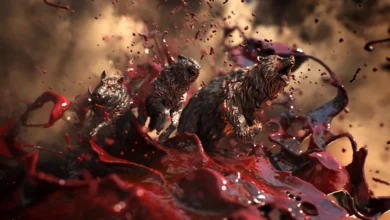
The landscape of independent animation is currently fixated on the 2027 Academy Awards, as a diverse array of shorts competes for the industry’s highest honor. Among the most evocative contenders is the German-French 2D production, With Tapes and Toasts in the Car (Im Auto Tapes und Butterbrot). Directed by Kiana Naghshineh, the film has distinguished itself on the festival circuit, most notably securing the Best Animation prize at the 2026 HollyShorts Film Festival, an essential qualifying milestone that propelled it into the Oscar race. Produced by a consortium of ManicMonday, Laïdak Films, and the director herself, the film offers a deeply personal exploration of mortality, memory, and the intersection of human history with cosmic finality.
A Narrative Born from Personal Loss
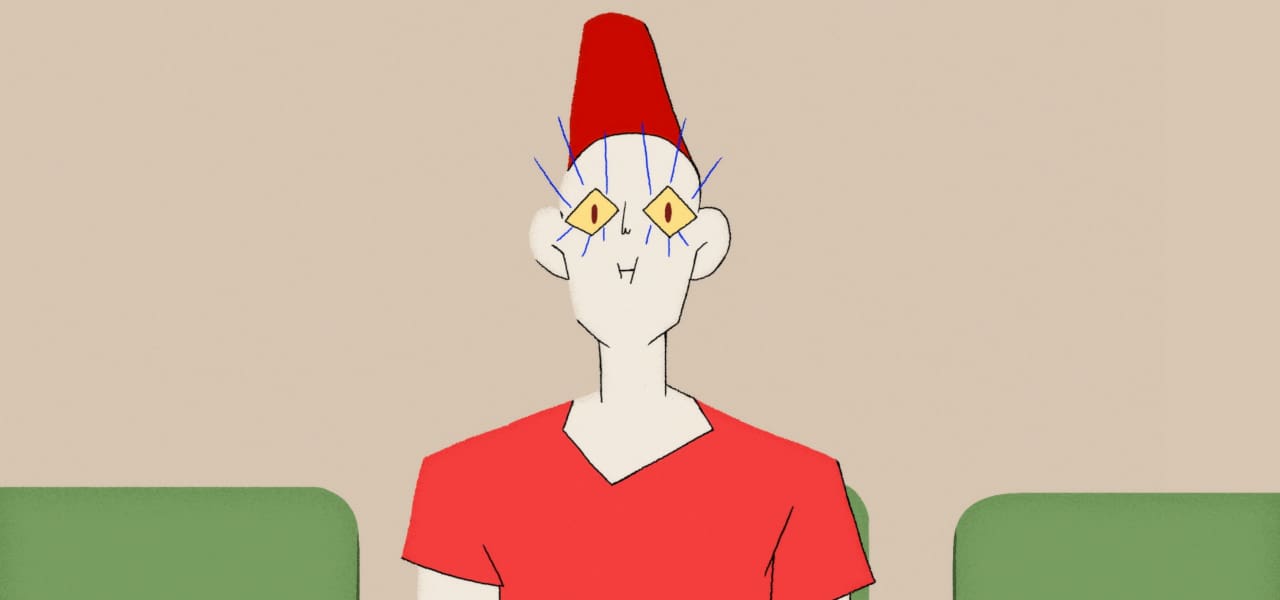
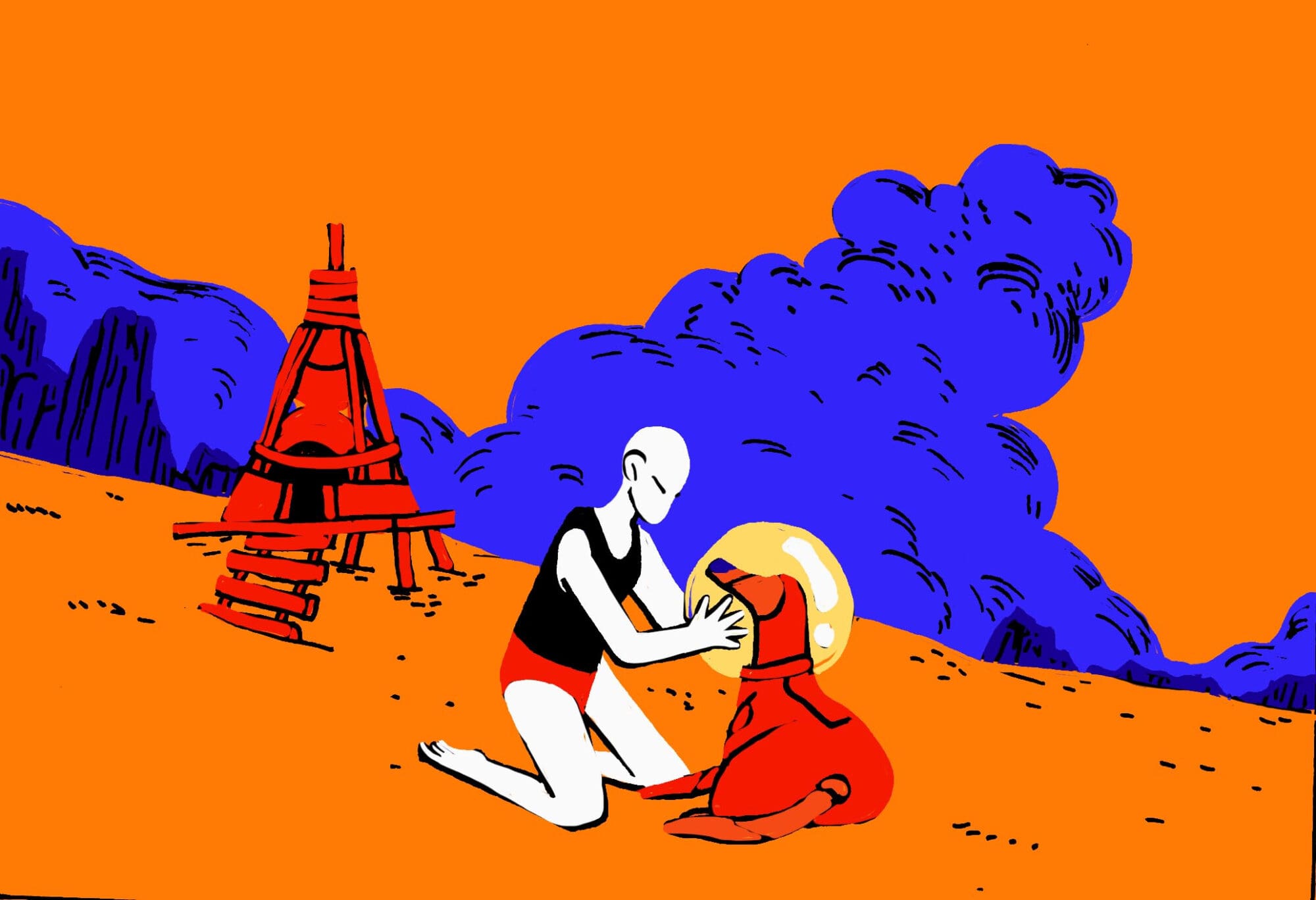
The genesis of With Tapes and Toasts in the Car lies in the private, intimate experiences of director Kiana Naghshineh. The narrative centers on Shari, a protagonist grappling with a terminal diagnosis. As the physical toll of her illness progresses, the film employs a surreal, evocative metaphor: Shari’s body begins to transform into stardust. This process of celestial dissolution serves as the backdrop for her encounter with Laika, the Soviet space dog whose 1957 voyage aboard Sputnik 2 remains one of history’s most well-documented instances of a one-way mission.
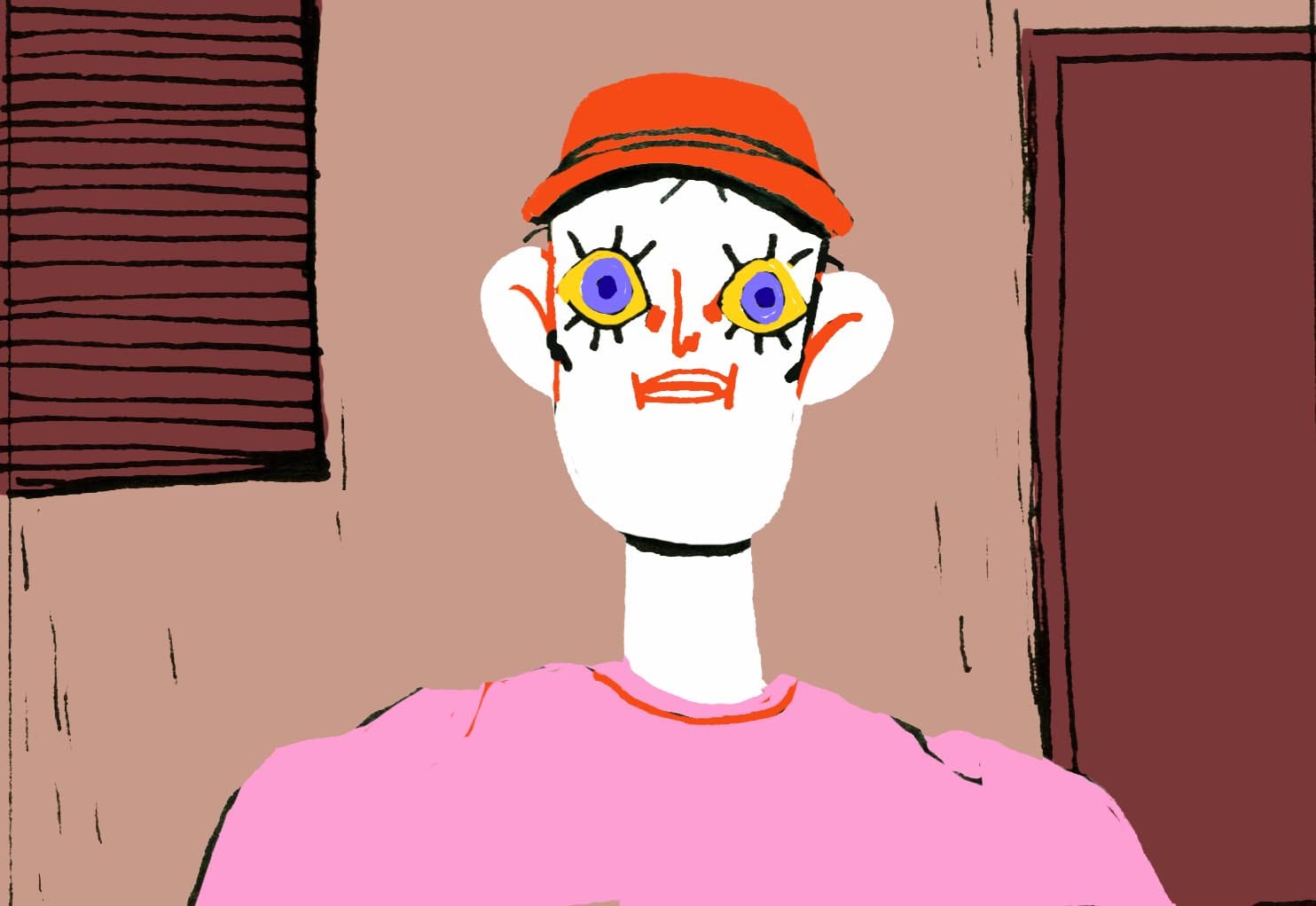
Naghshineh’s creative direction was heavily influenced by the final months of her own aunt’s life. During this period, the family dynamic was defined by a mixture of grief and the desperate, lingering hope for recovery. However, it was the stories shared between her aunt and mother—anecdotes of their youth, specific regional slang, and the idiosyncrasies of their upbringing—that formed the emotional bedrock of the screenplay. By grounding the fantastical elements of the story in the hyper-specific, lived-in reality of her own family history, Naghshineh creates a bridge between the cosmic and the domestic.

The Role of Laika in the Narrative Arc
The decision to feature Laika as a central character is not merely a stylistic choice but a thematic anchor. In the context of the film, Laika represents the ultimate shared experience of inevitable departure. When the Soviet space program launched the stray dog into orbit in November 1957, it was understood that the mission was terminal; there was no recovery mechanism. By pairing Shari’s terminal decline with Laika’s fated orbit, the film suggests a profound companionship between the living and the departed.
This narrative structure allows the film to explore themes of control and acceptance. Just as Shari cannot stop her transformation into stardust, Laika could not alter her trajectory in space. Through this lens, the film posits that there is a quiet, shared dignity in acknowledging one’s end, even when the destination is unknown. The inclusion of these historical parallels elevates the short from a personal memoir to a broader existential inquiry.

Production and Creative Methodology
Transitioning from film school to the global stage, Naghshineh navigated the complex requirements of professional animation production. The project spanned five years, a duration that allowed the director to refine the visual language of the film through iterative processes. The visual style is a deliberate synthesis of 1990s nostalgia and the stark, graphic clarity of 1950s Soviet design.
The director utilized high-contrast color palettes and bold, geometric shapes reminiscent of mid-century propaganda posters and postage stamps. This aesthetic choice serves two functions: it provides a visual shorthand for the mid-century era in which Laika’s story takes place, and it provides a stark, striking contrast to the fluid, often somber nature of Shari’s metamorphosis. Many of the sketches found in Naghshineh’s early pre-production notebooks remained largely unchanged, appearing in the final frames of the film half a decade later. This consistency in vision, maintained despite the pressures of securing funding and managing production teams, is a hallmark of the film’s distinct identity.
The Landscape of the 2027 Oscar Race
The path to the Academy Awards for an animated short is notoriously rigorous. A film must generally meet one of three criteria: win an Oscar-qualifying award at a recognized festival, complete a theatrical run in a commercial theater, or win a Student Academy Award. With Tapes and Toasts in the Car fulfilled this through the festival route, gaining momentum at HollyShorts and other major international venues.
The 2027 cycle is characterized by an increase in European co-productions, reflecting a broader trend of international cooperation in the animation sector. Analysts note that films like Naghshineh’s are increasingly relying on "niche universalism"—the act of focusing on a hyper-local story (in this case, German-French cultural specifics) to address a universal human condition. As the Academy continues to diversify its voting body, the preference for films that prioritize emotional resonance over high-budget spectacle has become more pronounced.

Fact-Based Implications and Broader Impact
The success of such a film carries several implications for the independent animation industry. First, it demonstrates the viability of smaller, auteur-driven projects that rely on personal narrative rather than franchise-based intellectual property. Second, it highlights the increasing importance of the European co-production model, which allows directors like Naghshineh to access cross-border funding and talent, essential for high-quality 2D production.
From a critical standpoint, the film’s impact lies in its ability to handle sensitive subject matter without falling into the trap of melodrama. By utilizing the medium of animation, the film bypasses the literalism of live-action, allowing the director to visualize internal states of being—such as the transformation into stardust—that would be difficult to render otherwise. This visual metaphor provides a language for talking about death and loss that is both accessible and deeply profound.
Future Outlook and Closing Reflections
As the 2027 Oscar season approaches, the spotlight on With Tapes and Toasts in the Car will only intensify. For Kiana Naghshineh, the journey has been one of professional maturation and personal catharsis. Balancing the collaborative demands of producers and broadcasters with the integrity of her initial vision has provided a template for her future work.
The film stands as a testament to the idea that animation is not merely a medium for entertainment but a sophisticated tool for processing grief. By weaving together the history of space exploration with the quiet, terminal moments of a family member’s life, the production invites audiences to reconsider their own relationship with time and memory. Whether or not it secures the golden statuette, its legacy as a piece of poignant, carefully crafted storytelling is already well-established within the animation community. The film serves as a poignant reminder that even in the face of the infinite—or the terminal—there is value in the stories we share, the tapes we listen to, and the simple comfort of a toast in the car.
Related posts: