Apple TV+’s science fiction drama Star City approaches the historic space race through an alternate-history lens, imagining a timeline where pioneering Soviet rocket engineer and spacecraft designer Sergei Korolev survived a routine, albeit fatal, 1966 surgery. In this divergence from historical reality, Korolev lives to steer the Soviet space program to unprecedented triumphs, enabling the USSR to beat the United States and land the first human on the moon. Serving as a spin-off to the critically acclaimed alternate-history series For All Mankind, which predominantly explores the American trajectory in space exploration, Star City shifts the narrative focus eastward. It plunges viewers directly into the intense political paranoia, technological ambition, and bureaucratic secrecy defining the Soviet space apparatus during the Cold War.
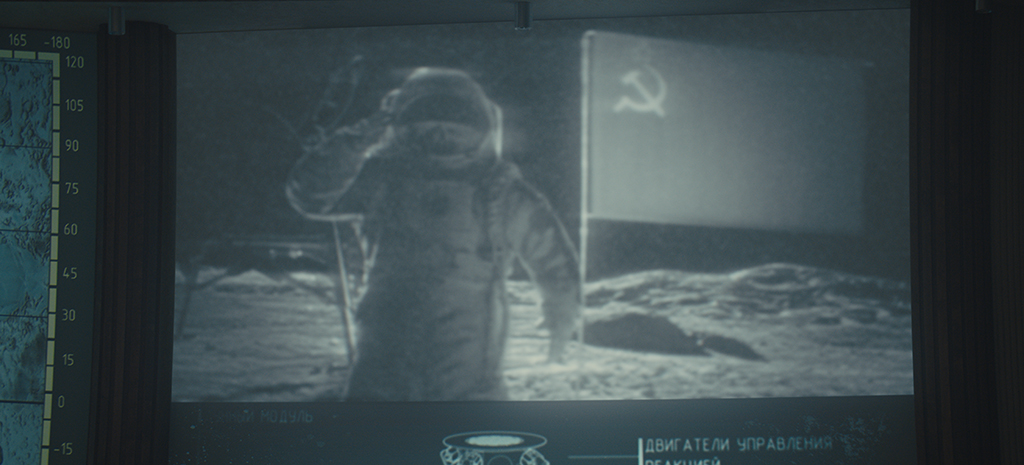
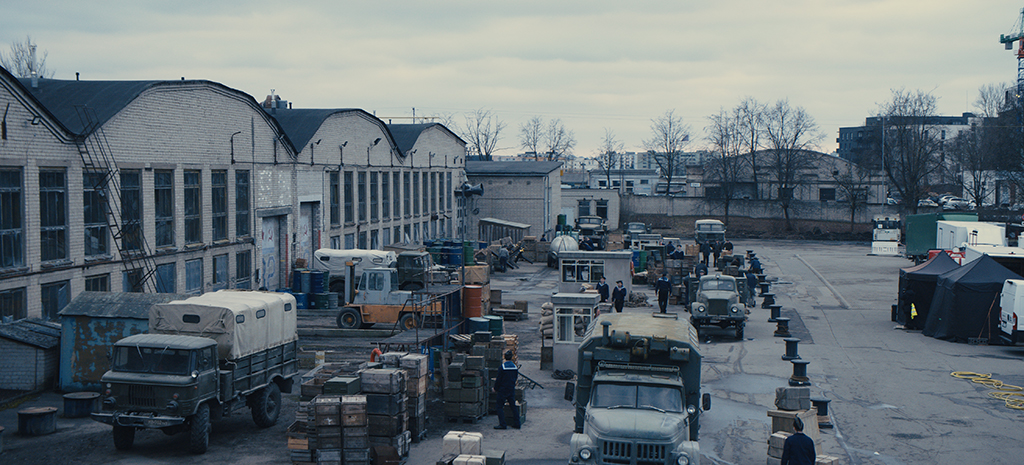
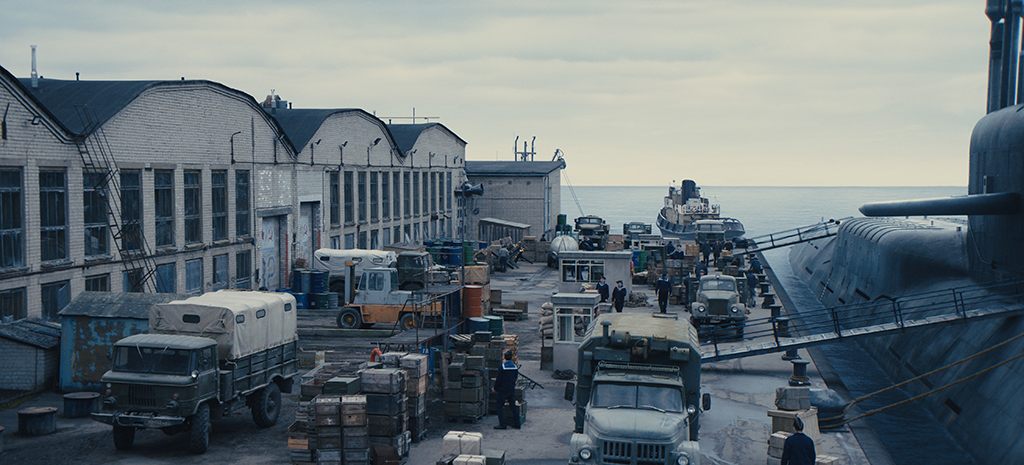
To bring this high-stakes, historical-fiction narrative to life, Production Visual Effects Supervisors Jay Redd and Todd Perry enlisted the visual effects powerhouse DNEG. Over the course of the production, DNEG delivered 131 meticulously crafted visual effects shots spanning 21 complex sequences. These sequences required a diverse array of digital artistry, ranging from dual Soviet lunar landings featuring both male and female cosmonauts to high-velocity atmospheric re-entries of Soyuz spacecraft pursued by aggressive MiG-21 fighter jets. The scope of work further encompassed serene orbital docking maneuvers, hyper-realistic views of Earth from space, and a fully rendered computer-generated nuclear submarine. Underpinning all of these technical achievements was a deliberate visual strategy: the production heavily mirrored the gritty, shadow-drenched aesthetic of 1970s conspiracy thrillers, prioritizing period authenticity over glossy modern science fiction tropes.
Establishing Period Authenticity and Vintage Soviet Aesthetics
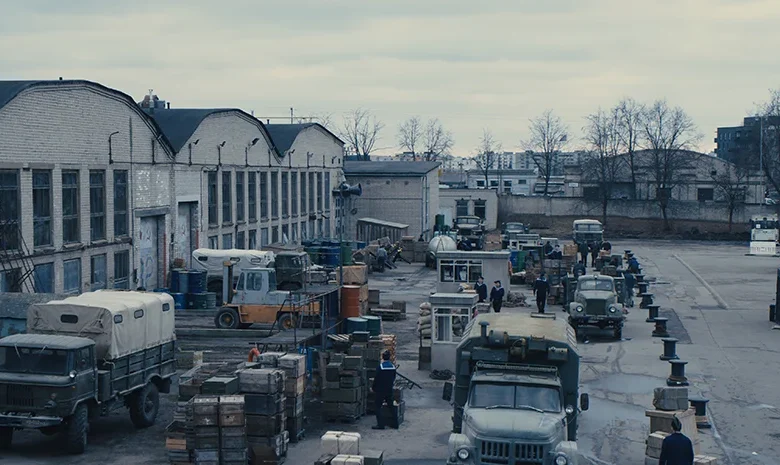
The visual language of Star City relies heavily on anchoring an impossible timeline within a tangible, historically grounded reality. According to DNEG Visual Effects Supervisor Chris Keller, the foundational mandate of the production was period accuracy. The artistic team sought to ensure that the alternative timeline felt genuinely authentic, down to the minutest optical imperfections of mid-century cinematography. This stylistic choice began on the physical set during principal photography, where production crews utilized vintage Soviet glass lenses native to the region and era. By shooting through these authentic historical optics, the live-action plates inherently possessed specific physical aberrations that the digital effects team was tasked with seamlessly matching.
DNEG engaged in an extensive research and development phase to replicate these complex optical artifacts digitally. Artists began by analyzing lens distortion, vignetting, and chromatic aberrations. However, the studio elevated its technical pipeline further by modifying an advanced defocus node discovered via open-source development. This specialized tool successfully replicated hypercomplex optical anomalies, including astigmatism, cat-eye effects, barn doors, and intricate chromatic aberrations within the bokeh kernel. Combined with physical optical lens flares captured directly by the production crew during principal photography, these digital treatments infused every computer-generated frame with the distinct tactile quality of 1970s cinematic stocks, providing the final touches of visual polish.
Expanding the Cosmos: Recreating and Expanding the Soviet Moon Landing
One of the most technically demanding aspects of Star City involved revisiting and expanding upon the foundational Soviet moon landing first depicted in the inaugural season of For All Mankind. Although the original visual effects assets from 2019 were no longer accessible, the production retained the original plate photography. DNEG utilized these archival elements to bridge the aesthetic gap between the two series. While certain shots of cosmonaut Alexei Leonov walking on the lunar surface match Episode 101 of For All Mankind precisely, Star City introduces entirely new camera angles and spatial perspectives.
To achieve this, DNEG artists employed advanced rotomation techniques on the original 2019 actor plate photography, rebuilding the entire first moon landing sequence in full computer-generated graphics. Although minor variations distinguished the updated lunar lander and surrounding terrain from the original broadcast, the team remained faithful to the established aesthetic, including the fidelity of period broadcast effects.
Building the lunar environment required exhaustive geological research. The production focused heavily on the topography of the moon’s south pole, utilizing publicly available data from NASA. By analyzing high-resolution height maps, subsurface characteristics, regolith composition, and reflectance data, artists established a scientifically accurate foundation for surface modeling. DNEG constructed a comprehensive digital library of boulders, scattered debris, craters, and jagged ridges, allowing digital environments to be customized shot-by-shot for optimal compositional drama.
Lighting on the lunar surface presented unique challenges due to the absence of atmospheric scattering. Keller noted that the team intentionally avoided front-lighting, which flattens the terrain into unappealing shades of gray. Instead, artists relied on harsh, unforgiving backlighting to cast long, dramatic shadows across the desolate landscape. The lunar sky was rendered as a stark, pitch-black void completely devoid of visible stars—a scientifically accurate depiction mirroring the real-world Apollo archives. Spending weeks examining tens of thousands of historical NASA photographs, the visual effects team captured the bleak, lonely atmosphere central to the emotional beats of the narrative, particularly during character arcs in the second episode.
Navigating the Complexities of Visor Reflections and Spacesuit Rendering
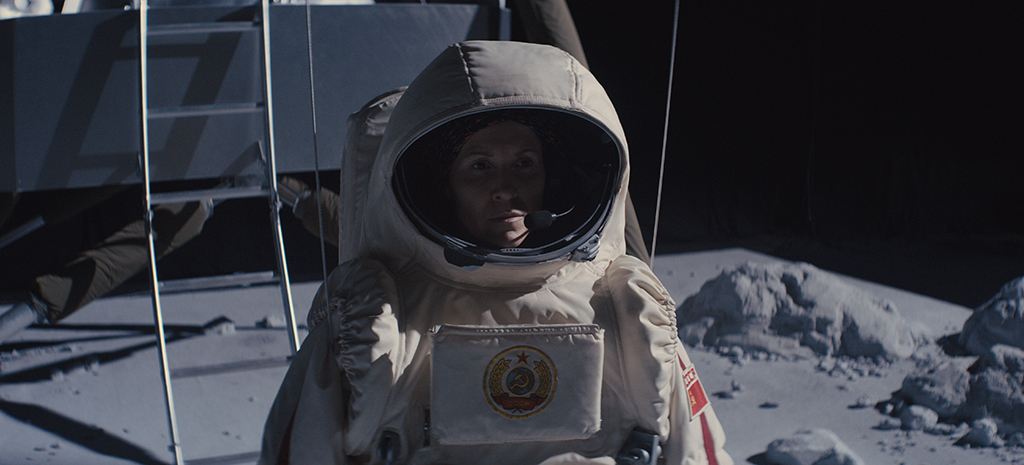
Rendering realistic reflections on spacesuit helmet visors remains a notoriously difficult hurdle in visual effects pipelines. For Star City, DNEG solved this challenge by executing all visor reflections in full computer-generated graphics, even in shots containing live-action plate photography. Because a helmet visor functions essentially as a convex mirror ball, artists were required to render a complete 360-degree digital environment for every close-up shot.
In practice, physical realism often conflicted with narrative performance visibility. If rendered purely according to physical optics, the horizon line would frequently intersect an actor’s face, awkwardly cutting across their eyes or creating the visual artifact of a digital mustache. To preserve the emotional beats of the actors’ performances, DNEG artists frequently cheated the reflected environment layout, subtly shifting the horizon up or down. Furthermore, artists dynamically faded out the visor reflections in the center of the frame whenever necessary to ensure the audience maintained a clear view of the performers’ facial expressions.
Mastering Orbital Mechanics and Atmospheric Re-Entry Sequences
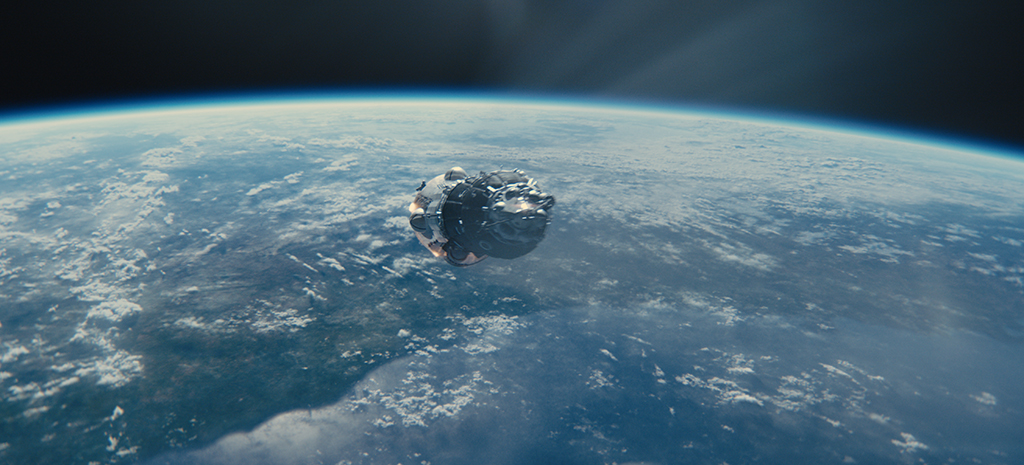
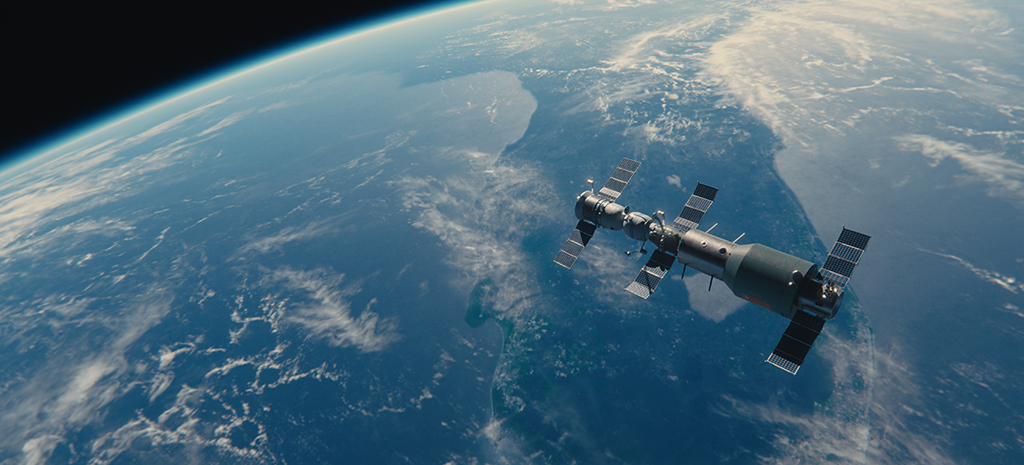
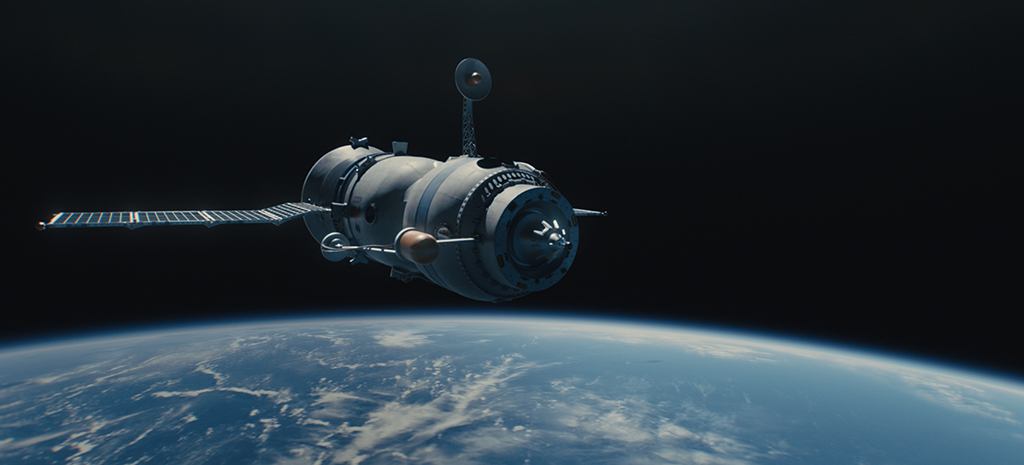
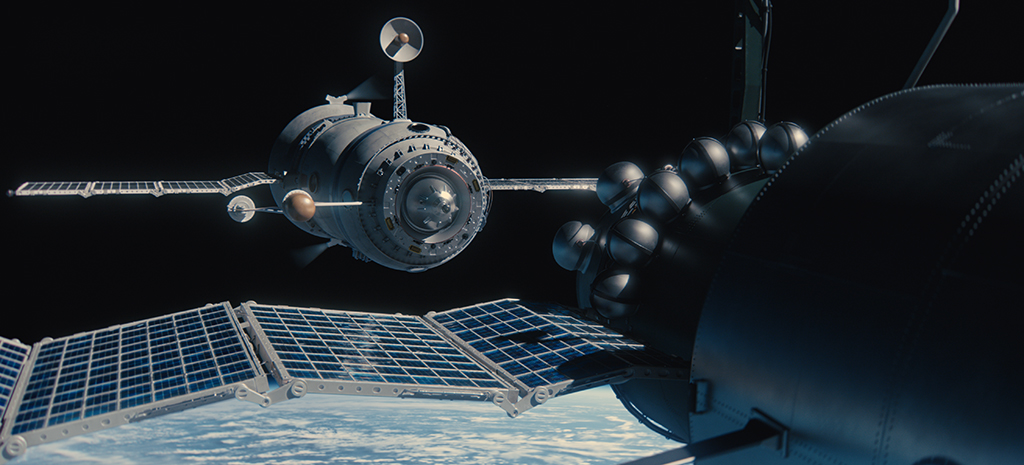
The narrative tension of Star City frequently shifts from the serene vacuum of space to the violent, high-speed chaos of atmospheric re-entry. Sequences involving the Soyuz spacecraft, the Salyut-1 space station, and orbital mechanics demanded meticulous asset generation. Because these spacecraft frequently drift close to the camera in unhurried orbital shots, the digital models had to withstand punishing scrutiny under direct, harsh space lighting.
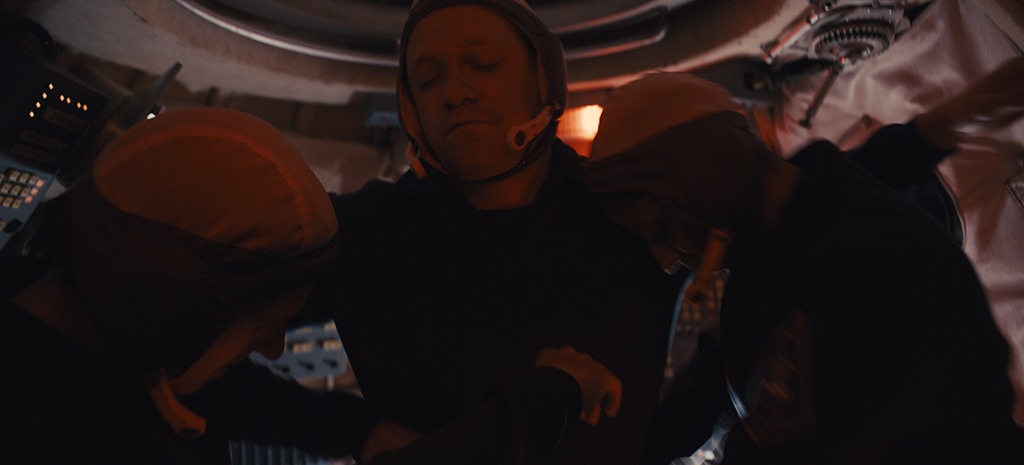
Gathering reference material for Soviet spacecraft proved exceptionally challenging due to historical government secrecy. With little high-quality photography publicly available, DNEG artists scoured obscure archives to model and texture the Salyut-1 and Soyuz vehicles accurately. Every minute detail—including panel lines, structural welding seams, structural rivets, and subtle layers of operational grime—was painstakingly mapped to react realistically to directional sunlight.
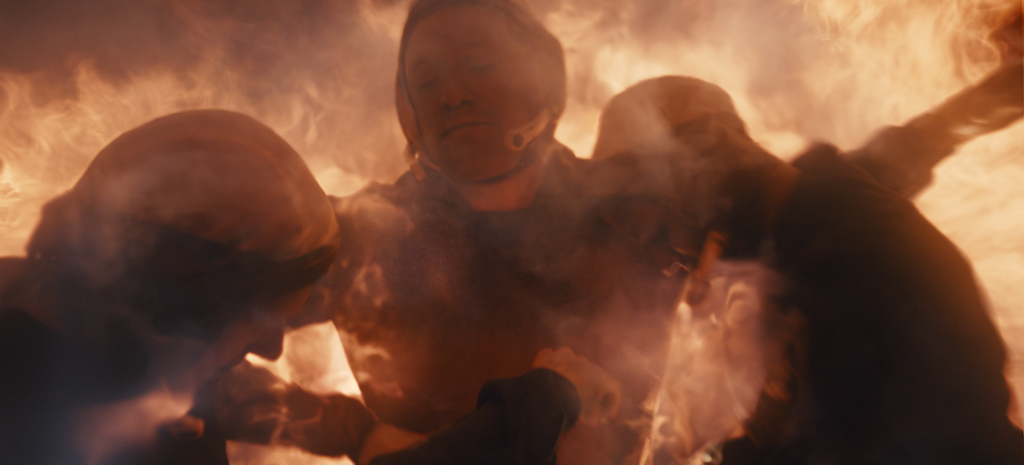
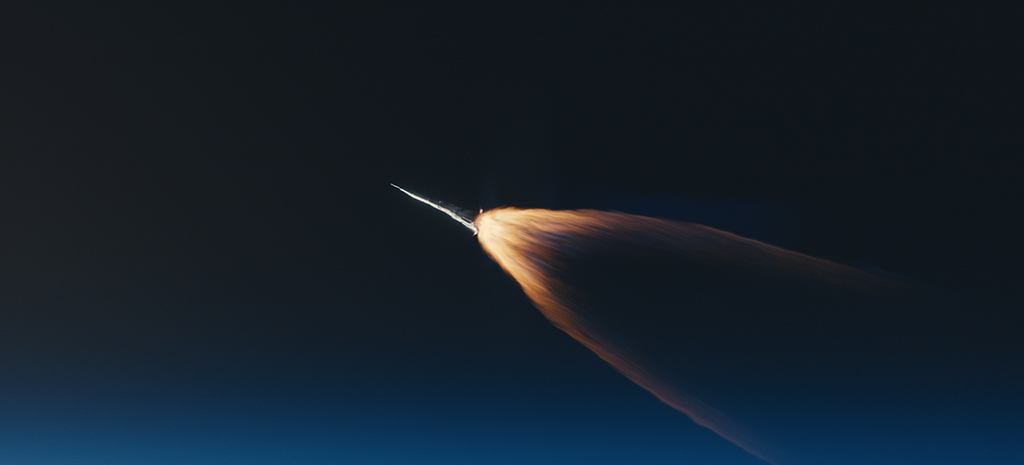
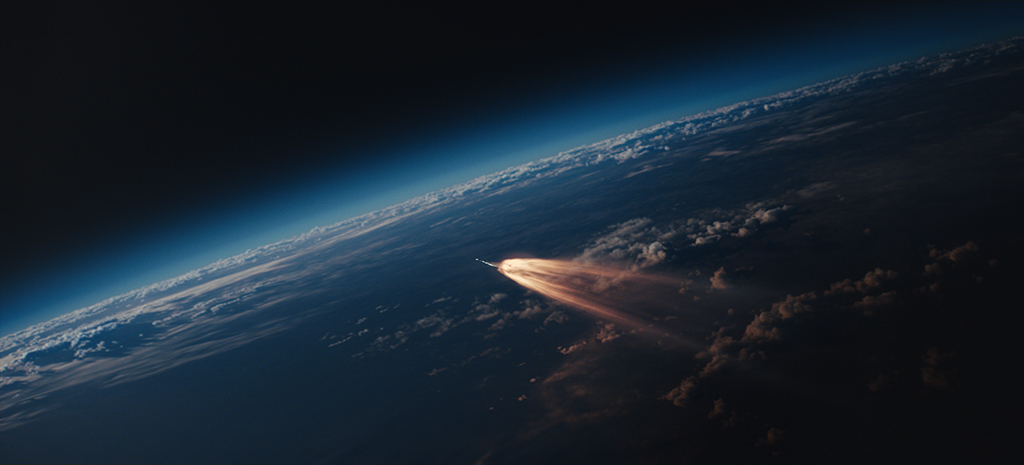
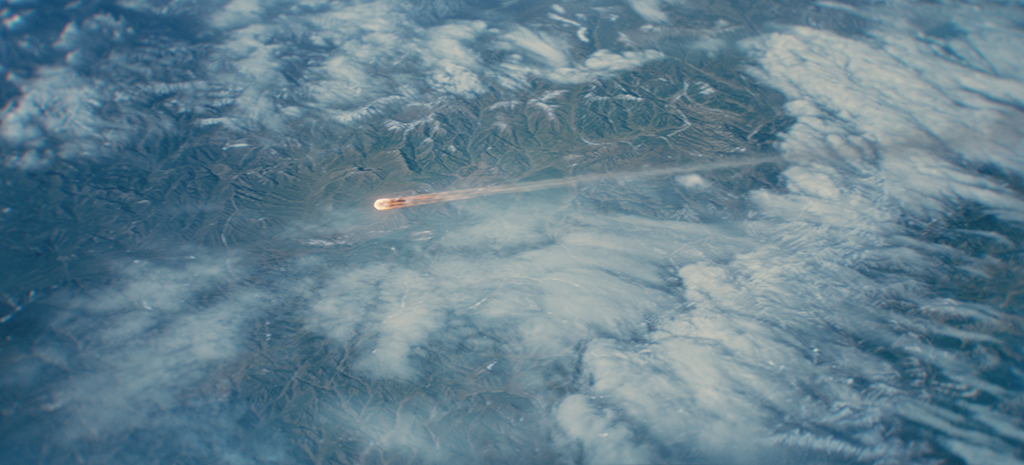
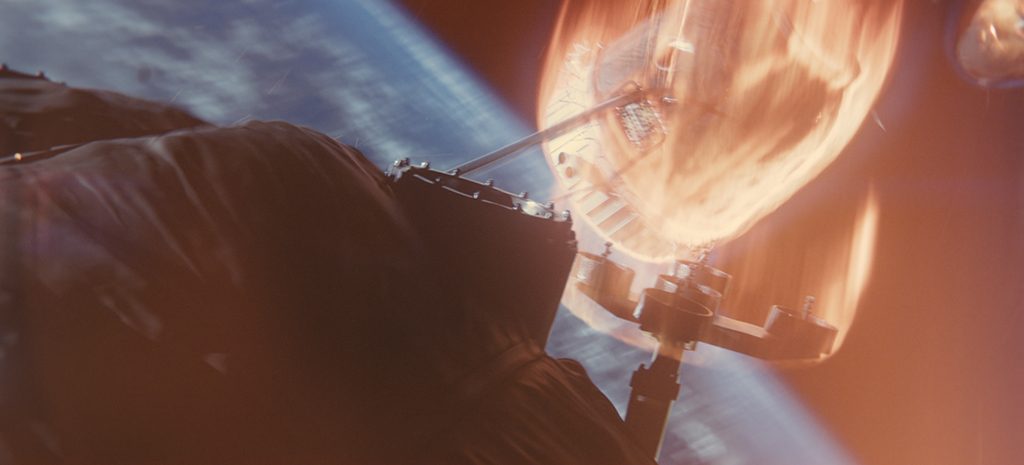
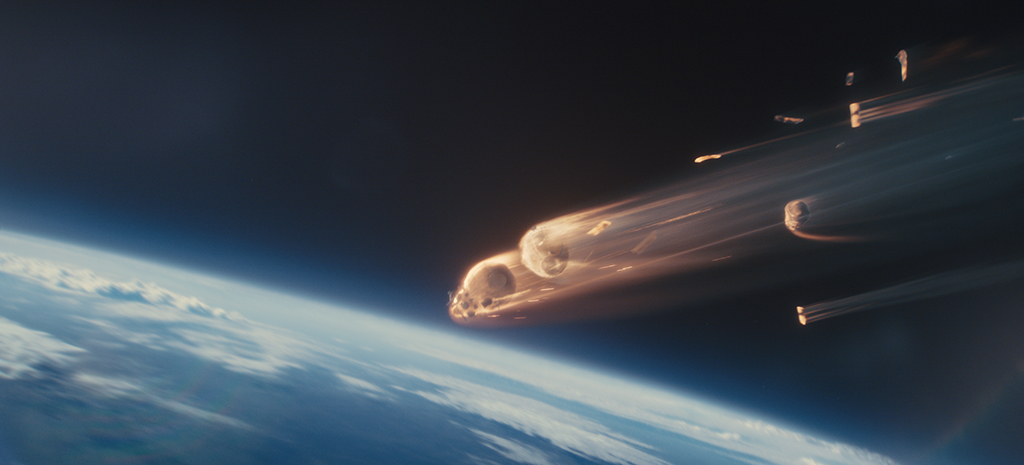
When depicting atmospheric re-entry, the team relied heavily on NASA-produced animatics to understand how heat sheaths form around descending modules. The complex plasma effect was synthesized by layering multiple distinct simulation elements, including leading-edge fire, long and short glowing sparks, and volumetric smoke. As the capsule transitions from the thin upper atmosphere into denser air layers, the visual effects depict a gradual escalation: initial sporadic bursts of sparks give way to sustained flames, eventually culminating in total thermal engulfment and the eventual oxidation of the spacecraft’s metal hull as it reaches the stratosphere.
High-Octane Conflict and Cinematic Orchestration
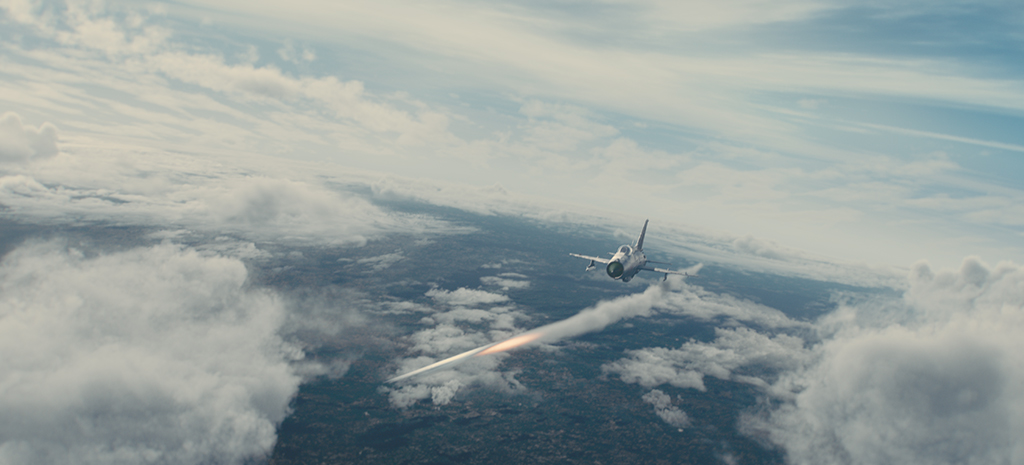
The narrative stakes escalate further when a computer-generated MiG-21 fighter jet engages descending Soyuz spacecraft, launching heat-seeking missiles that trigger catastrophic mid-air explosions. Integrating the MiG-21—characterized by its reflective, chrome-like tin-can material—required precise control over lighting and environmental reflections. The ensuing missile strike disrupts the descent trajectory, requiring DNEG to generate multiple operational states for the Soyuz module, ranging from pristine Kevlar-wrapped configurations to heavily charred, smoking wreckage undergoing thermal ablation.
To orchestrate the complex explosion and camera-shake dynamics, artists balanced artistic kinetic energy with physical plausibility. The camera movements were carefully synchronized with the buffeting forces experienced by the module, ensuring the chaotic action remained legible to the viewer.
Revolutionizing Orbital Views via a Novel Terragen Workflow
Perhaps DNEG’s most notable technological breakthrough during the production of Star City involved the creation of planetary views and volumetric cloud formations. Traditional matte-painting approaches often result in disjointed visual continuity when combining disparate source textures under varying lighting conditions. To overcome this limitation, Keller and his team devised a novel hybrid workflow.
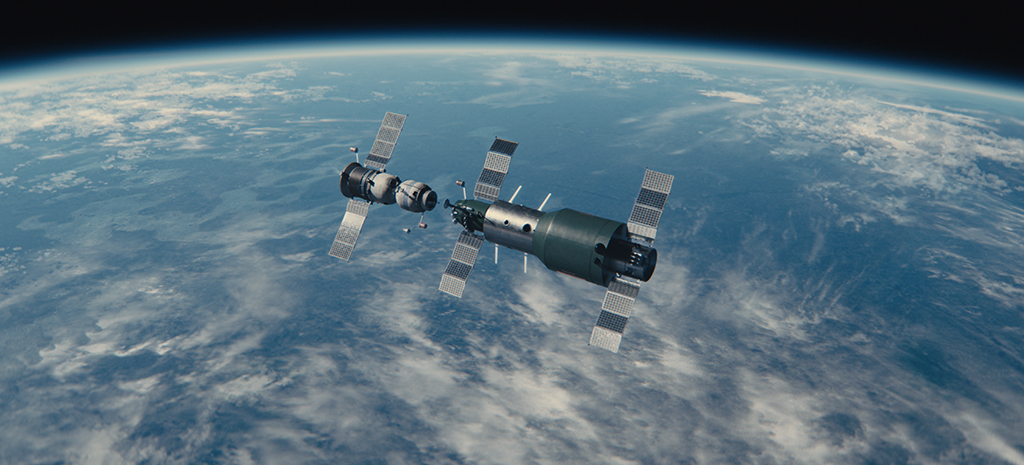
Instead of relying on standard matte paintings, artists compiled an extensive library of extracted cloud textures derived from real-world weather systems viewed from space. These high-resolution textures were mapped onto a 3D digital Earth and utilized to drive a volumetric shader within Terragen. By processing all global views through the same unified shader settings, lighting engine, and render pipeline, DNEG achieved remarkable visual consistency across all episodes. This technique reached its zenith in Episode 107 during the orbital docking sequence, where the fidelity of planetary cloud formations and overall photorealism established a new aesthetic benchmark for the production.
Concluding the suite of orbital sequences, the Soyuz-Salyut-1 docking sequence pays homage to classic cinematic science fiction, channeling the measured pacing and visual serenity of 2001: A Space Odyssey. Featuring a static, unhurried camera, visible solar reflections on structural paneling, and RCS thruster smoke venting into the vacuum of space, the scene avoids frantic camera movement in favor of prolonged, atmospheric framing. Through a combination of rigorous historical research, innovative procedural workflows, and profound attention to period detail, DNEG’s visual effects contributions successfully anchor Star City in a gritty, believable alternate reality, enriching the broader For All Mankind television universe.
Related posts: