Instagram Unveils Direct Amazon Affiliate Integration to Supercharge Creator Monetization

The digital creator economy is undergoing a massive structural shift as platforms fiercely compete for top-tier talent and high-engagement content. In a major strategic move, Meta-owned Instagram announced on Monday the rollout of a native integration that allows creators to embed Amazon affiliate links directly into their Reels and main feed posts. This development marks a departure from traditional social commerce limitations, offering creators an unprecedented avenue to monetize their content at scale while streamlining the consumer shopping journey.
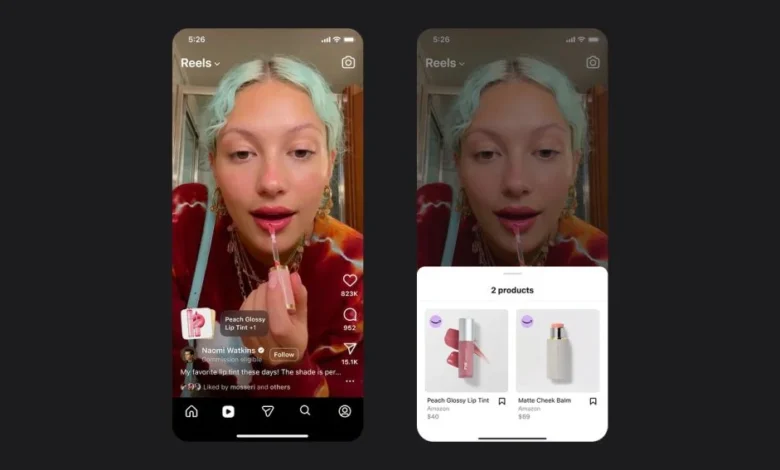
Under the terms of the new feature, creators can feature up to 30 distinct products per Reel and up to 20 products per feed post. By removing friction from the purchasing process and enabling multi-product tagging within a single piece of media, Instagram is positioning itself as a dominant force in the booming social commerce ecosystem. As platforms like TikTok, YouTube, and Pinterest aggressively court influencers with robust shopping features, Instagram’s latest update underscores its commitment to retaining creators by maximizing their earning potential.
Main Facts and Mechanics of the Integration
The new Amazon affiliate integration is designed to bridge the gap between content discovery and seamless e-commerce transactions. Previously, creators relying on affiliate marketing were restricted to placing links in high-friction locations, such as their profile bios, temporary Instagram Stories, or direct messages. While these methods generated substantial revenue for seasoned influencers, they required users to navigate away from the content they were currently enjoying to complete a purchase.
With the new update, eligible creators can connect their Instagram professional accounts with their Amazon Influencer or Amazon Associates accounts directly through the platform’s Professional Dashboard. Once linked, the technical workflow is heavily automated:
- Automatic Affiliate Attribution: When a creator tags an Amazon product in their Reel or feed post, Instagram automatically applies the correct affiliate attribution, even if the creator simply pastes a standard product URL. This eliminates past technical hurdles where specialized, lengthy affiliate tracking links were strictly required.
- Visual Enhancements: Connected affiliates unlock rich image previews for their tagged products. This allows viewers to instantly recognize items within the post interface, significantly increasing click-through confidence and conversion rates.
- Transparent Commission Rates: Creators gain visibility into estimated commission rates directly within the app before attaching a product to their content. Payouts and financial management continue to be handled directly by Amazon.
- Zero Platform Fees: Instagram has confirmed that adding products and utilizing these affiliate links is entirely free for creators. The platform does not take a commission on sales, nor does it levy transaction fees, allowing creators to retain 100% of the earnings generated through Amazon’s associate program.
Historical Chronology: The Evolution of Social Commerce on Instagram
To fully understand the significance of this latest integration, it is essential to examine the historical trajectory of Instagram’s commerce strategy over the past decade.
- 2014–2016 (The Early Ad Days): Instagram initially operated as a purely visual discovery platform with strict restrictions on outbound links. Creators and brands famously relied on the "link in bio" workaround, prompting the birth of third-party landing page tools designed to aggregate multiple URLs.
- 2017–2019 (Introduction of Shoppable Tags): Recognizing the commercial intent of its user base, Instagram rolled out shoppable tags for brands, allowing businesses to tag products in organic feed posts and Stories. However, these tools were primarily tailored to traditional corporate retailers rather than individual content creators.
- 2020–2022 (The Creator Economy Boom): Fuelled by the COVID-19 pandemic and the explosive rise of short-form video through Reels, influencer marketing matured into a multi-billion-dollar industry. Instagram launched native creator affiliate programs, though they remained constrained by placement limitations like Stories and DMs.
- 2023–Present (Native Deep Integration): Facing intense pressure from TikTok Shop and YouTube Shopping, Meta began aggressively dismantling barriers to creator monetization. The partnership with Amazon represents the pinnacle of this strategy, merging the world’s largest online retailer with one of the world’s most influential visual platforms.
Supporting Data and User Behavior Insights
Internal metrics provided by Meta highlight why this integration represents a transformative leap for digital marketers. According to data shared with industry publication TechCrunch, product links embedded directly into Reels and feed posts generate roughly double the click-through rates of links confined to a creator’s profile bio.
This statistical disparity is rooted in human psychology and user experience design. When a user watches a product review, a fashion haul, or a lifestyle vlog on Reels, their commercial intent is at its peak. Requiring the user to exit the video, navigate to the profile, and click an external link introduces high friction, resulting in significant user drop-off. By placing the product catalog directly at the point of media consumption, Instagram reduces the user journey to a single tap, which naturally yields higher conversion volumes for creators and higher sales volumes for Amazon.
Furthermore, industry analysts point out that multi-product tagging addresses a major efficiency gap. Content creators frequently showcase entire outfits, room makeovers, or tech setups comprising dozens of individual items. Allowing up to 30 products per Reel ensures that comprehensive reviews and tutorials can be fully monetized without forcing creators to fragment their content into disjointed multi-part series simply to accommodate link limitations.
Strategic Implications and Market Competition
The timing of Instagram’s Amazon integration is far from accidental. The battle for digital creator talent has intensified into an all-out war between Meta, ByteDance (TikTok), and Google (YouTube). Each platform is acutely aware that creators dictate user attention, and user attention dictates advertising and commerce revenue.
TikTok has made aggressive strides in social commerce through TikTok Shop, allowing users to purchase products without ever leaving the application. While TikTok’s closed-loop ecosystem keeps transactions internal, Instagram’s approach leverages Amazon’s unmatched logistical infrastructure and consumer trust. By integrating directly with the retail giant, Instagram avoids the immense overhead of building a proprietary fulfillment and merchant network while immediately offering creators access to the world’s most robust affiliate ecosystem.
For Amazon, this partnership serves as a powerful top-of-funnel marketing engine. As younger demographics increasingly use social media platforms as their primary search engines—bypassing traditional Google searches or even the Amazon app homepage—securing native placement inside Instagram Reels and posts ensures that Amazon remains the default destination for social-driven consumer purchases.
Expert Reactions and Industry Outlook
While official statements from Meta and Amazon emphasize empowerment and user experience, independent digital marketing experts and influencer agents have weighed in on the broader implications of the move.
Industry analysts suggest that this integration will democratize high-level affiliate marketing. Historically, setting up complex multi-product affiliate campaigns required technical proficiency and tedious link management. By automating attribution and introducing visual previews, Instagram is lowering the barrier to entry, enabling micro-influencers and emerging creators to monetize their content with the efficiency previously reserved for top-tier mega-influencers.
However, some consumer advocates and platform watchdogs have raised questions regarding transparency and the potential saturation of commercial content. With up to 30 products taggable in a single short-form video, users may experience an increase in highly commercialized feeds. Platforms will need to carefully balance organic entertainment with monetization features to ensure user trust and engagement remain high over the long term.
As the lines between entertainment, community, and retail continue to blur, Instagram’s direct Amazon affiliate integration signals a new era for digital publishing. By making shopping as frictionless as scrolling, Meta has provided its creator ecosystem with a powerful new tool, permanently altering how products are recommended, discovered, and purchased online.
Related posts: