The Comprehensive 2026 Social Media Landscape: A Strategic Guide to Global Platforms and Digital Engagement

The sheer velocity at which the digital landscape shifts has rendered the traditional "be everywhere" marketing strategy obsolete. As of November 2026, there are more than two dozen major social media platforms competing for global attention, each with distinct user behaviors, algorithmic priorities, and demographic concentrations. For businesses, creators, and personal brands, the challenge is no longer about maximizing reach across all channels, but rather identifying the specific digital ecosystems that offer the highest return on investment. With nearly 5 billion people active on social media globally, understanding the nuances of these platforms is essential for effective communication.
The Evolution of the Digital Social Ecosystem
The current social media environment has evolved from the early days of simple status updates to a complex web of commerce, real-time news, and decentralized networking. A retrospective analysis of the last five years reveals a clear trend: fragmentation. Users are moving away from monolithic "town square" platforms in favor of niche communities and private messaging environments.
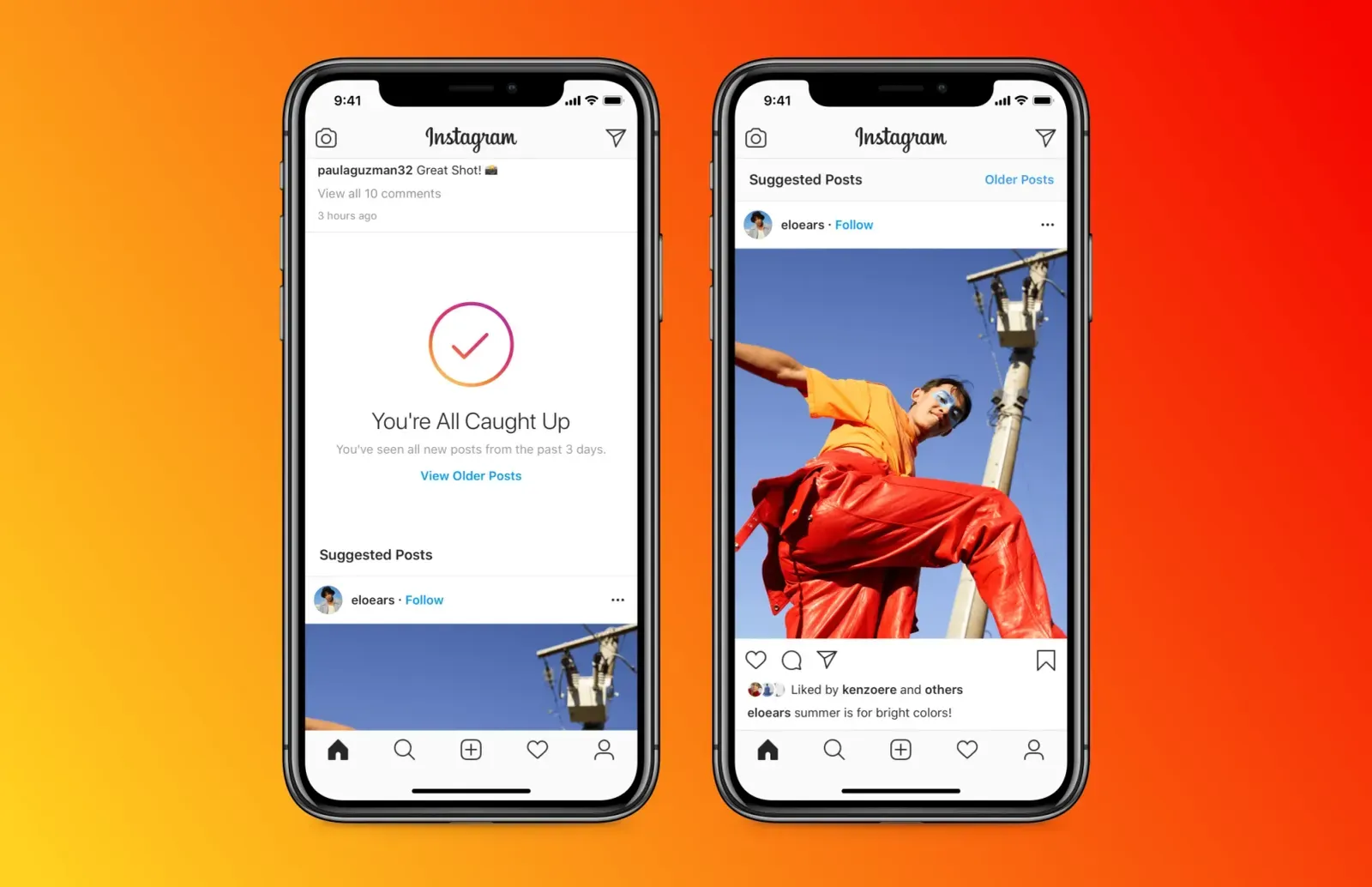
In 2026, the market is characterized by three distinct categories: the Meta-dominated giants (Facebook, Instagram, WhatsApp), the short-form video disruptors (TikTok, Douyin, Kuaishou), and the emerging decentralized alternatives (Bluesky, Mastodon). This transition was accelerated by shifts in data privacy legislation and a growing user fatigue toward centralized, algorithmically-heavy feeds.
Data Overview: The Global Monthly Active User (MAU) Landscape
The following data, reviewed as of November 2026, categorizes the top platforms by their reach. While audience size is a key metric, the quality of engagement remains the primary indicator of a platform’s utility for brand development.
| Platform | Monthly Active Users (MAU) | Primary Content Format | Strategic Value |
|---|---|---|---|
| 3.07 Billion | Text, Video, Reels | General Brand Presence | |
| 3 Billion | Reels, Stories | Visual Storytelling | |
| 3 Billion | Messaging, Catalogs | Customer Support | |
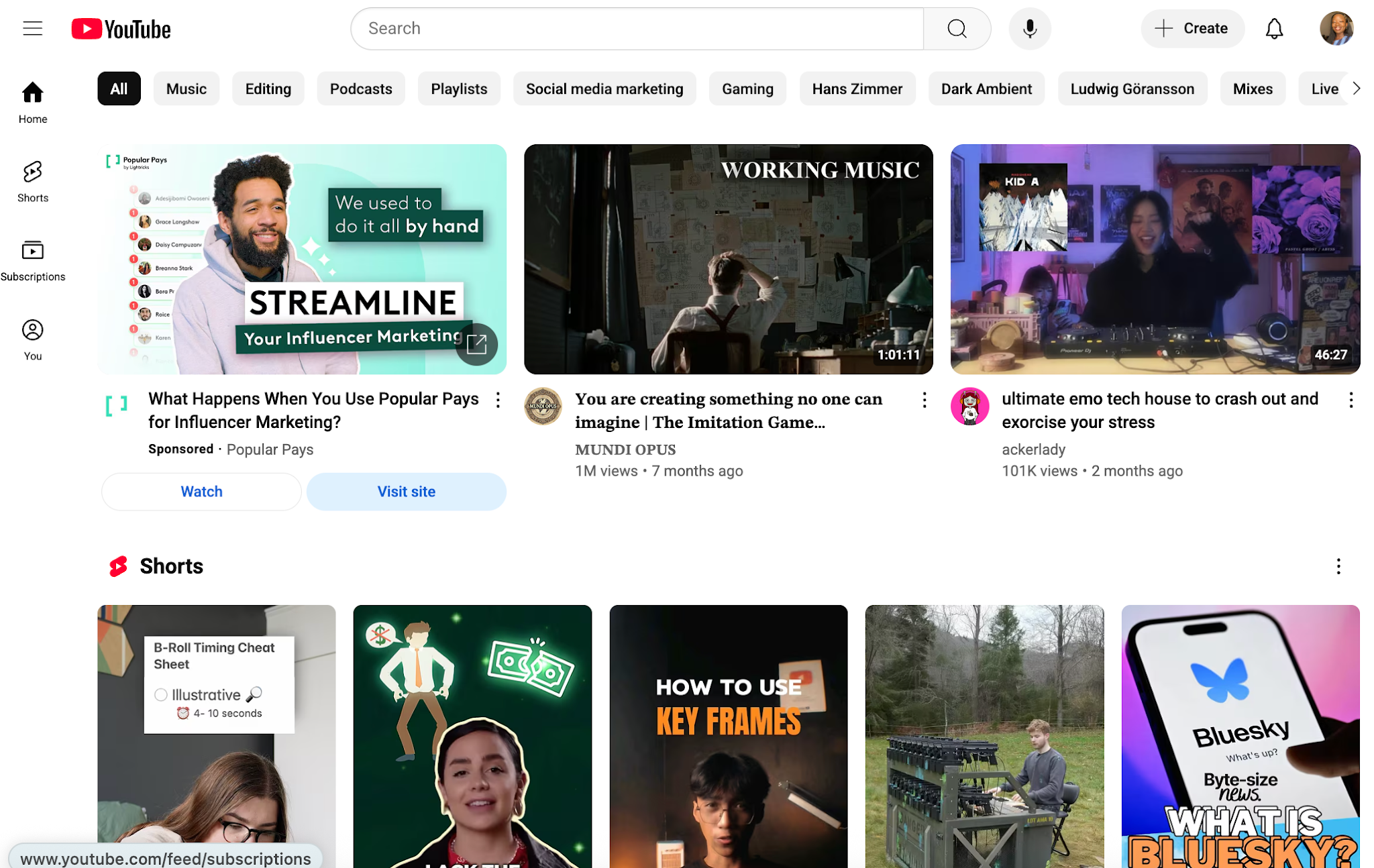
| YouTube | 2.6 Billion | Long-form, Shorts | Video SEO |
| TikTok | 2 Billion | Short-form Video | Trend Engagement |
| 1.4 Billion | Messaging, Mini-apps | Chinese Market Reach | |
| Telegram | 1 Billion | Channels, Bots | Broadcast Messaging |
| 765 Million | Text, Discussion | Community Insights |
The Dominance of the Meta Ecosystem
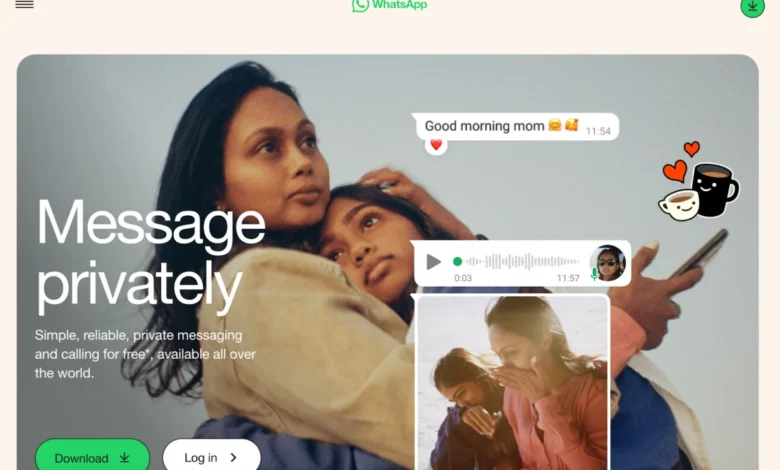
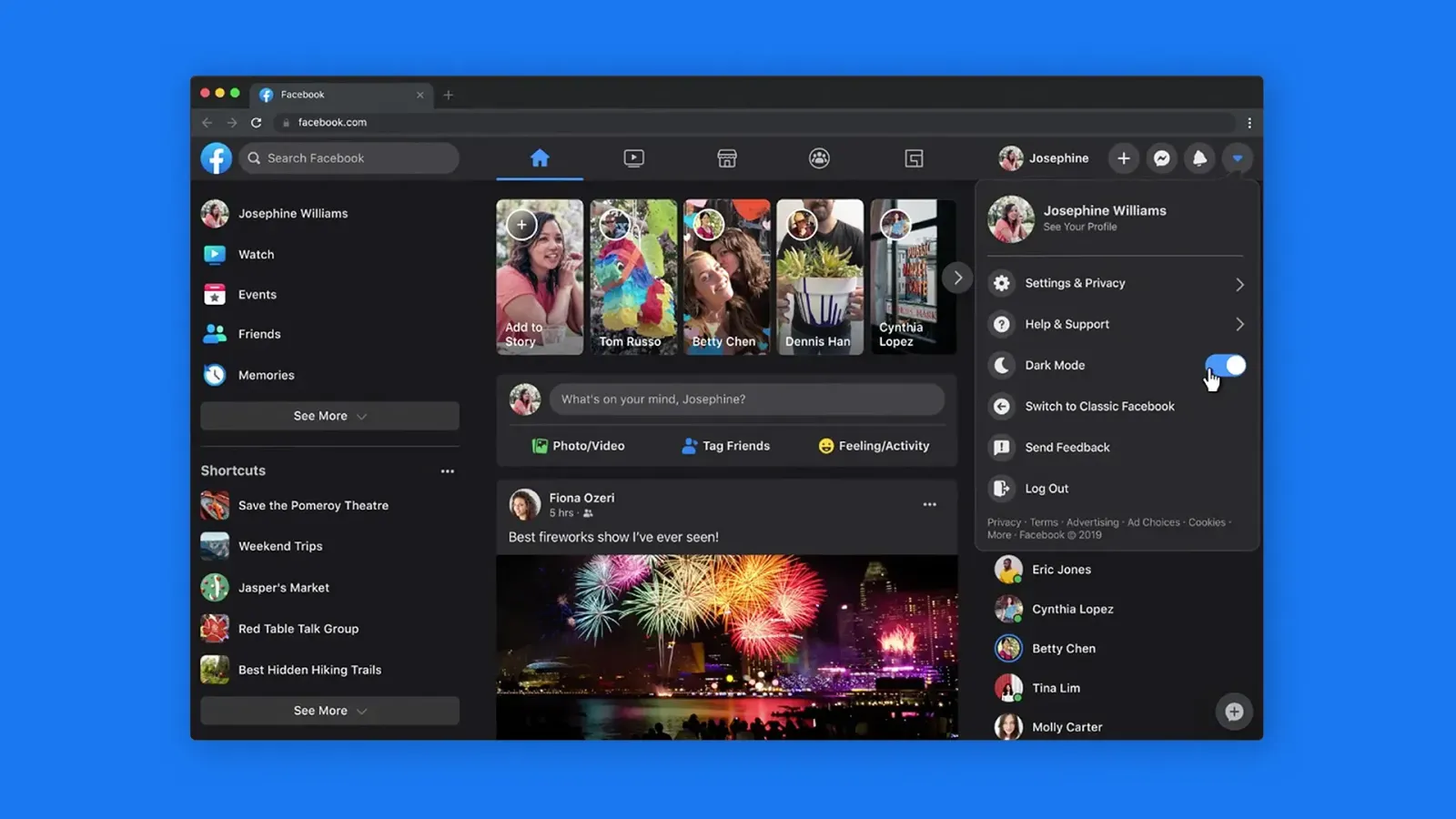
Meta Platforms, Inc. maintains an unparalleled hold on the global market, with Facebook, Instagram, and WhatsApp each commanding 3 billion users. This trifecta offers a seamless, albeit walled, garden for marketers. Facebook remains the bedrock for older demographics and community-focused groups, while Instagram has cemented its role as the premier destination for visual commerce.
Industry analysts observe that the integration of cross-platform features—such as the ability to sync content across Threads, Instagram, and Facebook—has allowed Meta to retain users who might otherwise migrate to standalone competitors. However, the regulatory environment remains a point of friction, with ongoing scrutiny regarding data privacy and the impact of algorithmic feeds on adolescent mental health.

The Rise of Short-Form Video and Social Commerce
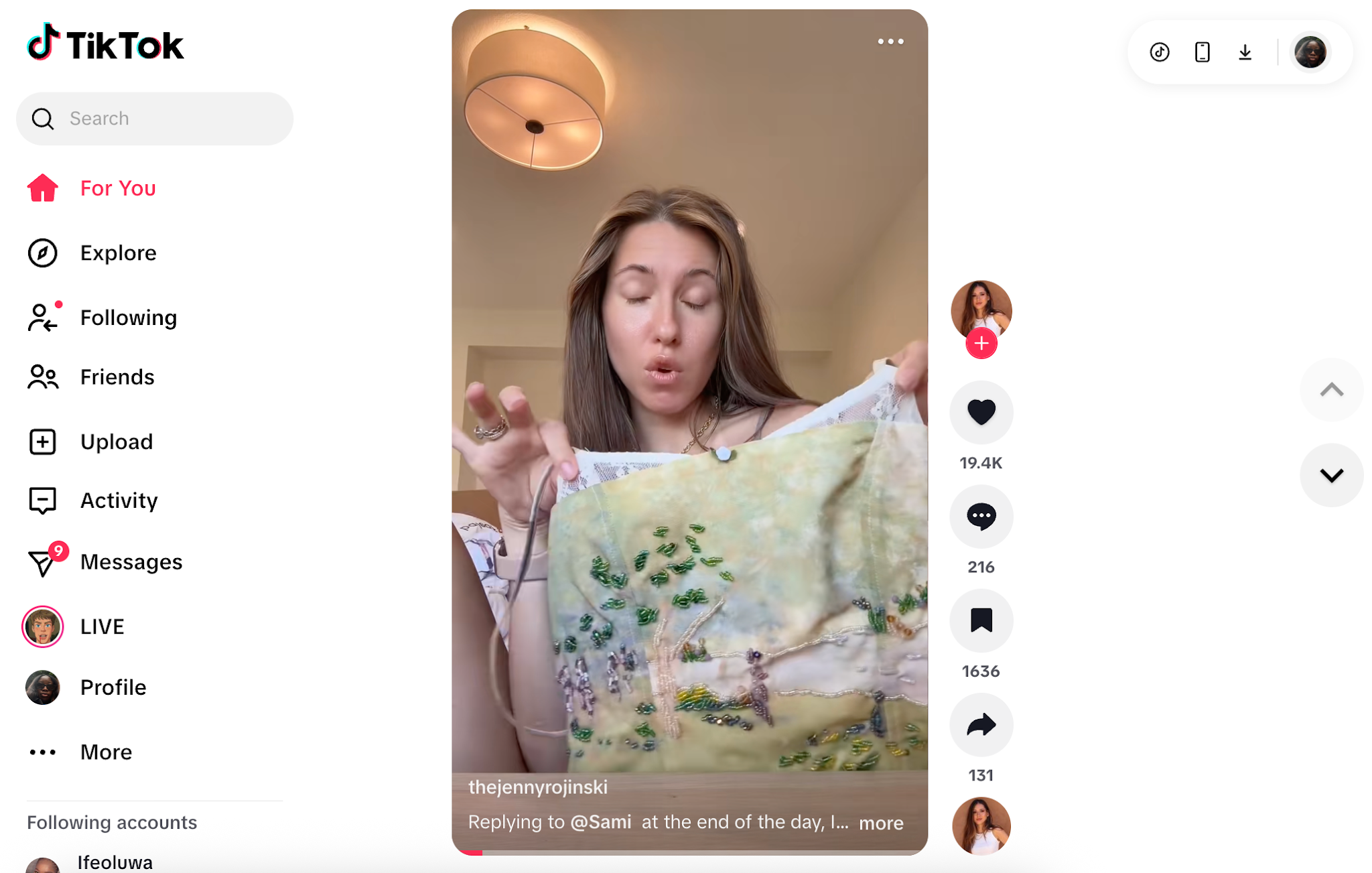
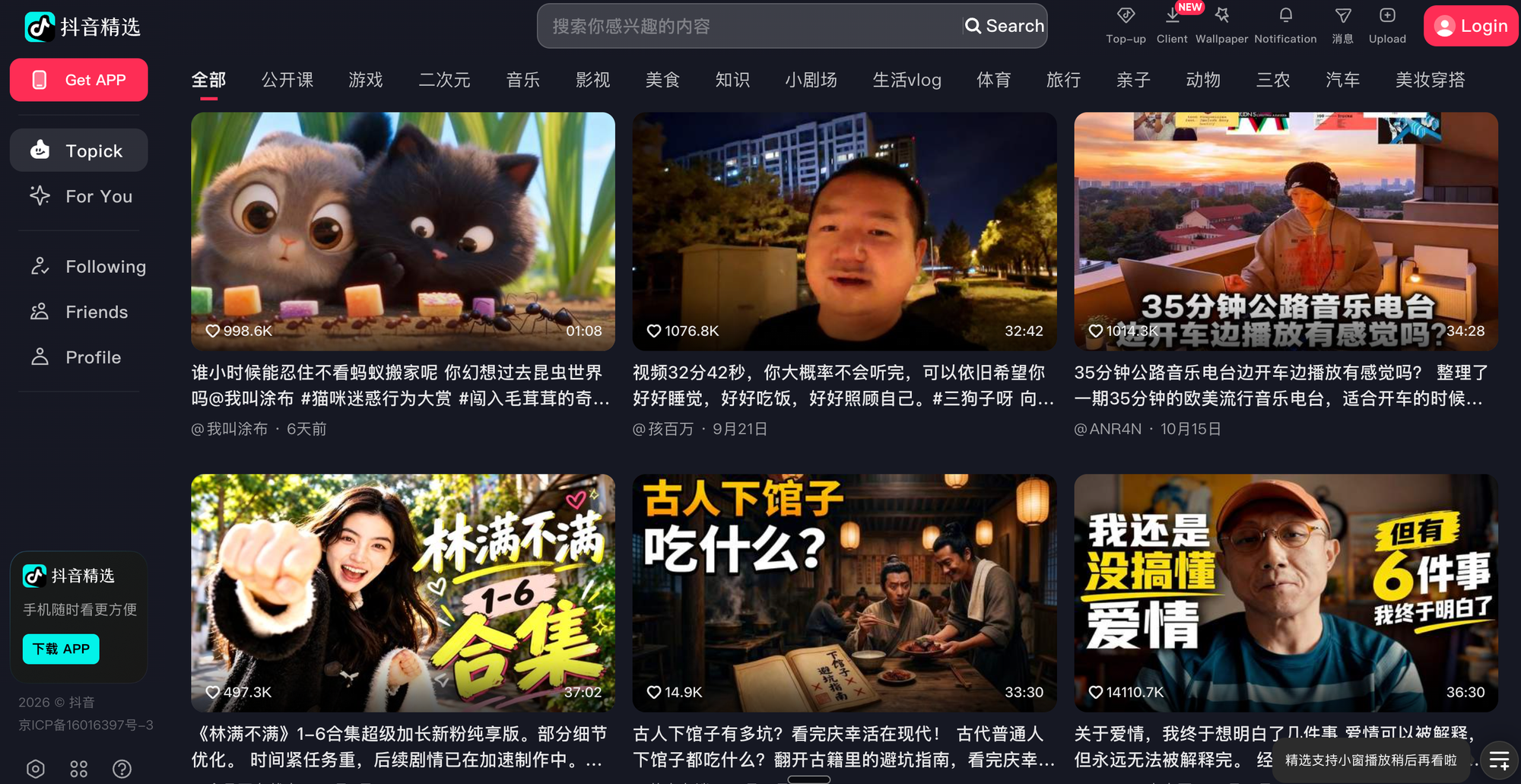
The rise of TikTok and its Chinese counterpart, Douyin, has fundamentally altered the consumer attention span. With 2 billion and 860 million users respectively, these platforms have pioneered "discovery-based" algorithms that prioritize content relevance over social graph connections.
In China, the integration of social media and e-commerce is the global gold standard. Platforms like Kuaishou (797 million MAU) and RedNote (350 million MAU) operate on a model where entertainment, social interaction, and direct checkout occur within the same interface. This model is rapidly being exported to Western markets through the expansion of "TikTok Shop" and Instagram’s revamped checkout features, signaling a future where social media acts as the primary gateway for global retail.
Professional Networking and Niche Community Building
While mass-market platforms dominate in volume, professional and interest-based platforms are seeing record engagement. LinkedIn, with 433 million users, has transitioned from a job-board site to a robust content-creation engine. Recent data indicates that professional-grade content—specifically carousels and industry-expert long-form posts—now generates higher engagement rates than generic corporate updates.
Conversely, decentralized platforms like Bluesky (10.4 million MAU) and Mastodon (743,000 MAU) represent a burgeoning "open web" movement. While their user bases remain small compared to the giants, they attract highly active, tech-literate, and influential demographics. For organizations looking to engage with specific subcultures, these platforms offer a lower-noise environment where authentic interaction is prioritized over paid advertising reach.
Strategic Implications: Less is More
The most critical takeaway for 2026 is the necessity of platform selection. Attempting to maintain a presence on 24 platforms simultaneously often leads to diluted messaging and operational burnout. The most successful strategies follow a "two-to-three" rule:
- Identify the Hub: Select one primary platform that aligns with your core content capability (e.g., YouTube for long-form video, LinkedIn for professional expertise).
- Select a Secondary Support: Choose a secondary platform that complements the first (e.g., Instagram to support a visual brand or WhatsApp for direct customer communication).
- Commit to Consistency: Consistency is the primary factor in algorithmic favor. Whether posting once a week or five times a week, a stable rhythm provides the data necessary to refine strategy.
Future-Proofing Your Digital Presence
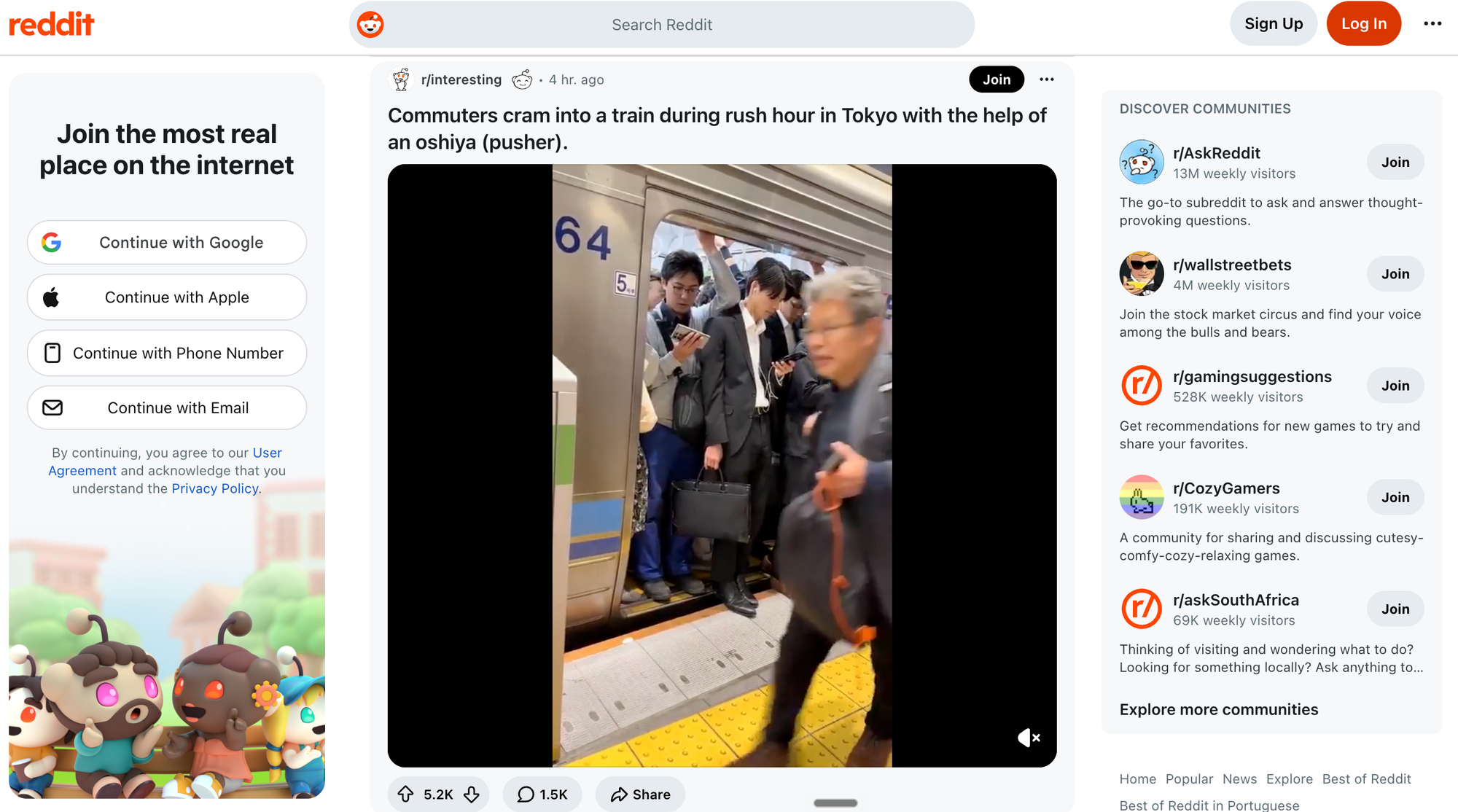
Looking toward 2027 and beyond, the focus will likely shift further toward AI-integrated social experiences. We are already seeing the early stages of this with AI-generated avatars in WeChat and search-driven content discovery on Reddit.

For the modern professional, the strategy for 2026 is clear: prioritize platforms where you can build deep, meaningful relationships rather than just high-volume impressions. By focusing on platforms that match your content style and audience demographic, you move away from the "noise" of global social media and into a space where your brand can provide genuine value.
As platform features continue to converge, the differentiator for success will not be the tools themselves, but the ability to translate digital reach into tangible business outcomes. Whether you are managing a global brand or a personal portfolio, the focus must remain on the audience’s intent. When users come to your chosen platform, are they looking for entertainment, education, or a path to purchase? Answering this question remains the cornerstone of any successful 2026 social media strategy.