The Cat in the Hat Maintains Solid Domestic Standing as Wildwood Hits Major Milestones in Mid-November Box Office Report

The domestic box office landscape for the weekend of November 16, 2026, presents a nuanced picture of the animated feature film market, characterized by the continued endurance of Warner Bros. Pictures Animation’s latest high-profile adaptation and the quiet, steady ascent of an independent stop-motion powerhouse. As the industry navigates the final quarter of the year, these performances provide critical data regarding audience appetites for both major studio intellectual property and specialized, craft-driven storytelling.
The Cat in the Hat: A Challenging Second Frame
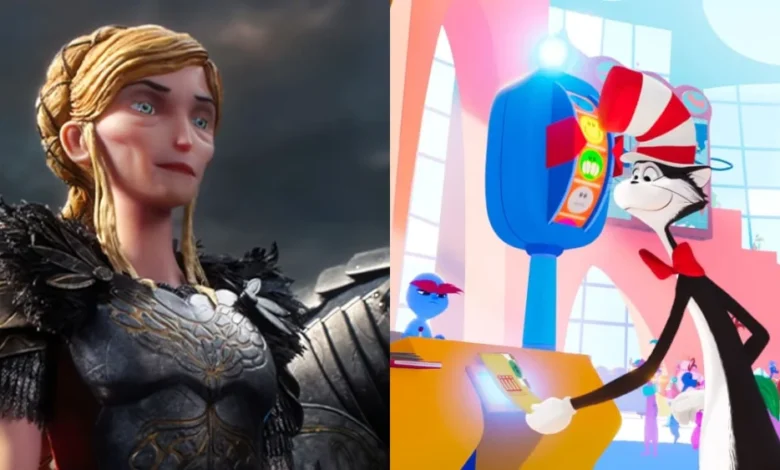
Warner Bros. Pictures Animation’s The Cat in the Hat, directed by the collaborative duo of Alessandro Carloni and Erica Rivinoja, concluded its second weekend in North American theaters with an estimated $11.4 million in ticket sales. While retaining the second-place position at the domestic box office, the film experienced a significant 44% decline from its opening weekend performance of $20.5 million.
For analysts and studio executives, this drop represents a moment of introspection. Despite positive early word-of-mouth indicators and the massive brand recognition inherent in Dr. Seuss’s classic literary property, the film struggled to maintain its opening-week momentum. The challenge of translating beloved illustrated characters into modern, feature-length animation remains a high-stakes endeavor for major studios, and the second-weekend performance suggests that initial interest was driven heavily by the core demographic of families and long-time fans, rather than sustained, broad-spectrum appeal.
On the international stage, the film mirrors its domestic trajectory. After earning $30.5 million in its global debut, the film saw its international footprint contract to $17 million for the weekend. According to data provided by Comscore and Rentrak, The Cat in the Hat currently occupies the third position in the global rankings. It is competing in a crowded, competitive market currently dominated by Ebenezer, which claimed the top spot with a $42 million haul, and the international sensation Ramayana, which secured $38.1 million.
Wildwood: A Quiet Triumph for Stop-Motion Animation
In sharp contrast to the high-volume marketing and wide release strategy of Warner Bros., Laika’s Wildwood continues to defy industry expectations. Directed by Travis Knight, the stop-motion feature entered its fourth weekend of release with a controlled, strategic rollout. Generating an estimated $4.4 million domestically, the film successfully aligned with pre-weekend forecasts provided by distributor Fathom Entertainment.
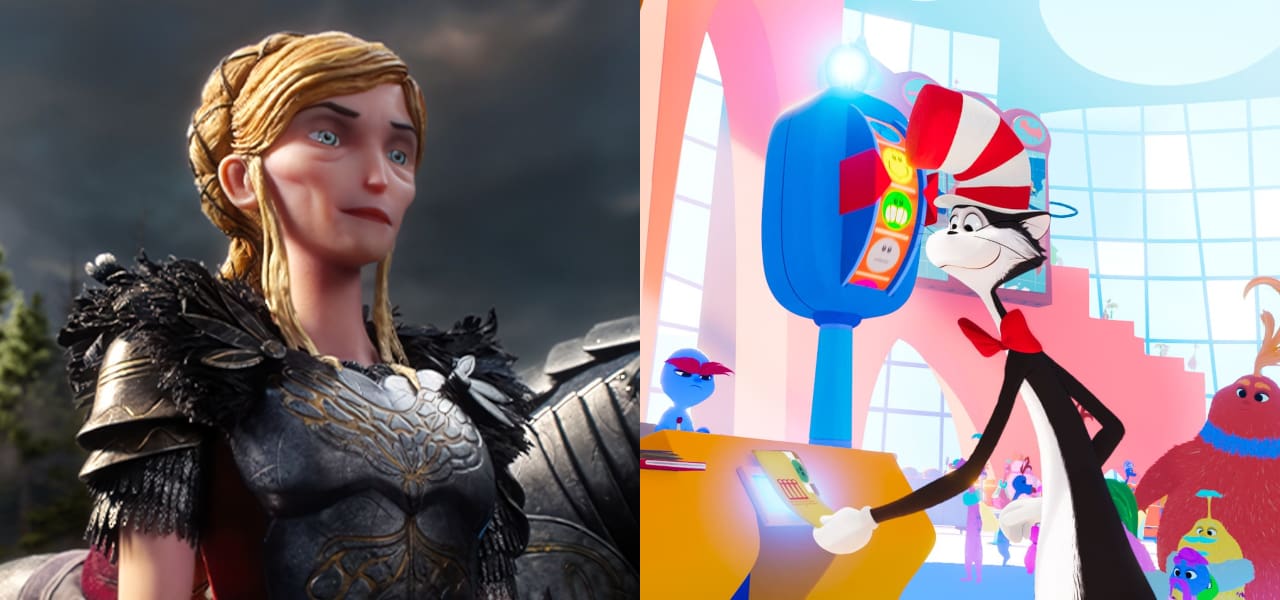
The 39% decline in revenue—a relatively modest drop for an animated feature in its fourth week—highlights the "long-tail" potential of niche animation when supported by dedicated fanbases and critical acclaim. With a total domestic gross now standing at approximately $48.4 million, including $44.5 million from U.S. theaters alone, Wildwood has cemented its status as a significant commercial success for the studio.
Comparative Performance and Historical Context
The performance of Wildwood is particularly noteworthy when placed against the historical output of Laika, a studio renowned for its uncompromising commitment to the tactile artistry of stop-motion. As of November 16, 2026, after 24 days in wide release, Wildwood has officially surpassed the entire original North American theatrical run of the studio’s 2016 film, Kubo and the Two Strings, which concluded its domestic run with $48.02 million.
This achievement is not an isolated success. The current figures indicate that Wildwood is tracking significantly ahead of other celebrated titles in the Laika catalog at identical points in their respective release windows. Specifically, the film has outperformed the cumulative earnings of The Boxtrolls ($46.1 million) and ParaNorman ($45.5 million).
Furthermore, Fathom Entertainment has highlighted an intriguing historical milestone for the film: Wildwood has officially become the highest-grossing PG-13 animated film in North America since 2007. This particular designation places the film in the company of industry benchmarks like The Simpsons Movie and the mo-cap heavy Beowulf. This success suggests a shifting demographic reality where audiences are increasingly willing to engage with animated content that deals with more mature themes, darker aesthetic palettes, and complex narrative structures, moving away from the "all-ages" mandate that has dominated animation for decades.
Market Implications and Future Projections
The bifurcated nature of this weekend’s results offers a broader look at the state of the 2026 animation market. Large-scale studio adaptations, while often backed by massive distribution networks and global marketing budgets, are facing increased scrutiny regarding their "legs"—the ability to sustain interest over multiple weeks. The 44% drop for The Cat in the Hat underscores a reality where brand legacy is not a guaranteed shield against the volatile nature of modern theatrical attendance.
Conversely, the success of Wildwood suggests that the market for "boutique" or artisan-led animation is not only stable but potentially growing. By leaning into its unique identity and utilizing a strategic distribution model, Laika has managed to build a film that feels like an "event" for a specific, loyal audience.

From an economic perspective, the current box office figures reflect a broader industry trend of audience fragmentation. As viewers become more selective with their theatrical spending, the performance of these two films demonstrates that the "middle ground" is shrinking. Films must either function as massive, unavoidable pop-culture phenomena or provide a distinct, high-quality artistic experience that justifies the premium cost of a movie theater ticket.
The Road Ahead
As the year draws to a close, the performance of The Cat in the Hat and Wildwood will be closely watched by industry analysts to determine the viability of their respective strategies. Warner Bros. will likely look to international markets to bolster the total global revenue for its Seuss adaptation, hoping to overcome the domestic cooling effect. Meanwhile, the stakeholders behind Wildwood will look to leverage its critical success and historical standing to extend its theatrical life, likely benefiting from a lack of direct competition in the stop-motion space for the remainder of the holiday season.
The box office data from mid-November 2026 serves as a microcosm of the animation industry’s current evolution. It is a period defined by a tug-of-war between the reliable, franchise-based model of the major studios and the rising influence of craft-focused animation that prioritizes artistic identity. As the final data points for 2026 begin to solidify, it is clear that audiences are signaling a preference for variety—provided that the films, whether massive in scope or intimate in execution, can deliver a compelling reason to visit the cinema.
While The Cat in the Hat remains a dominant player in the current market, its trajectory will serve as a case study for future adaptations. Simultaneously, Wildwood stands as a testament to the fact that, in the modern theatrical environment, prestige, technical mastery, and a clear brand voice can result in sustained financial viability, even when competing against the industry’s most recognizable intellectual properties.