The Reality of YouTube Clipping: A Comprehensive Guide for Creators and Digital Entrepreneurs in 2026

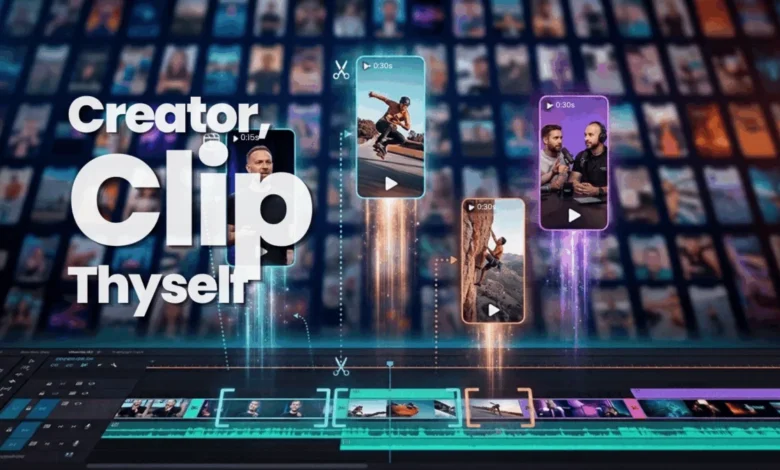
The landscape of content creation on YouTube has shifted significantly throughout 2026, forcing creators to re-evaluate the role of "clipping"—the practice of taking segments from long-form videos, podcasts, or live streams and repackaging them as short-form content. While social media feeds are frequently flooded with promises of easy wealth through clipping, the reality is a nuanced mix of technical challenges, platform policy changes, and evolving monetization models. As YouTube continues to refine its discovery algorithms, the divide between "clipping" as a legitimate growth strategy and "clipping" as a high-risk side hustle has never been wider.
The Evolution of YouTube Clipping: A Chronology of Change
To understand the current state of clipping, one must look at the timeline of events that defined the year 2026. For several years, YouTube provided a native "Clip" button, which allowed viewers to isolate a specific segment of a video to share across social media. However, in April 2026, YouTube officially retired this feature. The company cited a shift in strategy, focusing instead on internal tools that empower creators to perform their own editing and repurposing.
Following this, on October 2, 2026, YouTube implemented a major update to its recommendation algorithm for Shorts. This policy change explicitly targeted content that re-uploads work from other creators without adding significant value or original commentary. The intent was clear: to protect original creators from having their intellectual property siphoned off by third-party channels that offer little in terms of creative input. This move has effectively crippled the business model of many "clip-farm" channels that relied on raw, unedited, or minimally edited content to generate traffic.
The Mechanics of Content Repurposing
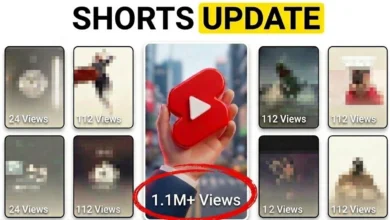
For established creators, the primary form of clipping—repurposing one’s own long-form catalog—remains a highly effective growth tactic. This strategy, often referred to in industry circles as the "Shorts Flood," involves identifying the most engaging segments of a long-form video, such as a high-stakes moment in a stream or a key insight from a podcast, and formatting them for the vertical video player.
The logistical hurdle for many creators is the time-intensive nature of scanning hours of footage to find "gold." This is where automation and AI-assisted tools, such as TubeBuddy’s "Suggested Shorts," have become essential. By analyzing retention data and viewer engagement metrics, these tools can pinpoint the exact timestamps that are most likely to resonate with a new audience. Once identified, these segments are edited to include captions, dynamic framing, and hook-based introductions that satisfy the pacing requirements of the Shorts feed.
The Economics of Third-Party Clipping
For those attempting to make money by clipping the work of others, the financial picture is often less than what is advertised by proponents of "passive income" courses. The ecosystem for this type of work typically operates through content marketplaces, such as Whop’s Content Rewards. In these arrangements, a creator or brand offers a commission to creators who can generate traffic to their primary channels via short-form clips.
According to data reported by Forbes in early 2026, the average payout in this ecosystem hovers around $1.00 per 1,000 views, with some campaigns dipping as low as $0.30. When factoring in platform fees—which can reach 10% or more—the margins become razor-thin. For a creator to earn a meaningful secondary income, they must achieve massive scale. However, the average participant in these programs earns only pennies a day. The "passive" label is largely a misnomer; successful clippers must treat the practice as a full-time, high-volume job, managing multiple accounts and reacting in real-time to trending moments, all while operating under the constant threat of copyright claims.
The Legal and Policy Risks
The risks associated with unauthorized clipping are substantial. From a legal standpoint, re-uploading copyrighted material without explicit permission is a direct violation of YouTube’s Terms of Service and can result in copyright strikes. Three strikes of this nature typically result in the permanent termination of a YouTube account, meaning any revenue generated to that point is forfeited.
Furthermore, even if a creator has permission to use another person’s content, they are not immune to the platform’s "Reused Content" policy. YouTube’s monetization guidelines strictly prohibit the monetization of content that consists of clips "edited together with little or no narrative." Even with the original creator’s blessing, a channel composed entirely of someone else’s clips is unlikely to be approved for the YouTube Partner Program. This creates a trap for many aspiring entrepreneurs: they may secure a legal deal to use the footage, but they remain ineligible to earn revenue directly from YouTube, leaving them entirely dependent on the fluctuating payouts of third-party marketplaces.
Strategic Recommendations for Creators
For creators looking to grow their channels, the most sustainable approach is to focus on their own assets. By viewing their back catalog as a library of potential, they can generate a consistent stream of short-form content that leads viewers back to their primary channel.
If a creator chooses to hire third-party clippers, it is imperative to implement strict brand guidelines. This includes:
- Defined Ownership: Ensuring all rights to the clipped content remain with the primary channel.
- Quality Control: Requiring that clips add original value—such as custom subtitles, context, or visual overlays—rather than just "raw" snippets.
- Transparency: Clearly marking clipped content to ensure audience trust remains high.
- Performance Monitoring: Tracking whether these clips actually convert viewers to long-form subscribers or if they simply consume "vanity metrics" like views without building a loyal community.
Broader Implications for the Creator Economy
The crackdown on low-effort, re-uploaded content signals a broader trend in digital media: the maturation of platform algorithms. As AI-generated and aggregated content becomes more prevalent, platforms are increasingly prioritizing "human-in-the-loop" content. Originality is now a primary ranking factor.
This shift has a direct impact on the viability of the "clip-first" business model. In 2026, the algorithm is significantly better at detecting duplicate content than it was in previous years. Channels that rely on a strategy of mass-producing unoriginal content are experiencing a decline in reach, as the platform favors creators who demonstrate a unique perspective or personality.
Final Assessment
Is clipping dead? Far from it. When used as an extension of a creator’s existing brand, it is a powerful tool for discovery. When used as a shortcut to bypass the hard work of content creation, it is a high-risk endeavor with declining returns.
The data suggests that the most successful digital entrepreneurs of 2026 are those who invest in their own intellectual property. The time spent learning to edit, identify high-retention moments, and build an audience is a long-term investment. Conversely, the time spent chasing pennies in third-party clipping marketplaces is often an exercise in diminishing returns.
For the modern YouTube creator, the path forward is clear: focus on your own content, use technology to optimize your reach, and prioritize the kind of original, high-value material that the algorithm is designed to promote. The "get rich quick" promises of the clipping industry rarely materialize, but the growth potential of a well-managed, original channel remains as potent as ever. As we move further into the latter half of 2026, those who pivot toward sustainability and originality will be the ones who define the next era of online video.