The modern media landscape is undergoing an unprecedented transformation, driven by shifting audience habits, the rapid integration of artificial intelligence, and a growing demand for reliable, verified information. As audiences increasingly consume news through digital devices and living room screens—evidenced by the staggering milestone of over 35 billion hours of news content watched globally on YouTube in 2025 alone—the ecosystem supporting journalism must adapt. More than 12 billion of those viewing hours occurred directly on connected televisions, reflecting a permanent shift in how households access broadcast and digital-first reporting.
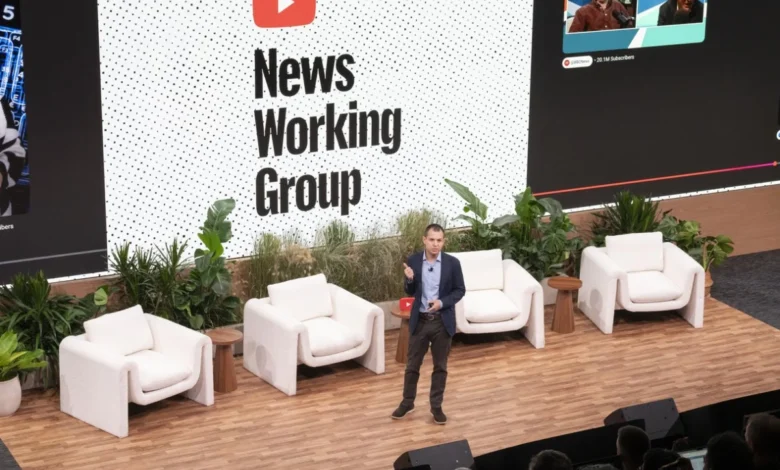
Recognizing this seismic shift, YouTube convened its 14th annual News Working Group in New York City. The high-profile gathering brought together more than 100 top global news publishers, independent journalists, and digital media executives to address the industry’s most pressing challenges. Against the backdrop of these discussions, the platform unveiled a comprehensive suite of strategic updates designed to empower newsrooms. These initiatives focus on three critical pillars: equipping reporters with advanced creative and analytical tools, diversifying sustainable revenue streams for modern publishers, and safeguarding journalistic identity and trust in an era defined by generative artificial intelligence.
The Evolution of Digital Journalism and the Genesis of the YouTube News Working Group
To understand the weight of these new announcements, one must examine the evolution of the YouTube News Working Group. Established over a decade ago, the forum was created to bridge the gap between Silicon Valley tech infrastructure and traditional newsroom operations. Over the years, the initiative has grown from a modest advisory roundtable into a premier international summit where legacy media giants—such as Dow Jones, the BBC, and Reuters—collaborate directly with independent digital creators who form the bedrock of the modern information ecosystem.
The urgency for such collaboration has never been greater. Traditional publishing revenue models rooted in print advertising and static paywalls have faced continuous disruption, forcing newsrooms to pivot toward video-first strategies. At the same time, the rise of connected televisions has transformed YouTube from a supplementary web video platform into a primary living room broadcast network. By hosting the 14th Working Group, YouTube sought to address these operational realities head-on, providing tangible technological solutions rather than abstract policy visions.
Empowering Newsrooms with Next-Generation Creation and Distribution Tools
In fast-paced news environments where breaking stories unfold in real time, editorial teams are routinely forced to make split-second decisions regarding packaging, framing, and distribution. To alleviate these pressures, YouTube is rolling out a series of advanced capabilities integrated directly into YouTube Studio, transforming the backend interface into a collaborative digital sounding board.
Central to these upgrades are enhanced Insights and Research destinations designed to help digital news teams evaluate coverage performance with granular precision. Rather than relying on guesswork, journalists can analyze emerging topics and audience retention curves as stories develop. Furthermore, new drafting feedback features within YouTube Studio provide actionable, AI-assisted input on narrative flow, pacing, and storytelling structure, helping producers refine complex investigative pieces for digital-native audiences.

The platform is also addressing the mechanical hurdles of packaging. New dynamic thumbnail features automatically serve the highest-performing thumbnail variation to distinct audience segments, optimizing click-through rates based on user behavior. Additionally, an upcoming video A/B testing tool will allow newsrooms to experiment with competing hooks, visual formatting, and narrative structures before fully committing a video to their core feed.
Complementing these features is "Ask Studio," a tool capable of reviewing historical coverage archives to suggest refreshed thumbnails and metadata. This functionality breathes new life into evergreen reporting, introducing foundational investigative pieces to entirely new demographics of viewers who may have missed the initial broadcast.
Cassie Thornton, Vice President of Video and Strategy Operations at Dow Jones, underscored the operational impact of these integrations. "Fast-moving news cycles require us to make split-second editorial and packaging decisions daily," Thornton noted. "The integrations of insights and feedback will allow our digital teams to optimize our coverage performance, ensuring our reporting finds its audience."
Diversifying Revenue Streams for the Modern Newsroom
While audience reach is critical, long-term industry sustainability hinges on reliable monetization. As programmatic advertising yields fluctuate across the digital ecosystem, news organizations are increasingly prioritizing direct-to-consumer revenue models that cultivate loyal, paying communities.
YouTube is addressing this imperative by expanding its suite of creator monetization tools, most notably Channel Memberships. Over the past five years, the feature has successfully driven more than $1.5 billion in direct payouts to creators globally, demonstrating that digital audiences are willing to pay a recurring monthly fee to support trusted investigative reporting.
To help news organizations maximize this potential, YouTube is introducing several structural enhancements to Channel Memberships. Publishers will now have access to a dedicated in-app hub designed exclusively for subscriber-only content, streamlining the user experience for paying members. Furthermore, the platform is rolling out video previews that allow prospective supporters to watch a brief snippet of exclusive reporting before committing to a monthly subscription.
Perhaps most importantly for journalistic integrity and community building, YouTube is launching members-only community spaces. These dedicated forums enable journalists and newsroom teams to interact directly with their core supporters, host discussions, share behind-the-scenes reporting notes, and foster a deeper sense of shared civic purpose.
Safeguarding Journalistic Identity and Trust in the AI Era

While generative artificial intelligence offers powerful efficiencies for content creation, it also introduces profound vulnerabilities, particularly the proliferation of deepfakes and unauthorized digital impersonations. In the realm of journalism, where credibility is the primary currency, the ability to protect a reporter’s likeness and voice is an existential necessity.
Acknowledging these stakes, YouTube is expanding its security infrastructure to defend journalists and civic leaders against malicious digital manipulation. Building upon existing visual Likeness Detection tools, the platform will soon integrate speaking voice detection with facial recognition technology. This dual-layer approach significantly improves match accuracy, laying the groundwork for robust, automated voice protections across the platform.
Moreover, to ensure newsrooms can respond swiftly to emerging impersonation threats, YouTube is making its Likeness Detection suite directly accessible within the mobile YouTube app. This mobility allows editors and independent reporters to set up monitoring parameters, review potential violations, and take immediate action while reporting from the field.
Jon Laurence, Vice President of Production at Newpress, emphasized the vital importance of these safeguards. "If someone can fake my likeness to report false news, trust is instantly questioned," Laurence stated. "YouTube has shown real leadership with these tools—which are critical for protecting our work and defending our identity at the pace the AI era requires."
Broader Industry Implications and Future Outlook
The convergence of advanced creation analytics, diversified monetization models, and robust security protocols points toward a fundamental maturation of digital journalism. As platforms like YouTube transition from mere hosting sites to active partners in the newsgathering process, the relationship between tech infrastructure and traditional publishing is being irrevocably redrawn.
Industry analysts suggest that these tools could provide a much-needed financial and operational lifeline for regional and independent newsrooms struggling to maintain profit margins in a fragmented media market. By democratizing access to sophisticated A/B testing, dynamic packaging, and enterprise-grade security, YouTube is helping to level the playing field between legacy broadcasters and agile digital-first startups.
However, challenges remain. The reliance on platform-specific algorithms and monetization frameworks requires news organizations to carefully balance algorithmic optimization with editorial independence. Furthermore, the ongoing battle against AI-generated misinformation will demand continuous adaptation from both tech platforms and regulatory bodies.
Nevertheless, the 14th News Working Group signaled a proactive approach to these challenges. By focusing on practical utility—helping reporters tell better stories, securing reliable revenue, and defending institutional trust—YouTube and its publishing partners are laying the groundwork for a more resilient, sustainable future for journalism in the digital age.