Mastering the Art of Lightning Photography: A Comprehensive Guide to Safety, Technique, and Equipment

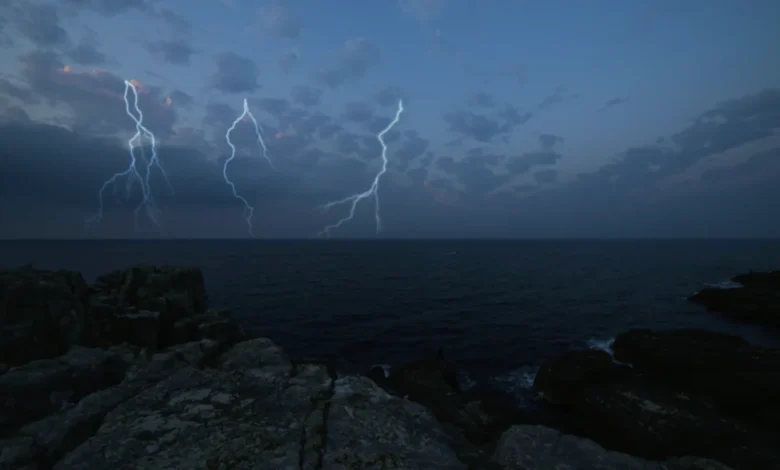
Capturing the raw power of a lightning storm requires a meticulous blend of technical preparation, strategic planning, and an unwavering commitment to personal safety. Because no two electrical discharges are identical, photographers are afforded the opportunity to document unique, transient phenomena that exist for only a fraction of a second. However, the pursuit of these images involves navigating significant environmental risks and complex camera variables. This guide details the professional approach to storm photography, emphasizing the necessity of specialized equipment, precise manual settings, and the critical importance of situational awareness during severe weather events.

Essential Equipment and Technical Requirements
For the professional or dedicated hobbyist, the barrier to entry for lightning photography is relatively low, as most standard interchangeable lens cameras are sufficient. The fundamental toolkit consists of a digital camera with manual exposure capabilities, a wide-angle lens to capture the vastness of the sky, a high-quality tripod, and a remote shutter release. The tripod is non-negotiable; given that lightning photography often requires long-exposure intervals ranging from 5 to 30 seconds, even the slightest vibration will ruin the sharpness of the image.
For those looking to advance their workflow, specialized lightning triggers—often utilizing light-sensitive sensors—can significantly improve the success rate. These devices monitor the atmosphere for the rapid flash of a strike and trigger the shutter mechanism near-instantaneously, bypassing the limitations of human reaction time. While manual operation remains the standard for many, these triggers provide a technical advantage in high-frequency, multi-strike environments.

Meteorological Safety and Risk Mitigation
The primary concern during any lightning photography session is the inherent danger of the weather itself. According to data from the National Oceanic and Atmospheric Administration (NOAA), lightning strikes occur when there is an electrical imbalance between the clouds and the ground. A single bolt can reach temperatures of 50,000 degrees Fahrenheit and carry up to 300 million volts.
Photographers must adhere to the "30/30 rule" for safety: if the time between seeing the flash and hearing the thunder is 30 seconds or less, the lightning is close enough to pose a strike risk, and the individual should seek immediate shelter. A secure, fully enclosed vehicle or a substantial building is the only adequate protection. Avoiding elevated positions, open fields, isolated trees, and bodies of water is critical. Professionals recommend scouting locations in advance during daylight hours to ensure that a rapid evacuation route is established before a storm reaches the immediate vicinity.

Technical Execution: Camera Settings and Optics
Achieving a high-quality lightning image requires abandoning automated camera modes. In the erratic lighting conditions of a storm, automated systems typically struggle to calibrate exposure, leading to underexposed foregrounds or blown-out highlights.
Manual Exposure and Focus
Switching to Manual (M) mode is the industry standard. Autofocus systems frequently fail in low-light, high-contrast conditions, often "hunting" for a subject that does not exist. Photographers should set their lenses to manual focus, adjusting the ring to the infinity mark. A test shot of the horizon is recommended to confirm sharpness.

ISO, Shutter Speed, and Aperture
ISO sensitivity should be kept at the lowest native setting—typically ISO 64 or 100—to minimize digital noise. The aperture should generally be set between f/5.6 and f/8. While a wider aperture (e.g., f/2.8) might seem logical for low light, it often leads to overexposure when the intense light of a strike hits the sensor. Shutter speed acts as the primary variable for "capturing" the strike. By using a long exposure (5 to 30 seconds), the photographer increases the window of probability for a strike to occur during the frame. Because the lightning itself is an intense light source, the duration of the shutter does not necessarily make the bolt "brighter" in the final image, but it does allow for the accumulation of ambient light in the surrounding landscape.
Strategic Composition and Location Scouting
The visual impact of a lightning photograph is heavily dependent on the inclusion of an interesting foreground. A bolt of lightning alone, while impressive, often lacks scale. By incorporating silhouettes of urban architecture, mountains, or coastal features, the photographer provides context and depth.

When scouting, professionals prioritize locations that offer a wide view of the horizon. Using a wide-angle lens is standard practice, as it provides a broader field of view, increasing the statistical likelihood of catching a strike. If the photographer is stationary and has access to multiple bodies, using two cameras with different focal lengths can maximize coverage of the sky, effectively doubling the chances of success.
Chronology of a Storm Session
A successful shoot typically follows a structured timeline:

- Pre-Storm Analysis: Monitoring radar data and local weather warnings hours before the event.
- Setup: Arriving at the location well before the storm hits, setting up the tripod on stable ground, and configuring manual settings.
- Observation: Monitoring the storm’s progression. If the "flash-to-bang" interval drops below 10 seconds, the photographer must prioritize safety over the shot and consider retreating to a vehicle.
- Execution: Running continuous, back-to-back exposures. If lightning frequency is high, shortening the shutter speed to 1–3 seconds prevents the frame from becoming overexposed due to multiple strikes or atmospheric glow.
- Review: Regularly checking the histogram of the images to ensure that the highlights are not clipped and that the foreground detail remains visible.
Broader Implications and Meteorological Data
From a meteorological standpoint, lightning is classified as a "severe hazard" by global weather agencies. The analysis of lightning patterns—such as the difference between cloud-to-cloud and cloud-to-ground strikes—is a significant field of study. For photographers, documenting these strikes can provide data on the geographic intensity of storms. However, the professional consensus remains that no photograph is worth the risk of life. The 300 million volts and 30,000 amps associated with a typical strike leave zero margin for error.
Conclusion and Professional Perspective
The pursuit of the "perfect" lightning strike is an exercise in patience and risk management. It requires the photographer to synthesize complex technical settings while maintaining a high level of situational awareness. As climate patterns shift, the intensity and frequency of severe weather events in certain regions have become more pronounced, providing both more opportunities for photographers and higher risks.

Ultimately, the most successful photographers are those who treat the storm with respect. By preparing the gear in advance, understanding the physics of light exposure, and, above all, respecting the lethal potential of the atmosphere, photographers can transform the chaotic energy of a thunderstorm into a controlled, compelling work of art. The satisfaction of a well-composed, sharp, and dramatic lightning image is the result of methodical preparation meeting the unpredictable timing of nature. Those looking to enter the field are encouraged to start with small, manageable storms, prioritizing their safety as the most vital component of their workflow.