Coyote vs Acme joins the Academy Awards race as animation industry news highlights a week of creative triumphs and somber farewells

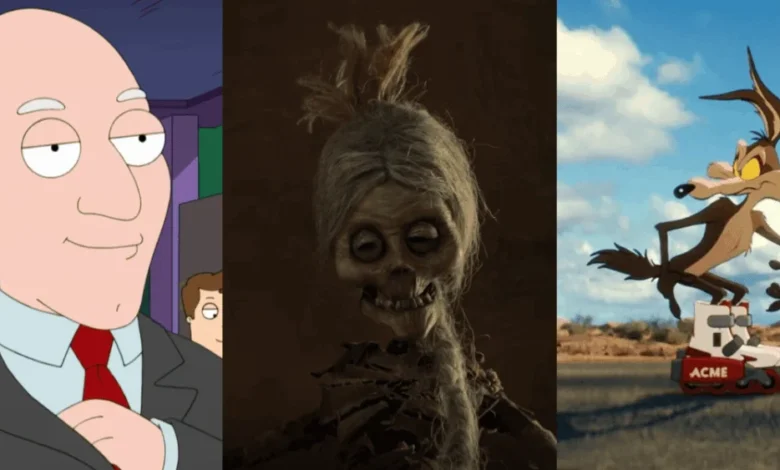
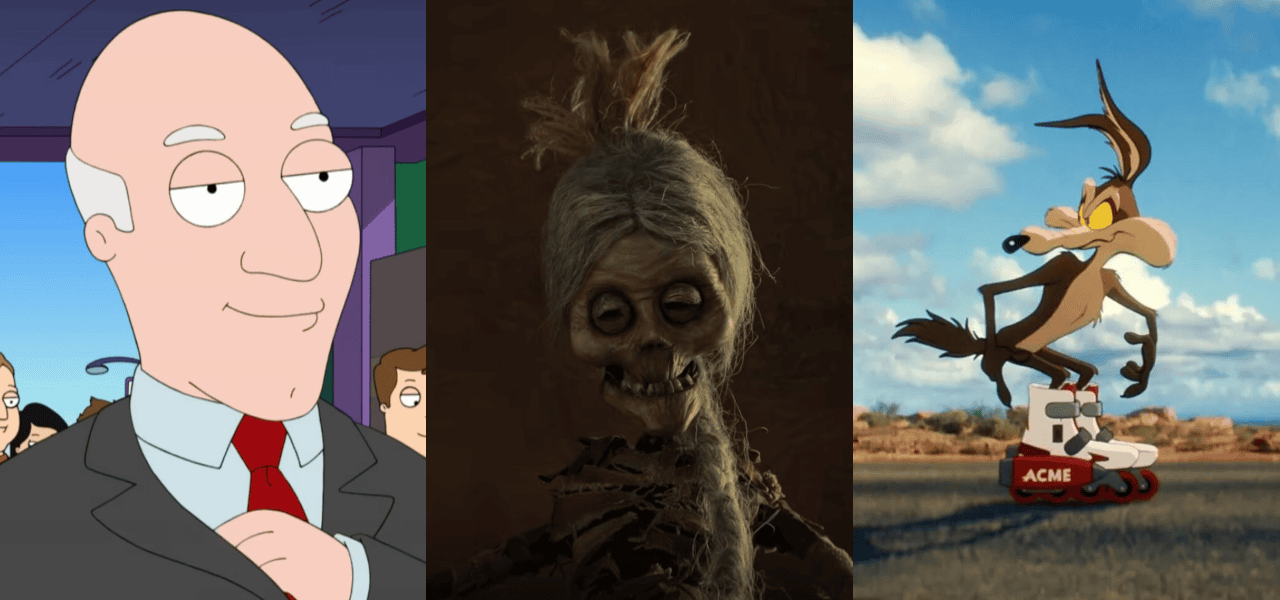
The landscape of the animation industry shifted significantly this week as the feature film Coyote vs. Acme received official clearance from the Academy of Motion Picture Arts and Sciences to compete in the Best Animated Feature category for the upcoming Oscars. This development marks a pivotal turnaround for a project that had previously been sidelined by Warner Bros. Discovery, representing a rare victory for a film that faced a high-profile shelving decision. The film, now being championed by Ketchup Entertainment, is poised to enter a crowded field of contenders, setting the stage for one of the most unpredictable award seasons in recent memory.
The Resurrection of Coyote vs. Acme
The journey of Coyote vs. Acme from a completed project held in limbo to an Oscar contender is unprecedented in modern studio history. In November 2023, Warner Bros. Discovery announced that it would shelve the film, which combines live-action and CGI, as part of a tax write-down strategy—a move that sparked widespread outrage among animators, directors, and fans who argued that the studio was sacrificing artistic labor for short-term financial maneuvering.
Following intense industry pressure and a strategic internal review, the studio reversed its decision to destroy the film, opting instead to allow the producers to shop the title to other distributors. Ketchup Entertainment eventually acquired the rights, and their decision to aggressively pursue an awards campaign signals confidence in the film’s quality and marketability. By meeting the Academy’s stringent requirements for theatrical release and eligibility, the film has bypassed its initial fate as a "lost" asset, becoming a symbol of the resilience of creative teams in an era of corporate consolidation.

A Diverse Week in Global Animation
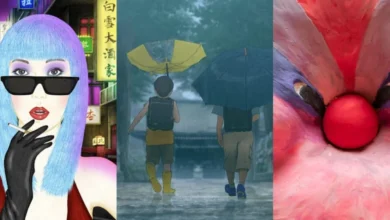
Beyond the drama of awards eligibility, the global animation community is currently seeing a surge in diverse storytelling. This week’s reports highlight the work of Ervin Han, whose horror anthology A Banquet for Hungry Ghosts is gaining traction for its unique intersection of culinary art and supernatural dread. The project exemplifies a growing trend of international productions utilizing animation to explore mature, genre-specific themes that transcend traditional family-oriented demographics.
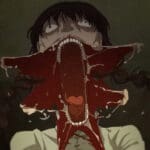
Simultaneously, the industry is witnessing the expansion of prestige anime. Atsushi Nishigori’s work on CloverWorks’ Grotesqqque provides a masterclass in genre-blending, incorporating elements of battle royale, science fiction, and gothic romance. These projects represent a shift in how studios view international content, moving away from purely commercial formulas toward more auteur-driven, stylistic narratives that find global audiences through streaming platforms and boutique theatrical runs.

Furthermore, the recent release of Cecilia Andalón Delgadillo’s stop-motion feature Dolores highlights the enduring power of tactile, artisanal filmmaking. Stop-motion, often considered a high-risk, high-cost endeavor, continues to serve as a bellwether for artistic integrity in the industry, proving that even smaller-scale productions can achieve critical recognition and cultural impact when given the proper distribution channels.
Industry Commentary and the Risk-Aversion Crisis
The optimism surrounding these films is tempered by a broader, more critical conversation regarding the state of the industry. Legendary director Rintaro, whose seminal works like Metropolis and Galaxy Express 999 helped define the modern anime aesthetic, recently offered a sobering assessment of the current production climate. In recent industry discussions, the director expressed concern over a pervasive culture of risk-aversion among major studios.

Rintaro argued that the contemporary push toward remakes, sequels, and established intellectual property (IP) is stifling the growth of new talent and original voices. This concern is shared by many veteran animators who fear that the reliance on algorithms and data-driven greenlighting processes is eroding the "human touch" that once characterized major studio productions. The industry is currently at a crossroads, balancing the financial safety of legacy brands with the artistic necessity of original, risky storytelling.
Bridging the Gap: Traditional Craft in Modern Advertising
Amidst these structural debates, there remain pockets of the industry where traditional craftsmanship is still highly valued. The recent Prada holiday campaign, helmed by veteran animator John Pomeroy, serves as a poignant reminder of the enduring elegance of hand-drawn animation. By reuniting a cadre of veteran animators to produce 2D content for a high-end fashion brand, the project underscored the premium value of classic techniques in a digital-first marketplace.

This initiative provides a counter-narrative to the idea that hand-drawn animation is an obsolete medium. Instead, it positions traditional craft as a luxury, high-value asset that distinguishes a brand from the saturated landscape of AI-generated and motion-captured content. The success of this campaign may serve as a roadmap for other studios and brands looking to differentiate their visual identity in a competitive global market.
A Somber Loss for the Voice Acting Community
The industry also faced a profound loss this week with the death of the acclaimed voice actor Patrick Stewart. Known for his versatility and ability to bring depth to both live-action and animated characters, his passing leaves a significant void in the creative world. His contributions to the craft served as a bridge between generations of actors, influencing countless performers who viewed voice acting not merely as a technical skill, but as a fundamental pillar of character development. His legacy, marked by a commitment to excellence and a distinct, recognizable delivery, will continue to serve as a standard for future voice actors.
Analytical Overview: Market Implications
The current state of the animation industry can be characterized by this duality: a tension between corporate risk management and creative defiance. The case of Coyote vs. Acme suggests that even when a film is abandoned by its parent studio, the secondary market and awards-track recognition provide a mechanism for vindication. However, the comments from industry veterans suggest that this path is becoming increasingly difficult to traverse.
Data from the past three years shows a consolidation of market share among major animation studios, yet a proliferation of independent studios and international production houses is challenging this hegemony. As the industry approaches the end of 2026, the focus remains on whether these independent and international projects can sustain the momentum generated by their current critical successes.

The shift toward global content consumption means that projects like those mentioned this week are no longer niche; they are vital components of the cultural conversation. Whether it is the horror-inspired narratives of an international anthology or the high-fashion application of classic 2D techniques, the industry is proving that it is capable of significant aesthetic and thematic expansion.
As the Academy Awards season approaches, all eyes will be on the performance of these films. For Coyote vs. Acme, the journey from a tax write-down to a potential Oscar nominee is already a historic narrative. For the industry at large, the coming months will be a test of whether the current appetite for bold, original, and craft-heavy animation can be translated into long-term financial and critical sustainability. The path forward remains complex, but the resilience shown by the artists and directors currently leading these projects suggests a robust, if challenging, future for the medium.