21 Martyrs: An Animated Masterpiece Commemorating Faith and Resilience

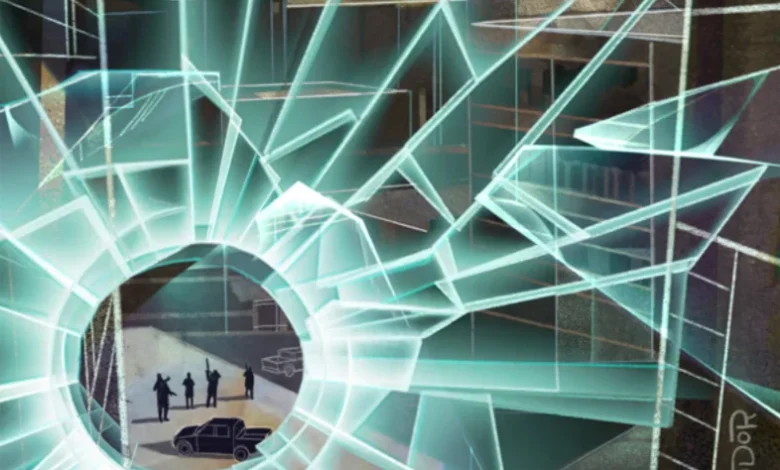
Lesterbanks offers an in-depth examination of "21 Martyrs," a profoundly anticipated Oscar-shortlisted animated film that has captivated critics and audiences alike. This 13-minute cinematic achievement, lauded by animation legend Glen Keane as "powerful, heart-wrenching, challenging, and inspiring… not to mention exquisitely beautiful," stands as the culmination of an extraordinary five-year production journey spanning from 2019 to 2024. Penned and helmed by Tod Polson, the film is further elevated by a hauntingly evocative original soundtrack composed by Sarah and Laura Ayoub, known collectively as The Ayoub Sisters, and meticulous sound design crafted by Giles Lamb. "21 Martyrs" is a testament to global collaboration, drawing creative contributions from artists and technicians across 23 nations, including Egypt, Japan, Canada, and South Africa. With strategic consultation from His Eminence Archbishop Angaelos, Tomm Moore, and Tom Bancroft, the film transcends mere entertainment, establishing itself as a transcendent artistic endeavor that significantly pushes the boundaries of animated storytelling.
The Tragic Inspiration: The 2015 ISIS Beheadings
The genesis of "21 Martyrs" lies in a horrific event that shocked the world in February 2015: the brutal beheading of 21 Coptic Christians by militants affiliated with the Islamic State of Iraq and Syria (ISIS) on a beach in Sirte, Libya. These men, mostly migrant workers from impoverished villages in Upper Egypt, had traveled to Libya in search of employment opportunities to support their families. Their abduction and subsequent execution, meticulously filmed and disseminated by ISIS for propaganda purposes, were acts of unspeakable cruelty designed to terrorize and sow division. The video, titled "A Message Signed With Blood to the Nation of the Cross," explicitly targeted the Christian community, particularly Coptic Orthodox Christians, due to their ancient faith and perceived allegiance to Western nations.
The victims displayed extraordinary courage and unwavering faith in their final moments. Eyewitness accounts and analyses of the ISIS video highlighted their steadfast refusal to renounce their Christian beliefs, with several reportedly uttering "Lord Jesus Christ" as they faced their deaths. This profound display of conviction in the face of overwhelming terror resonated globally, not only within Christian communities but across all faiths and none, as a powerful example of human resilience and spiritual fortitude. The Coptic Orthodox Church, under the leadership of Pope Tawadros II, swiftly recognized these men as martyrs, commemorating them on February 15th in the Coptic Synaxarium (calendar of saints). Their story became a modern testament to martyrdom, deeply impacting countless individuals, including director Tod Polson.
A Director’s Personal Crusade: Tod Polson’s Vision
Tod Polson articulated the profound personal impact the 2015 beheadings had on him, stating, "The 2015 beheading of 21 Coptic Christians by ISIS sent shockwaves across the globe and left a deep, lasting impact on me personally." He found himself deeply moved and inspired by the martyrs’ "steadfast faith in the face of overwhelming terror," describing it as "humbling and deeply inspiring." When the opportunity arose to translate their story into an animated film, Polson embraced it with unwavering commitment.
The creation of "21 Martyrs" was far from a straightforward production. It was an intensive, five-year journey of meticulous research and artistic development. Polson dedicated himself to understanding the nuanced complexities surrounding the event and the lives of the martyrs. His research included extensive interviews with Coptic Christians, providing insight into their faith, culture, and the community’s response to the tragedy. Crucially, he also engaged with former ISIS members and journalists embedded with the Libyan army, seeking to understand the broader geopolitical context and the motivations of the perpetrators. Perhaps most impactful were the hours spent with the families of the martyrs. These intimate conversations allowed Polson to move beyond headlines, gaining a deeper, more human understanding of who these men were—their dreams, their struggles, and their profound devotion. This empathetic immersion was instrumental in shaping the film’s narrative, ensuring it remained rooted in authenticity and respect for the victims and their legacy. Polson’s ambition was clear: "My deepest hope is that The 21 serves as a tribute to the martyrs and their families. In a world that seems more than ever in need of such powerful examples of faith and resilience, I believe their story is more vital than ever."

A Tapestry of Global Talent and Expert Guidance
The production of "21 Martyrs" stands as a remarkable exemplar of international collaboration, embodying the global resonance of its subject matter. Artists, animators, and technicians from 23 countries contributed their expertise, transforming Polson’s vision into a cohesive, impactful narrative. This diverse talent pool, spanning regions from Egypt and Syria to Japan, Canada, South Africa, Ukraine, and the United States, brought a rich tapestry of cultural perspectives and artistic techniques to the project. This multifaceted approach was not merely logistical; it was a deliberate choice to reflect the universal nature of the story’s themes of faith, sacrifice, and humanity.
The film benefited immensely from the insights of distinguished consultants. His Eminence Archbishop Angaelos, the Coptic Orthodox Archbishop of London, provided invaluable guidance on theological and cultural accuracy, ensuring the film respectfully portrayed Coptic Christian traditions and beliefs. His involvement underscored the Coptic Orthodox Church’s implicit endorsement and support for the project. Animation luminaries Tomm Moore, celebrated for his distinctive hand-drawn aesthetic and folklore-inspired films like "Song of the Sea" and "Wolfwalkers," and Tom Bancroft, a veteran Disney animator known for his character design work on classics such as "Mulan" and "The Lion King," offered their extensive animation expertise. Their counsel likely influenced the film’s visual storytelling, character development, and overall artistic direction, marrying a deeply spiritual narrative with world-class animation techniques.
Adding another layer of emotional depth, the film’s score was crafted by the critically acclaimed Ayoub Sisters, Sarah and Laura. Their original soundtrack is described as "hauntingly beautiful," a fitting complement to the film’s profound subject matter. Known for their unique blend of classical and contemporary styles, their music undoubtedly plays a crucial role in enhancing the film’s atmosphere and guiding the audience through its emotional landscape. Giles Lamb’s "evocative sound design" further enriches the auditory experience, creating an immersive world that amplifies the narrative’s intensity and solemnity. The synthesis of these diverse talents and expert guidance forged "21 Martyrs" into a cohesive and powerful artistic statement.
Visual Language: Rooted in Coptic Iconography and Modern Art
Producer Mandi Hart shed light on the meticulous development of the film’s distinctive visual style, which is deeply rooted in traditional Coptic iconography while also drawing inspiration from modern art movements. This deliberate aesthetic choice served to honor the martyrs’ heritage and imbue the film with spiritual depth.
The core influences from Coptic iconography are evident in the film’s use of line, shape, and color. Initially, the production team faced challenges with overly saturated color palettes. This was addressed with the expert guidance of iconographer Nikola Sarić, who developed a specific color palette that became a foundational guide for the concept sketches. As in traditional iconography, the film employs color with specific symbolic intent. For instance, gold is frequently utilized to represent the divine light of God, visually communicating spiritual presence and transcendence. The "broken landscapes" commonly depicted in Coptic art significantly influenced the designs for the film’s environmental elements, including the clouds, the sea, and even animated effects, creating a sense of a world fractured by tragedy yet still touched by the divine.
The character designs of the martyrs themselves are subtle reflections of Christ, adhering to Coptic icon tradition. This artistic choice elevates their sacrifice, linking them to the ultimate example of Christian martyrdom. A particularly important feature, also drawn from Coptic art, is the emphasis on the characters’ eyes, which are portrayed as windows to the soul, conveying emotion, conviction, and inner strength. In stark contrast, the ISIS militants are depicted with a minimalist approach, using simplified graphic forms and largely stripped of color. Crucially, their eyes are often removed, a powerful visual metaphor that signifies their dehumanization, lack of emotion, and spiritual emptiness.

Symbolism is heavily integrated throughout the film, much like in traditional iconography. Birds, for example, are used to symbolize the Holy Spirit, representing divine intervention, comfort, and the souls ascending to heaven. The clouds and the sea are not merely environmental elements but also represent the pervasive presence of God, watching over and encompassing the unfolding events.
Recognizing the profoundly human nature of the story, the filmmakers prioritized retaining a "handmade quality." This was achieved by incorporating actual hand-painted textures throughout the animation, lending an organic, tactile feel that enhances the film’s emotional intimacy. The decision to design much of the film in the old square Academy aspect ratio was also deliberate. This format, more vertical in feel, better reflects the proportions often found in Coptic art. Director Tod Polson believed that the square aspect ratio would create a more intimate viewing experience, helping the audience to better relate to the characters and their personal journeys.
Beyond Coptic influences, the film’s visual landscape for the Libyan scenes drew inspiration from other art movements. Futurism and Precisionism informed the depiction of the desolate, stark environment, conveying a sense of harsh reality. Furthermore, the horrors captured by Vorticist artists such as Wyndham Lewis and C.R.W. Nevinson during World War I profoundly influenced the portrayal of a "broken, fractured world" that visually mirrors the profound emotional states of the characters and the destructive nature of the events. This rich amalgamation of artistic styles creates a unique visual language that is both deeply reverent and powerfully expressive.
Chronology and Production Journey
The journey of "21 Martyrs" from concept to Oscar shortlisting spanned a dedicated five-year period, from 2019 to 2024. This extended production timeline underscores the immense commitment and meticulous effort required to bring such a sensitive and complex story to life through animation.
- 2015: The horrific beheading of 21 Coptic Christians by ISIS in Libya occurs, leaving a profound impact on director Tod Polson. The Coptic Orthodox Church canonizes them as martyrs.
- Initial Conception (Pre-2019): Polson begins to conceive of a project to tell the martyrs’ story, driven by the desire to honor their faith and resilience.
- 2019: Formal production commences. This phase likely involved extensive script development, initial visual concepting, and the critical groundwork of establishing the global collaborative network. Research, including interviews with Coptic Christians, former ISIS members, journalists, and the martyrs’ families, would have been a significant undertaking during this period.
- 2019-2023: The core animation and artistic development phase. This period would have seen the bulk of the visual style development, guided by Nikola Sarić’s color palettes and Mandi Hart’s vision, and the actual animation production involving artists from 23 countries. The consultations with Archbishop Angaelos, Tomm Moore, and Tom Bancroft would have provided ongoing guidance. The composition and recording of The Ayoub Sisters’ soundtrack and Giles Lamb’s sound design would also have been integrated throughout this period. Challenges inherent in coordinating a global team, particularly during potential geopolitical events or the global pandemic, would have tested the production’s resolve.
- 2024: Post-production, final editing, and initial screenings. The film begins to garner attention, leading to its Oscar shortlisting.
- 2025 (Projected): The film gains wider recognition and potential nominations, solidifying its place as a significant animated work.
The five-year timeline speaks to the dedication to historical accuracy, cultural sensitivity, and artistic excellence. It allowed for iterative development, ensuring that every detail, from the symbolic use of color to the emotional resonance of the soundtrack, contributed meaningfully to the narrative.
Broader Impact and Implications
"21 Martyrs" is poised to have a multifaceted impact, extending beyond its artistic merits to address critical social, religious, and political themes. Its Oscar shortlisting not only signals its exceptional quality but also elevates its platform, bringing the story of the Coptic martyrs to a global audience that might otherwise be unaware of their sacrifice.

The film’s primary implication lies in its power as a tribute and a memorial. By animating the story, it immortalizes the 21 Coptic Christians, ensuring their faith and courage are remembered and celebrated. In an era marked by increasing persecution of religious minorities worldwide, "21 Martyrs" serves as a poignant reminder of the human cost of extremism and the enduring strength of conviction. It humanizes the victims, moving beyond the sensationalism of news headlines to portray them as individuals with families, beliefs, and an unwavering spirit.
Furthermore, the film contributes significantly to the genre of animated documentary and historical narrative. Animation, often perceived as a medium solely for children or fantasy, is increasingly being utilized for serious, adult-oriented storytelling (e.g., "Persepolis," "Waltz with Bashir," "Flee"). "21 Martyrs" further validates animation as a powerful tool for tackling difficult historical events with sensitivity, nuance, and artistic innovation. Its unique visual style, deeply rooted in Coptic iconography, offers a fresh aesthetic that can introduce audiences to a rich cultural heritage.
From a social perspective, the film has the potential to foster greater understanding and empathy. By meticulously detailing the context and inspiration behind the martyrs’ actions, it can educate viewers about Coptic Christianity, its history, and its resilience in the face of adversity. This understanding is crucial for promoting interfaith dialogue and combating religious intolerance. The film’s portrayal of ISIS, stripped of humanity through minimalist design, serves as a stark commentary on the destructive nature of extremist ideologies.
The collaborative nature of the production, involving artists from 23 countries, also sends a powerful message. It demonstrates that art can transcend national and cultural boundaries, uniting diverse talents in a common purpose: to tell a story of universal human significance. This global effort underscores the shared human values of courage, faith, and the pursuit of justice.
In conclusion, "21 Martyrs" is more than just an animated film; it is a profound artistic statement, a historical document, and a powerful call to remembrance. Its meticulous research, innovative visual style, and deeply moving narrative combine to create a work that is both aesthetically exquisite and profoundly impactful. As it continues its journey through awards seasons and public screenings, "21 Martyrs" is poised to leave a lasting legacy, reminding us of the enduring power of faith and the vital importance of honoring those who stand firm in the face of terror. The film stands as a testament to the fact that in a world grappling with division and despair, stories of unwavering conviction and profound humanity are more vital than ever.