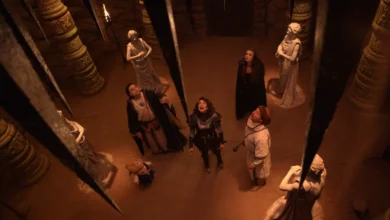
Tonic DNA Unveils Major Visual Refresh as Montreal Animation Institution Enters Its Fifth Decade


The landscape of digital and traditional animation is perpetually shifting, driven by the relentless evolution of software, hardware, and creative pipelines. Amidst this constant state of industry flux, Montreal-based animation powerhouse Tonic DNA has officially rolled out a comprehensive visual refresh, anchored by a newly launched website and a sleek, modern wordmark. Featuring wide, quiet capital letters spelling TONIC with lowercase "dna" underneath in warm cream against a near-black backdrop, the updated identity introduces strategic bursts of sage green. Yet, despite the contemporary aesthetic overhaul, studio leadership is careful to draw a firm line between a surface refresh and a complete structural rebrand.
According to Stefanie Bitton, partner and executive producer at Tonic DNA, the company’s foundational business model, operational framework, and core philosophy remain entirely unchanged. This distinction is vital for a studio that has quietly witnessed, and actively participated in, nearly forty years of technological and artistic evolution within the global animation sector. Rather than signaling a pivot away from its heritage, the new digital footprint serves as a gateway to a studio that has continuously reinvented its toolkit while remaining fiercely protective of its people and its uncompromising standards of quality.

A Rich Chronology of Innovation and Adaptation
The roots of Tonic DNA extend deep into the history of Canadian and international animation, tracing back approximately four decades through various iterations, physical locations, and technological epochs in downtown Montreal. Originally establishing itself as a traditional hand-drawn animation house, the studio steadily expanded its technical horizons, famously pioneering large-format IMAX animation.
A defining moment in the studio’s history arrived in the year 2000, when its meticulous production of Alexander Petrov’s The Old Man and the Sea captured the Academy Award for Best Animated Short Film. Adapted from the Ernest Hemingway novella and painted entirely in oil on glass frame-by-frame for IMAX presentation—a feat never before attempted with an animated picture—the project cemented the studio’s reputation as an innovator that pushed technical boundaries. Bernard Lajoie, one of the original founders who remains a vital partner today, served as the producer on the landmark IMAX film and subsequently spearheaded the integration of 3D computer graphics into a house built fundamentally on draftsmanship.
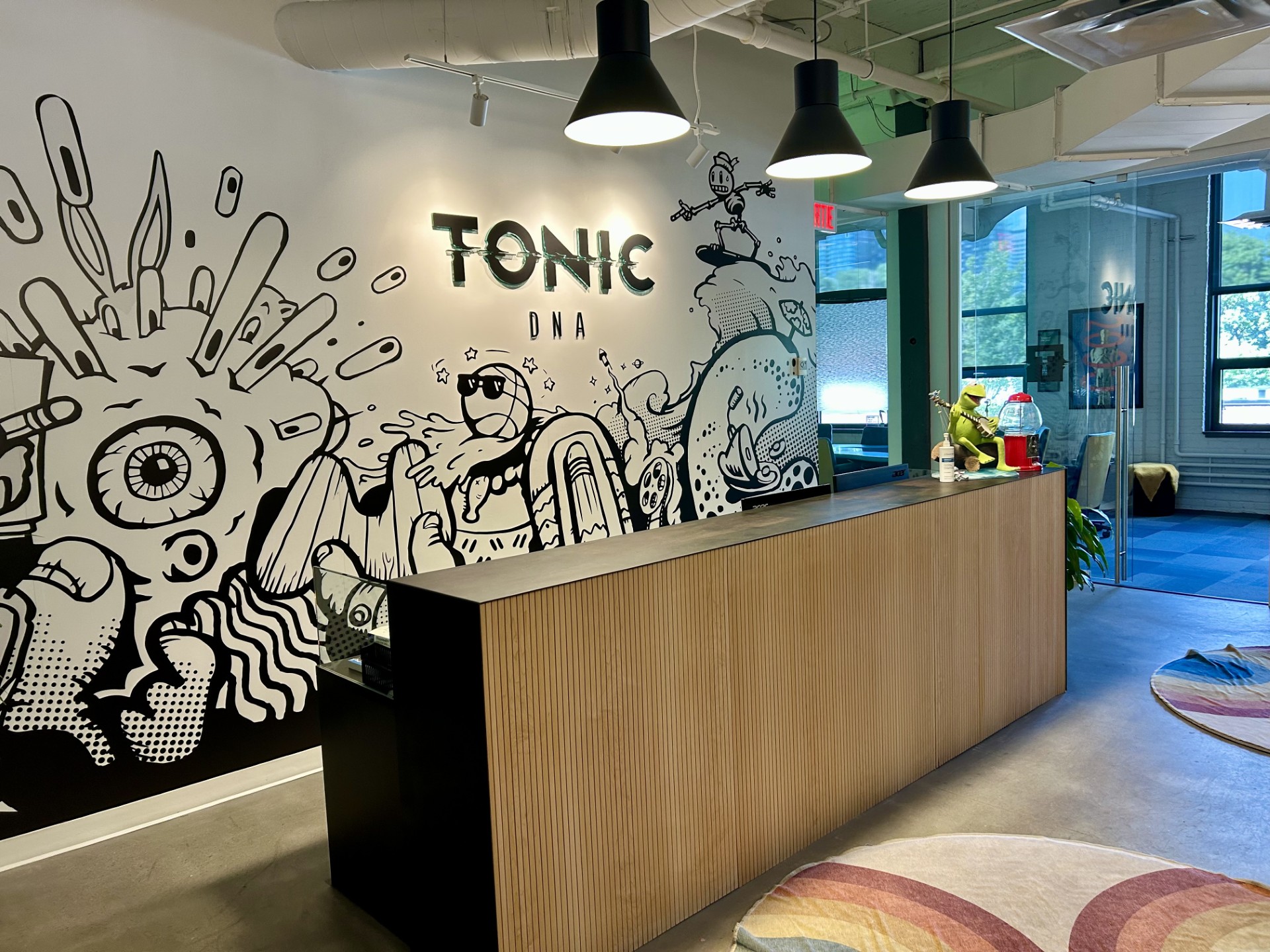
The trajectory of the studio experienced another pivotal turning point in 2017 with a formal structural reorganization. Moving away from a single, centralized creative vision typical of traditional craft studios, leadership transitioned toward a collaborative, director-led model. This shift placed artists at the center of the creative engine, prompting the adoption of the name Tonic DNA—where "Tonic" represents revitalization and a fresh start, and "DNA" originally stood for Directors and Animators. Over time, the acronym has organically expanded to encompass designers, software developers, and artists working within emerging artificial intelligence pipelines.
Navigating the Spectrum of Technique: From Hand-Drawn Classics to AI Integration
Today, Tonic DNA operates across two primary divisions—short-form content spanning advertising, branding, and music videos, alongside long-form series and features—while increasingly investing in original intellectual property. The studio’s recent portfolio highlights a deliberate refusal to be pigeonholed into a single signature look or technique. Instead, the guiding principle remains steadfast: story first, technique second.
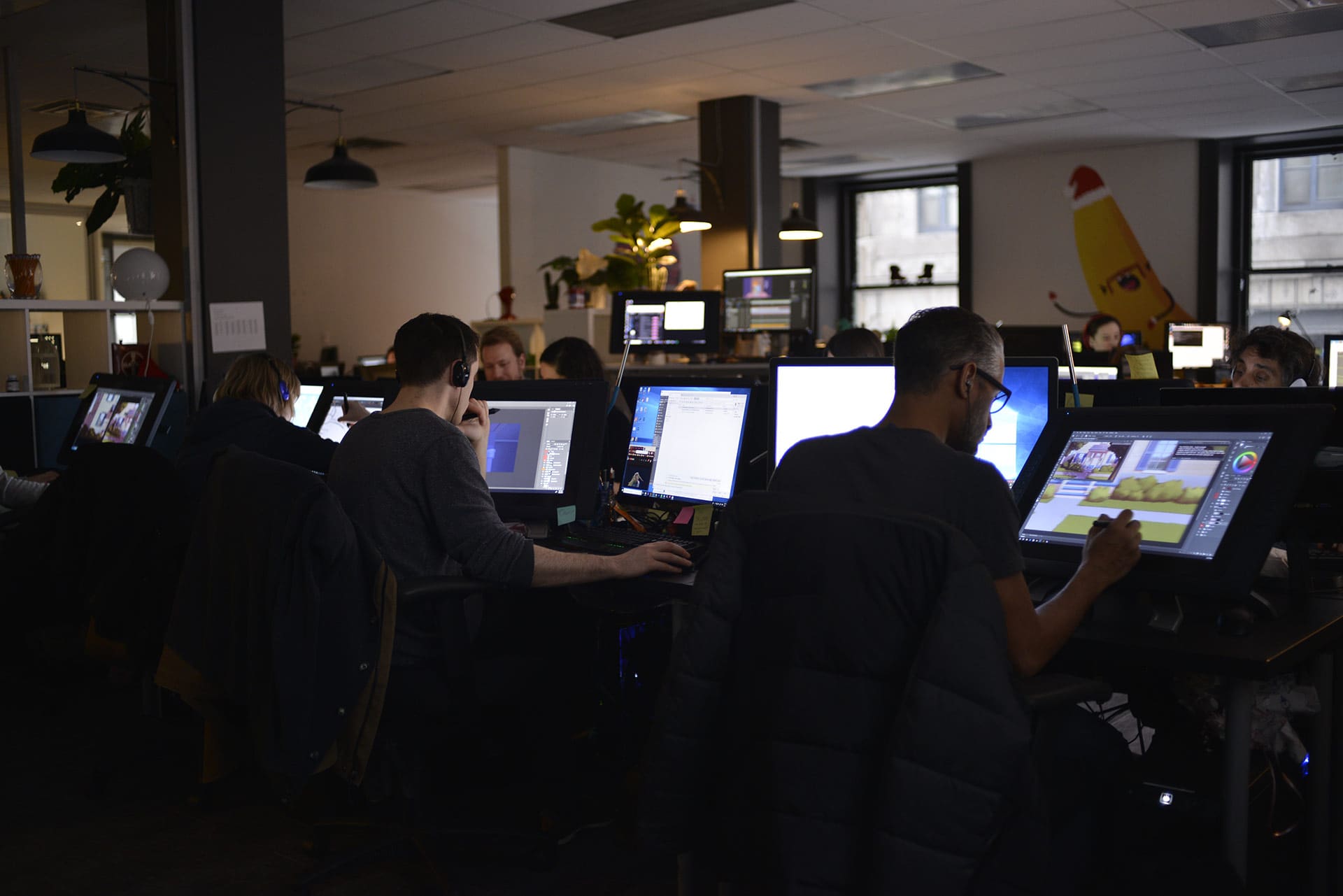
This philosophy is prominently displayed in the studio’s contributions to high-profile 2D productions, including cinematic and streaming projects such as The Bob’s Burgers Movie, Disenchanted, and The Day the Earth Blew Up: A Looney Tunes Movie. Addressing ongoing media narratives regarding a supposed "renaissance" of 2D animation, Bitton firmly rejects the premise, asserting that hand-drawn animation never truly disappeared. Rather, it remains the foundational form of the medium, supported by modern advancements in production pipelines.
Locally, the studio has forged deep cultural connections within Quebec, notably through a trilogy of acclaimed holiday commercial campaigns produced in collaboration with advertising agency Sid Lee for regional retailer IGA. These projects—The Meatloaf (2022), Mr. Beaver’s Yule Log (2023), and Paulo’s Wish (2024)—demonstrate a meticulous blending of stop-motion aesthetics with computer-generated textures. Similarly, the studio’s CG work on (un)Hungry, an emotionally resonant campaign for American insurer Highmark directed by Jamil Lahham and Fabien Fulchiron, incorporated virtual reality hair-painting and hand-brush stroked 3D sets, earning a MUSE Platinum award.
Beyond commercial assignments, Tonic DNA has consistently championed socially impactful storytelling. The critically acclaimed five-minute short Freebird, created for L’Arche Canada under the direction of Joe Bluhm and Michael McDonald, chronicles forty-five years in the life of a man with Down syndrome. Produced on a restricted budget and tight schedule, the project stands as a testament to the emotional resonance achievable when technical craft is subordinated to human empathy.

Strategic Expansion into Original Content and Intentional AI
As Tonic DNA enters its fifth decade, the studio is actively diversifying its output through major investments in original intellectual property and internal technological research. Later this year, the studio is slated to release The Anta Claus of the South Pole, a 24-minute 2D holiday special directed by two-time Academy Award nominee Cordell Barker. Developed over fifteen years, the project represents a co-production with the National Film Board of Canada, produced in association with Crave (a division of Bell Media) and supported by the Canada Media Fund.
Concurrently, the studio has spent the past two years developing proprietary artificial intelligence tools under a strict operational philosophy termed "AI with intention." Rather than utilizing automated systems to bypass human labor or accelerate schedules at the expense of quality, Tonic DNA has deployed AI within its research pipelines—exemplified by internal projects like Jump, an evolving character study remade annually with shifting visual styles and tools. By involving artists directly in the development of these internal tools, the studio has successfully mitigated internal resistance, utilizing technology to eliminate production friction and expand creative experimentation, particularly within long-form 2D workflows.
Industry Implications and Future Outlook
The resilience and longevity of independent animation studios like Tonic DNA offer critical insights into the broader economic and creative health of the global entertainment sector. Operating outside the strict confines of massive media conglomerates, independent production houses maintain the operational flexibility required to pivot through technological disruptions, ranging from the historic transition to digital workflows to contemporary debates surrounding machine learning in art production.
By maintaining strict standards of transparency regarding authorship, prioritizing long-term professional relationships across international markets—spanning Latin America, North America, Europe, and Africa—and refusing to compromise on narrative integrity, Tonic DNA has established a sustainable blueprint for studio longevity. As the organization approaches its fiftieth anniversary in the coming decade, leadership remains focused not merely on accumulating accolades or expanding profit margins, but on preserving the community of artists, directors, and technical innovators who breathe life into the medium. In an industry perpetually anxious about obsolescence, Tonic DNA’s enduring success underscores a simple, immutable truth: the future of animation will ultimately be secured by the enduring dedication of the people who make it and the audiences who believe in it.
Related posts: