The View: An Intimate Exploration of Identity and Memory in the Oscar-Contending Animated Short

The landscape of independent animation is currently witnessing a profound shift as filmmakers increasingly leverage accessible digital tools to craft deeply personal, autobiographical narratives. Among the standout contenders for the 2027 Academy Awards in the Animated Short category is The View, a poignant film directed by Pixar veteran Alli Sadegiani. The project, which chronicles the director’s childhood as the son of immigrant parents in Sweden during the 1980s and 1990s, has emerged as a significant work of hybrid storytelling, blending 2D hand-drawn animation with live-action sequences to interrogate themes of displacement, cultural belonging, and the subjective nature of memory.
A Journey from Sketchbook to Screen
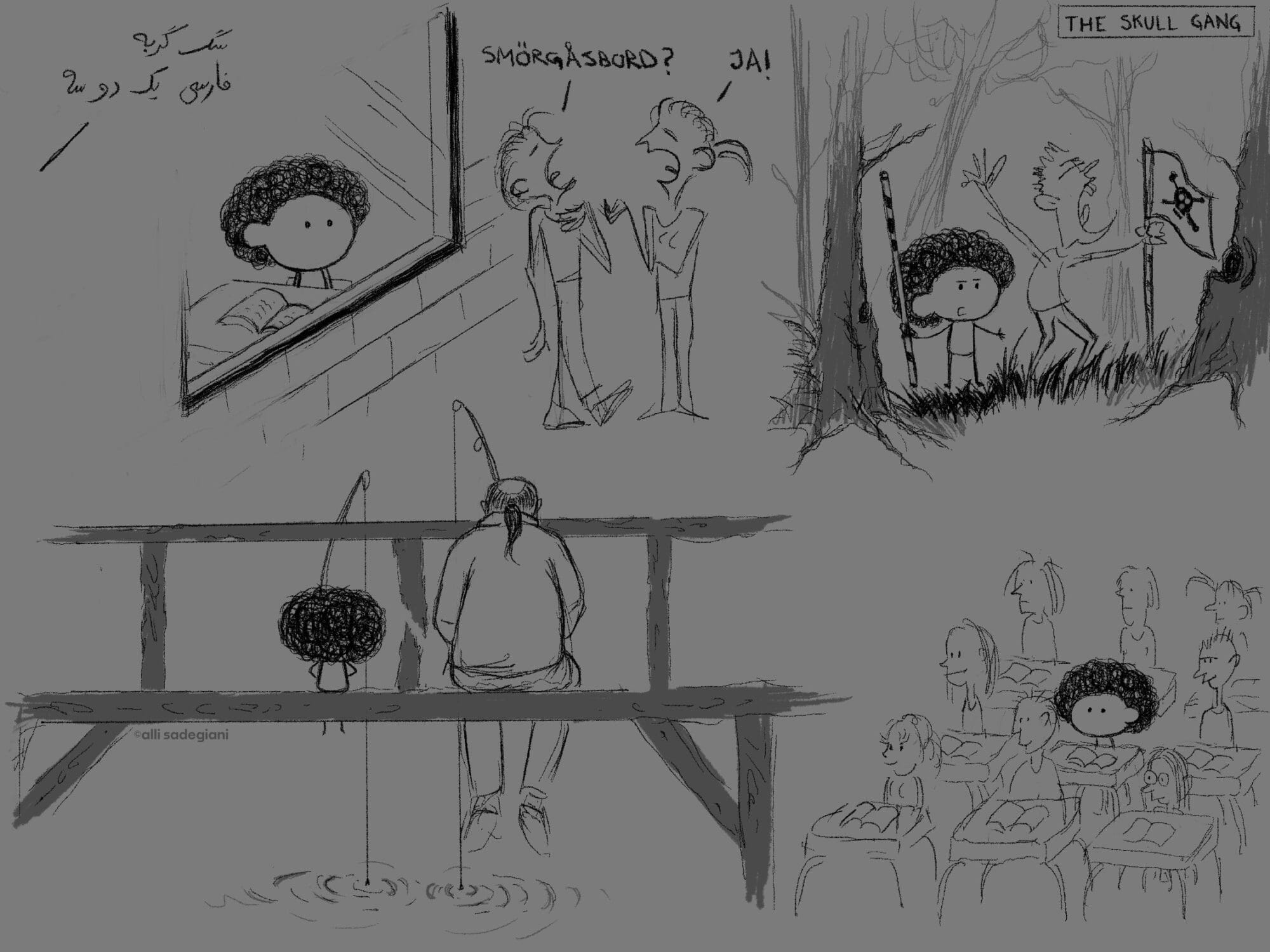
The genesis of The View lies in a series of sketches Sadegiani produced to reconcile his own upbringing. Born to parents who fled a nation marked by revolution and war, Sadegiani grew up navigating the dissonance between his home life and the external environment of a changing Sweden. The project began not as a film, but as a handmade picture book. Over a period of four years, the narrative evolved from these static pages into a cinematic exploration.
To bring the film to fruition, Sadegiani made the professional decision to take a one-year hiatus from his position at Pixar. Returning to his native Stockholm, he financed the production independently, treating the venture with the rigor of a studio project despite the limitations of a self-funded budget. The production was marked by a commitment to a "lean and efficient" pipeline, eschewing 3D animation in favor of a 2D aesthetic created primarily on an iPad using Procreate and Procreate Dreams. This choice was both a financial necessity and an artistic statement, allowing the film to retain the tactile, "flawed" quality of a diary.

Production Timeline and Methodology
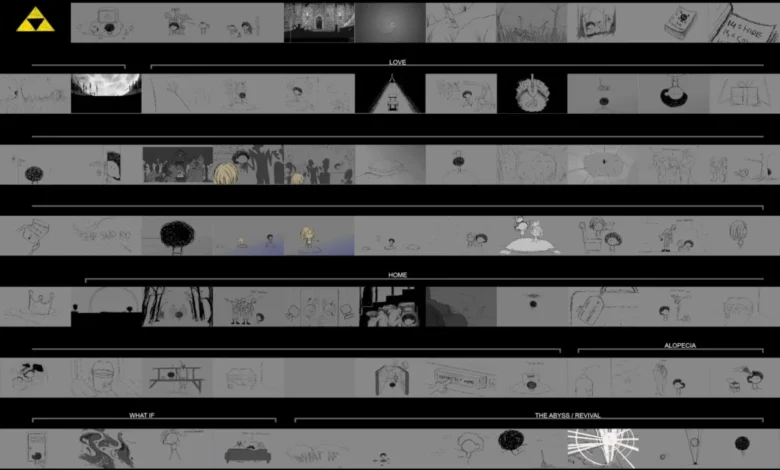
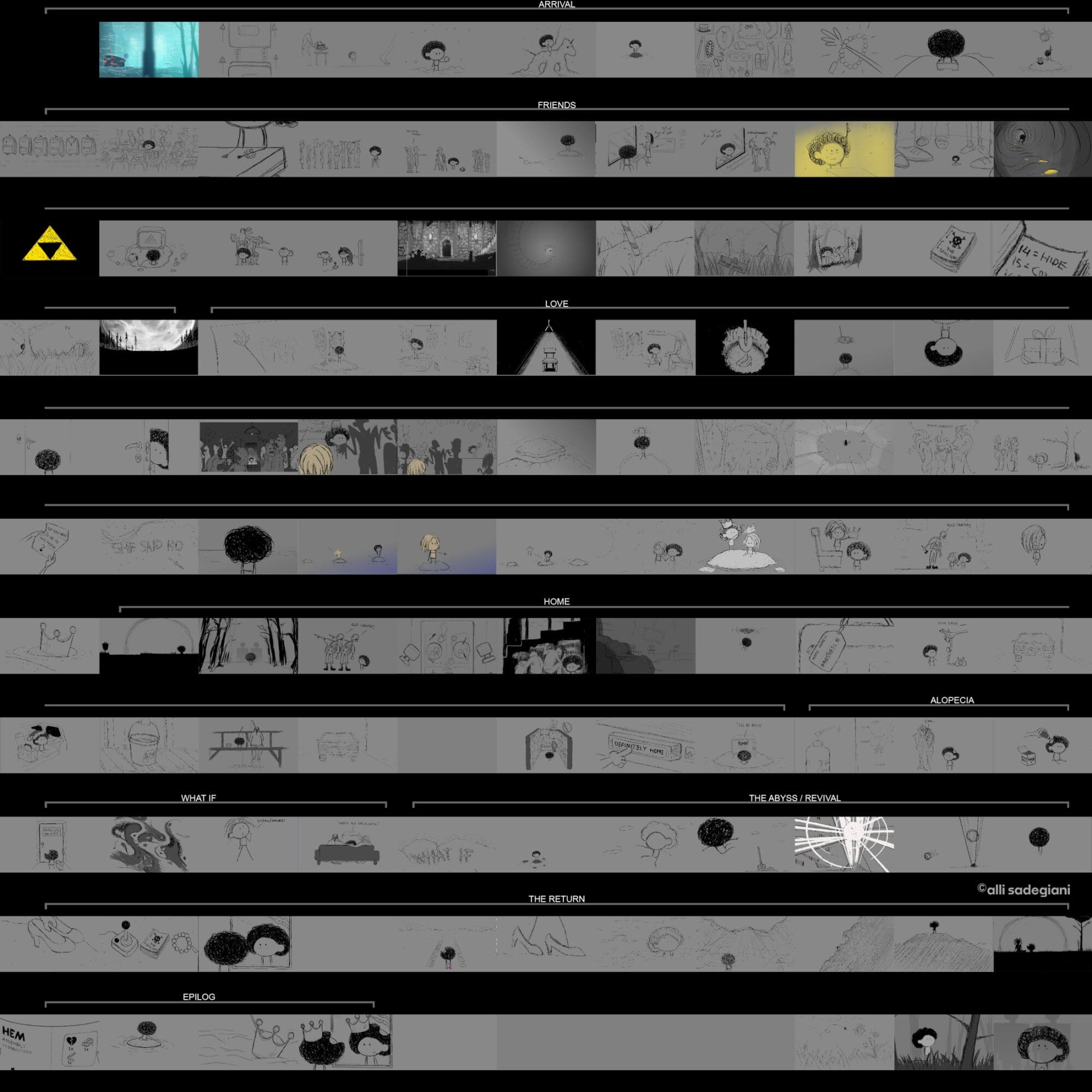
The production of The View followed a meticulous, front-loaded schedule that highlights the importance of pre-production in independent animation. Sadegiani dedicated more than 50% of the total production time to storyboarding and animatics. By iterating on these early versions and soliciting feedback from peers with similar multicultural backgrounds, he was able to refine the narrative arc before committing to final animation.
- Phase 1: Conceptualization (Year 1-2): Development of the picture book and initial drafting of the story’s core themes.
- Phase 2: Pre-production (Year 3): Intensive focus on storyboards, animatics, and structural editing.
- Phase 3: Production (Year 4): Execution of 2D animation and integration of live-action footage, supported by a score from Swedish recording artist Ayla Adams.
- Phase 4: Qualification (Late 2026): The film secured its Oscar eligibility through a formal theatrical run at the Roxie Theater in San Francisco, a critical step for independent shorts seeking Academy consideration.
Visual Language and Aesthetic Philosophy
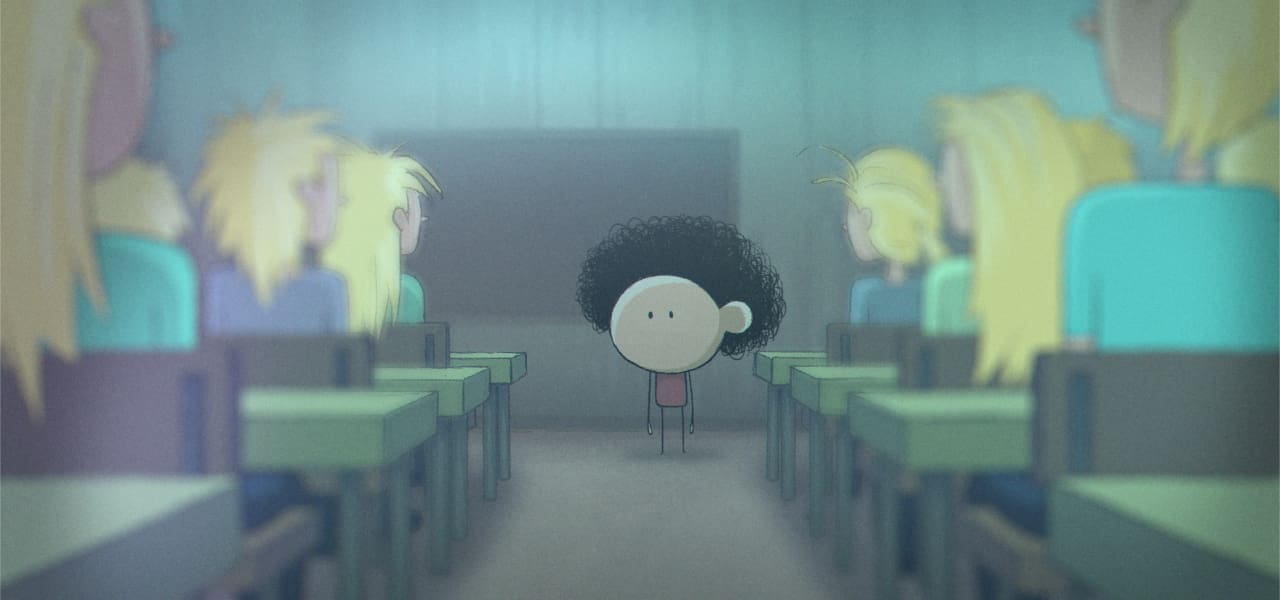
The visual identity of The View is defined by its intentional imperfection. Sadegiani purposefully sought to evoke the aesthetic of a child’s diary, utilizing handwriting and hand-drawn backgrounds to emphasize the human element. The integration of live-action footage serves a specific narrative function: to represent the fluid, often fragmented nature of memory.
"An interesting thing about memories is that they’re almost like dreams," Sadegiani noted in recent discussions regarding the film’s aesthetic. By contrasting blurry, real-world footage with 2D character designs inspired by the minimalist style of Charles M. Schulz, the film creates a "disarming" atmosphere. This stylistic duality allows the audience to engage with sensitive topics—such as the presence of skinheads and the complexities of immigrant identity in the 90s—without being overwhelmed by the weight of the subject matter.
Contextualizing the Narrative within Current Social Debates
The impetus for revisiting these childhood memories was, in part, a response to the global sociopolitical climate of the post-2016 era. As the United States and other Western nations engaged in intense public discourse regarding diversity, inclusion, and what it means to "belong," Sadegiani found himself questioning his own identity as a Swede who had spent years working abroad.

The film acts as a case study in the universalization of the immigrant experience. While the events depicted are specific to the director’s childhood in Sweden, the underlying questions—Where do I belong? How do we navigate conflicting cultures?—are shared by millions. By testing his animatics on diverse audiences outside of the film industry, Sadegiani ensured that his personal story resonated as a broader human journey.
Implications for Independent Animation
The success and critical reception of The View highlight a growing trend in the animation industry: the rise of the "auteur" filmmaker who, equipped with powerful mobile technology, can bypass traditional studio infrastructures. The decision to use a 2D workflow was not merely a cost-saving measure but a way to maintain creative purity. In an era where animation is frequently characterized by high-gloss, high-budget 3D production, The View stands as a testament to the power of low-fidelity, high-concept storytelling.
Furthermore, the film’s reliance on a lean production model offers a blueprint for other independent creators. The industry’s shift toward more accessible software like Procreate Dreams is democratizing the ability to produce "Oscar-quality" work. For emerging animators, the lesson of The View is clear: rigorous pre-production and a clear, focused narrative voice can offset the need for massive technical infrastructure.
Industry Analysis: The Path to the Oscars
To qualify for the 2027 Oscars, The View adhered to the strict criteria set forth by the Academy of Motion Picture Arts and Sciences. By securing a theatrical run at the Roxie Theater, the film met the commercial exhibition requirements, a significant hurdle for independent shorts. This milestone is a critical indicator of the film’s professional viability and the dedication of its production team.
As the Academy continues to prioritize diverse, authentic storytelling, films like The View are increasingly well-positioned. The blend of historical reflection, personal vulnerability, and technical efficiency makes it a compelling case for the Academy’s voting body. The film does not merely recount a life; it archives a cultural moment through the lens of a person who stood at the intersection of conflicting worlds.
Conclusion
The View is more than a creative exercise; it is a meticulously crafted document of the immigrant experience in late 20th-century Europe. Through his disciplined approach to production and his courageous decision to confront the "brutal process" of storytelling, Alli Sadegiani has created a work that invites audiences to look at their own memories with newfound clarity. As the 2027 award season approaches, the film stands as a significant marker of the current state of independent animation—a medium that, when stripped of its polish, reveals the raw, essential truths of the human condition. Whether it secures the gold statue or not, The View has already achieved its primary goal: to provide a bridge of understanding between the creator’s past and the viewer’s present.