The Evolution of the AI-Ready Design Landscape
The rapid proliferation of large language models (LLMs) and agentic workflows since 2023 has fundamentally altered the expectations for digital product development. Where initial adoption was characterized by rapid experimentation and "one-shot" prototyping, the industry has now shifted toward the long-term operationalization of these tools. As of late 2026, the primary challenge facing product teams is no longer access to AI tools, but rather the integration of these models into established design systems and CI/CD pipelines.
Industry data suggests that while a significant majority of design teams have experimented with AI-assisted generation, fewer than 30% have successfully implemented these tools into their core design system governance. The AI 2027 Conference is designed to address this "implementation gap." By focusing on practical, hands-on demonstrations rather than theoretical discourse, the event aims to provide a blueprint for teams currently navigating the complexities of AI-enabled design.
Conference Agenda and Technical Focus
The event, which will be held in a live, interactive format, is structured to address the full lifecycle of AI integration. The schedule, commencing at 8:10 AM, provides a systematic progression from foundational design philosophy to advanced technical application.
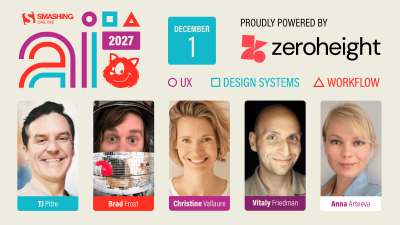
Key thematic pillars for the day include:
- Agentic UX Patterns: Exploring how autonomous agents are changing the way users interact with complex interfaces and the resulting implications for UI/UX design.
- Figma and MCP Integration: Examining the Model Context Protocol (MCP) and its role in connecting design environments directly to backend logic, reducing the friction between visual design and functional code.
- Documentation as Code: Addressing the systemic failure of traditional documentation through the lens of AI. As LLMs become the primary interface for developer onboarding, the structure of design system documentation must evolve to remain machine-readable and actionable.
- Workflow Optimization: Real-world case studies demonstrating how senior practitioners are configuring their development environments to leverage AI without sacrificing code quality or design consistency.
Speaker Profiles and Expert Perspectives
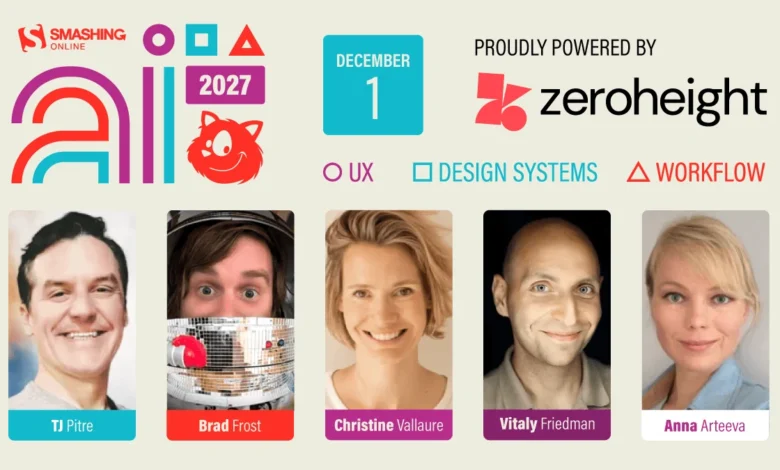
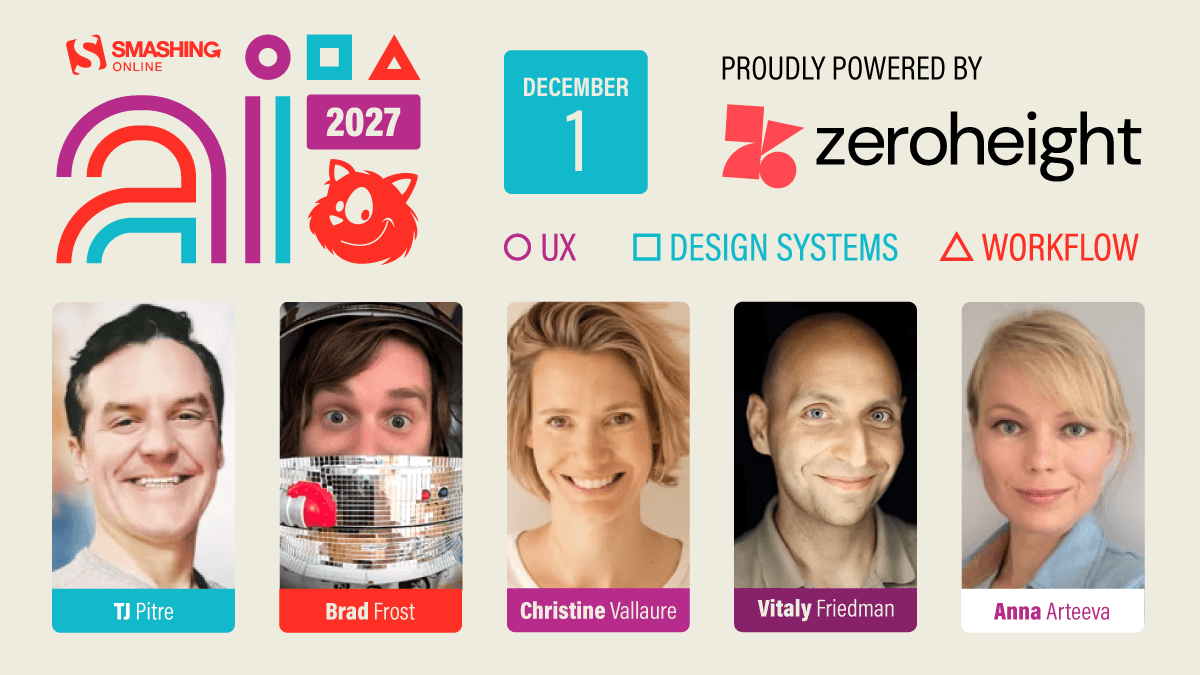
The conference features a curated panel of six industry leaders, each representing a specific facet of the design-engineering nexus.
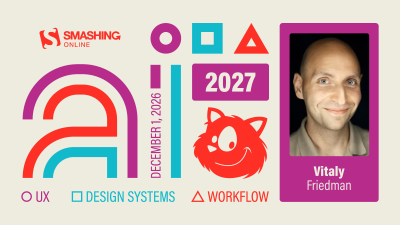
Vitaly Friedman, the lead organizer and a prominent voice in the UX community, has framed the event as a response to widespread "AI fatigue." According to Friedman, the professional market has reached a point of saturation regarding high-level AI marketing, creating an urgent demand for "under-the-hood" tactical knowledge.
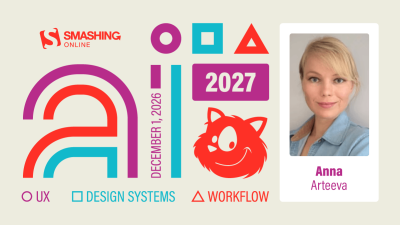
Anna Arteeva, a product design leader and instructor specializing in agentic coding, contributes expertise on the intersection of frontend development and design. Her focus remains on "technical fluency," arguing that for designers to remain relevant, they must move beyond visual design to understand the logic and agentic capabilities that drive modern product functionality.
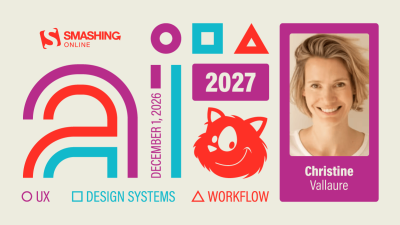
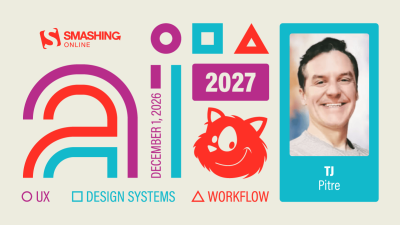
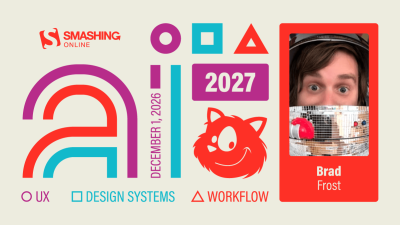
Other contributors include Christine Vallaure, who bridges the gap between design and development through the Moonlearning.io platform, and TJ Pitre, the Product Architect for AI and Design Systems at Figma. Pitre’s inclusion is particularly significant, as his work at the intersection of Figma’s ecosystem and consultancy firm Southleft represents the current state-of-the-art in design-to-code workflows. Brad Frost, a seminal figure in the design systems space and author of Atomic Design, provides a historical and methodological grounding, ensuring that new AI workflows remain compatible with established architectural principles.
Strategic Partnerships and Institutional Support
A notable component of the event is the partnership with zeroheight, a leader in design system documentation platforms. The involvement of Principal Design Advocate Luke Murphy serves to highlight the growing importance of documentation in an AI-first world.
The central thesis of the partnership—and a key discussion point for the conference—is that traditional human-readable documentation is increasingly insufficient for modern engineering teams. As developers rely more heavily on coding agents to scaffold features, the accuracy, machine-readability, and structure of documentation become critical technical dependencies. Murphy’s session, "Nobody Will Read Your Documentation," serves as a direct challenge to the industry to re-architect design systems so they can effectively serve both human developers and artificial intelligence agents.
Broader Industry Implications
The significance of the AI 2027 Conference lies in its timing. By late 2026, the technology industry is observing a stabilization of AI capabilities. The "wild west" phase of generative AI is being replaced by institutional demands for security, scalability, and maintainability. Organizations are now assessing the total cost of ownership for AI tools, particularly concerning their impact on technical debt and the long-term maintainability of design systems.
The event’s emphasis on "showing, not telling" signals a broader maturation of the tech event sector. As digital product roles become more intertwined with machine learning operations (MLOps), the demand for "applied theory" is outstripping the demand for generalist insights. Attendees are expected to leave with actionable configurations, such as specific prompt engineering workflows, optimized Figma plugin stacks, and revised strategies for maintaining design system integrity in the age of generative code.
Preparing for the Future of Design
The conference concludes with moderated breakout sessions, a format intended to facilitate peer-to-peer knowledge sharing. This structure acknowledges that the challenges of AI integration are highly contextual, varying significantly depending on team size, tech stack, and industry. By allowing attendees to bring their specific workflow problems to a forum of experts, SmashingConf is facilitating a collaborative approach to solving industry-wide obstacles.
The transition from 2026 to 2027 marks a pivotal period for digital product teams. The integration of AI into the standard design-development loop is no longer a competitive advantage, but a requirement for operational efficiency. The AI 2027 Conference provides a structured, rigorous, and technical forum for professionals to align their practices with these shifting industry standards. Participants are encouraged to verify their local time zones against the live, synchronized start time to ensure full participation in the interactive segments, which represent the core value proposition of the event.
As the industry moves toward 2027, the focus on "agentic" capabilities and the technical bridge between design systems and LLMs will likely define the next generation of digital products. For those in the fields of UX design and frontend engineering, this conference offers a concise, high-density opportunity to update their professional toolkits and gain a clear view of the trajectory for the coming year. Registration remains open for professionals looking to secure their place in this shift toward practical, scalable, and sophisticated AI-integrated workflows.
Related posts: