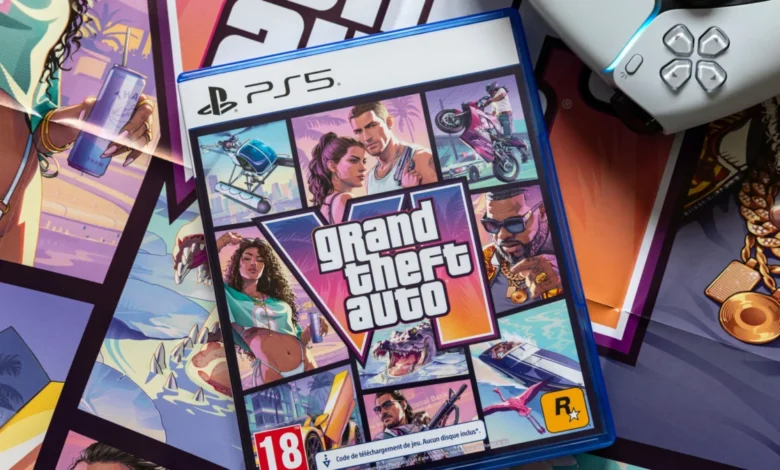
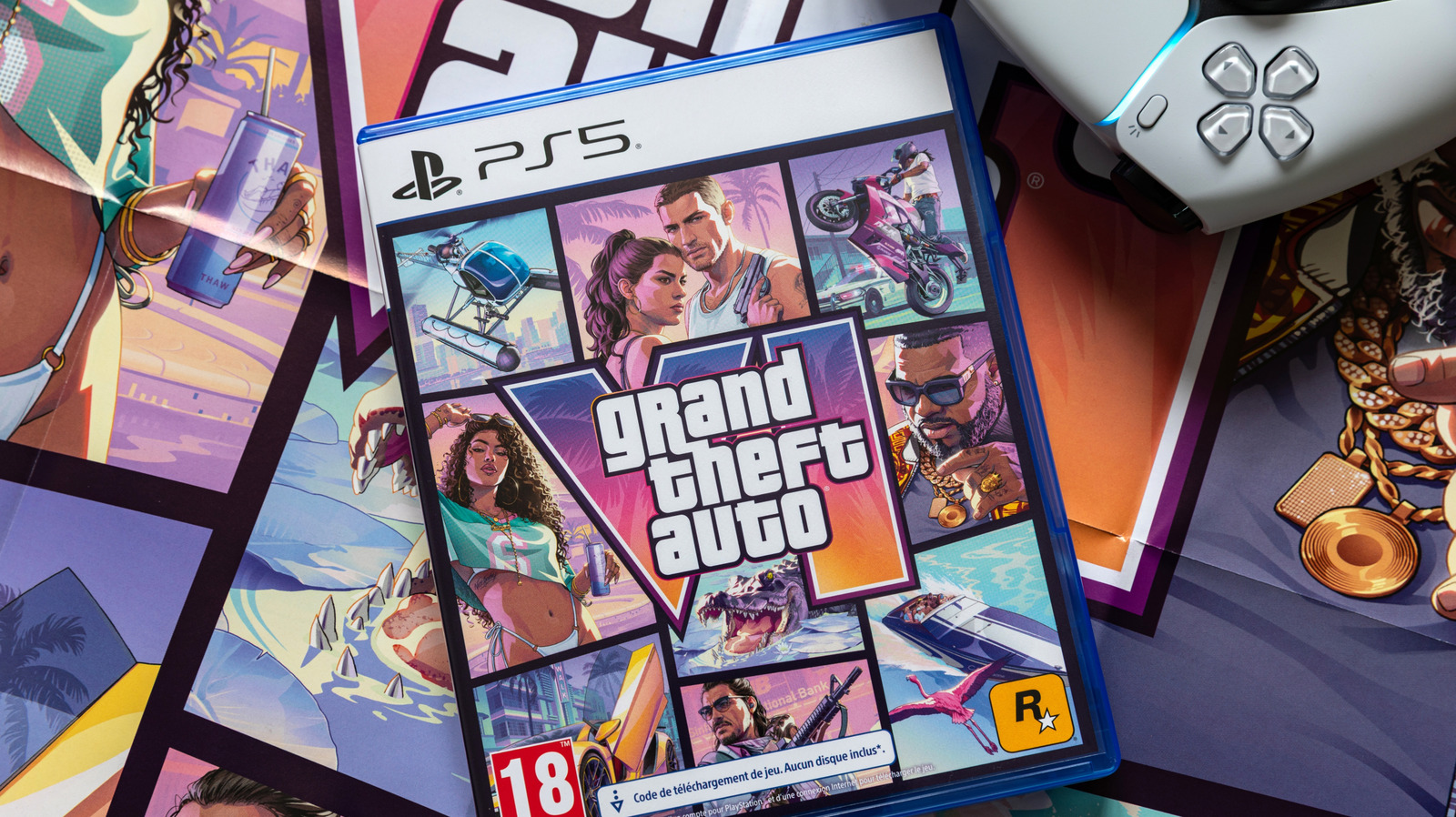
The launch of Rockstar Games’ Grand Theft Auto 6 represents a watershed moment in the interactive entertainment industry, commanding unprecedented attention from consumers, media outlets, and financial markets alike. As the official release date of November 19 approaches, millions of dedicated players globally are preparing to dive back into the satirical, expansive open-world crime simulator. However, the immense anticipation surrounding the title has driven segments of the gaming community to seek out methods to bypass standard global rollouts. Among these methods, a time-honored community workaround known colloquially as the "New Zealand trick" has re-emerged, offering eager fans a pathway to access the title hours ahead of their local midnight launches.
While the technique is relatively frictionless for specific platforms, it carries distinct technical caveats, varying degrees of platform support, and potential risks that users must carefully weigh before altering their system configurations. Understanding how this phenomenon operates requires examining the mechanics of global digital releases, platform-specific ecosystem policies, and the cultural footprint of one of the most significant media events of the decade.
The Mechanics of Global Releases and the New Zealand Phenomenon
Digital distribution has fundamentally transformed how video games launch. Historically, brick-and-mortar midnight releases meant that physical copies were handed out as the calendar flipped to launch day in a specific timezone. Today, digital storefronts often implement rolling midnight releases tied to local time zones or synchronized global launches operating off a single coordinated universal time (UTC).
Because the Earth is divided into distinct time zones, countries situated furthest to the east—most notably New Zealand and Australia—experience calendar dates significantly ahead of North America and Europe. New Zealand, situated ahead of Greenwich Mean Time by twelve to thirteen hours depending on daylight saving adjustments, is frequently the first major territory to cross the threshold into a game’s official release day.
For years, clever gamers have exploited this geographical quirk. By altering the designated location settings on their hardware, users can effectively convince the system firmware that it is operating within a different timezone, prompting digital storefronts to unlock pre-loaded software early. While publishers and platform holders have increasingly moved toward simultaneous global releases—where a game unlocks for everyone at the exact same minute regardless of local time—the continuation of regional staggered launches for select titles keeps the New Zealand trick relevant among hardcore enthusiasts.
Platform-Specific Realities: Xbox vs. PlayStation
Executing the region-swap method yields vastly different experiences depending on whether the user plays on Microsoft’s Xbox ecosystem or Sony’s PlayStation network. The architectural differences and account structures of these competing platforms dictate how easily a user can alter their geographic status.
For owners of the Xbox Series X and Xbox Series S, the process is notably straightforward. Microsoft’s current-generation consoles allow users to modify the system location setting directly within the primary system configurations menu without immediately altering the underlying core Microsoft account region, provided certain guidelines are observed. Users who have pre-ordered and pre-loaded Grand Theft Auto 6 can navigate to the system settings, select "Language & Location," and change their country or region to New Zealand. Following a mandatory system restart, the console refreshes its regional metadata, causing the Microsoft Store to display pricing in New Zealand dollars and, crucially, signaling the operating system that the unlock criteria have been met.
Industry analysts and community reports highlight that this maneuver works seamlessly because Xbox architecture separates local hardware display preferences from permanent billing profiles to a degree that permits temporary adjustments. However, Microsoft’s terms of service do stipulate a three-month waiting period for modifying a Microsoft account’s country of residence when tied to billing address verifications and currency changes. While casual console-level swapping has historically flown under the radar for simple timezone unlocks, engaging in frequent or aggressive region hopping can trigger automated compliance flags. Furthermore, users utilizing Xbox Cloud Gaming must adhere strictly to server-side operational hours—such as a standardized 1:10 a.m. ET availability window—meaning cloud streaming users cannot bypass schedules as easily as those running locally installed pre-load data.
Conversely, Sony’s PlayStation 5 ecosystem handles geographic identity with far stricter parameters. On the PSN network, a user’s region is permanently welded to the specific PlayStation Network account created at registration. It is impossible to simply toggle a settings menu to change a primary PSN account from North America or Europe to New Zealand. To utilize the New Zealand trick on a PlayStation 5, a player must create an entirely new, secondary PSN account set up with a New Zealand address, purchase Grand Theft Auto 6 through the New Zealand PlayStation Store using localized currency or gift cards, and download the software from that specific storefront.
This workaround creates significant friction. Grand Theft Auto 6 would remain permanently locked to that alternative New Zealand account, meaning achievements, save data integrations, and future downloadable content extensions might require maintaining dual profiles or navigating cumbersome sharing permissions. More critically, Sony maintains stringent security measures regarding regional account manipulation and fraudulent profile creation. Numerous PlayStation Network users attempting similar exploits for past major releases have reported temporary bans or permanent account suspensions due to violations of terms of service governing billing integrity and territorial accuracy. Given that the PlayStation 5 recently received a substantial system-level graphical performance update optimized for high-end titles, risking a valuable PSN account simply to play a few hours early is a gamble that most risk-averse consumers choose to avoid.
Step-by-Step Guide for Eligible Xbox Users
For players operating within the Microsoft ecosystem who possess a valid digital pre-order of Grand Theft Auto 6 and are willing to accept the minor administrative inconveniences involved, the sequence requires precise execution to ensure success.
- Power on the Xbox Series X or Series S console and ensure that Grand Theft Auto 6 is fully pre-loaded onto the internal solid-state drive or an approved expansion card to avoid downloading delays during peak traffic hours.
- Navigate to the main dashboard and open the "Settings" application.
- Scroll down to the "System" tab and select "Language & Location."
- Under the "Location" dropdown menu, change the current setting from your native country to "New Zealand."
- Select the prompt to restart the console immediately to apply the updated regional parameters.
- Once the console reboots, verify the change by opening the Microsoft Store and navigating to the Grand Theft Auto 6 product page. If successful, local pricing markers should reflect New Zealand currency.
- Launch the game software. If the system throws an error or indicates the game is still locked, perform a hard power cycle by holding the physical power button on the console for ten seconds, then retry.
Experts advise that while the console location is set to New Zealand, users should refrain from attempting to redeem standard gift cards, execute microtransaction purchases, or manage active subscriptions through the store, as currency mismatches can lead to transaction failures or account flags. Once the game successfully boots, or after the official launch window opens in the user’s home territory, it is recommended to revert the console location settings back to their original geographic state to restore full access to regional wallet funds and subscription perks.
Broader Economic and Cultural Implications of GTA 6
The lengths to which consumers go to secure early access to Grand Theft Auto 6 underscore the extraordinary cultural gravity of the franchise. Developed by Rockstar Games, a subsidiary of Take-Two Interactive, the Grand Theft Auto series has consistently redefined the boundaries of open-world game design, narrative scope, and interactive consumer spending since the launch of its third installment in 2001.
Grand Theft Auto V, released in 2013 across seventh-generation consoles, shattered entertainment industry revenue records by generating over $1 billion within its first three days on the market. Over its lifetime spanning three distinct console generations, the title has sold well over 190 million copies, making it one of the best-selling video games of all time and a financial juggernaut that continues to generate recurrent consumer spending through its online multiplayer component.
Consequently, the commercial expectations for Grand Theft Auto 6 are monumental. Financial analysts project that the title could generate billions of dollars in opening-week sales alone, potentially eclipsing every entertainment launch in history, including blockbuster cinematic releases. The immense financial stake held by Take-Two Interactive means that server stability, digital storefront integrity, and anti-piracy measures are monitored with extreme vigilance by corporate stakeholders.
When millions of players simultaneously attempt to authenticate pre-loads, trigger midnight unlocks, or manipulate regional settings, digital infrastructure is pushed to its absolute limits. Platform holders like Microsoft and Sony, alongside content distribution networks worldwide, invest heavily in cloud scaling and server redundancy to prevent widespread outages during these high-profile deployment windows.
Analyst Perspectives on Technical Workarounds
Industry observers and consumer technology analysts view community-driven workarounds like the New Zealand trick as fascinating case studies in consumer behavior within digital ecosystems. Unlike physical retail eras—where breaking street dates carried severe penalties for mom-and-pop storefronts caught selling cartridges or discs early—digital storefront architectures create a fluid, borderless environment where time zones become the primary barrier to entry.
While platform holders rarely explicitly endorse region-swapping exploits, their enforcement strategies vary significantly. Microsoft’s more flexible console-level configuration policies have tacitly accommodated regional adjustments for years, treating it as a benign quirk of global timekeeping rather than a severe security violation, provided financial fraud is absent. Conversely, Sony’s tightly integrated account frameworks reflect a zero-tolerance posture toward cross-border profile generation, prioritizing strict financial compliance and regional licensing agreements over user convenience.
As the gaming industry transitions increasingly toward fully digital, cloud-integrated architectures, the necessity for physical workarounds may eventually diminish. Publishers could theoretically implement simultaneous global server unlocks—where a game becomes playable worldwide at an exact second regardless of local solar time—thereby eliminating the timezone advantage entirely. However, until such practices become universally standardized, resourceful players will continue to leverage geographical nuances to shave precious hours off their wait times.
Final Recommendations for Consumers
For those eagerly awaiting the chance to explore the fictional state of Leonida in Grand Theft Auto 6, patience remains the safest and most reliable strategy. While Xbox Series X and Series S owners with pre-ordered digital copies can successfully utilize the New Zealand console trick with minimal systemic risk, they must exercise caution regarding store transactions and account regions. PlayStation 5 owners, however, are strongly advised to resist the temptation of creating foreign alternative accounts, as the risks of permanent profile suspension and cumbersome licensing management far outweigh the temporary thrill of early access.
As the gaming world unites in turning its attention toward Rockstar Games’ latest masterpiece, the temporary chaos of global rollouts serves as a reminder of the unique power interactive entertainment holds in capturing the global imagination. Whether logging in at midnight local time or via a clever timezone adjustment, millions of players are poised to embark on a digital journey that will shape the cultural landscape of the medium for years to come.