Apple HomeView Enters the Smart Display Market: A Comprehensive Overview of Features, Pricing, and Competitor Alternatives

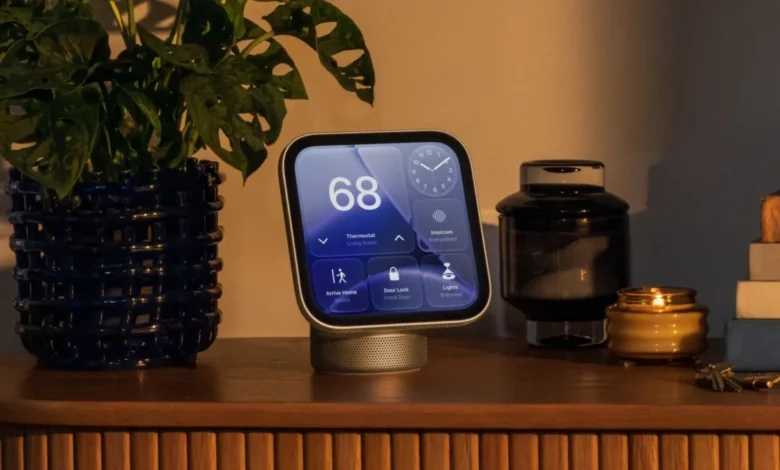
Apple has officially entered the dedicated smart display market with the introduction of the HomeView, expanding its hardware ecosystem into countertop home management and entertainment. Scheduled to go on sale on November 13 at a retail price of $299, the HomeView positions Apple in direct competition with established smart home displays from Google and Amazon. However, with its premium price point, the device arrives amid ongoing consumer scrutiny regarding the rising costs of Apple hardware, leading many prospective buyers to evaluate alternative options currently available on the market.
Design, Hardware Specifications, and Core Features
The Apple HomeView features a 7-inch Liquid Retina display rather than an OLED panel. The screen is engineered to reach a peak brightness of 500 nits, ensuring visibility in brightly lit environments such as kitchens, while capable of dimming down to 0.3 nits for low-light settings like bedrooms. Under the hood, the device is powered by Apple’s A18 chip, providing the processing power necessary for on-device machine learning tasks and fluid interface navigation. The accompanying speaker base incorporates a dedicated woofer designed to deliver deeper bass response than standard smart speakers of comparable size.
A primary technical highlight of the HomeView is its multi-user facial recognition capability, which can identify up to six different individuals. When a user approaches the device, the interface dynamically transitions from a shared family dashboard to a personalized profile featuring individual apps and widgets, such as personal calendars and messages. To maintain privacy, personal information and widgets are only displayed when the device verifies the user’s face and detects a nearby, unlocked iPhone or iPad. While these advanced biometric and contextual features cater to robust smart home management, the $299 price tag places the HomeView at the higher end of the countertop display category.
Market Context and Pricing Strategy
The launch of the HomeView reflects a broader pricing trend across Apple’s smart ecosystem. Alongside the HomeView, the company introduced the HomePod Mini 2 at $149, representing a notable price increase compared to the original generation’s $99 launch price. This upward adjustment in hardware pricing has amplified consumer interest in cost-effective alternatives, whether through repurposing older technology—such as legacy Amazon Echo or HomePod units—or purchasing alternative smart home hubs and displays that offer similar functionality at a fraction of the cost.
Industry analysts note that while Apple’s ecosystem integration remains a powerful incentive for loyal consumers, premium pricing may limit market penetration among budget-conscious households. Consequently, the release of the HomeView has created an opening for competitors and alternative products to capture market share among users seeking smart home automation without the ecosystem lock-in or high cost.
Top Alternatives to the Apple HomeView
For consumers hesitant to invest $299 in a countertop smart display, several alternatives ranging from smart speakers to specialized wall hubs offer varied feature sets and price points.
Apple HomePod Mini 2
For users firmly entrenched in the Apple ecosystem who wish to avoid the expense of the HomeView, the HomePod Mini 2 offers a more accessible entry point at $149. Available in five colors—pink, green, blue, white, and midnight—the device functions entirely via voice control, lacking a physical screen.
Although it lacks a display, the HomePod Mini 2 manages whole-home automation routines hands-free. While advanced Apple Intelligence features, such as deep context integration with personal calendars and messaging via paired iOS devices, are slated for a subsequent free software update without a confirmed release date, the speaker remains a functional tool for setting timers, playing media, and broadcasting voice messages between rooms.
Google Nest Hub (Second Generation)
Priced at $99—approximately one-third the cost of the HomeView—the Google Nest Hub (Second Generation) remains a prominent choice for a bedside or kitchen smart display. The device features a sunrise alarm function designed to gently wake users by gradually increasing screen brightness.
Additionally, the Nest Hub includes sleep-tracking technology utilizing a low-power radar chip to monitor breathing and movement for a single sleeper without relying on wearable devices or capturing identifiable data. While reviewers have characterized the sleep-tracking metrics as a general wellness guide rather than a clinical diagnostic tool, the display excels at routine tasks such as photo slideshows, timer management, and smart light control via Google Assistant.
Amazon Echo Show 8 and Echo Show 11
Amazon’s Echo Show lineup provides versatile display options suitable for kitchens and bedrooms. The 8-inch Echo Show 8 is priced at $199.99, while the larger 11-inch model retails for $249.99. Both variants are available in Glacier White and Graphite finishes.
The Echo Show series supports video calling via an integrated camera equipped with auto-framing and 3.3x zoom capabilities. Furthermore, unlike the Apple HomeView—which does not currently support native third-party app downloads or traditional streaming app installations—the Echo Show natively streams content from major platforms including Netflix, YouTube, and Amazon Prime Video. Integration with Alexa+ further allows users to execute complex photo searches and custom slideshow generation through conversational AI prompts.
Amazon Echo Hub
For homeowners managing extensive connected ecosystems, the Amazon Echo Hub offers a dedicated wall-mounted control panel rather than a traditional entertainment screen or smart speaker. Retailing at $179.99, the device functions as a centralized interface for smart lights, door locks, plugs, and automated routines.
The Echo Hub supports multiple wireless protocols, including Wi-Fi, Bluetooth, Zigbee, Matter, Sidewalk, and Thread. Utilizing an integrated proximity sensor, the interface illuminates upon approach, transitioning from a clock display to a control dashboard. While limited in audio fidelity and media streaming capabilities, the Echo Hub serves as an efficient hardware solution for households heavily invested in Alexa-compatible smart home infrastructure.
Aqara Hub M3
For consumers prioritizing background automation over visual displays, the Aqara Hub M3 offers a screen-free alternative priced at $139.99. Designed to connect a wide array of sensors, thermostats, motorized window shades, and security devices, the Hub M3 supports Apple HomeKit, Matter, and Thread protocols.
The unit manages up to 127 Aqara Zigbee devices and features a built-in infrared blaster to control legacy appliances such as air conditioners. While initial setup and configuration may present a learning curve for beginners, the Hub M3 functions as a localized control brain that bridges various smart home devices without requiring constant smartphone intervention.
Broader Implications and Industry Outlook
The introduction of the Apple HomeView underscores the ongoing evolution of the smart home market toward more personalized, biometric-driven interfaces. By utilizing facial recognition and device proximity to dynamically alter displayed content, Apple has established a new technical benchmark for shared household displays. However, the success of the HomeView will largely depend on consumer willingness to absorb premium pricing in a category where competitors offer robust functionality at significantly lower price points. As the smart home landscape matures, hardware manufacturers face the continuous challenge of balancing advanced AI integration, privacy safeguards, and affordability.