The Future of Outdoor Advertising and the Integration of Augmented Reality Smart Glasses

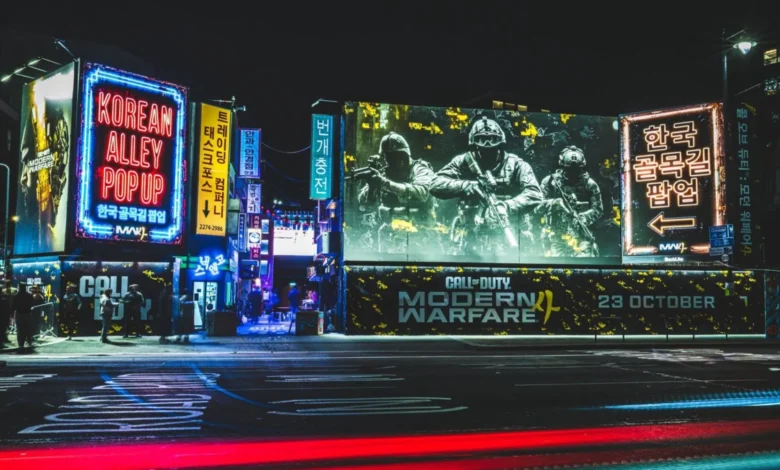
The advertising industry is currently navigating a period of profound transformation, moving away from the static, one-way communication models that have dominated urban landscapes for over a century. As consumer attention becomes increasingly fragmented by the prevalence of mobile devices, outdoor advertising—historically known as Out-of-Home (OOH) media—is undergoing a technological evolution. Recent developments, such as the Electric Garden installation in London, suggest that the future of brand engagement lies in the convergence of physical infrastructure and digital augmentation, potentially accelerated by the mass adoption of smart glasses.
The Evolution of Out-of-Home Advertising
For decades, billboards, posters, and transit advertisements served as the primary tools for brand visibility in public spaces. However, the rise of the smartphone in the early 2010s significantly altered consumer behavior. As noted in the 2021 film Don’t Look Up, the cultural trend of "looking down" at screens created a paradox: while cities became more saturated with digital displays, the engagement rate with traditional static media faced a steady decline.
The advertising sector attempted to bridge this gap through Quick Response (QR) codes and Near Field Communication (NFC) tags. While these technologies allowed for a basic interactive layer, they required significant friction from the user, who had to stop walking, retrieve a device, and scan an image. Industry data from the Outdoor Advertising Association of America (OAAA) has consistently highlighted that for OOH to remain viable, it must offer a more seamless, frictionless integration with the consumer’s immediate environment.
The Rise of the Physical-Digital Hybrid
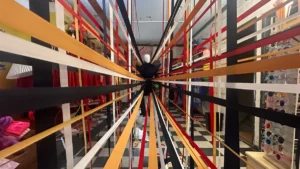
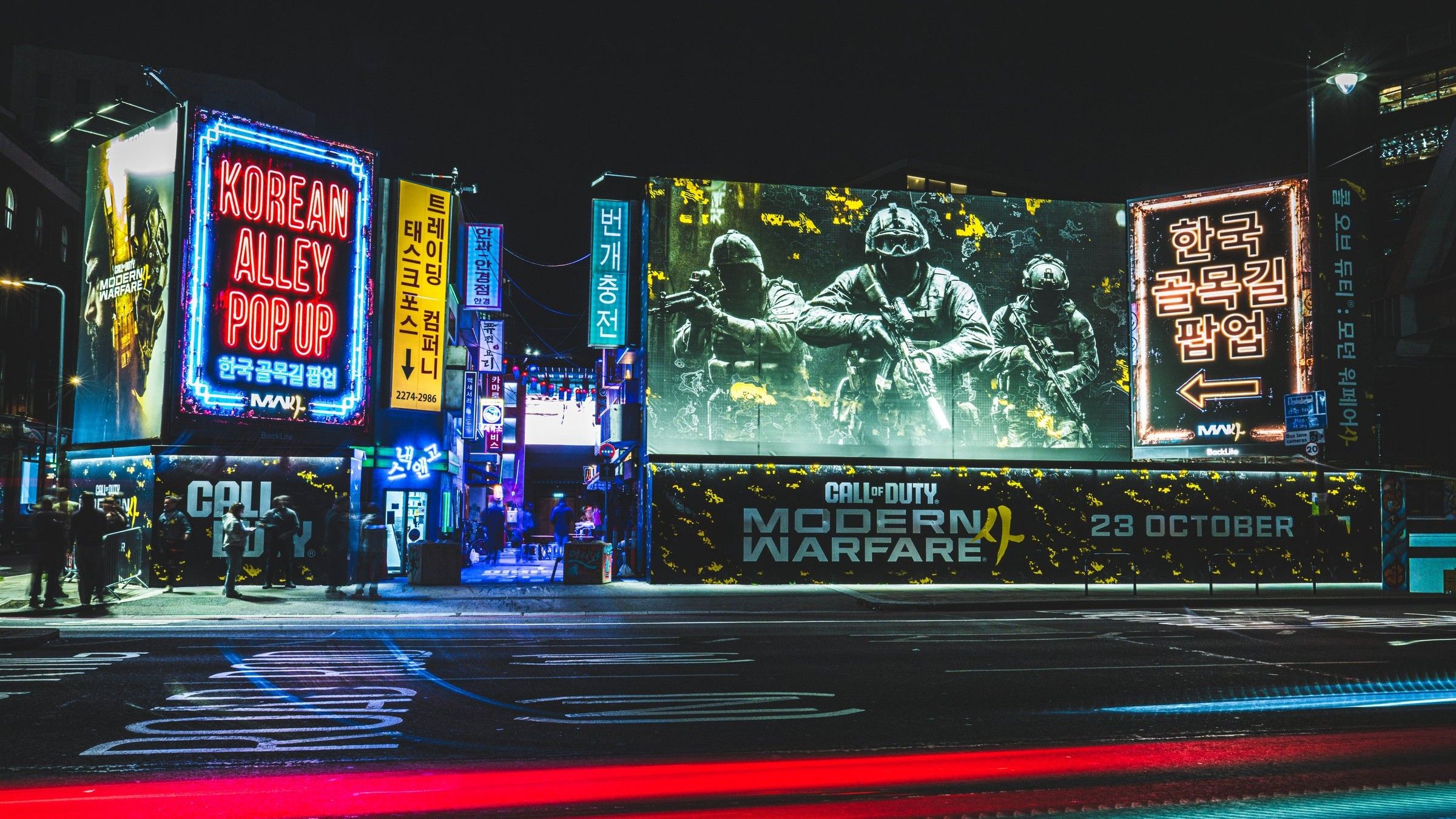
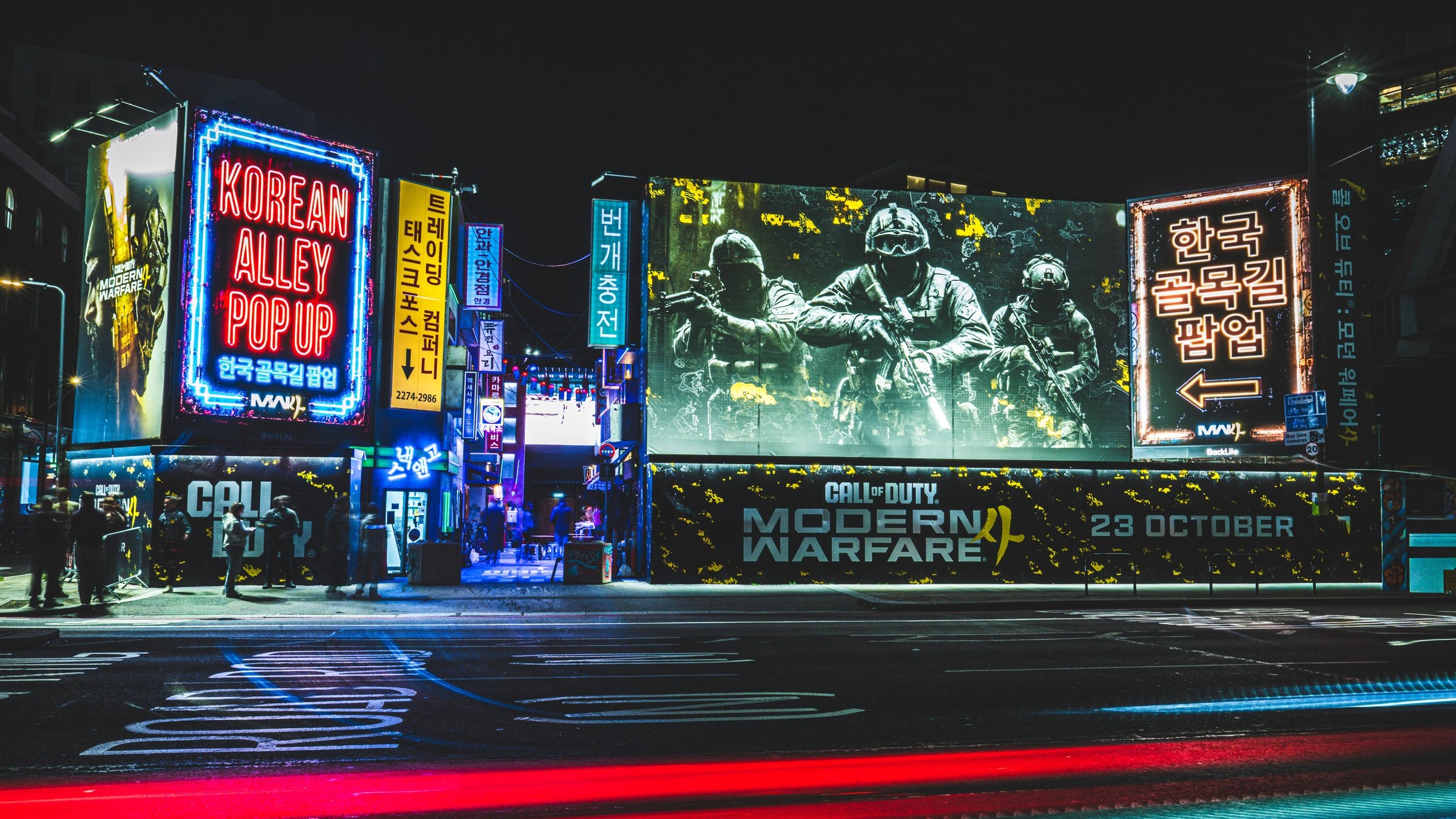
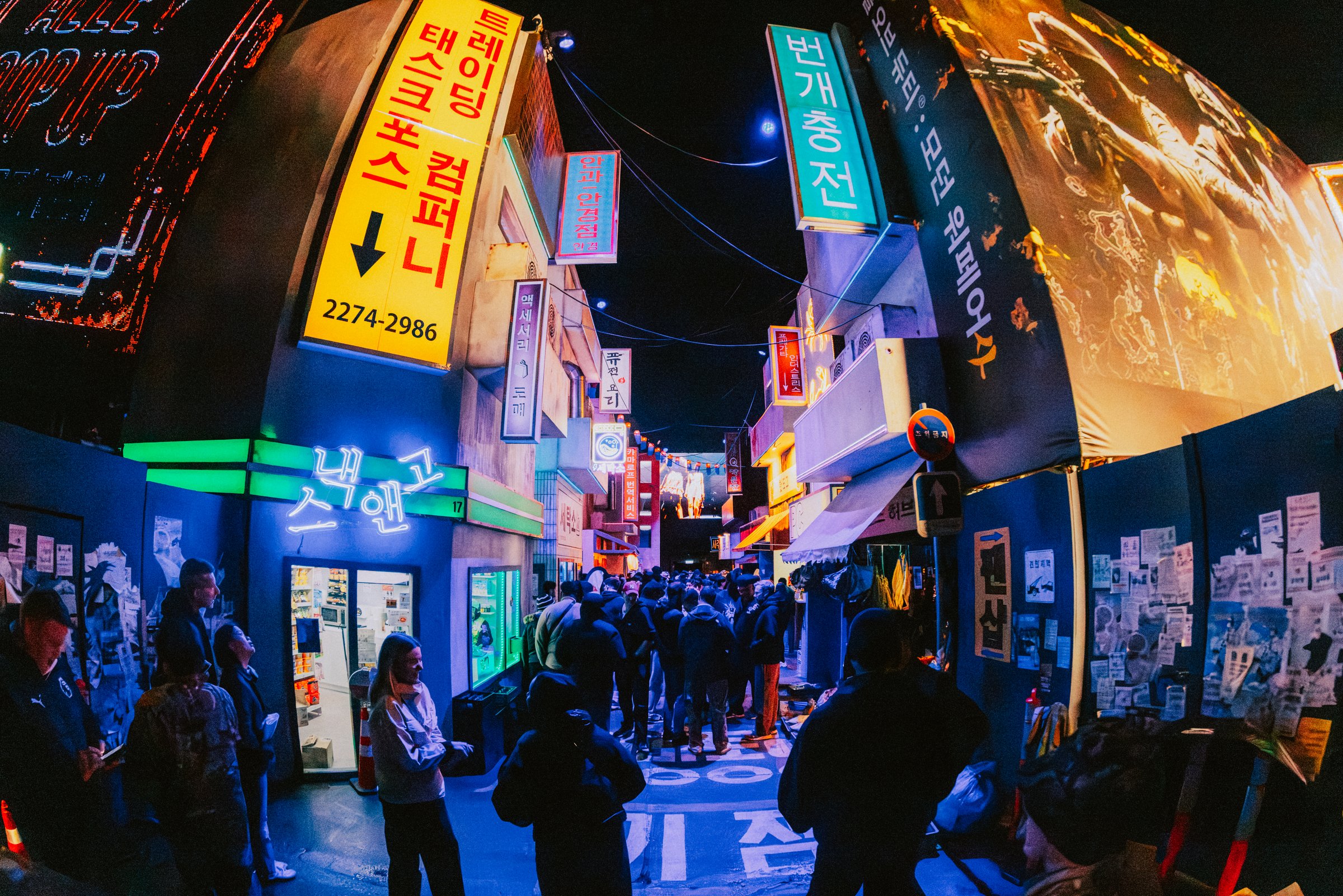
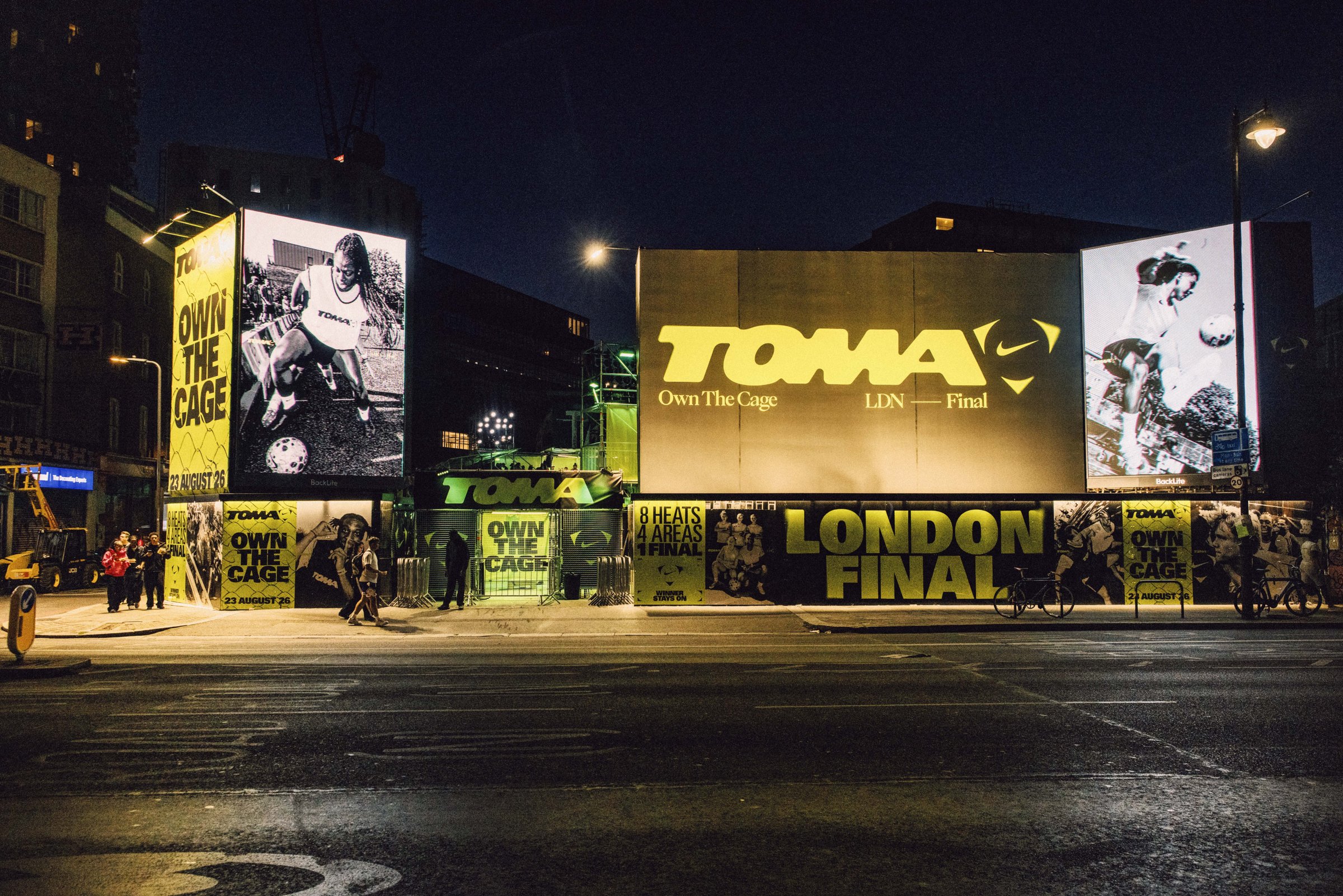
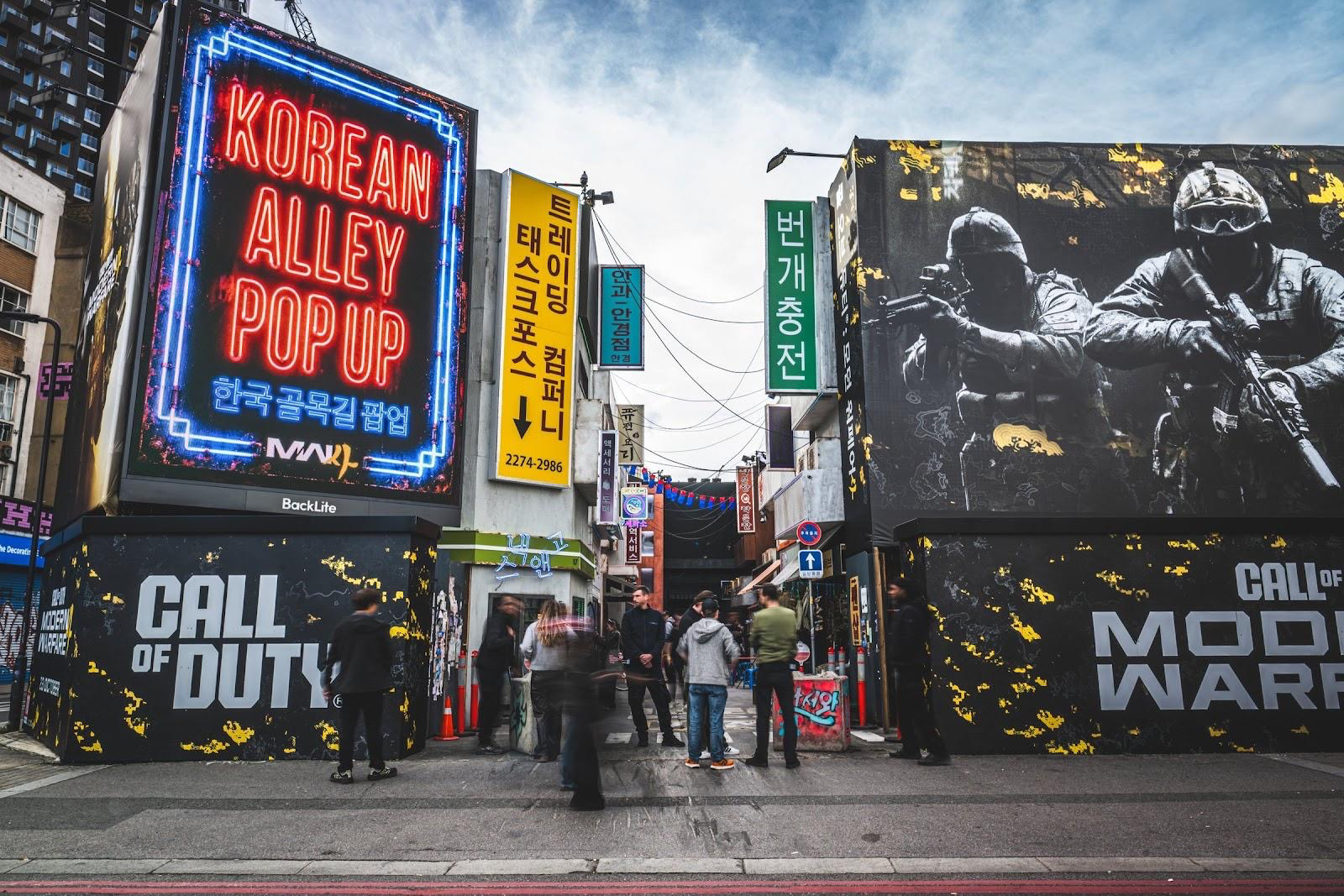
The Electric Garden project on Shoreditch High Street in London serves as a case study for this new era of experiential marketing. Spanning a 21,000-square-foot open-air site, the project functions as a hybrid space. By situating physical, immersive "worlds" behind massive digital screens, brands are no longer limited to projecting an image; they are creating an environment.
The inaugural campaign for Activision’s Call of Duty: Modern Warfare 4 utilized this space to construct a high-fidelity, neon-lit alleyway modeled after urban Seoul. This installation included functional storefronts, authentic decor, and gamified "code-breaking" missions. By providing a tangible, shareable experience, the campaign shifted the metric of success from "impressions" to "dwell time" and "user participation." According to co-founder Alex Ezen, the objective is to leverage the physical environment to foster a level of engagement that a two-dimensional screen cannot replicate, essentially turning a passive advertisement into an interactive destination.
The Role of Smart Glasses in Advertising
The next logical step in this evolution is the integration of Augmented Reality (AR) through wearable technology. Industry analysts predict that as smart glasses move from niche prototypes to consumer-grade hardware, the "screen" will no longer be limited to a billboard or a handheld phone.
If AR glasses become the primary interface for daily life, the urban environment becomes a canvas for personalized, contextual data overlays. For instance, a passerby looking at a film poster through AR-enabled eyewear would not just see a static image; they could receive an immediate, heads-up display showing showtimes, a direct link to purchase tickets, or even a virtual "trail" of navigation leading them to the nearest theater.
This technology moves the advertising model from "broadcasting" to "narrowcasting." Unlike a billboard, which displays the same message to everyone, AR allows for dynamic content delivery based on the viewer’s demographic, location, or previous search history. This shift could theoretically increase the Return on Investment (ROI) for advertisers, as the content becomes inherently more relevant to the individual user.
Timeline of Technological Adoption in OOH
- 1990s – 2000s: The dominance of static billboards and large-format printing.
- 2010 – 2015: The introduction of Digital Out-of-Home (DOOH) displays and the initial use of QR codes.
- 2016 – 2020: The rise of mobile-first campaigns and the integration of social media sharing loops within physical installations.
- 2021 – 2023: The emergence of immersive "experiential" sites, such as Electric Garden, prioritizing foot traffic and user-generated content.
- 2024 and Beyond: The anticipated integration of AR-native advertising, where physical assets serve as triggers for digital overlays via smart glasses.
Market Implications and Data Analysis
According to reports from market intelligence firm Grand View Research, the global augmented reality market is projected to expand at a compound annual growth rate (CAGR) of approximately 40% through 2030. A significant portion of this growth is expected to stem from the advertising and retail sectors.
For the advertising industry, this presents a shift in design philosophy. Creative teams will need to transition from graphic design and cinematography to 3D spatial design and AI-driven content generation. The challenge lies in the "discoverability" of these digital assets; if every surface in a city is augmented, designers must ensure their content is not only visually arresting but also useful enough to warrant the user’s attention.
Ethical and Technical Considerations
While the prospect of a "smart city" advertising layer is lucrative, it brings significant concerns regarding user privacy and digital clutter. The ability for a system to "read" the environment and deliver personalized ads requires a sophisticated network of sensors and data tracking. Regulatory bodies, particularly in the European Union under GDPR, have already begun to scrutinize how consumer data is harvested in public spaces.
Furthermore, there is the issue of "digital pollution." If every billboard, building, and transit sign is broadcasting an augmented signal, users may experience sensory overload. Critics argue that the opt-in or opt-out mechanisms for such systems will be critical to their long-term viability. If the experience becomes intrusive or overwhelming, consumers are likely to disable the technology, rendering the marketing efforts ineffective.
The Future of Urban Design
The integration of physical space with digital, AR-enabled media suggests a future where the distinction between the "real world" and the "digital world" continues to blur. As we look forward, the role of architects, urban planners, and digital designers will become increasingly intertwined.
Buildings and public squares may soon be designed with their "digital twin" in mind, ensuring that the physical structure provides a stable foundation for the augmented layers that will inevitably follow. Whether through immersive installations like those seen in London or through the subtle, persistent overlay of data via smart glasses, the future of advertising will be defined by its ability to exist in both the physical and the virtual simultaneously.
Ultimately, the goal for advertisers is to remain relevant in a world where technology is constantly vying for human attention. By transforming public spaces into interactive experiences, and by utilizing the potential of AR to provide value rather than just noise, the advertising industry is positioning itself to be a cornerstone of the next generation of urban technology. The shift from "looking down" at our phones to "looking at" the world through a digital lens represents a fundamental change in how we perceive, interact with, and navigate our environment.
Related posts: