The Future of Production Design in the Age of Artificial Intelligence: Christopher Glass on Preserving Human Creativity

In an era defined by rapid technological disruption, the film industry finds itself at a pivotal crossroads regarding the integration of Artificial Intelligence into the creative process. For production designers—the architects of a film’s visual language—this transition is both an existential challenge and a logistical reality. Christopher Glass, an award-winning production designer recognized by the Art Directors Guild and a Cannes Lion recipient, has emerged as a vocal advocate for the preservation of human-centric artistry. His perspective offers a critical examination of how the industry can reconcile the efficiency of emerging digital tools with the irreplaceable necessity of tactile, practical, and emotionally resonant set design.
The Role of the Production Designer: Beyond Aesthetics
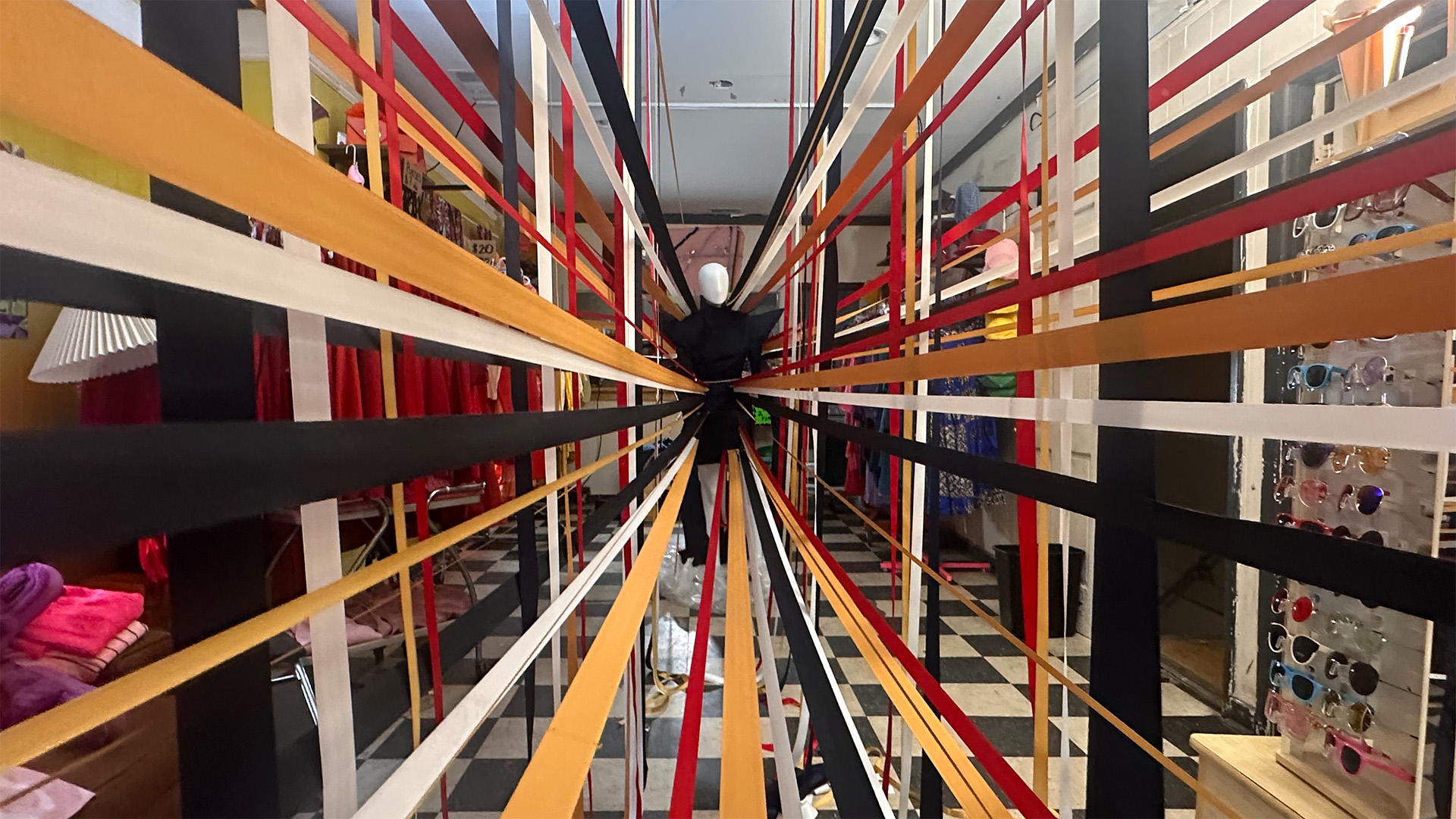
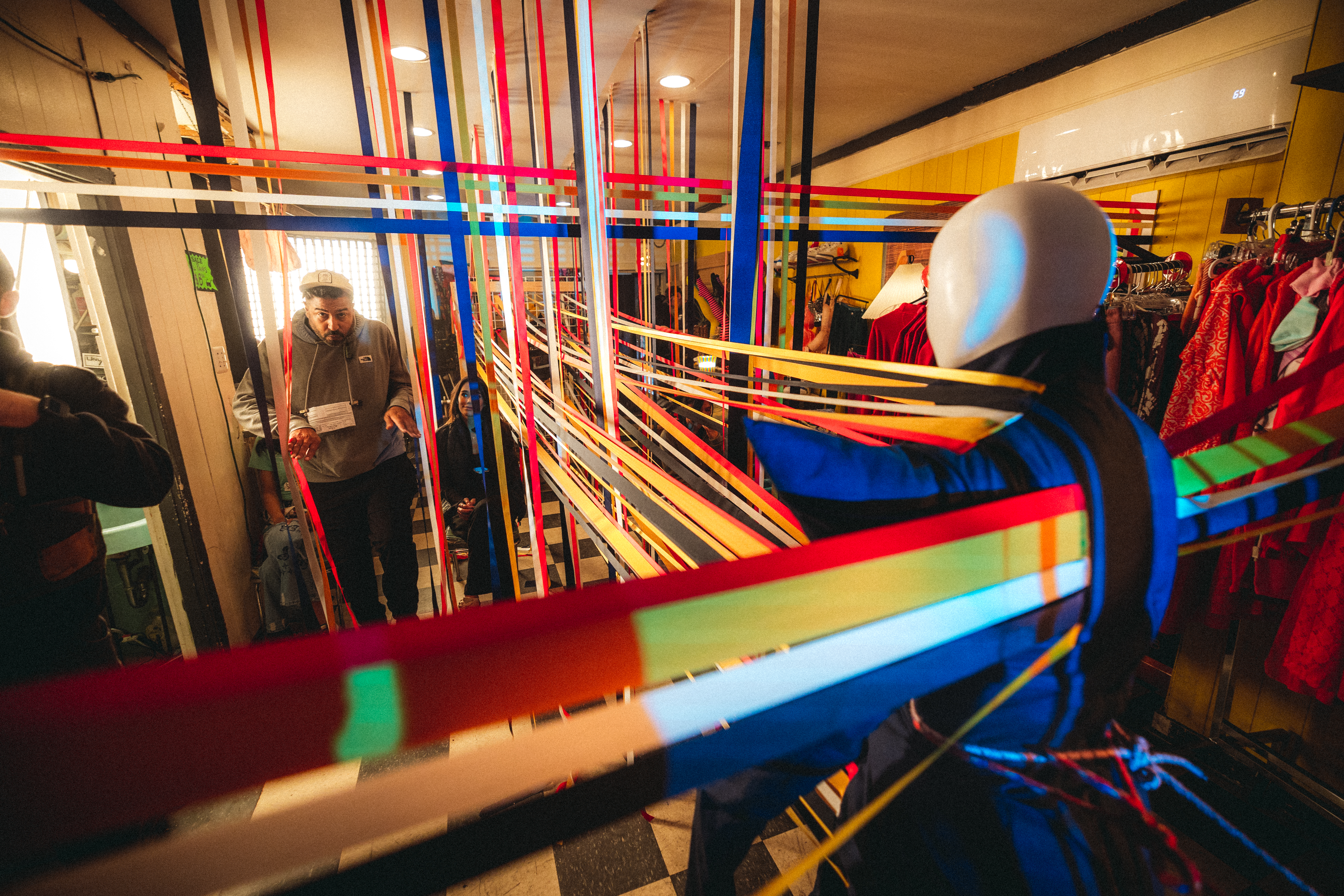
To understand the friction between traditional craft and modern automation, one must first define the scope of production design. As Glass notes, the role remains frequently misunderstood, even by industry insiders. A production designer is the primary architect of a film’s environment, responsible for the overarching visual aesthetic, the physical construction of sets, the selection of textures, and the spatial arrangement that defines the narrative atmosphere. Unlike the director of photography or costume designers, the production designer manages the "world" in which characters exist.
Historically, this role has required a multidisciplinary skillset, blending architecture, interior design, fine art, and budget management. Glass highlights that the effectiveness of this role is often dependent on the collaborative relationship between the designer, the director, and the producers. When this synergy is disrupted by a prioritization of cost-cutting over artistic intent, the narrative quality of a production risks being compromised.
The Technological Evolution: From Practicality to Pixels
The film industry has experienced a series of technological seismic shifts over the last two decades. The move from celluloid to digital cinematography was the first major hurdle, followed by the widespread adoption of Computer Generated Imagery (CGI). Currently, the industry is grappling with "virtual production"—the use of LED volumes (real-time, in-camera visual effects) and AI-assisted workflows.
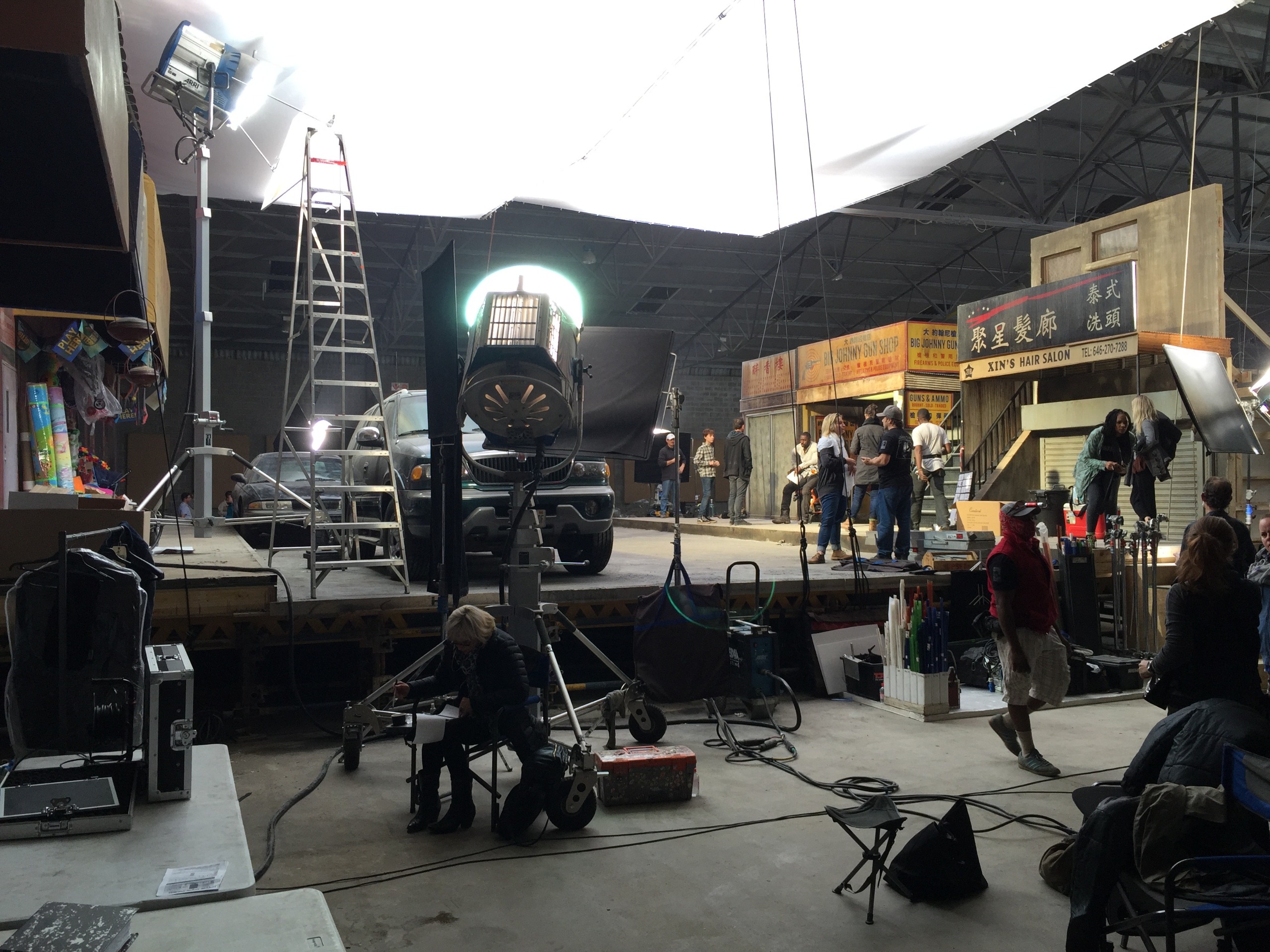
Glass observes that while these tools provide undeniable economic advantages, they often lack the "soul" required for truly immersive storytelling. The reliance on digital environments can inadvertently detach actors from their surroundings. Performance is intrinsically linked to environment; when an actor interacts with a physical, tangible set, their reactions are grounded in real-time stimuli. This tactile feedback loop is a fundamental component of dramatic performance that digital projections struggle to replicate.
The AI Paradox: Utility vs. Humanity
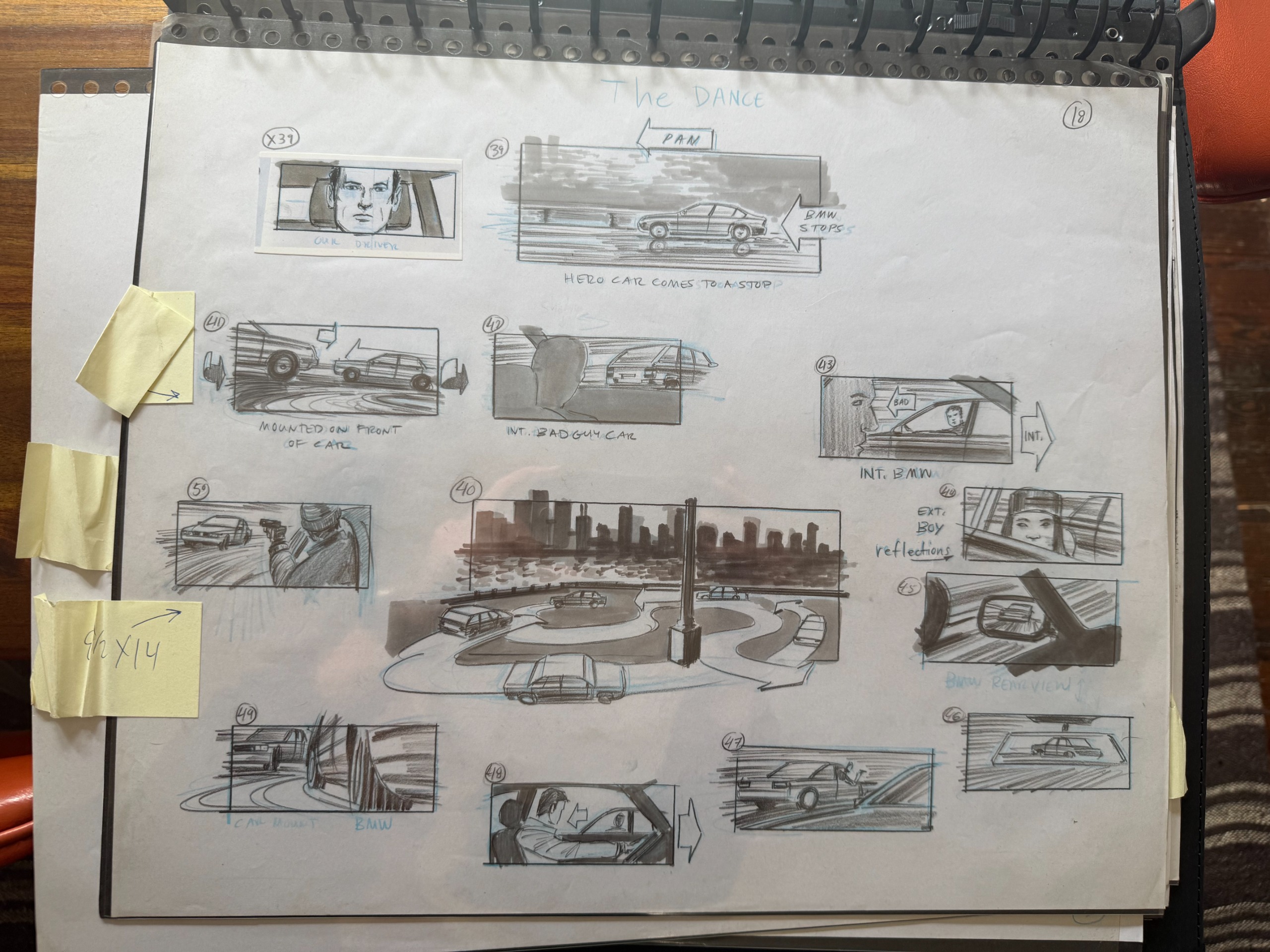
The current debate surrounding AI in filmmaking centers on the distinction between technical automation and creative invention. Glass acknowledges the utility of AI in specific, labor-intensive tasks. For instance, the automation of "rig removal" (deleting cranes or safety equipment from a shot) or the rapid generation of high-quality set extensions can significantly reduce post-production timelines and costs. Similarly, AI tools are increasingly used for "pre-visualization," allowing designers to communicate visual concepts to stakeholders with unprecedented speed.
However, Glass posits that these tools represent the "antithesis of feelings." He argues that AI models, which are trained on vast datasets of existing human work, are essentially "vacuum machines" that ingest human experience to regurgitate patterns. Because they lack lived memory, emotional depth, and the capacity for spontaneous, irrational creative leaps, they cannot replace the human designer’s ability to synthesize personal history and culture into a novel visual language.

Economic Realities and Industry Displacement
The economic pressure to adopt AI is mounting. Studios, facing increased competition and rising production costs, are under immense pressure to optimize workflows. This has led to widespread concern regarding job security for junior designers and artists. According to recent reports from the Bureau of Labor Statistics and industry unions like IATSE, the creative sector is experiencing a period of volatility as traditional tasks become automated.
Glass warns that if the industry continues to prioritize the "fastest, cheapest" route, it risks a homogenization of visual media. He emphasizes that the danger lies not in the existence of these tools, but in the decision-making process of those who hold the power to implement them. The risk is an industry that prioritizes technical efficiency at the expense of the unique, messy, and human-driven idiosyncrasies that have historically defined iconic cinema.
Strategic Advice for the Next Generation
Despite the prevailing anxieties, Glass remains optimistic about the future of the profession, provided that emerging designers adapt strategically. His advice to the next generation is threefold:
- Weaponize the Technology: Rather than fearing AI, young creatives should master it. By using AI as a tool to streamline the mundane aspects of production, designers can reclaim time for higher-level creative thinking. The objective is to remain the "pilot" of the technology, ensuring that AI serves the design rather than dictating it.
- Prioritize Collaboration and Humility: Film remains a collaborative medium. The ability to listen, admit to knowledge gaps, and foster strong interpersonal relationships with directors and crew members is a skill that no algorithm can replicate. Human intelligence is defined by the capacity for complex social navigation and negotiation—traits that are vital on any film set.
- Broaden the Creative Foundation: Glass encourages aspiring designers to look beyond digital tutorials. He advocates for the study of history, art, and architecture in physical spaces. By grounding one’s work in a deep understanding of the real world—rather than just the digital one—designers can bring a level of depth and texture to their work that AI-generated imagery cannot easily mimic.
Broader Implications for the Creative Economy
The integration of AI into filmmaking is not merely a technical update; it is a structural transformation. As studios invest heavily in virtual production and AI-driven workflows, the balance of power within the production hierarchy is likely to shift. If the barrier to entry for creating high-fidelity imagery drops, the value of the "human touch"—the specific artistic vision of a trained designer—may actually increase.
The industry is currently in a state of flux, with labor unions and creative guilds actively negotiating the boundaries of AI usage. The goal is to establish frameworks that protect the rights and livelihoods of artists while allowing for technological progress. As Christopher Glass suggests, the future of the industry will likely belong to those who can bridge the gap between technical proficiency and human emotional expression.
In conclusion, while AI will undoubtedly continue to reshape the landscape of production design, it cannot serve as a complete substitute for the human designer. The history of filmmaking is a history of adapting to new tools, from sound recording to color film to digital cameras. Each iteration has forced the industry to evolve, but the core requirement—the need for a human to interpret a story and manifest it in a way that resonates with an audience—remains constant. As Glass aptly puts it, designers must be courageous, confident, and, above all, keep dreaming, ensuring that the technology remains a tool for storytelling rather than a replacement for the storyteller.