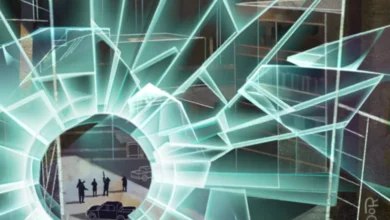
Recreating the Soviet Space Race: Inside DNEG’s Visual Effects Mastery for Apple TV+ Series Star City

The landscape of alternative history science fiction has continually expanded over recent years, pushing creators to build immersive worlds that feel authentic to both historical contexts and speculative fiction. Apple TV+ has cemented itself as a major player in this subgenre, following the critical success of its alternate-timeline space race drama For All Mankind. Building upon the rich narrative universe established by its predecessor, the streaming platform introduced Star City, a thrilling sci-fi spinoff series that redirects its narrative lens toward the Soviet Union’s side of the space race. At the heart of this gripping narrative is a pivotal divergence point: the survival of legendary Soviet rocket engineer and spacecraft designer Sergei Korolev, who historically died during routine surgery in 1966. In the timeline of Star City, Korolev survives, propelling the Soviet space program to unprecedented heights and securing their place as the first nation to successfully land a person on the moon.
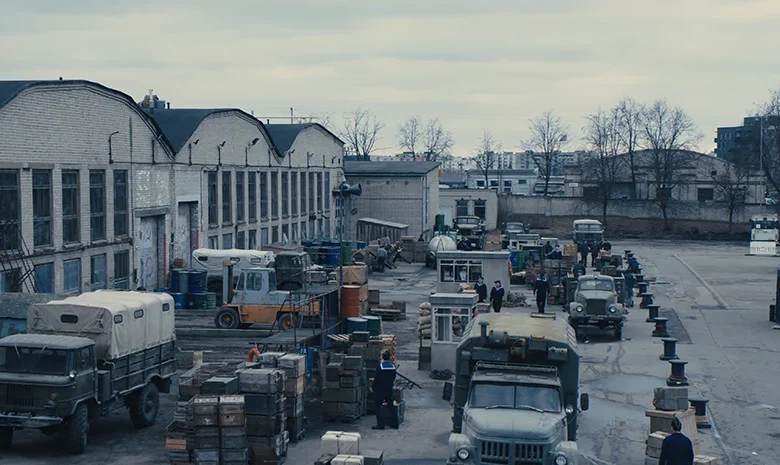
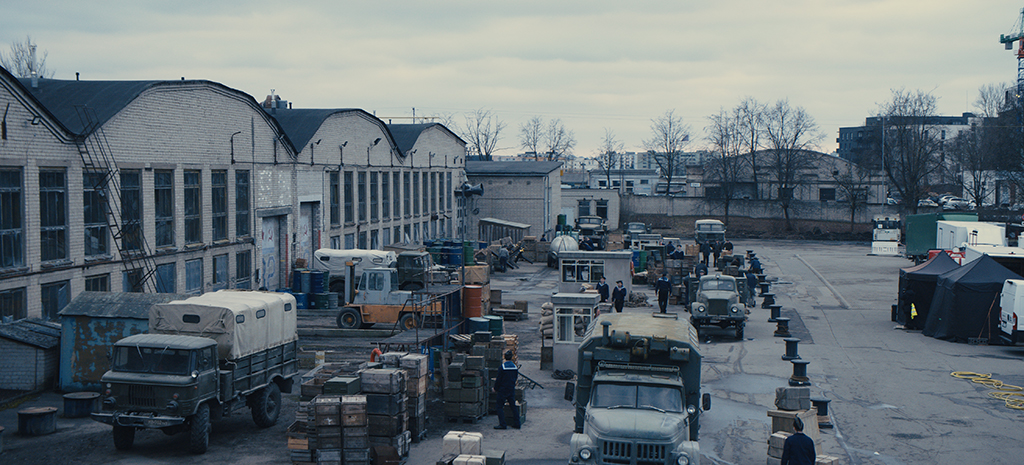
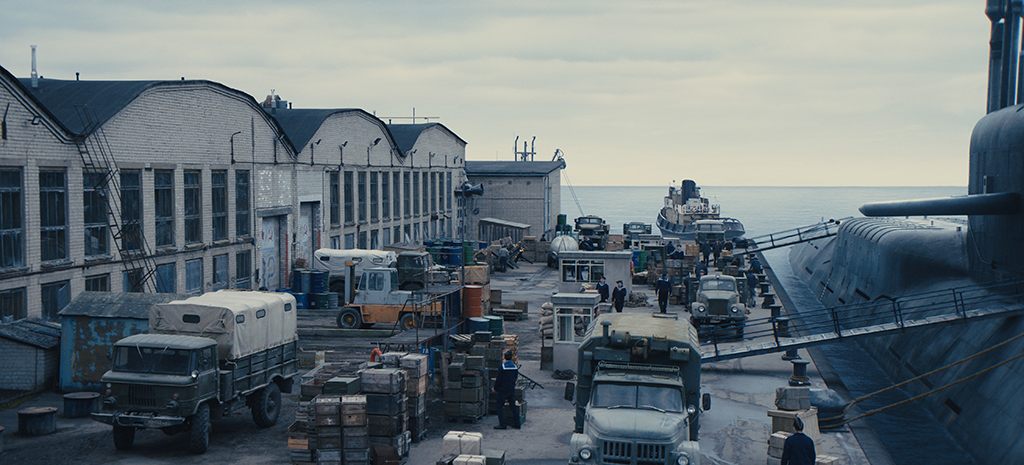
To bring this tense, Cold War-infused vision to life, production visual effects supervisors Jay Redd and Todd Perry enlisted the world-class VFX powerhouse DNEG. Tasked with delivering an ambitious 131 visual effects shots distributed across 21 distinct sequences, DNEG faced a multifaceted production challenge. Their mandate was not merely to generate CGI spacecraft and alien landscapes, but to meticulously recreate a gritty, historically grounded 1970s espionage aesthetic. The resulting visual language borrows heavily from the paranoia-driven political thrillers and conspiracy films of that era, characterized by stark shadows, desaturated palettes, and a deliberately grainy, analog texture that anchors the speculative narrative in gritty realism.
Establishing the 1970s Cold War Aesthetic and Vintage Lens Technology
Achieving the distinct visual tone of Star City required an extraordinary level of collaboration between the physical production crew and DNEG’s digital artists. According to DNEG Visual Effects Supervisor Chris Keller, the series aimed to maintain unwavering historical accuracy within its alternative framework, ensuring the world felt genuine and lived-in. This commitment began on set, where directors and cinematographers shot principal photography using authentic vintage Soviet camera glass. By utilizing period-accurate lenses originating from the Eastern Bloc, the production captured innate optical anomalies that digital artists subsequently needed to respect and expand upon.
DNEG embarked on an extensive research and development phase to replicate the complex optical artifacts generated by these vintage lenses. Rather than relying on standard digital distortion tools, the team integrated lens distortion, vignetting, and chromatic aberrations directly into their compositing pipelines. Going a step further, the artists retooled an advanced defocus node discovered online, capable of simulating hypercomplex optical phenomena such as astigmatism, cat-eye apertures, barn doors, and intricate chromatic aberrations within the bokeh kernel. Combined with physical optical lens flares captured practically by the production crew during principal photography, these digital enhancements imbued the visual effects shots with an organic, period-accurate authenticity that elevated the storytelling.
Expanding the Historical Archive: Recreating the First Soviet Moon Landing
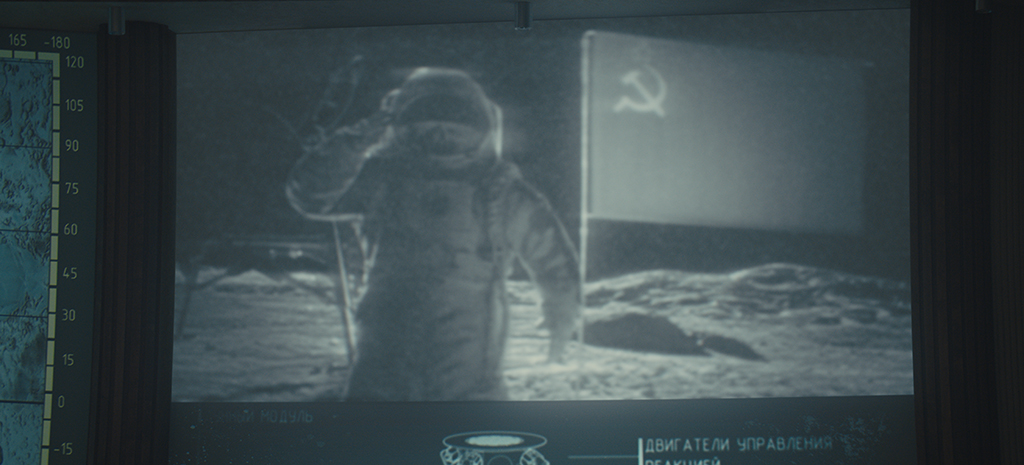
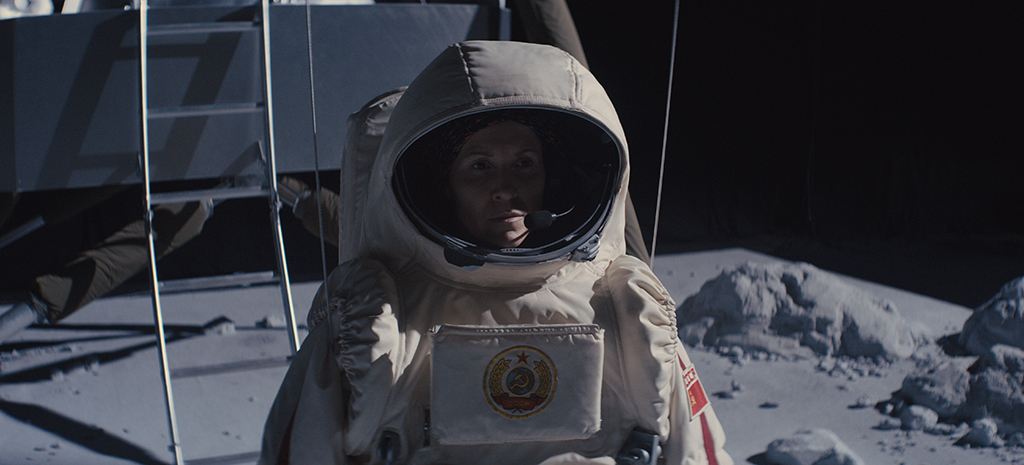
One of the most technically demanding tasks undertaken by DNEG was expanding upon the monumental first Soviet moon landing, an event briefly touched upon in the inaugural season of For All Mankind. Because the original visual effects asset files from 2019 were no longer accessible to the production, DNEG had to rely exclusively on surviving plate photography of the actors captured years prior.
Utilizing these historical plates, artists performed meticulous rotomation on the actors—including cosmonaut Alexei Leonov—to seamlessly integrate them into fully rendered computer-generated environments. While certain shots match the framing and choreography seen in Episode 101 of For All Mankind, Star City introduces entirely new camera angles and spatial perspectives. DNEG constructed comprehensive digital assets for the lunar lander and the surrounding topography, making subtle adjustments to terrain features while meticulously preserving the low-resolution broadcast effects and analog artifacts characteristic of 1970s television transmissions.
Overcoming the Complexities of Lunar Environments and CG Visors
Designing the lunar surface for both Soviet moon landings demanded rigorous geological research. The DNEG team focused heavily on the moon’s south pole, analyzing publicly available data provided by NASA, including high-resolution height maps, measurements of subsurface characteristics, and the unique reflective properties of lunar regolith. This data served as the foundational bedrock for modeling and look development. Artists compiled an extensive library of modular boulders, scattered rock debris, impact craters, and ridgelines, allowing digital layout teams to populate the terrain dynamically on a shot-by-shot basis for optimal dramatic composition.
Lighting on the lunar surface presented its own unique hurdles. In the airless, vacuum environment of space, direct sunlight is exceptionally harsh and unforgiving. Keller noted that front-lighting the lunar landscape instantly flattens the terrain into an unappealing gray mush. To counter this, DNEG deliberately positioned lighting to heavily backlight the scenes, emphasizing the dramatic, elongated shadows essential for capturing the bleak, desolate nature of the moon. Emulating real-world physics, the sky was rendered as a pitch-black void completely devoid of visible stars, mirroring historical Apollo mission photography and reinforcing the profound isolation experienced by the characters.
Compounding these challenges was the creation of character visor reflections. Visor reflections are widely recognized in the visual effects industry as notoriously difficult to execute convincingly because space helmets function essentially as convex mirror balls. Even during intimate close-up shots, DNEG was forced to render the entire 360-degree surrounding environment in full computer graphics. Because accurate reflections would result in awkward horizon lines cutting directly across an actor’s face—interfering with facial performances and inadvertently giving characters digital mustaches—artists frequently cheated the layout of the reflected environment, subtly shifting horizons up or down and fading out reflections near the center of the frame to preserve emotional engagement.
Visualizing Orbital Mechanics: The Re-Entry, Plasma Shielding, and Dogfight Sequences
The narrative scope of Star City extends far beyond the lunar surface into Earth’s orbit and atmosphere, culminating in high-stakes action sequences involving Soyuz spacecraft, the Salyut-1 space station, and aerial combat. The re-entry sequences required a delicate balance between serene, slow-moving orbital vistas and high-octane destruction simulations.
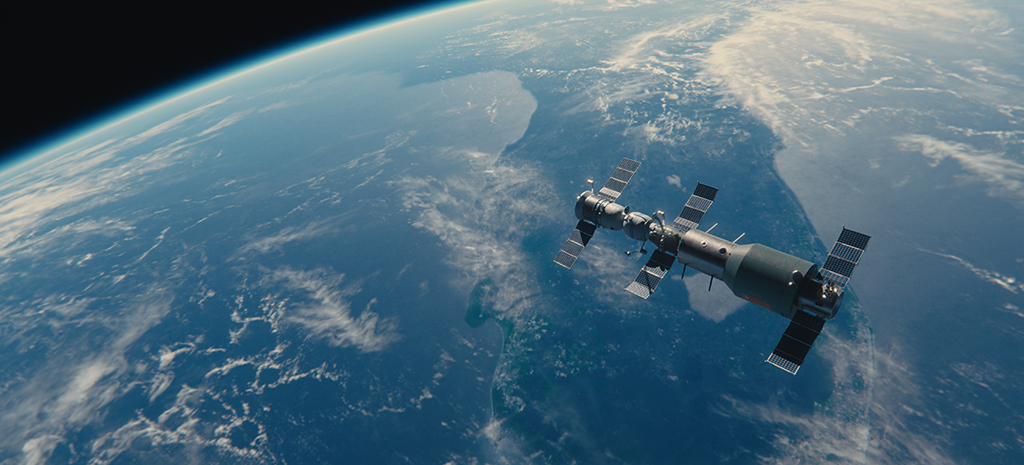
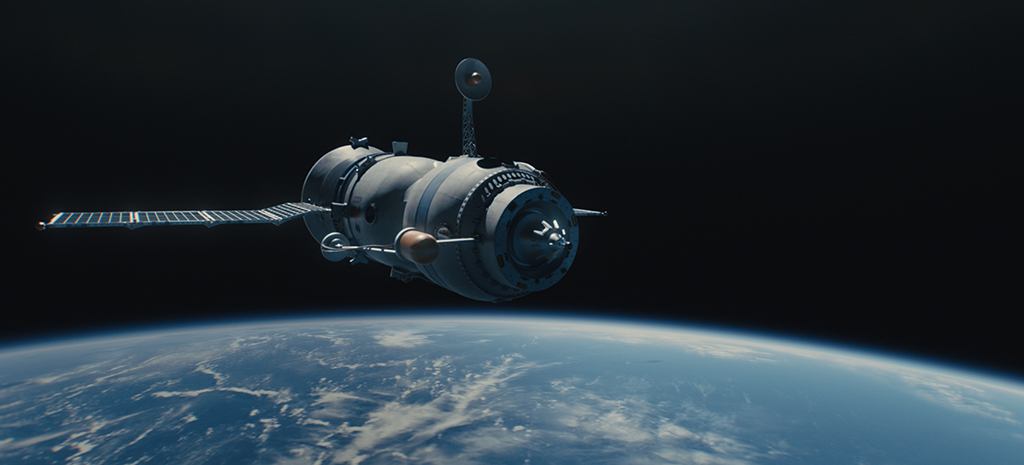
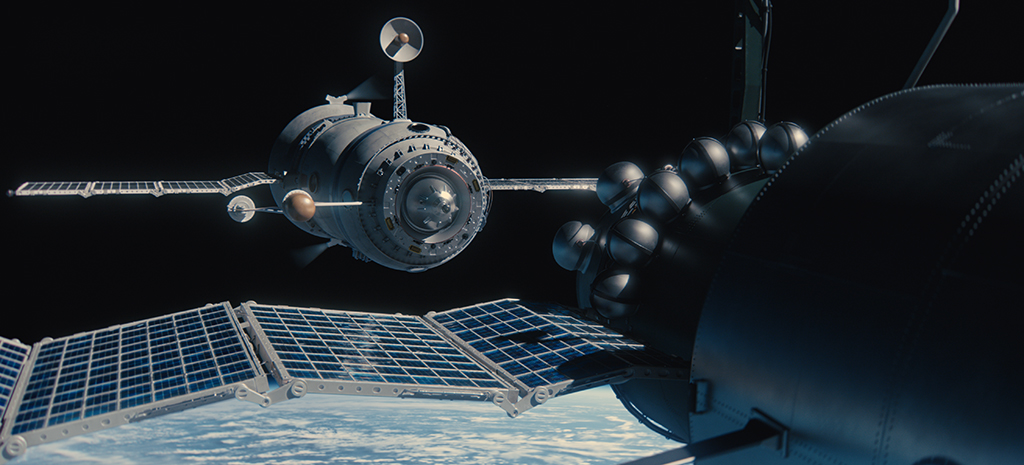
Because historical documentation regarding Soviet spacecraft design remains sparse due to decades of state secrecy, DNEG artists scoured obscure digital archives to gather reference imagery for modeling the Soyuz and Salyut-1 assets. Every minute detail—including structural panel lines, welding seams, metal riveting, and subtle accumulations of space grime—was meticulously textured to react realistically to the harsh, directional sunlight of low Earth orbit.
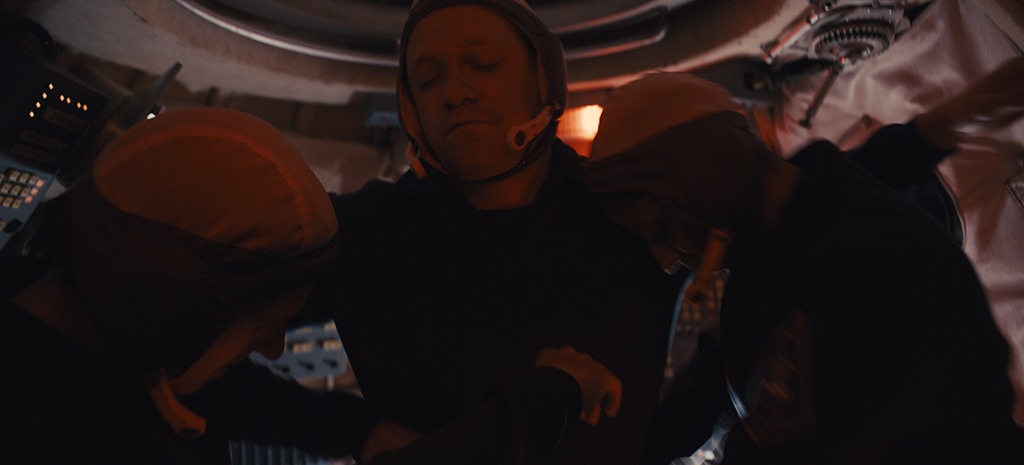
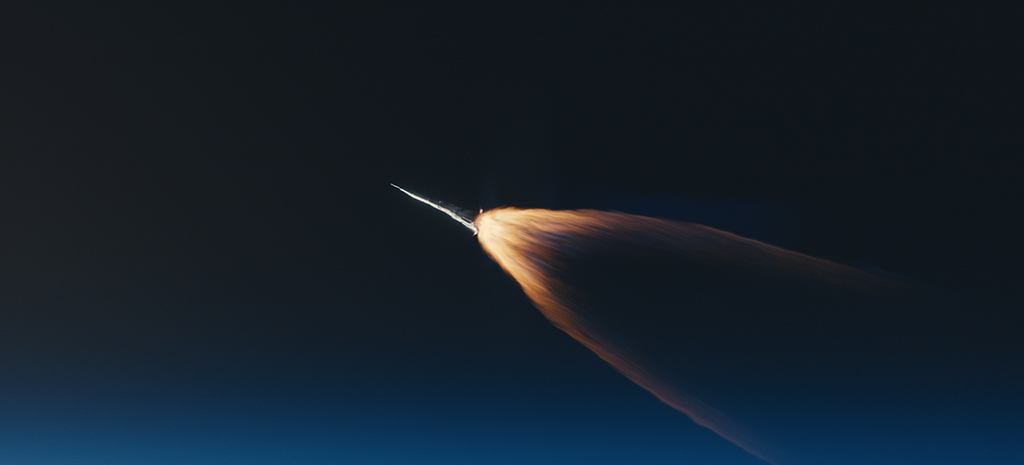
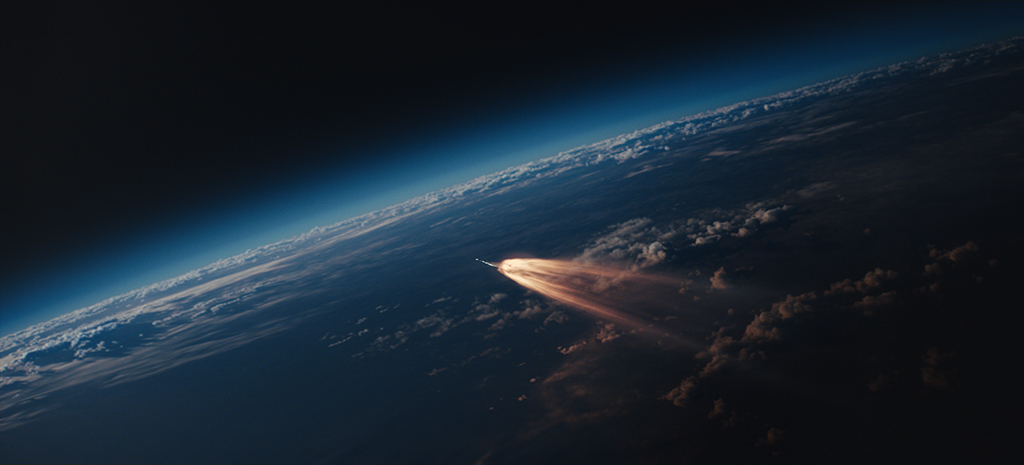
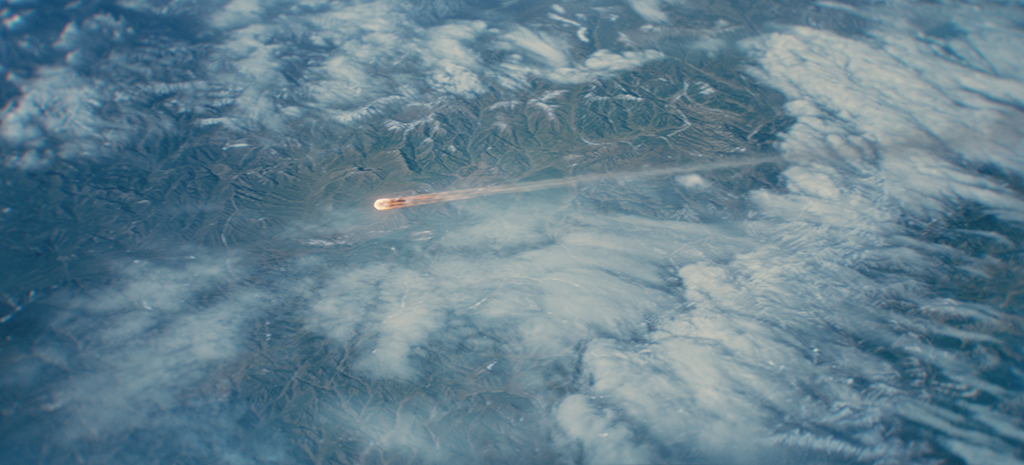
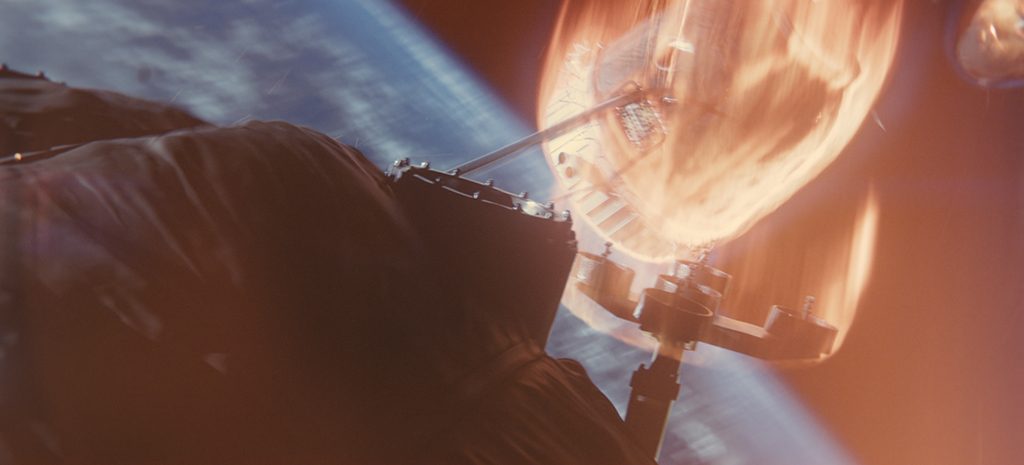
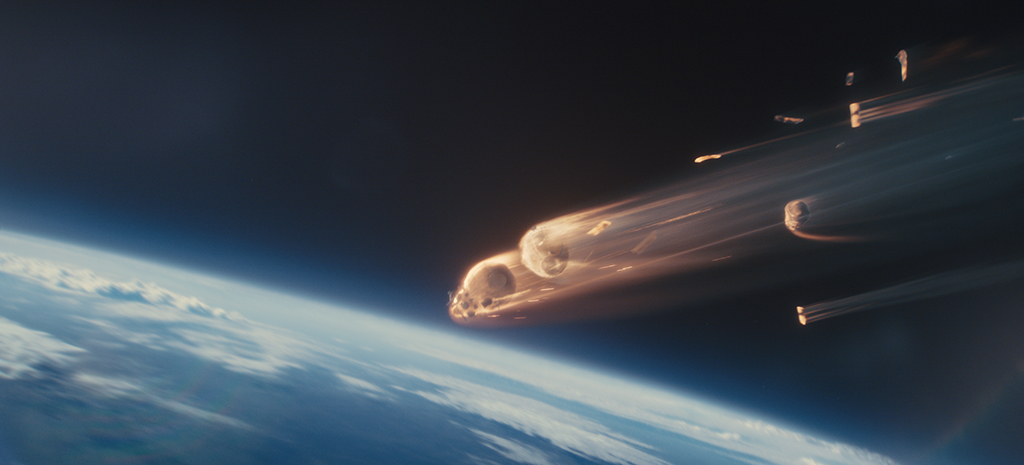
To visualize the harrowing atmospheric re-entry of the Soyuz descent modules, DNEG relied on NASA-produced animatics as a foundational reference. These archival resources provided invaluable insight into how extreme thermal protective layers and plasma sheaths form around a spacecraft hurtling through the upper atmosphere. The resulting plasma effect was constructed as a complex multilayered simulation comprising distinct fire types, leading-edge thermal bursts, varying lengths of incandescent sparks, and atmospheric smoke.
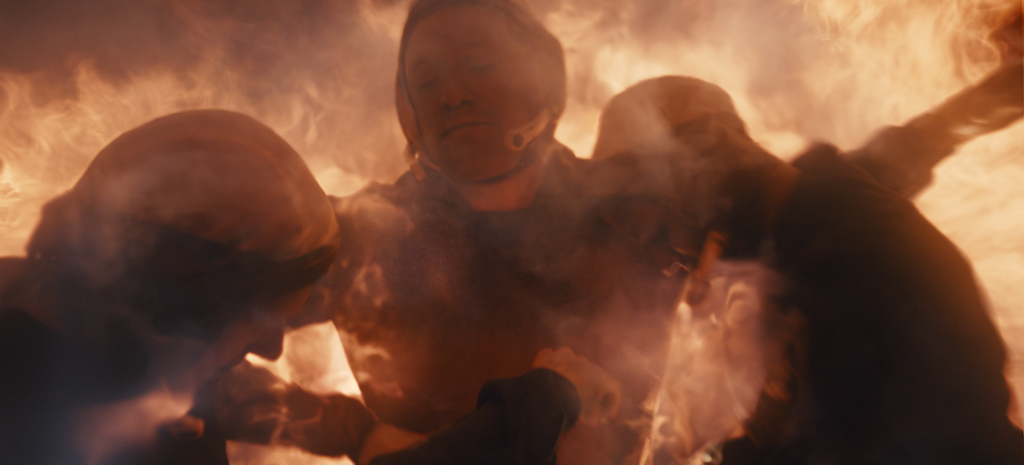
As the capsule descends through the thinning air pockets of the upper stratosphere, the visual effects evolve organically. Initial bursts of glowing sparks give way to localized tongues of flame before the entire spacecraft is engulfed in a roaring tempest of superheated plasma. As air resistance intensifies, the outer thermal coverings burn away entirely, leaving behind a heavily charred, oxidized metal hull.
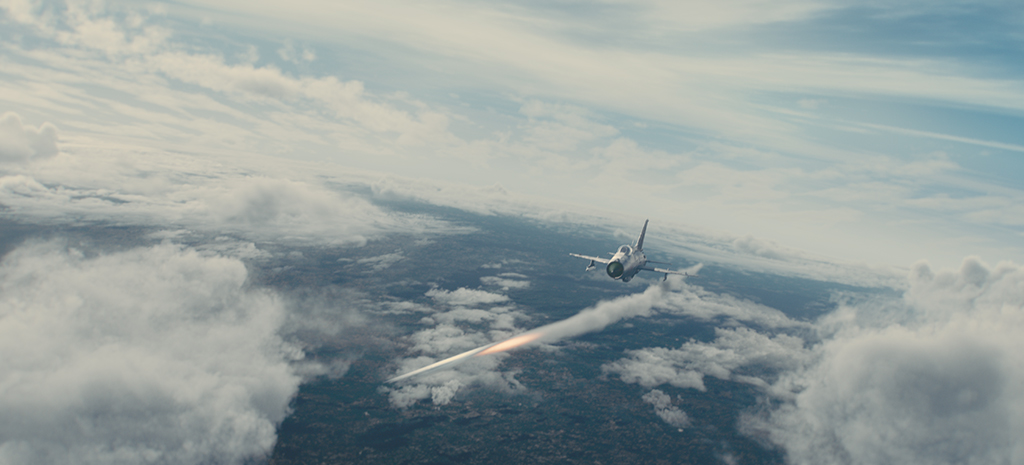
In later episodes, the tension escalates dramatically when a computer-generated MiG-21 fighter jet intercepts the descending Soyuz spacecraft, firing heat-seeking missiles that trigger a catastrophic mid-air explosion. Integrating the MiG-21 posed a distinct challenge due to its highly reflective, chrome-like fuselage, which made specular highlights difficult to control. The ensuing explosion required precise artistic balancing; the animation had to convey the immense physical weight of the spacecraft while simultaneously ensuring the chaotic camera buffeting and rapid edits clearly communicated the kinetic action to the audience.
A Novel Hybrid Approach to Planetary Rendering and Cloud Generation
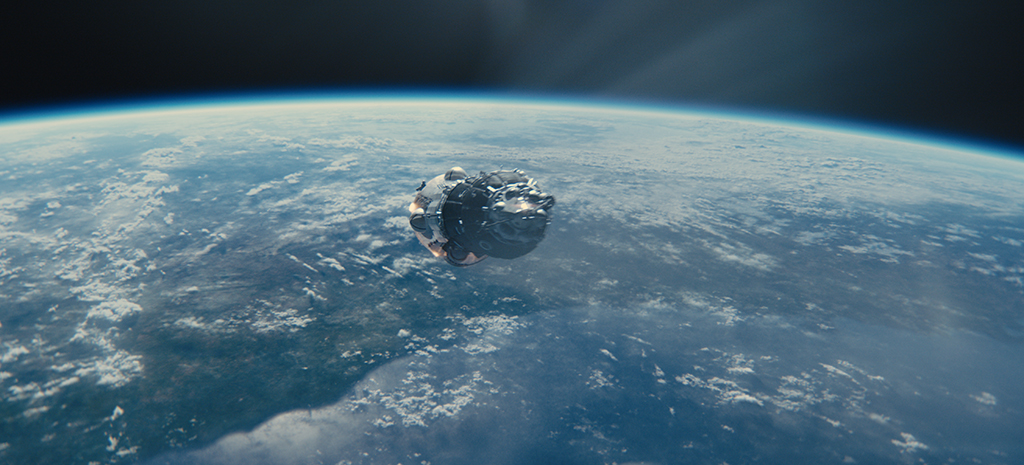
Perhaps DNEG’s most technically innovative achievement on Star City lies in its portrayal of Earth from orbit. Recognizing that traditional matte-painting methodologies would result in a fragmented, inconsistent visual world due to varying source resolutions and lighting mismatches, Chris Keller spearheaded a novel hybrid workflow for global cloud formations.
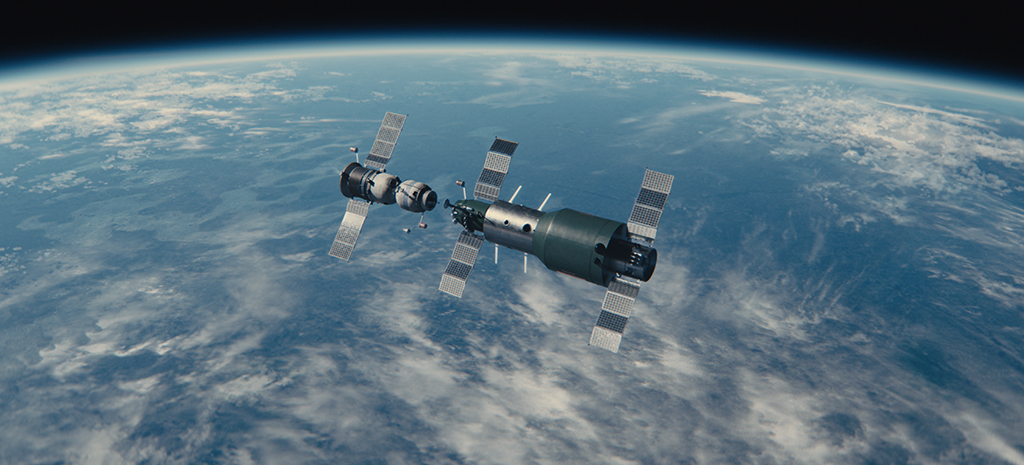
Rather than painting static 2D clouds onto digital globes, the team constructed a comprehensive library of extracted cloud textures derived from actual high-resolution weather systems captured from space. These photographic textures were mapped onto a fully rendered 3D Earth model for each specific camera angle and subsequently used to drive a volumetric shader within the Terragen environment generation software. By applying consistent shader settings, lighting parameters, and render engines across all global shots, DNEG achieved unprecedented photorealism. This technical triumph is most prominently showcased in Episode 107 during the orbital docking sequence between the Soyuz and Salyut-1 space station—a sequence Keller describes as his personal favorite, evoking the slow, deliberate cinematic pacing and spatial elegance of Stanley Kubrick’s 2001: A Space Odyssey.
Broader Impact and Industry Implications
The technical success of Star City underscores a broader evolution within the television visual effects landscape. As streaming platforms demand feature-film quality visual fidelity on accelerated episodic production schedules, vendors like DNEG are increasingly required to develop proprietary hybrid pipelines and advanced physical simulations. By marrying historical archival research with cutting-edge procedural tools and vintage optical emulation, Star City sets a new benchmark for alternate-history world-building.
The series demonstrates that historical verisimilitude is not achieved merely by replicating hardware, but by capturing the intangible optical and atmospheric qualities of an era. Through meticulous attention to detail—from the grain of Soviet camera lenses to the unforgiving vacuum of the lunar south pole—DNEG has delivered a visual landscape that feels not only plausible, but historically inevitable within its speculative domain.