21 Martyrs: An Analytical Deep Dive into the Oscar-Shortlisted Masterpiece of Animated Storytelling

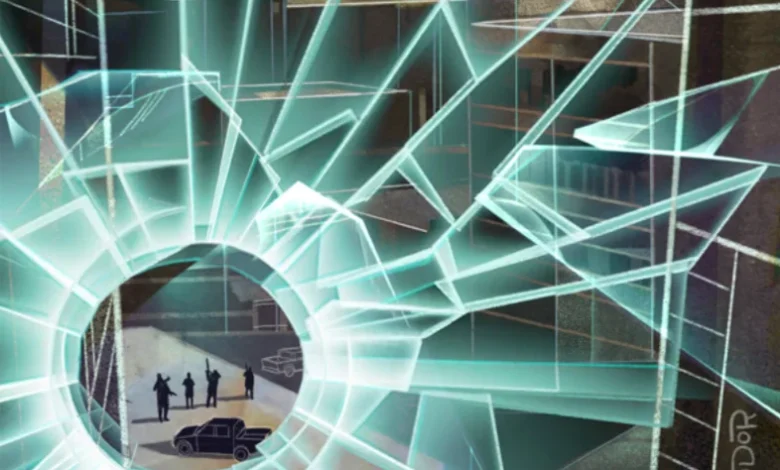
The 13-minute animated short film 21 Martyrs has emerged as a significant contender in this year’s Oscar race, garnering critical acclaim for its profound subject matter and innovative visual language. Directed by Tod Polson and spanning a five-year production window from 2019 to 2024, the film serves as a somber yet transcendent reflection on the 2015 execution of 21 Coptic Christians by ISIS in Libya. The project is a global endeavor, drawing creative contributions from artists across 23 countries, including Egypt, Japan, Canada, and South Africa, and has been lauded by animation luminary Glen Keane as "powerful, heart-wrenching, challenging, and inspiring."
The Historical Context: The 2015 Tragedy
To understand the gravity of the film, one must revisit the events of February 2015. On the shores of Sirte, Libya, a group of 21 migrant workers—20 of whom were Coptic Christians from Egypt and one a colleague from Ghana—were executed by militants affiliated with the Islamic State. The militants released a high-definition propaganda video of the event, which was intended to project terror. However, the international reaction was one of profound shock and solemn reverence, as the footage captured the men maintaining their composure and faith until their final moments.
The event became a watershed moment for the Coptic Orthodox Church and a symbol of resilience in the face of extremist violence. In the years following, the Catholic Church formally recognized the men as martyrs, and their story has been memorialized through various artistic and theological lenses. Polson’s film does not merely document the tragedy; it attempts to elevate the narrative into the realm of the sacred, utilizing the aesthetic traditions of the Coptic Church to provide a dignifying counter-narrative to the initial propaganda.
Chronology of Production: A Five-Year Journey
The production of 21 Martyrs was an arduous process characterized by meticulous research and cross-cultural collaboration.

- 2019: Pre-production begins under the direction of Tod Polson. The focus is shifted toward gathering primary source material, including interviews with the families of the victims, journalists who covered the conflict in Libya, and experts in Coptic history.
- 2020–2021: The creative team establishes the visual framework. Collaboration with iconographer Nikola Sarić begins, focusing on defining a color palette that adheres to historical Coptic artistic principles while maintaining an animated fluidity.
- 2022: Global collaboration ramps up as artists from 23 nations contribute to the animation. The production adopts a "handmade" aesthetic, integrating actual hand-painted textures to move away from the sterility of purely digital animation.
- 2023: Sound design and score composition are finalized. The Ayoub Sisters (Sarah and Laura Ayoub) contribute an original soundtrack, while sound designer Giles Lamb builds an evocative soundscape intended to mirror the tension and ultimate stillness of the martyrs.
- 2024: The film reaches completion, securing distribution and festival runs that lead to its current status as an Oscar-shortlisted short film.
Artistic Methodology: Coptic Iconography as Narrative Tool
The visual language of the film is perhaps its most distinct contribution to modern animation. Producer Mandi Hart explains that the aesthetic was deeply influenced by the "Neo-Coptic" movement. By utilizing a square Academy aspect ratio, the filmmakers achieved a vertical, portrait-like framing that mimics traditional religious icons. This choice serves a dual purpose: it grounds the film in a historical aesthetic and provides an intimate, focused lens through which the viewer experiences the characters’ emotional states.
The film employs a deliberate contrast in character design. The martyrs are rendered with subtle, iconographic features that emphasize the eyes—a technique used in religious art to invite the viewer into the subject’s spiritual interiority. Conversely, the militants are depicted through a minimalist, de-individualized lens. By stripping away facial features and color depth from the antagonists, the filmmakers reinforce the theme of dehumanization inherent in extremist ideology.
Symbolism acts as a narrative through-line. Birds appear as recurring motifs representing the Holy Spirit, while the manipulation of light—specifically the use of gold—signifies the presence of the divine. This integration of theological symbolism into a contemporary animated medium represents a significant departure from standard biographical storytelling, moving the film closer to the genre of a cinematic prayer.
Global Collaboration and Consultative Oversight
The production’s credibility was bolstered by a high-level consultative board, including His Eminence Archbishop Angaelos, as well as renowned animators Tomm Moore and Tom Bancroft. These consultations ensured that the film maintained cultural and theological accuracy while navigating the sensitive terrain of representing religious persecution.
The involvement of artists from 23 countries reflects a growing trend in the animation industry: the rise of cross-border, content-specific collaborations. As demand for nuanced, culturally specific content expands, projects like 21 Martyrs demonstrate that independent studios can mobilize global talent to produce high-fidelity art that rivals large-scale commercial productions. This "decentralized" production model allowed the team to incorporate regional artistic sensibilities from Syria, Ukraine, and Egypt, creating a visual mosaic that honors the international scope of the martyrs’ lives.

Analysis: Implications for Animated Storytelling
The success of 21 Martyrs on the festival circuit highlights a shift in the perceived boundaries of animated media. Historically, animation has often been relegated to the realm of children’s entertainment or lighthearted satire. However, the last decade has seen a rise in "serious" animated shorts that tackle historical trauma, war, and existential questions with a level of gravity typically reserved for live-action documentary filmmaking.
By choosing animation, Polson has circumvented the limitations of live-action reenactment, which can often veer into the voyeuristic or gratuitous when depicting violence. Animation allows for the abstraction of horror; it permits the filmmaker to focus on the psychological and spiritual state of the victims without relying on graphic depiction. This approach preserves the dignity of the subjects while still conveying the intensity of their experience to the audience.
Furthermore, the film’s success suggests that audiences are increasingly seeking content that provides intellectual and emotional depth, even within short-form media. The inclusion of the film on the Oscar shortlist serves as an industry-wide validation of the idea that animation is a versatile, mature medium capable of holding space for complex historical discourse.
Official Responses and Academic Reception
While the film is still in the early stages of its public release, initial academic and religious responses have been overwhelmingly positive. Critics have noted that the film manages to bridge the gap between "high art" and "populist storytelling," making the complex theological concepts of martyrdom accessible to a secular audience.
Archbishop Angaelos has previously noted the importance of ensuring that the story of the 21 is told with nuance, emphasizing that the focus should remain on the humanity of the individuals rather than the politics of their death. The film seems to have achieved this balance, with reports from early screenings indicating that viewers—regardless of their religious background—are finding the narrative resonant and humanizing.

Broader Impact
As the film continues its journey through the awards season, its impact will likely be measured by its ability to foster dialogue. It serves as a reminder of the ongoing challenges facing religious minorities globally, and by centering the narrative on the individuals rather than the geopolitical conflict, it keeps the focus on the universal human capacity for resilience.
For the animation industry, 21 Martyrs represents a benchmark in the use of traditional art forms to inform modern digital practice. By looking backward to the techniques of Coptic iconographers and the precision of WWI-era Vorticists, the film has created a visual identity that is both timeless and strikingly modern. As the industry moves forward, the success of this project may encourage other creators to look toward historical art traditions as a means of diversifying the visual vocabulary of contemporary animation.
Ultimately, 21 Martyrs is a testament to the idea that animation can be a vehicle for empathy. In a landscape often dominated by franchise-driven content, this independent, collaborative work provides a necessary space for reflection, mourning, and the celebration of the human spirit. Through the collective effort of artists across the globe, the story of these men has been preserved, transformed, and elevated, ensuring that their legacy continues to reach audiences well beyond the shores of Libya.