The Simpsons embrace the artistry of stop-motion animation with a Nightmare Before Christmas inspired tribute for Treehouse of Horror XXXVII

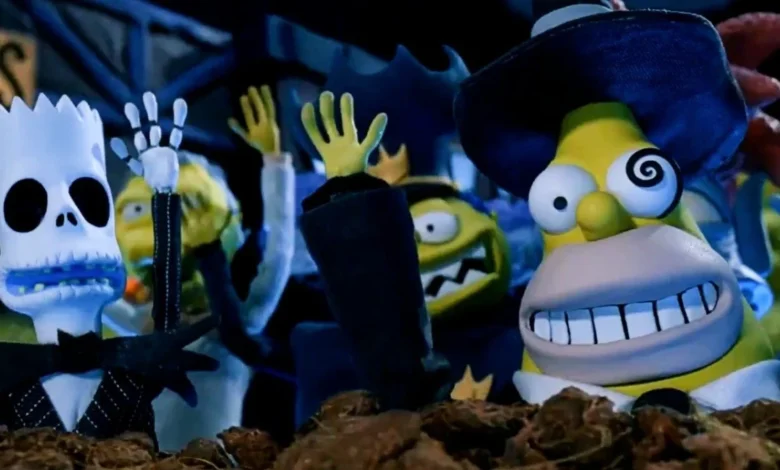
In an era increasingly dominated by the rapid integration of generative artificial intelligence into creative workflows, a recent stylistic departure by long-running animated series The Simpsons has reignited a broader industry conversation regarding the value of tactile, human-led craftsmanship. The show’s latest Treehouse of Horror XXXVII opener, produced in collaboration with the renowned Burbank-based animation house Stoopid Buddy Stoodios, serves as a meticulous stop-motion homage to Henry Selick’s 1993 classic, The Nightmare Before Christmas. By eschewing digital shortcuts in favor of traditional puppet fabrication and frame-by-frame manipulation, the project highlights a growing movement among animators to preserve the physical nuances that define handcrafted cinema.
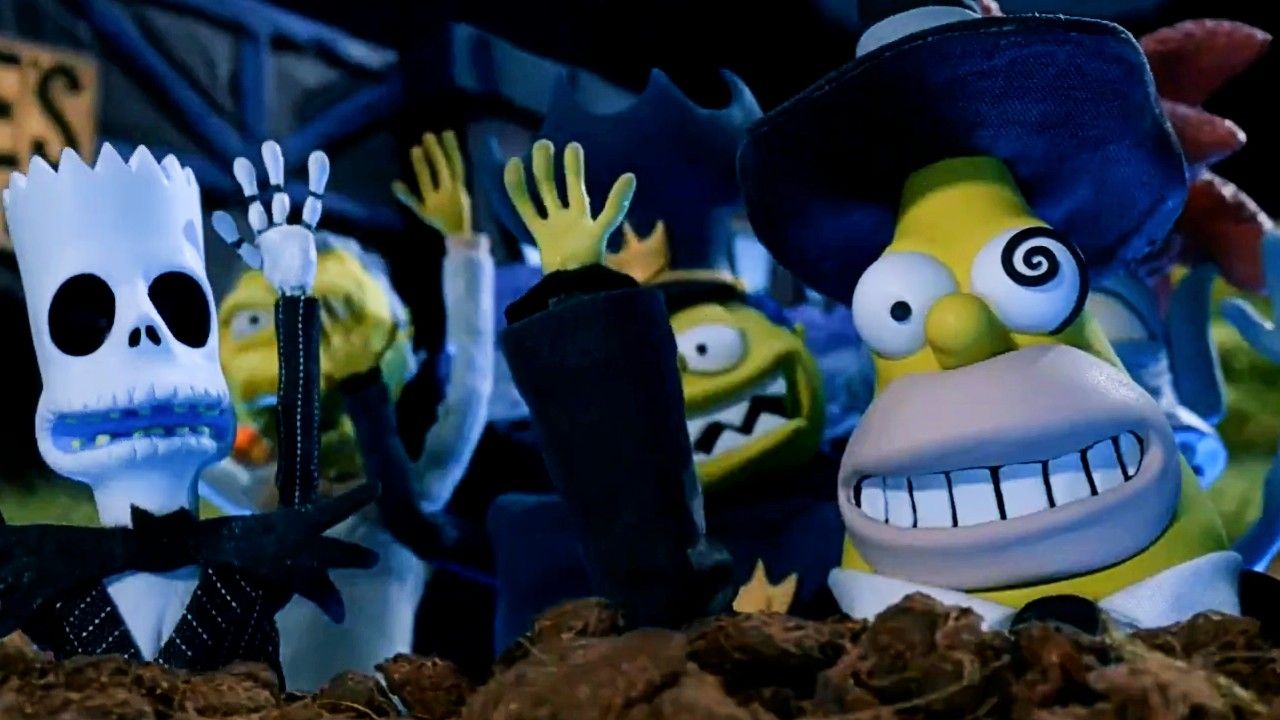
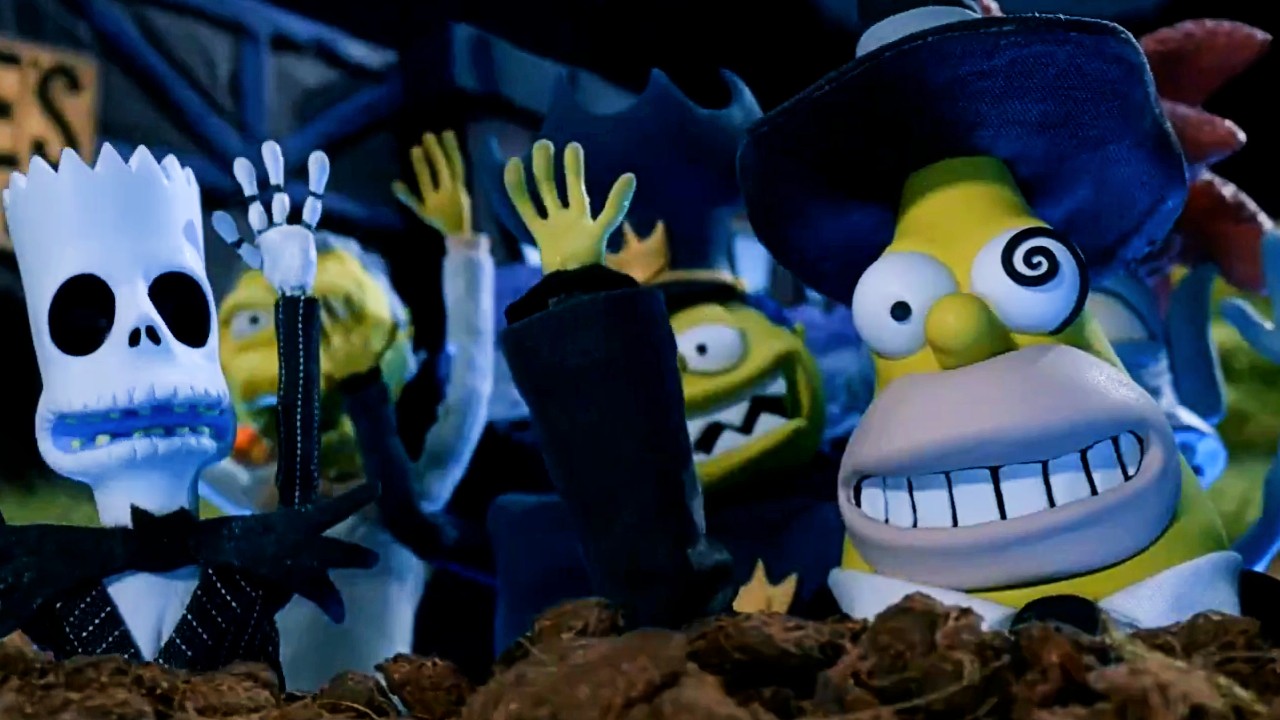
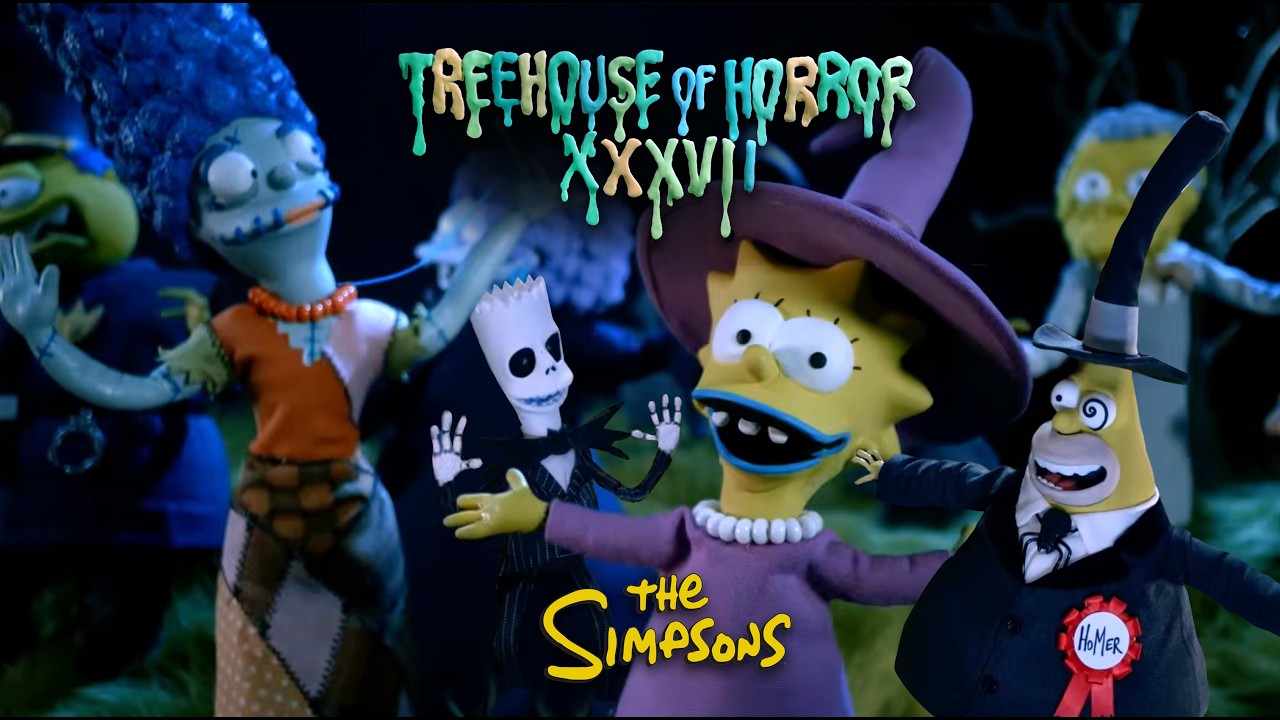
The sequence features iconic Springfield residents reimagined within the macabre, whimsical aesthetic of Tim Burton’s legendary holiday crossover. Bart Simpson takes on the role of Jack Skellington, Marge Simpson is transformed into Sally, and Homer Simpson steps into the role of the two-faced Mayor. The narrative, which includes a parody performance of the iconic song This Is Halloween—renamed for the occasion as Simpsons Halloween—serves as a brief but potent reminder of the labor-intensive nature of stop-motion. This release coincides with the global theatrical debut of Laika’s sixth feature film, Wildwood, creating a synergistic moment for the medium as both projects emphasize the enduring appeal of tangible artistry.
A Chronology of Artistic Evolution in Animation
The trajectory of stop-motion animation has been marked by periods of both obsolescence and resurgence. During the 1980s and early 1990s, the medium was frequently dismissed by major studios as a relic of a pre-digital past, largely overshadowed by the rise of cel animation and the nascent potential of computer-generated imagery (CGI). However, the 1993 release of The Nightmare Before Christmas acted as a pivotal catalyst, proving that stop-motion could achieve commercial viability and mainstream cultural relevance.
This success paved the way for subsequent milestones in the medium, including the founding of Laika in 2005. Laika’s commitment to the intersection of traditional puppetry and cutting-edge digital post-production has set a modern industry standard. When Coraline was released in 2009, it solidified the studio’s reputation for high-fidelity stop-motion, a legacy that continues with the 2024 debut of Wildwood. The Simpsons’ recent homage acts as a nod to this historical lineage, bridging the gap between the chaotic, irreverent spirit of television animation and the cinematic gravity of studio-produced stop-motion features.
Production Methodology and the Rejection of Automation
The decision by Stoopid Buddy Stoodios to produce the Treehouse of Horror sequence using entirely traditional methods is a significant departure from modern television production norms. While many studios have integrated 3D printing and AI-driven motion smoothing to accelerate production timelines and reduce costs, the team behind this segment chose a more laborious path.
John Harvatine IV, co-founder of Stoopid Buddy Stoodios, has publicly clarified that the studio purposefully avoided modern automation to maintain the aesthetic integrity of the sequence. By sculpting figures by hand and relying on physical sets, the team ensured that the final product possessed the "imperfect" charm characteristic of early stop-motion work. Sculptor Jim McKenzie, who contributed to the character design, noted in recent interviews that in a technological climate increasingly defined by the efficiency of AI, the act of creating something tangible serves as a defiant, artistic statement. The emphasis on "old school" techniques serves as a pedagogical tool, reminding audiences of the sheer volume of human labor required to animate a sequence lasting only a few minutes.
Supporting Data and Industry Context
The animation industry is currently navigating a significant crossroads. According to recent market analysis from industry research groups, the investment in AI-assisted animation tools is projected to grow by 25% annually over the next five years. Proponents of these tools argue that they democratize content creation and allow smaller studios to produce high-quality work at a fraction of the cost. Conversely, critics and labor unions, including those representing professional animators, have expressed concerns regarding the devaluation of specialized craft and the potential for long-term creative homogenization.
The success of films like Wildwood at the box office provides a counter-narrative to the idea that audiences exclusively crave the "slick" aesthetic of AI-generated content. Data from opening weekend screenings suggests a strong audience appetite for artisanal animation, which often carries a higher production cost—sometimes upwards of $100 million for feature-length projects—but yields higher long-term brand equity and critical prestige. For a television segment like The Simpsons, the choice to invest in stop-motion represents a commitment to brand prestige, even if the production costs far exceed those of traditional 2D digital animation.
Thematic Implications and Cultural Impact
The Simpsons has famously operated outside its own internal continuity for its annual Halloween specials since 1990. This structural freedom allows the writers and animators to experiment with disparate visual languages without the constraints of established canon. By meta-referencing the "non-canon" status of the episode, the show provides a platform for artistic risks that would otherwise be impossible within the standard format.
The thematic alignment between the show’s Halloween special and the broader industry trend of celebrating "handmade" art is not coincidental. As viewers become increasingly adept at identifying AI-generated imagery, there is a discernable shift in consumer preference toward content that carries evidence of human touch—be it fingerprints on clay, variations in lighting, or the slight inconsistencies of manual frame advancement. The Simpsons’ tribute serves as a high-profile endorsement of this trend.
Future Outlook for Stop-Motion Animation
The long-term implications of this shift are twofold. First, it validates the continued existence of specialized studios like Stoopid Buddy Stoodios and Laika, which function as stewards of traditional animation history. Their ability to deliver high-quality, artisanal work in a digital age secures their position as cultural essentialists. Second, it highlights the potential for "hybrid" animation, where studios utilize digital tools for logistics while reserving the creative, expressive elements of the work for human hands.
As the industry continues to integrate advanced technologies, the distinction between "machine-made" and "handmade" will likely become a primary marketing differentiator for studios. The success of the Treehouse of Horror XXXVII opener suggests that, rather than being replaced, traditional animation techniques are entering a period of renewed appreciation. The project stands as a testament to the fact that, regardless of the tools available, the audience’s emotional connection to animation remains tethered to the perceived humanity behind the frame. By prioritizing the tactile, the makers of this sequence have ensured that their work resonates not just as a parody, but as a preservation of a craft that remains, despite the encroaching influence of automation, uniquely and profoundly human.