Expanding the Horizon of Star Wars: Inside the Production of the Anime Spinoff Series The Ninth Jedi

From its humble origins as an acclaimed short film in the first volume of Lucasfilm’s animated anthology series Star Wars: Visions, the captivating universe of The Ninth Jedi has officially expanded into a full-fledged, eight-episode limited anime event. Titled Star Wars: Visions Presents – The Ninth Jedi, the new series marks a significant milestone for the franchise’s foray into traditional Japanese animation aesthetics. Helmed by supervising director Kenji Kamiyama and director Shunsuke Tada, the production delves deeper into the intricate lore first introduced by the sabersmith Lah Zhima and his resilient daughter, Kara. By weaving together high-stakes political intrigue, complex philosophical dilemmas regarding the Force, and meticulously choreographed lightsaber combat, the creative team has transformed a standalone narrative into an expansive multi-episode epic that challenges conventional perceptions of the galaxy far, far away.
The Chronological Evolution of The Ninth Jedi Saga
The journey of The Ninth Jedi began well before its transition into a limited series, following a carefully orchestrated developmental timeline within the Star Wars: Visions ecosystem.
In the initial installment, Vol. 1, audiences were introduced to a fractured galaxy where the Jedi Order had been hunted nearly to extinction. The narrative focused on the sabersmith Lah Zhima, who forged unique lightsabers, and his daughter Kara, who embarked on a dangerous quest to rescue him after his abduction by relentless Jedi Hunters. This foundational narrative established the central thematic elements of the sub-franchise, notably the mysterious connection between the wielder’s inner state and the color of their lightsaber blade.
The storyline advanced further in Vol. 3 with the special short titled The Ninth Jedi: Child of Hope. This chapter amplified the tension by tracking Kara as she was aggressively pursued across the stars before finding temporary refuge aboard a drifting starship. Even during the production of these early shorts, the creative team was laying groundwork far beyond what appeared on screen. According to supervising director Kenji Kamiyama, comprehensive backstories, detailed planetary histories, and intricate interpersonal relationships were mapped out early on, providing a robust narrative springboard for the eight-episode limited series that followed.
Bridging the Gap: Animation Techniques and Visual World-Building
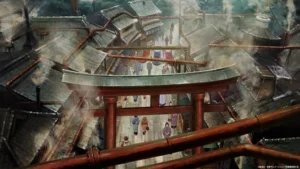
Production on Star Wars: Visions Presents – The Ninth Jedi required a sophisticated hybrid approach to animation, balancing 2D and 3D methodologies to serve specific narrative and aesthetic functions. Director Shunsuke Tada noted that 2D animation was deliberately deployed for elements requiring stylization and emotional exaggeration—most notably the characters themselves—while 3D animation was reserved for environments, machinery, and mechanical assets where organic warmth was intentionally absent.
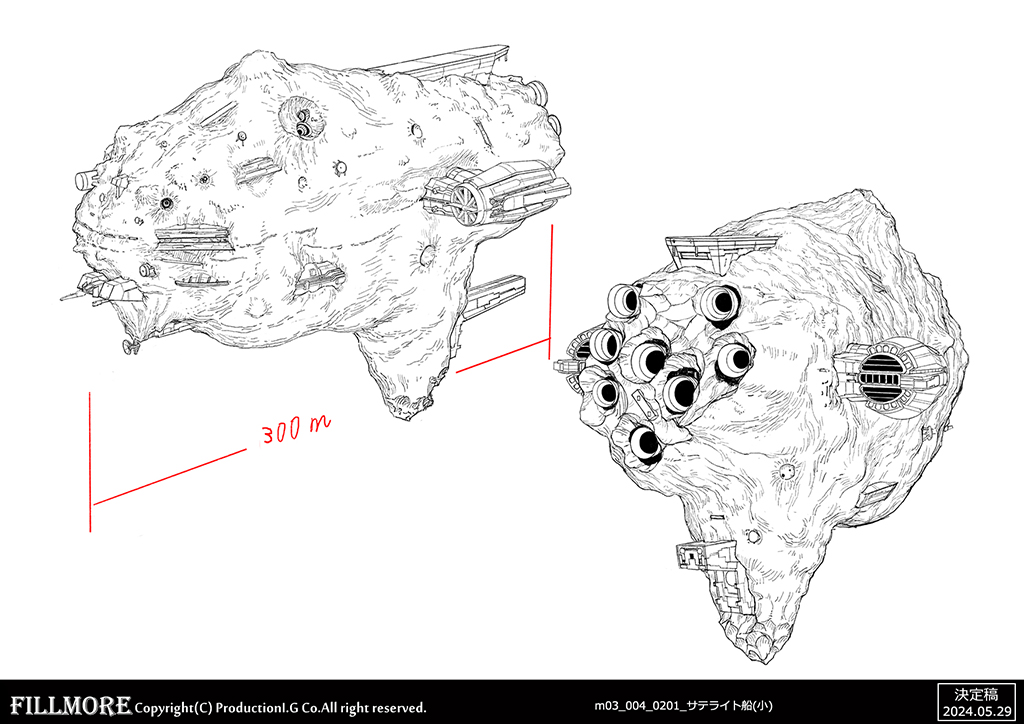
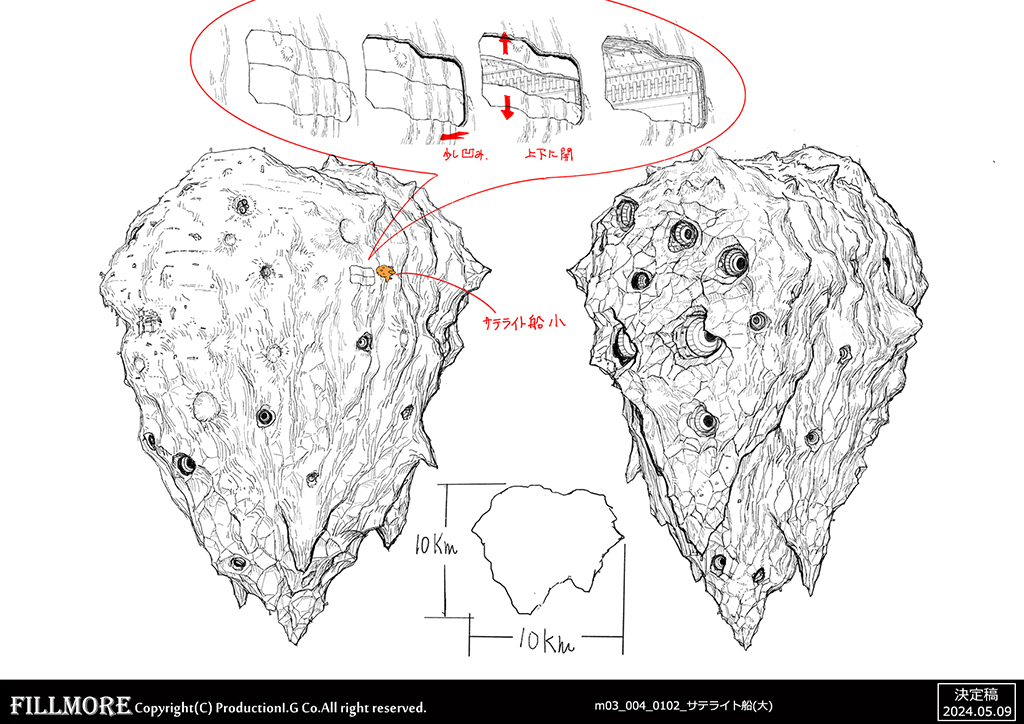
Visual references to the foundational eras of the Star Wars franchise were deeply embedded into the production design. For instance, hologram devices utilized throughout the series were meticulously modeled after the low-tech, rugged aesthetic of the original 1989/1977 Episode IV era, grounding the futuristic technology in a tangible, tactile reality. Furthermore, the design of the starships—particularly the mining planet’s unique asteroid vessels and an armed cargo ship appearing in the climactic battles—reflected an exhaustive exploratory design process aimed at maximizing visual distinctiveness.
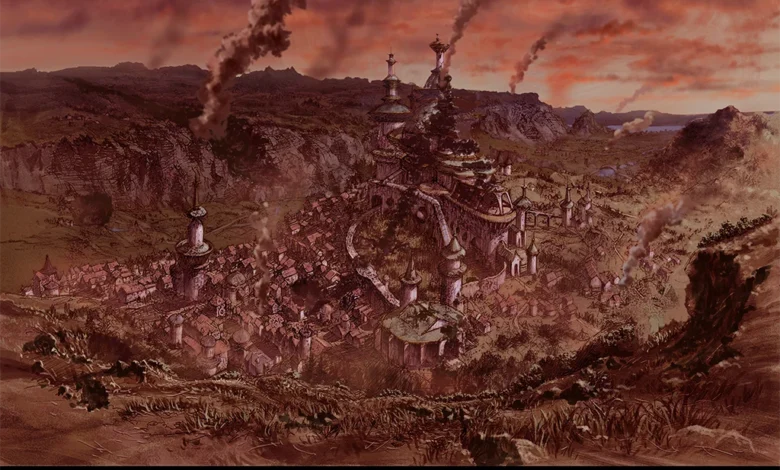
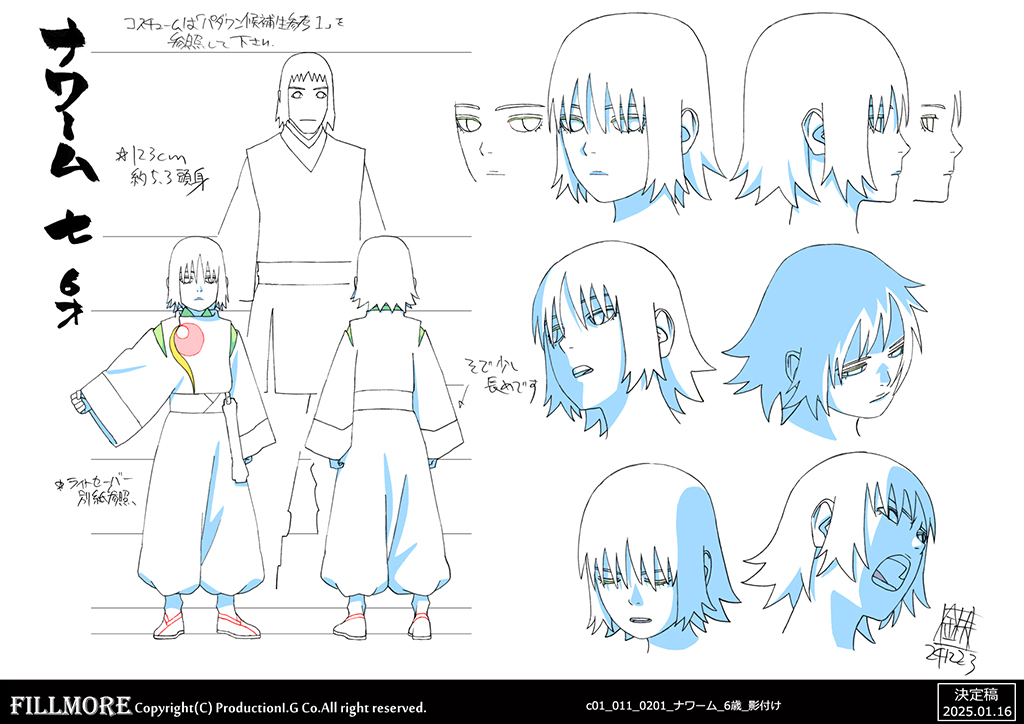
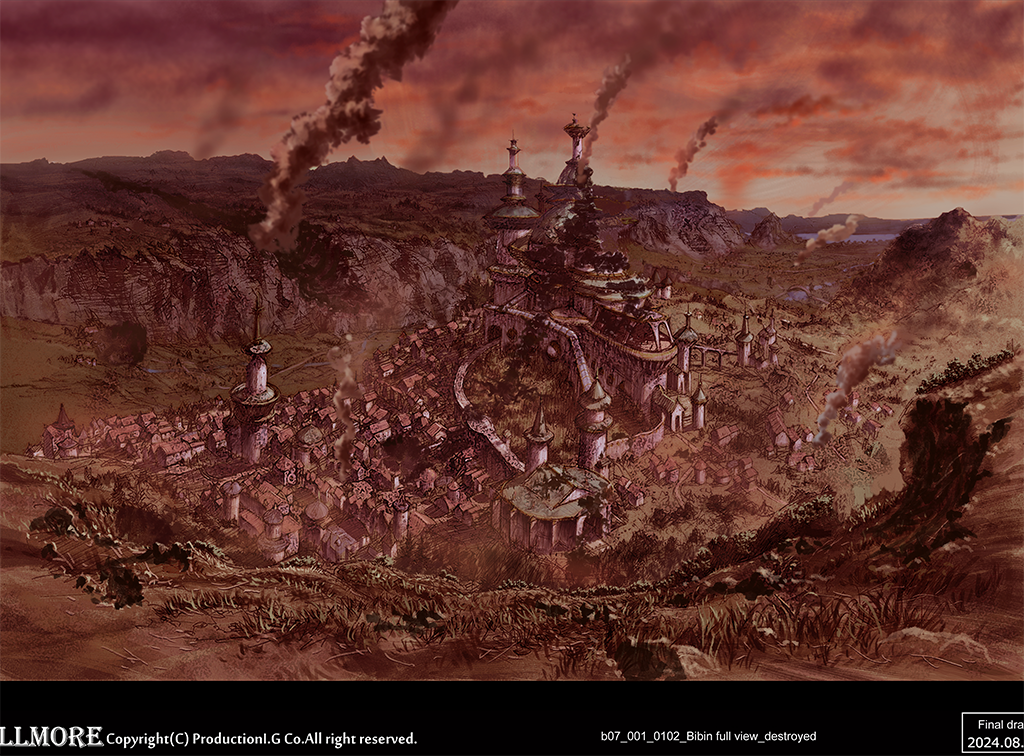
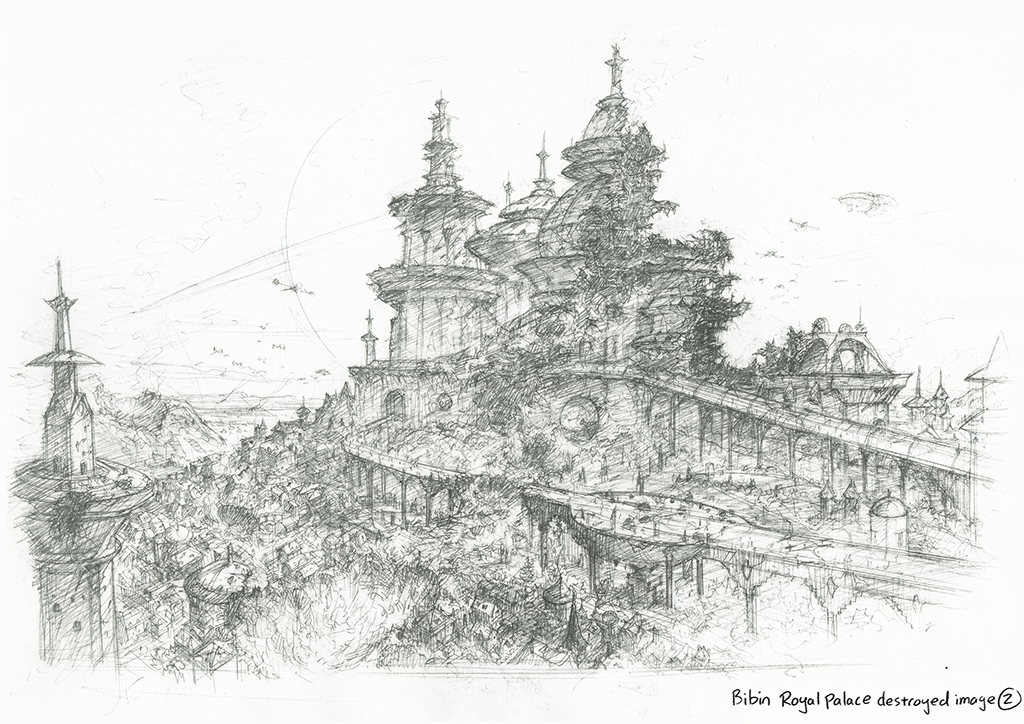
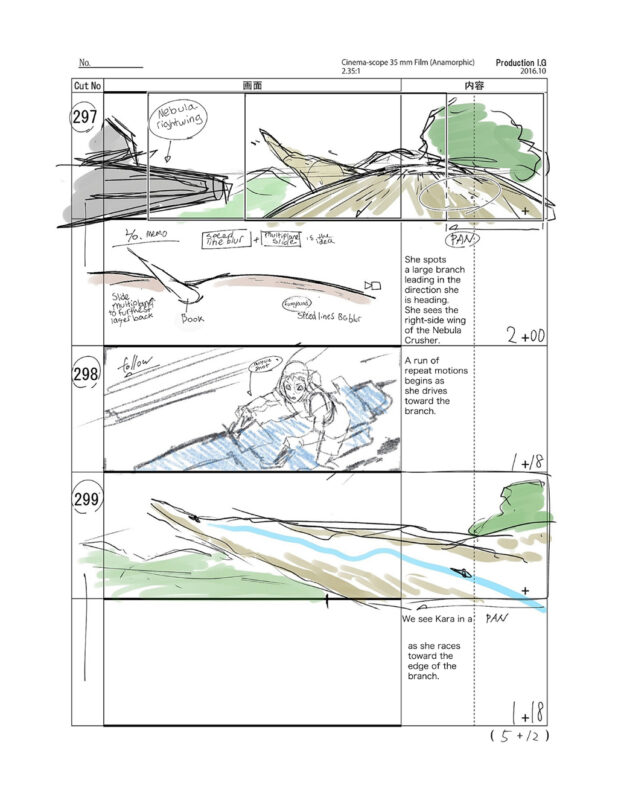
One of the most technically demanding sequences in the series involved a catastrophic misfire of a massive kyber crystal cannon engineered by the primary antagonist, General Nawaam. The resulting weapon malfunction caused severe planetary devastation on the world of Bibin, which orbits a massive gas giant. To visually convey this disaster, the animation team depicted the atmosphere’s gas solidifying in the vacuum of outer space before raining down destructively onto the planet’s surface—a complex visual effects challenge that required innovative layering and compositing techniques.
Deconstructing Dualism: Philosophical and Thematic Ambitions
At its core, Star Wars: Visions Presents – The Ninth Jedi challenges traditional, binary concepts of light versus dark and good versus evil. Set approximately two centuries after the historical era of Luke Skywalker and Princess Leia, the series operates in a galaxy where neither the traditional Jedi Order nor the Galactic Empire holds sway.
Kamiyama emphasized that modern storytelling must move past simplistic dualistic frameworks, encouraging audiences to re-examine historical actions and moral compromises. This philosophy is manifested primarily through Kara’s character arc. Rather than portraying Kara as a traditionally weak protagonist who gains strength incrementally, Kamiyama chose to present her as formidable from the outset, forcing the audience to infer the hardships of her past. Her journey includes a dramatic fall to the Dark Side—fueled by intense rage against Nawaam’s forces—before she ultimately achieves a state of selfless clarity.
This narrative pivot allows Kara to discover a philosophical resolution regarding the Force that neither her father nor Master Juro could attain. By confronting her nemesis, Kara redefines what it means to administer justice, aligning the revived Jedi more closely with authoritative, charismatic samurai generals capable of decisive, fair judgment.
Choreography and the Art of the Lightsaber
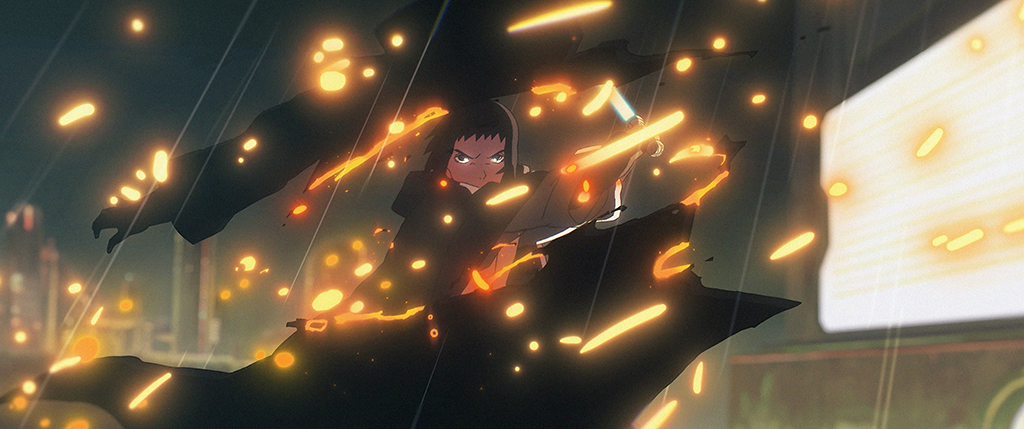
Action choreography within the series draws heavily from traditional Japanese martial arts and weaponry. Tada collaborated closely with prop designers to craft new lightsaber hilts inspired by traditional katanas and spears.
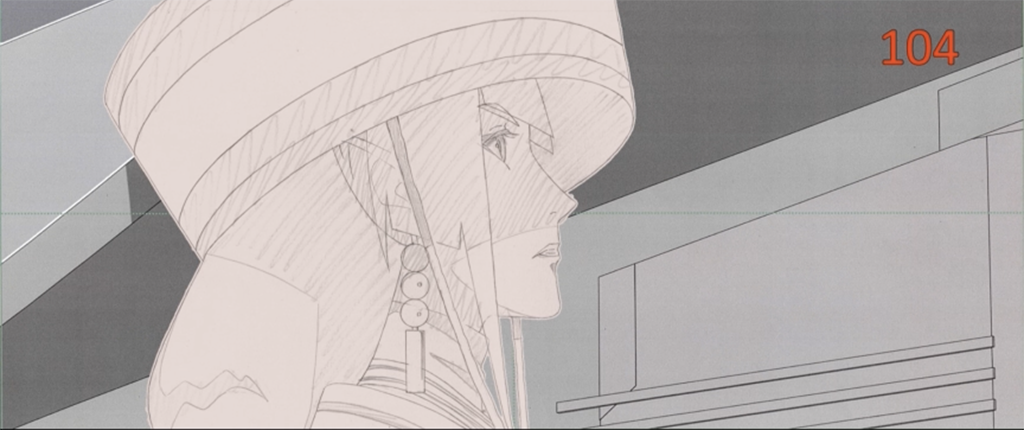
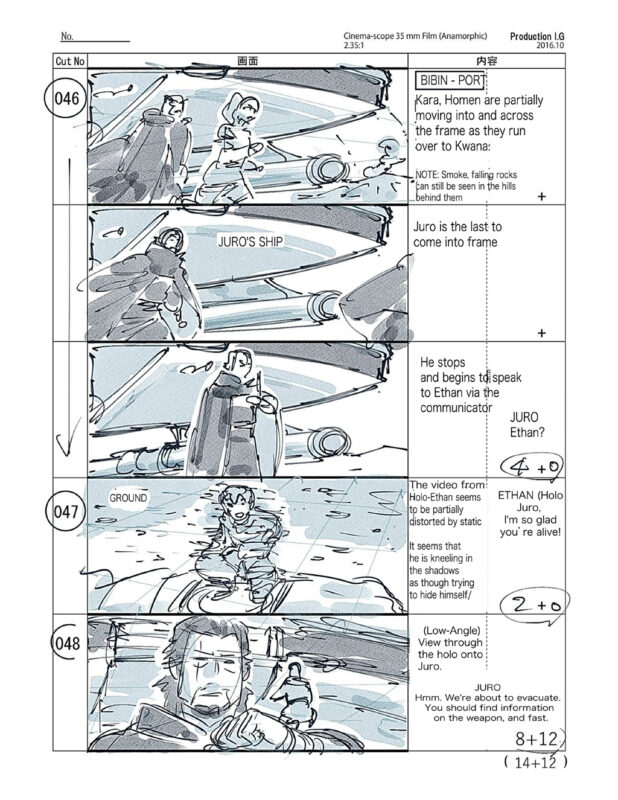
A focal point of the series’ visual symbolism is the introduction of the silver lightsaber blade, which represents mu no kyōchi—a state of selfless clarity. Unlike standard kyber crystal alignment, the wielder’s inner spiritual discipline directly dictates this rare blade color. During duels, animators established a foundational rule rooted in traditional swordsmanship: combatants engage using the mid-level posture known as seigan no kamae before closing the distance for dynamic, highly choreographed confrontations mapped out rigorously during the storyboard phase.
Additionally, flashbacks detailing Lah Zhima’s past were stylized using a distinct pastel color palette. By granting individual artists autonomy over these specific flashback sequences—covering everything from animation and background art to final post-processing—the directors achieved a nostalgic, painterly aesthetic that sharply contrasts with the high-octane narrative of the present timeline.
Broader Industry Implications and Fan Reception
The successful transition of The Ninth Jedi from a brief anthology short into an expansive, serialized anime demonstrates the viability of leveraging streaming anthologies as incubators for major intellectual property expansion. By granting renowned anime creators creative autonomy within the established Star Wars universe, Lucasfilm has tapped into a global market that values distinct regional animation styles coupled with mature narrative themes.
Industry analysts note that projects like Star Wars: Visions Presents – The Ninth Jedi bridge Western space opera tropes with Eastern dramatic sensibilities, appealing to both traditional franchise loyalists and contemporary animation enthusiasts. As the series concludes its eight-episode run, the collaborative effort of its multi-talented production team stands as a testament to the enduring adaptability of the Star Wars universe, proving that compelling storytelling can thrive far beyond the conventional timelines and cinematic boundaries of the Skywalker saga.
Related posts: