‘The Hunchback, Soul of Paris’: Netflix’s New Quasimodo Movie Gets New Trailer

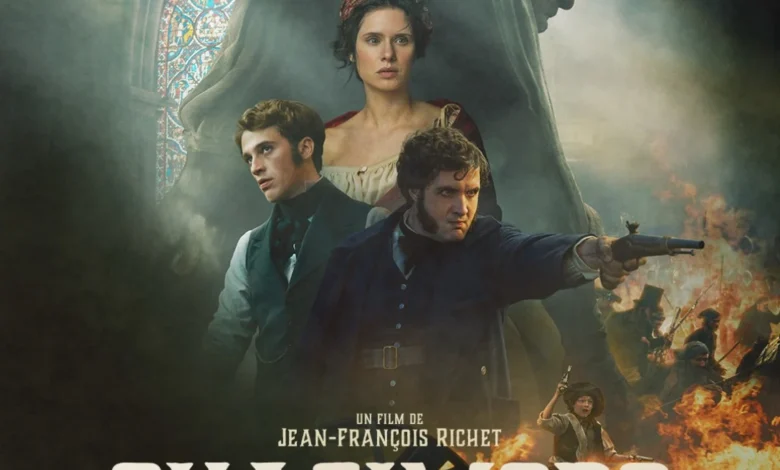
A Departure from Tradition: The Narrative Vision
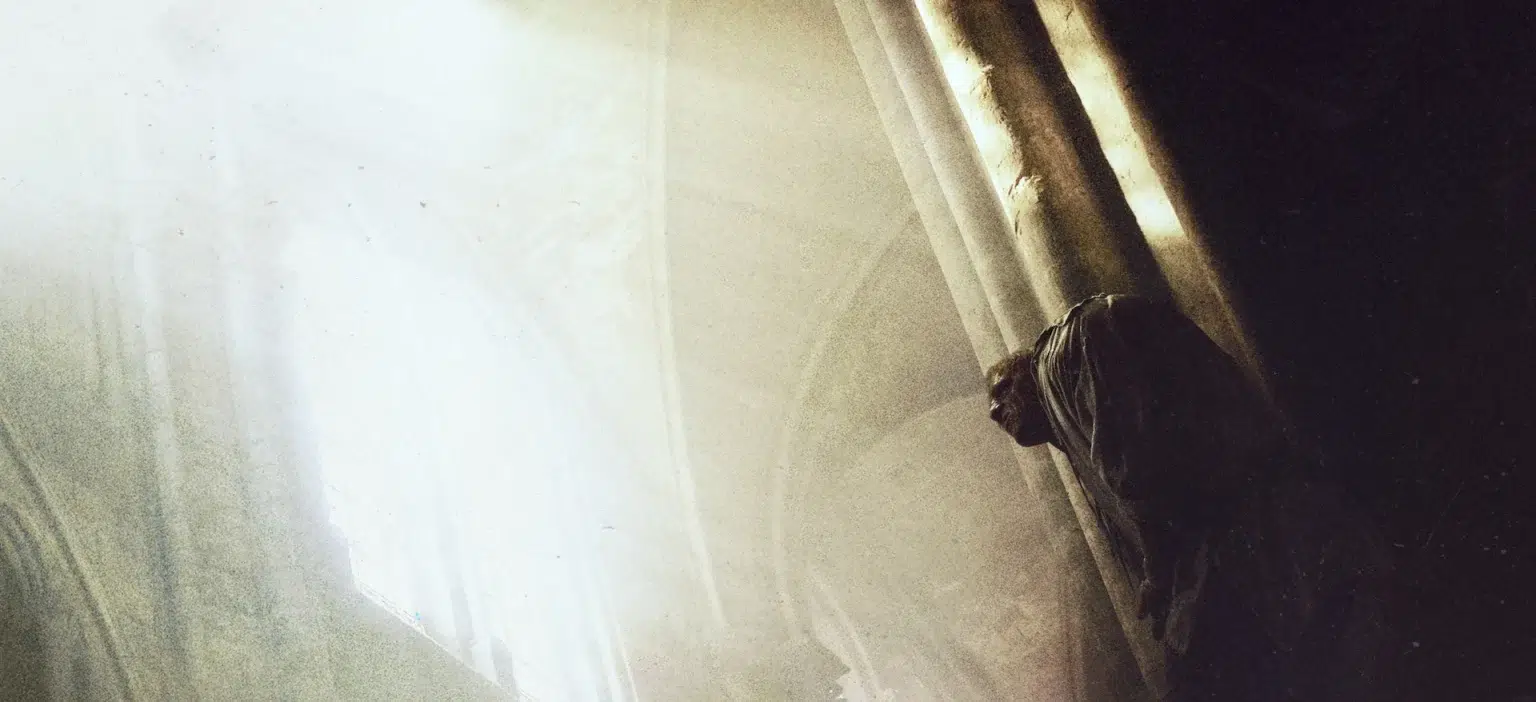
This production diverges sharply from the romanticized or animated interpretations commonly associated with Hugo’s work. Set against the backdrop of a cholera-ravaged Paris in 1830, the film operates within the genres of historical thriller and high-stakes drama. The plot centers on a stone carver—the titular hunchback—who possesses a unique physiological resistance to the cholera epidemic. In this narrative, his immunity makes him a target for the state, which seeks to harness his biology for medical advancement.
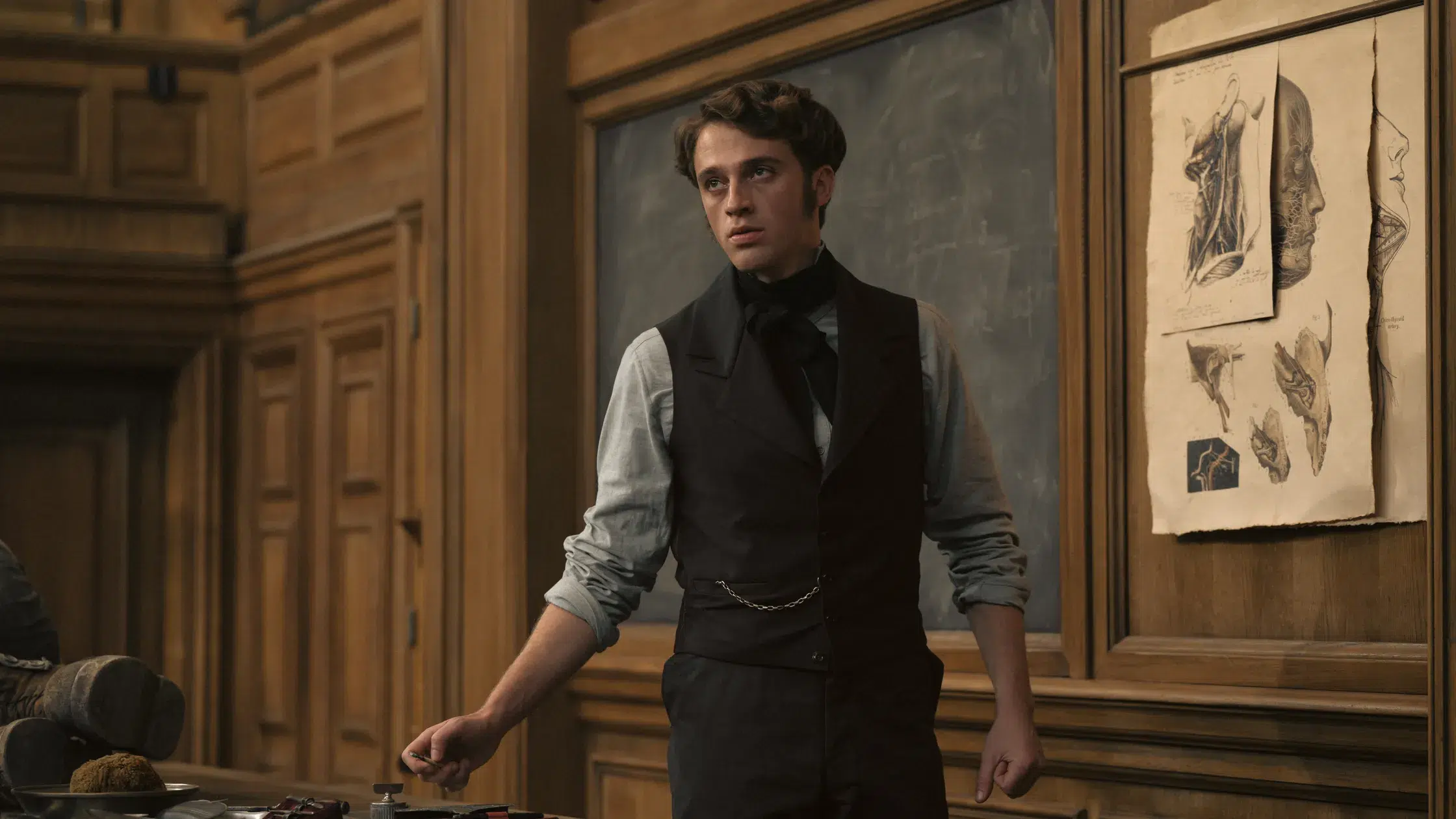
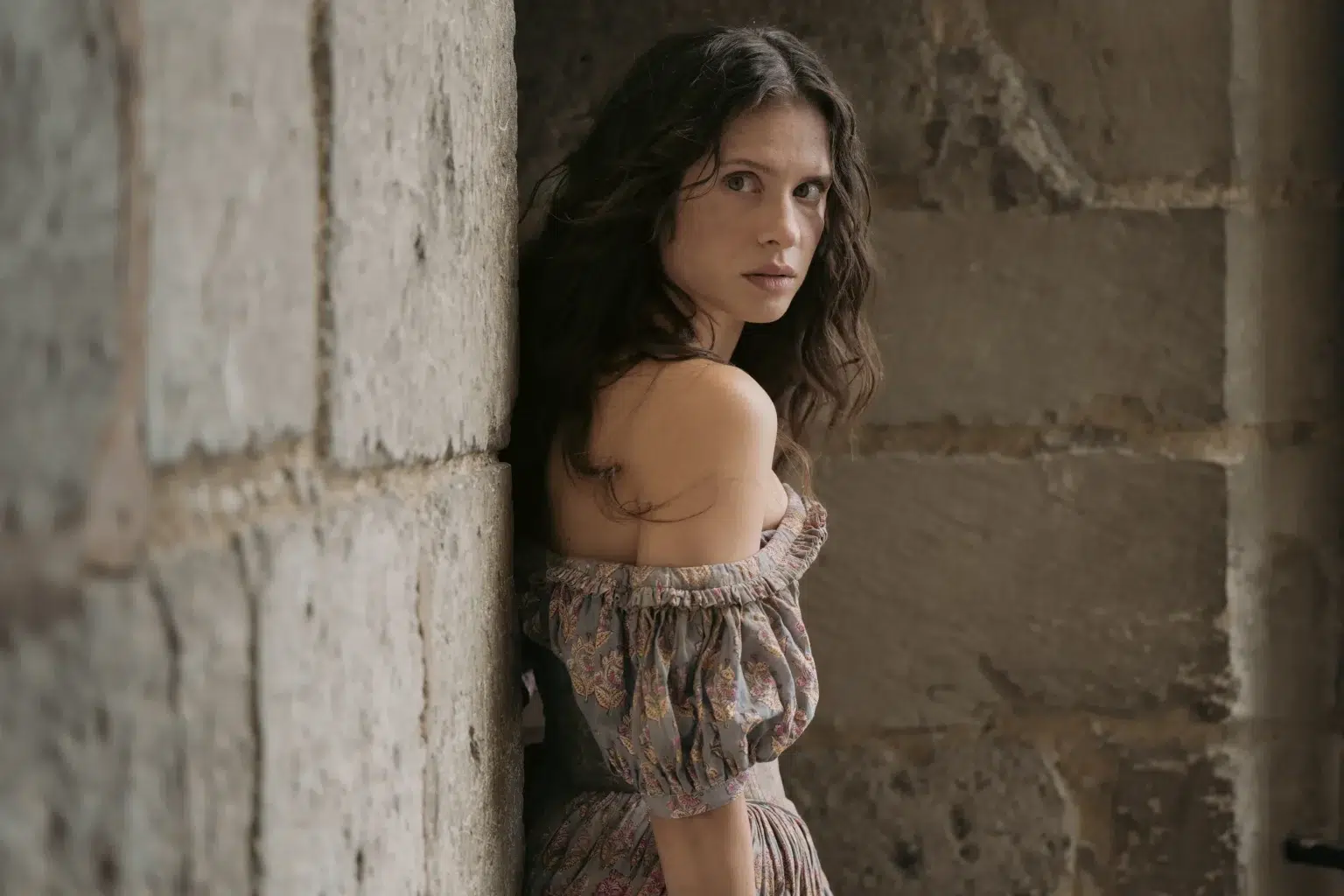
The film’s thematic core rests on the tension between the individual and the state, as the protagonist struggles to protect a dancer named Agnès while navigating the volatility of the July Revolution. Director Jean-François Richet, known for his ability to blend kinetic action with socio-political commentary in films such as Mesrine and The Emperor of Paris, has emphasized that the script is grounded in historical theories rather than pure fiction. The narrative takes inspiration from research by British archivist Adrian Glew, who proposed that the character of the bell-ringer was modeled after a real-life stone carver Hugo encountered during his lifetime. By focusing on the intersection of class struggle, medical ethics, and the marginalization of the "other," the film intends to offer a modern critique of societal structures.
Chronology of Production and Development
The development of this project has been a multi-year endeavor marked by strategic shifts in branding and casting. The timeline of its production reveals the high-stakes nature of Netflix’s international content acquisition strategy:
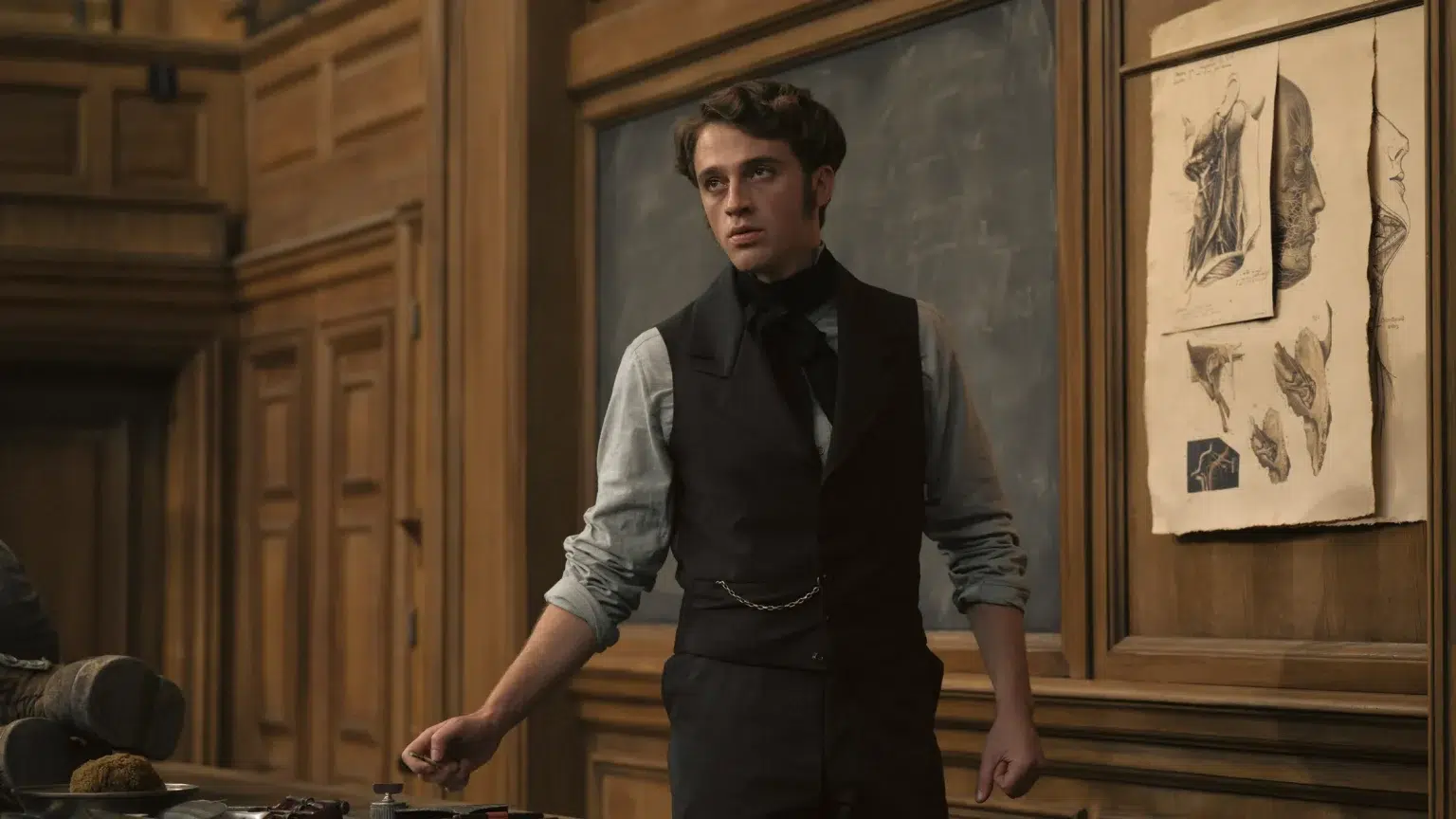
- June 2025: The project gains significant industry attention when it is officially announced that acclaimed French actor Vincent Cassel is attached to headline the film.
- Early 2026: Throughout the spring and summer, the production undergoes refinement, with the working title Quasimodo, the Soul of Paris being used to signal a more mature, literary tone to international audiences.
- September 2026: Netflix releases a comprehensive first-look campaign, including exclusive imagery published via Vanity Fair France, simultaneously confirming the official English-language title, The Hunchback, Soul of Paris.
- November 2026: The global release date is finalized for November 27, supported by a promotional rollout including the first official trailer.
Cinematic Pedigree and Production Scale
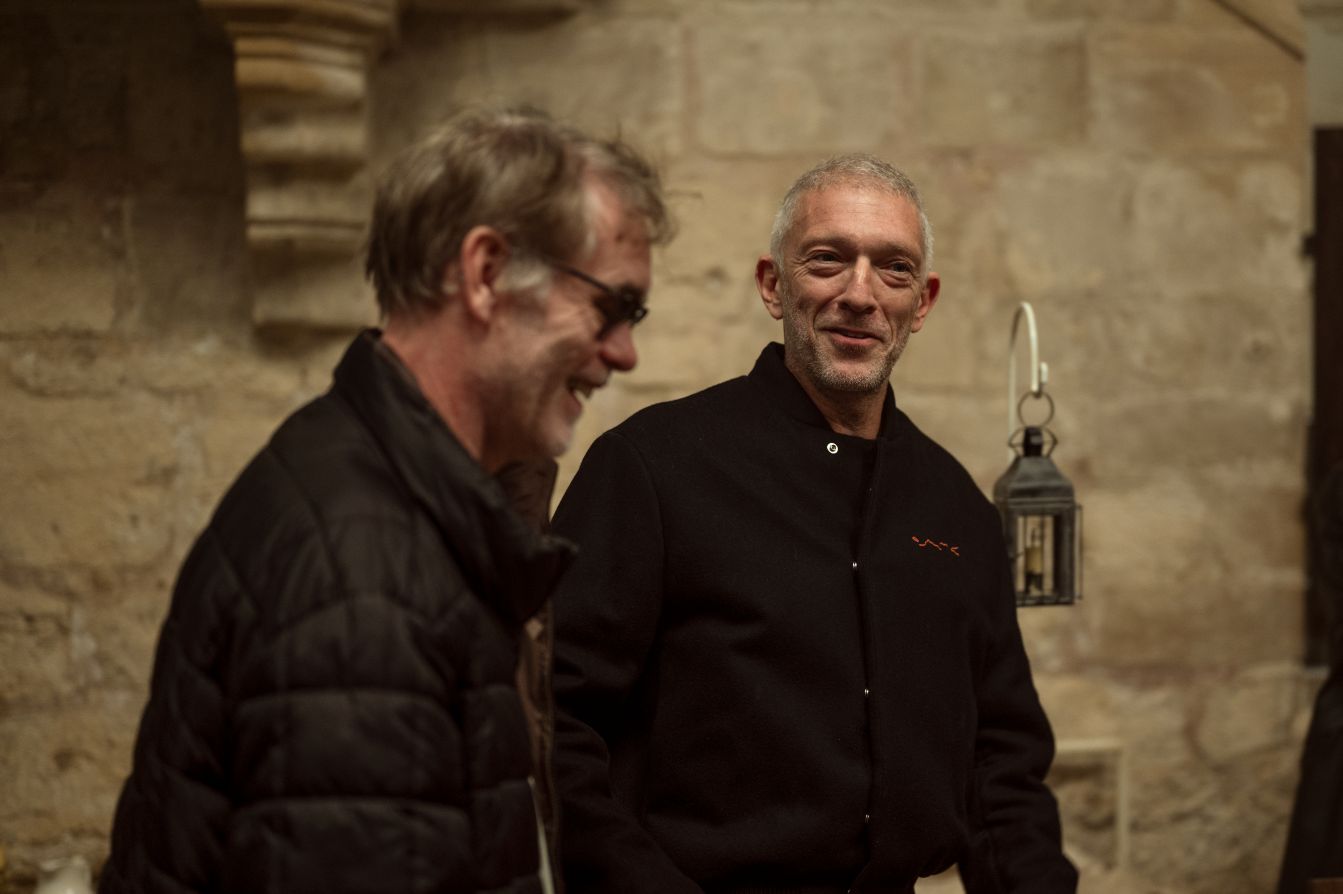
The involvement of Vincent Cassel provides the film with significant global appeal. Known for his versatility in films such as Black Swan, Ocean’s Twelve, and the seminal French drama La Haine, Cassel’s commitment to the role of the hunchback involves a physical transformation that has been central to the film’s promotional narrative. His collaboration with director Jean-François Richet is well-established, with the pair having previously worked together on the high-intensity Mesrine films, which won critical acclaim for their visceral depiction of criminal life in France.
The screenplay, written by Éric Besnard and Edgar Marie, reflects a collaborative effort to modernize the historical setting while maintaining the period-accurate tension of the 1830s. The budget of €30 million places this film in the upper echelon of European productions. This financial commitment suggests that Netflix is looking to solidify its position in the European market by producing "event cinema" that can compete with theatrical releases in terms of production value, cinematography, and scope.

Medical Ethics and Historical Context
The inclusion of medical experimentation as a plot device provides a grim but historically grounded dimension to the film. Richet has been vocal about the historical accuracy of the narrative’s central conflict, noting that the desperation of the era often led to ethically compromised medical practices. By framing the hunchback as a potential medical subject, the film taps into a long-standing tradition of using the "monstrous" figure to highlight the inhumanity of the "civilized" elite.
This focus on the "beauty of the ugly" and the societal cost of progress is a hallmark of Richet’s directorial style. By juxtaposing the physical struggle of the protagonist with the macro-scale chaos of the July Revolution, the film aims to provide a commentary on power dynamics that remains relevant to contemporary audiences. The depiction of the cholera outbreak serves as both a literal threat and a metaphor for the social decay and political instability that characterized France in the early 19th century.
Strategic Implications for Netflix
The release of The Hunchback, Soul of Paris is a calculated move in the streaming wars. By securing a high-profile, auteur-driven project, Netflix is effectively bridging the gap between niche arthouse cinema and mass-market entertainment. The success of this film will likely influence future greenlighting decisions for international projects, particularly those that seek to revitalize classic literature through a lens of grit and historical realism.
Furthermore, the film’s status as the most anticipated French title since the return of the Lupin series underscores the importance of regional content in driving global subscriber engagement. The platform’s ability to distribute a local-language, high-budget film to a global audience simultaneously allows for a broader cultural reach, potentially elevating French cinema to a level of visibility previously reserved for major Hollywood blockbusters.
Critical Anticipation and Viewer Expectations
As the November 27 release date approaches, industry analysts are observing the audience response to the trailer and initial promotional materials. The shift away from the traditional "Hunchback" archetype—which has been dominated for decades by the 1996 Disney adaptation—is a risk, but one that is likely to pay off with viewers seeking more mature, character-driven narratives.
The film’s runtime of 1 hour and 43 minutes suggests a tightly paced, action-oriented experience, diverging from the lengthy epics often associated with period dramas. This brevity, combined with the star power of Vincent Cassel and the established reputation of director Jean-François Richet, positions the film as a must-watch for fans of international cinema. Whether it will succeed in recontextualizing Hugo’s classic for a 21st-century audience remains to be seen, but the scale and production pedigree indicate a project of significant intent.
In conclusion, The Hunchback, Soul of Paris stands as a testament to the ongoing evolution of the period drama. By stripping away the layers of romanticism that have accumulated over the character of Quasimodo and focusing on the raw, historical reality of 1830s Paris, the creative team behind this Netflix production is inviting audiences to reconsider one of literature’s most enduring figures. With its late-November release, the film is poised to be a dominant force in the year-end streaming landscape, offering a dark, visceral, and historically grounded perspective on a tale that has captivated the world for nearly two centuries.
Related posts: