The Future of Japanese Content on Netflix: A Comprehensive Preview of the 2027 Slate

Netflix’s strategic investment in Japanese content has evolved from a niche category into a pillar of the streaming giant’s international growth strategy. As the platform looks toward 2027, it is balancing a dual approach: commissioning high-concept original series that tap into Japan’s rich literary and manga heritage while doubling down on proven intellectual properties through highly anticipated sequel seasons. While the total volume of Japanese releases may currently trail the prolific output of Netflix’s Korean drama department, the 2027 slate signifies a maturation of production quality and a deeper focus on high-stakes, prestige storytelling that appeals to a global audience.
The Strategic Shift Toward Global Japanese Prestige
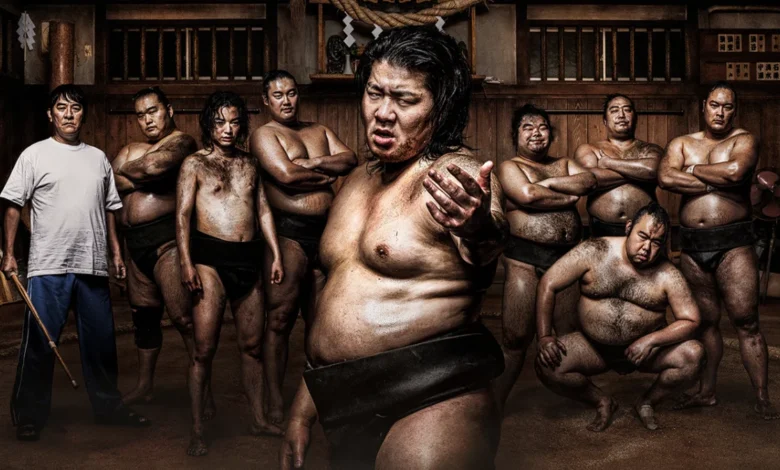
The landscape of Japanese streaming content has undergone a significant transformation since Netflix first began localized production in the region. Historically, Japanese dramas were often criticized for being overly reliant on domestic broadcast tropes. However, the success of titles like Sanctuary and Tokyo Swindlers has shifted the paradigm. These shows demonstrated that gritty, dark, and culturally specific narratives could find massive international audiences if paired with higher production budgets and cinematic visual languages.

In 2027, the platform is moving toward a model of "franchise expansion." By greenlighting sequels for successful adaptations—such as City Hunter and Yu Yu Hakusho—Netflix is treating its Japanese library similarly to its Western blockbusters, creating long-term brand equity that encourages subscriber retention.
New Original Series: Pushing Creative Boundaries
The 2027 calendar begins with a shift toward human-centric narratives. Among the most notable additions is From NEET to Peak, scheduled for a January release. This project is significant for its high-profile casting, bringing together Wataru Ichinose—the breakout star of the sumo-wrestling epic Sanctuary—and Suzu Hirose, whose recent work in the television adaptation of Human Vapor earned significant critical acclaim.
The narrative of From NEET to Peak follows Kanta Kakuhata, a character who has lived as a shut-in for eight years. When his mother receives a terminal diagnosis, he embarks on an absurd, reality-warping mission to marry one of Japan’s most famous idols, Mami Hamamiya. The series serves as a social commentary on modern Japanese isolationism, framed within a character-driven dramedy. Industry analysts suggest that this project is intended to replicate the emotional resonance of domestic hits while maintaining the "bingeable" structure that has become synonymous with the Netflix interface.
The Expansion of the Parasyte Universe
Perhaps the most ambitious project in the 2027 pipeline is Parasyte: Tamiya. This series acts as an expansion of the Parasyte franchise, which gained a new lease on life following the success of the Korean-produced Parasyte: The Grey.
The new series will center on the character Ryoko Tamiya, portrayed by Kutsuna Shioli. In the source material, Tamiya is a parasite who inhabits a high school teacher, serving as a primary antagonist to the protagonist, Shinichi Izumi. The series is expected to shift the perspective to Tamiya’s internal evolution, exploring her intellectual transition from a cold, survivalist organism to a being capable of contemplating human coexistence. By focusing on a character-driven origin story, Netflix is attempting to bridge the gap between traditional horror-manga fans and a broader demographic interested in science-fiction ethics.
Sequel Momentum: Returning to Proven Hits
The strength of the 2027 lineup is anchored in the return of four major franchises that have established significant viewing metrics over the past 36 months.

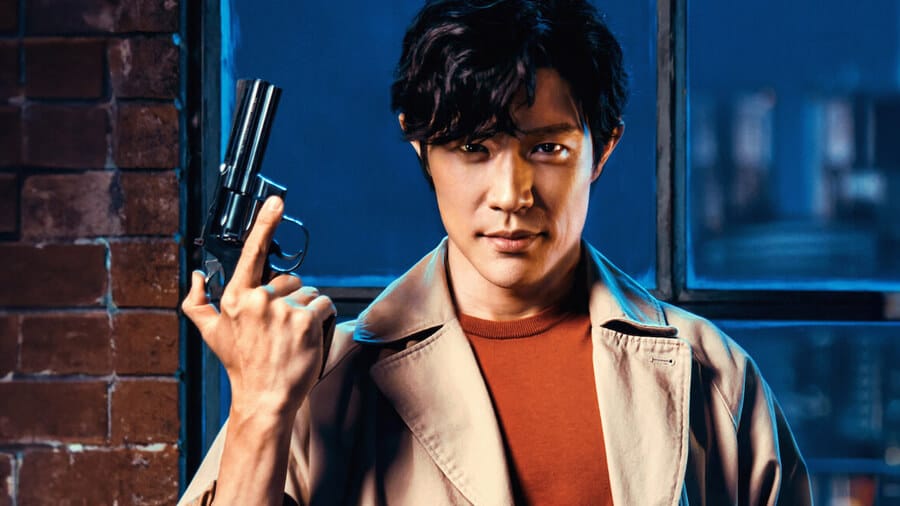
- City Hunter (Season 2): Following the 2024 film’s impressive performance, which garnered 21.3 million views, the live-action adaptation of the iconic manga is returning. Ryohei Suzuki will reprise his role as the enigmatic sweeper Saeba Ryo. The show’s success is attributed to its balance of high-octane action and the "cool yet goofy" charm of its lead, a combination that has historically translated well across Asian markets and into the West.
- Last Samurai Standing (Season 2): Since its debut in 2025, Last Samurai Standing has been a statistical juggernaut. With 21 million views in its first year and sustained interest throughout 2026, it remains the crown jewel of Netflix’s period-drama output. The second season, which continues the narrative of 292 warriors competing in a brutal Meiji-era battle royale, is currently in development.
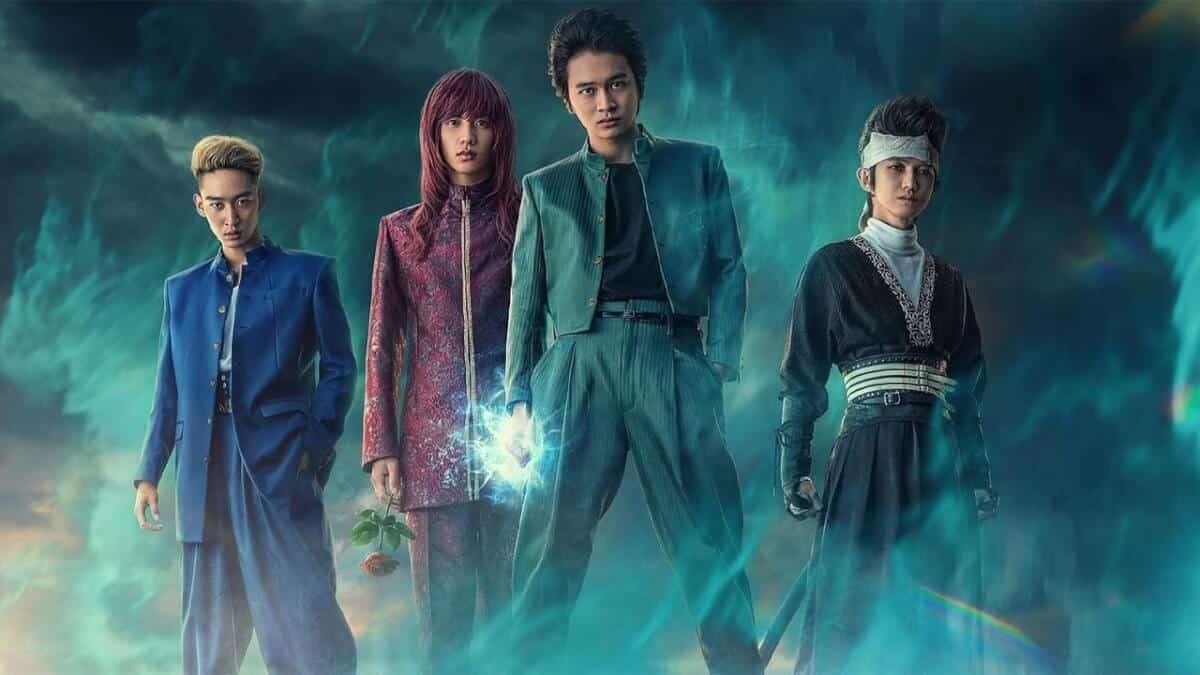
- Yu Yu Hakusho (Season 2): Despite a three-year hiatus, the renewal of this series surprised many industry observers. The upcoming season will adapt the "Demon World Unification Tournament" arc. The inclusion of new cast members, including Shun Oguri and Mirai Moriyama, suggests a significant expansion of the production’s scale.
- Sanctuary (Season 2): Following the massive critical and commercial success of the first season, production for the next chapter of this sumo-themed drama is set to ramp up in late 2026, with an expected 2027 release. The show’s grit and refusal to romanticize the sport of sumo made it a standout, and the second season is expected to explore the political machinations of the professional wrestling world further.
Data-Driven Implications and Market Context
The data supporting these renewals is telling. For instance, the 5.2 million views for Last Samurai Standing in the first half of 2026 alone highlights the "long-tail" effect of quality Japanese content. Unlike many Western series that spike and fade, these Japanese dramas tend to maintain steady viewership, suggesting that they are being discovered by new subscribers at a consistent rate.
From a production standpoint, the decision to return to Tokyo Swindlers for a second season is perhaps the most intriguing development. The series, which initially premiered to modest success, has seen a resurgence in its later life cycle. By pivoting the focus to the origin story of the character Yamanaka Harrison, the producers are utilizing the "prequel-sequel" model to deepen the lore without requiring a complete reinvention of the show’s successful formula.
Broader Impact on the Japanese Entertainment Industry
The increased activity from Netflix in Japan has had a noticeable impact on the local talent pool. Japanese actors who previously focused solely on terrestrial television are now gravitating toward global streaming platforms, which offer longer production schedules, higher budgets, and immediate worldwide distribution. This "Netflix effect" is forcing local broadcasters to re-evaluate their own production models to remain competitive.
Moreover, the emphasis on 2027 as a pivotal year suggests that Netflix is moving away from the "experimental" phase of its Japanese operations. The platform is no longer just looking for the next "big hit"; it is building a sustainable ecosystem of intellectual property. By curating a mix of psychological thrillers, period epics, and high-stakes action, the streamer is ensuring that its Japanese library remains a diverse destination for viewers globally.
As of late 2026, while specific release dates for the latter half of 2027 remain fluid, the roadmap is clear. The collaboration between domestic Japanese production houses and the global reach of the Netflix brand is yielding a content slate that is more sophisticated, more expansive, and more commercially viable than ever before. For subscribers, this means a consistent stream of high-production-value narratives that continue to push the boundaries of what is possible in contemporary Japanese television.