Tribute to Eric Bauza: The Master Voice Actor Who Kept the Golden Age of Animation Alive

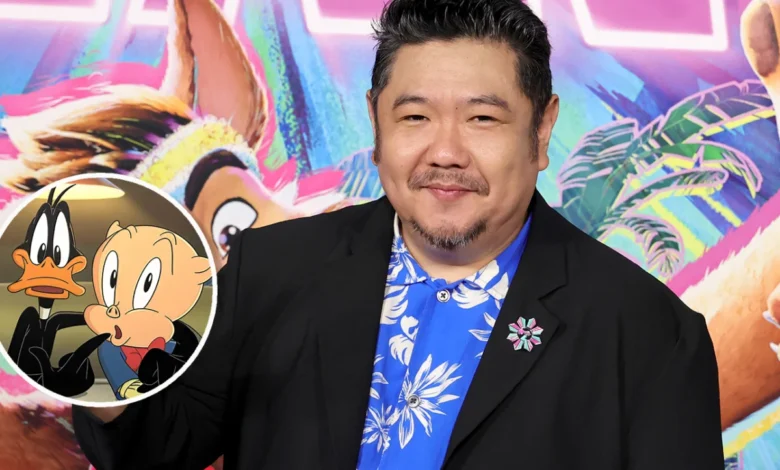
The animation and entertainment industries are in deep mourning following the unexpected passing of Eric Bauza, a towering figure in contemporary voice acting, who died over the weekend at the age of 46. Bauza was widely celebrated as the modern torchbearer of classic cartoon comedy, lending his extraordinary vocal talents to an extensive pantheon of legendary characters, most notably the iconic stable of Looney Tunes figures originally brought to life by the immortal Mel Blanc. His sudden death marks a profound loss for both the artistic community and generations of audiences who grew up listening to his versatile, energetic, and pitch-perfect performances across film, television, and digital platforms.
Main Facts and Career Overview
Eric Bauza’s impact on modern animation cannot be overstated. While many contemporary actors achieve fame through on-screen physical presence, Bauza achieved legendary status entirely through the power of his vocal cords, breathing new life into characters that have defined global pop culture for nearly a century. Over a career spanning more than two decades, Bauza became the definitive modern voice for timeless Warner Bros. icons including Bugs Bunny, Daffy Duck, Porky Pig, Marvin the Martian, Tweety Bird, and Foghorn Leghorn.
Beyond the Looney Tunes universe, Bauza’s vocal footprint spanned major franchises across competing studios and networks. He voiced Luke Skywalker in multiple Disney and Lucasfilm Lego Star Wars projects—a daunting assignment given the distinct legacy of original actor Mark Hamill. His credits also included characters in DreamWorks Animation productions like Forgotten Island, various DC Comics animated features where he famously voiced Aquaman in Teen Titans Go! To the Movies, and numerous commercial and feature films such as The Emoji Movie and studio sequels.
Chronology and Rise to Prominence
Bauza’s journey into the animation industry began decades ago with formal training and early professional work that established him as a reliable and brilliantly adaptable talent within the fiercely competitive voiceover community. Earning his initial big break on early animation projects, including work on revival efforts such as the ill-fated Ren & Stimpy iteration, Bauza steadily built a reputation for astonishing vocal agility.
As the years progressed, his portfolio expanded from providing "additional voices" on major studio features to anchoring entire television series and cinematic releases. A defining milestone of his career was his extensive involvement in the critically praised, HBO Max-produced series of Looney Tunes shorts, which yielded over 200 episodes. This massive undertaking represented the most sustained, high-profile continuation of the classic animated style since the golden era of Mel Blanc.
His momentum reached a commercial and artistic peak in 2026. In a rare display of industry dominance, Bauza experienced a blockbuster weekend in late August 2026, anchoring two major theatrical releases simultaneously. He provided voices for more than 15 characters across the highly anticipated feature Coyote vs. Acme and the adult-oriented horror film Buddy, showcasing a dramatic range that few voice actors are ever called upon to execute. This dual-release achievement granted him a box-office footprint that rivaled many leading live-action movie stars of the year.
Supporting Data and Industry Versatility
The sheer volume and breadth of Bauza’s filmography place him in an elite tier of voiceover artists. Industry databases and release schedules from the past decade highlight an actor who worked across nearly every major genre of animated media:
- Classic Animation Revivals: Anchored more than 200 modern Looney Tunes shorts for streaming and theatrical distribution, including critical darlings The Day the Earth Blew Up: A Looney Tunes Movie and Coyote vs. Acme.
- Sci-Fi and Pop Culture Franchises: Successfully replicated and honored beloved live-action personas, most notably voicing Luke Skywalker across multiple Lego Star Wars television specials and video games.
- Superhero and Family Media: Voiced Aquaman and various supporting roles in the DC animated universe, alongside contributions to major studio releases from Sony, DreamWorks, and Warner Bros.
- Multi-Character Mastery: Frequently executed complex scenes requiring rapid dialogue shifts between adversarial characters—such as arguing with himself while voicing both Daffy Duck and Porky Pig simultaneously—maintaining the improvisational energy of classic theatrical shorts.
Industry Responses and Colleague Tributes
In the wake of the announcement, colleagues, directors, casting agents, and fellow performers flooded social media and industry trade publications with heartfelt tributes. Friends and collaborators consistently highlighted that Bauza’s professional brilliance was matched by his genuine warmth, humility, and collaborative spirit behind the microphone.
Many peers noted that outside of his famous voice work, Bauza was a multifaceted entertainer who maintained active involvement in stand-up comedy and traditional cartooning. Those who worked alongside him in recording booths frequently remarked on his encyclopedic knowledge of animation history, noting that his performances were driven by a profound respect for the pioneers of the medium, rather than mere technical mimicry. Studio executives and animation directors emphasized that his presence in the booth elevated the work of entire casts, bringing an authentic theatricality to recording sessions that translated seamlessly to the screen.
Broader Impact and Implications for the Animation Industry
Bauza’s passing leaves a significant void in the infrastructure of studio animation, raising critical questions about the future stewardship of heritage characters. In an era where major entertainment conglomerates have increasingly favored high-profile live-action celebrities for voice roles in animated features—often prioritizing recognizable marquee names over specialized voice acting talent—Bauza stood as a passionate and successful counterargument.
His ability to effortlessly command characters like Bugs Bunny and Daffy Duck proved that audiences respond fundamentally to authentic character interpretation rather than celebrity stunt-casting. By anchoring high-profile projects with genuine vocal artistry, Bauza helped preserve the integrity of theatrical animation during periods of corporate restructuring and shifting release strategies at Warner Bros. and other major studios.
As the entertainment industry processes this sudden loss, the legacy of Eric Bauza remains securely etched into the cultural landscape. Through thousands of lines of dialogue, classic catchphrases delivered with immaculate timing, and an infectious enthusiasm for the art of cartooning, he ensured that the anarchic joy of the golden age of animation continued to thrive for a modern generation of viewers. Whether or not audiences instantly recognized his name on a poster, generations grew up laughing at the characters he brought vividly to life, cementing his enduring place in animation history.