How Smart Lighting Transforms Interior Spaces for the Autumn and Winter Seasons Without Major Renovations

As the Northern Hemisphere transitions from the bright, sun-drenched days of summer to the long, deep twilights of autumn and winter, the human relationship with interior spaces undergoes a fundamental psychological and physiological shift. When days grow shorter and natural daylight recedes, reliance on artificial illumination increases exponentially. For interior designers and smart-home technology manufacturers alike, the changing seasons present an annual challenge: how to adapt residential environments to foster comfort, warmth, and mental well-being without requiring costly structural renovations, wall repainting, or large-scale furniture replacements.
In recent years, the evolution of smart-lighting technology has provided homeowners with an agile toolset to address this seasonal transition. Rather than treating illumination as a mere utilitarian necessity for visibility after dark, contemporary lighting design treats it as an invisible architecture capable of altering a room’s emotional temperature. Industry leaders, including the global smart-lighting brand Govee, have released comprehensive seasonal lighting guides that emphasize layering, color temperature manipulation, and strategic placement to combat the starkness of winter months and reclaim living spaces as comforting domestic sanctuaries.
The Psychological and Physiological Impact of Seasonal Lighting Shifts
The human body is acutely sensitive to changes in light exposure, a biological reality rooted in circadian rhythms. Natural daylight, with its shifting spectrum throughout the day, acts as the primary synchronizer for the human biological clock. When autumn arrives and daylight hours diminish, the sudden lack of sunlight can trigger lethargy, lower mood levels, and a general sense of domestic stagnation.
Artificial lighting plays a critical role in mitigating these seasonal disruptions. According to Sherry Ye, chief marketing officer at Govee, understanding color temperature is central to managing this transition. Low-Kelvin lighting—ranging from candlelight hues to warm white tones between 2500K and 2700K—signals safety, relaxation, and rest to the human nervous system. Conversely, cool white lighting in the 4000K to 6000K range promotes alertness, concentration, and cognitive focus.
By strategically adjusting these color temperatures within the home, residents can artificially recreate the comforting amber glow of a natural sunset, filling the visual void left by early evening darkness. This capability allows homeowners to soften cold architectural surfaces, neutralize harsh shadows, and establish an emotional buffer against the bleak exterior weather. Furthermore, modern color-blending technologies enable single fixtures and LED strips to cast smooth, multi-tone gradients that bring out the rich textures of natural interior materials such as exposed wood grain, woven linen, and polished stone.
Zoning the Home: Tailoring Illumination to Specific Rooms
Effective seasonal lighting design relies heavily on functional zoning. Different areas of the home serve distinct psychological and practical purposes, meaning a one-size-fits-all approach to illumination will inevitably fail to meet the occupants’ needs. Govee’s seasonal framework identifies three primary residential zones—the living room, the bedroom, and the home office—each requiring a bespoke lighting strategy to balance aesthetics and psychological comfort.
Fostering Intimacy and Connection in the Living Room
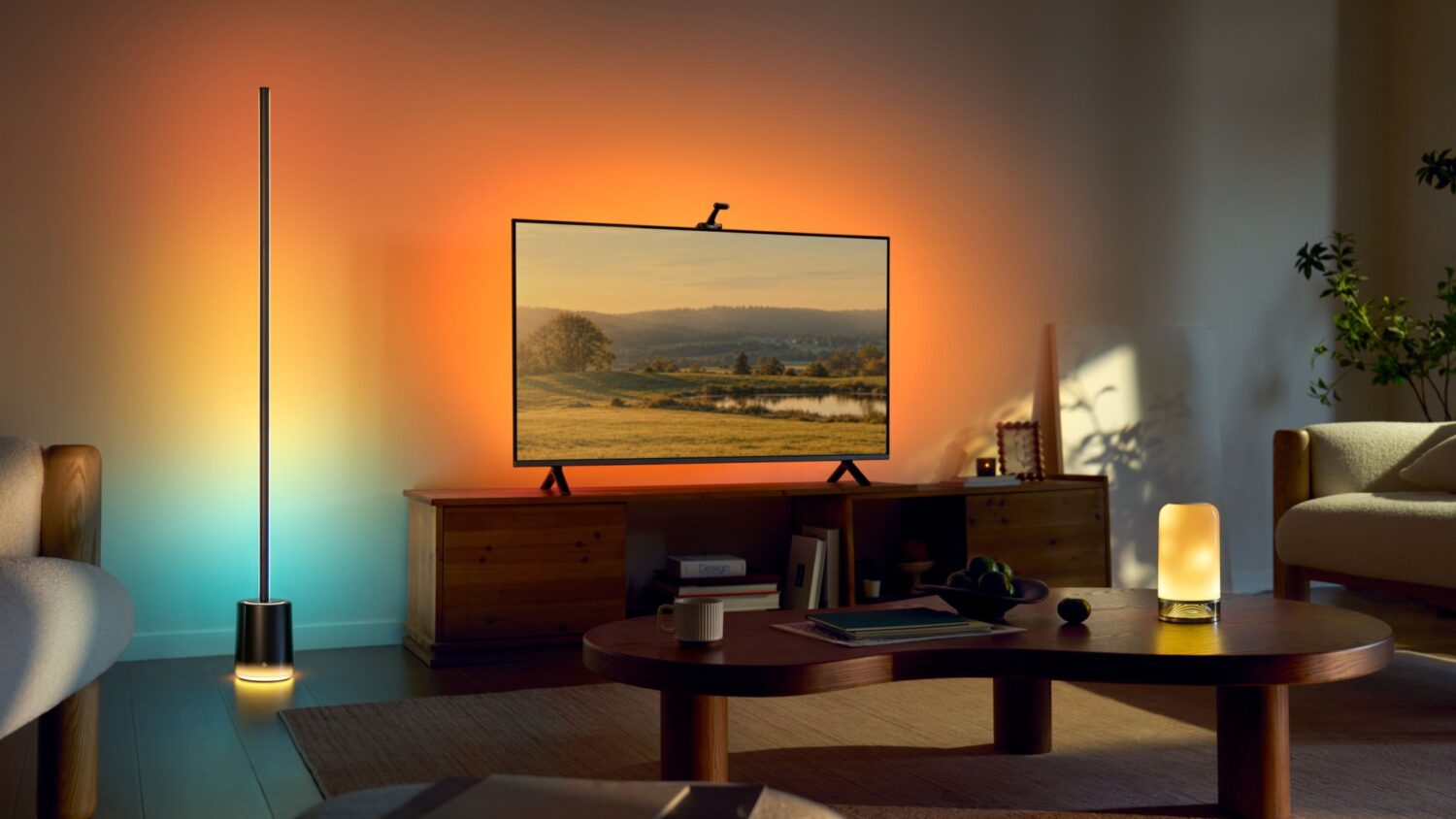
As the central hub for domestic gathering during colder months, the living room requires an atmosphere that feels cocoon-like, warm, and inviting. The primary objective is to encourage socializing and relaxation while softening the transition from day to night.
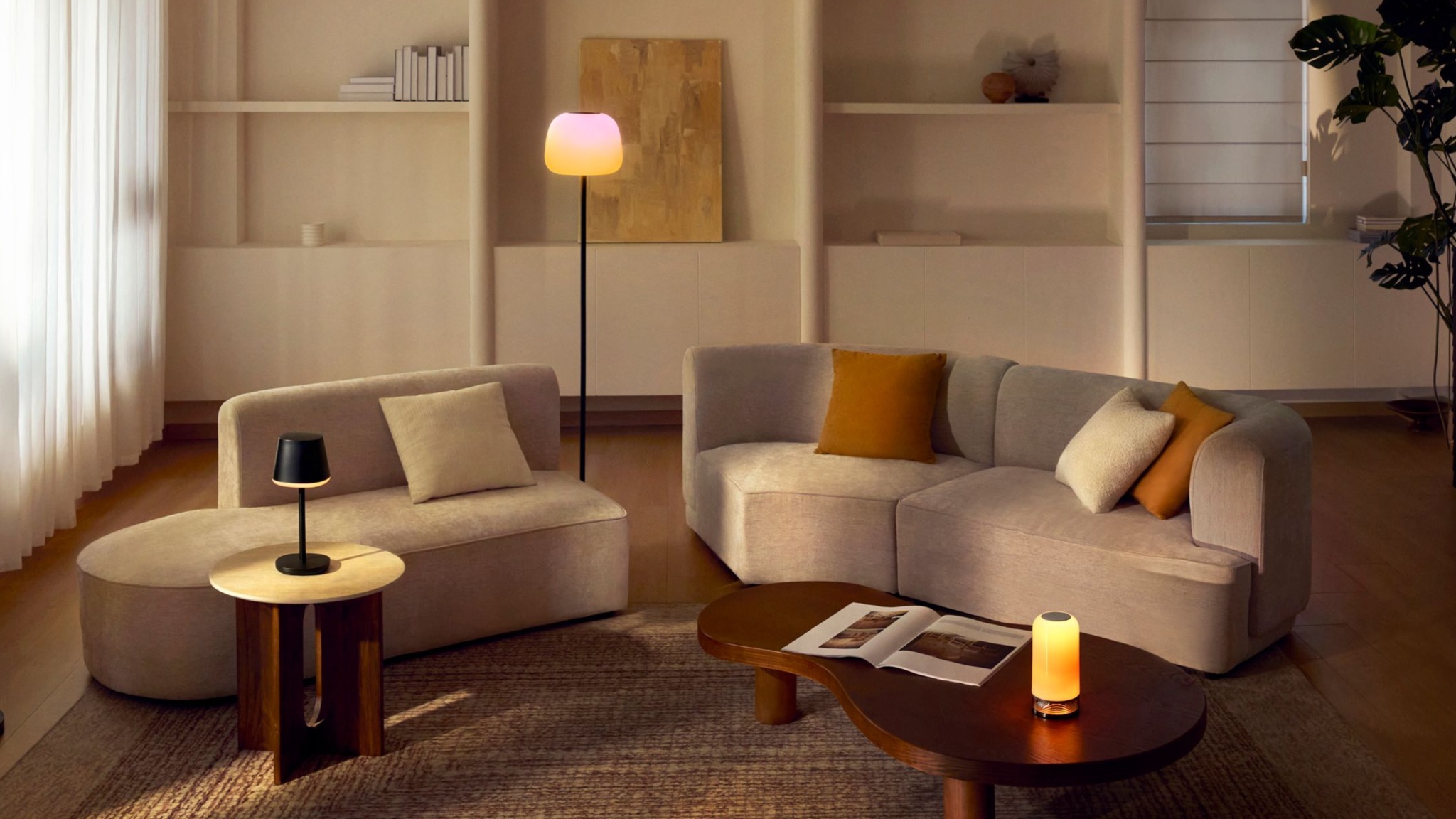
To achieve this, lighting designers recommend a layered approach utilizing fixtures placed at varying heights. Surrounding a primary seating area with a combination of tall accent lighting, such as the Govee Floor Lamp 3, and mid-level fixtures like a decorative table lamp establishes a rich, golden ambiance. To prevent stark visual contrasts—such as the harsh glare of a television screen against a dark living room wall—backlighting solutions like the Govee TV Backlight 3 are employed. By bathing the surrounding wall in a soft, synchronized glow, these devices reduce eye strain and envelop the entire room in a warm, immersive atmosphere that draws household members inward. All elements can be seamlessly controlled and dimmed via a centralized smartphone application, allowing the illumination to soften organically as the evening progresses.
Prioritizing Rest and Recovery in the Bedroom
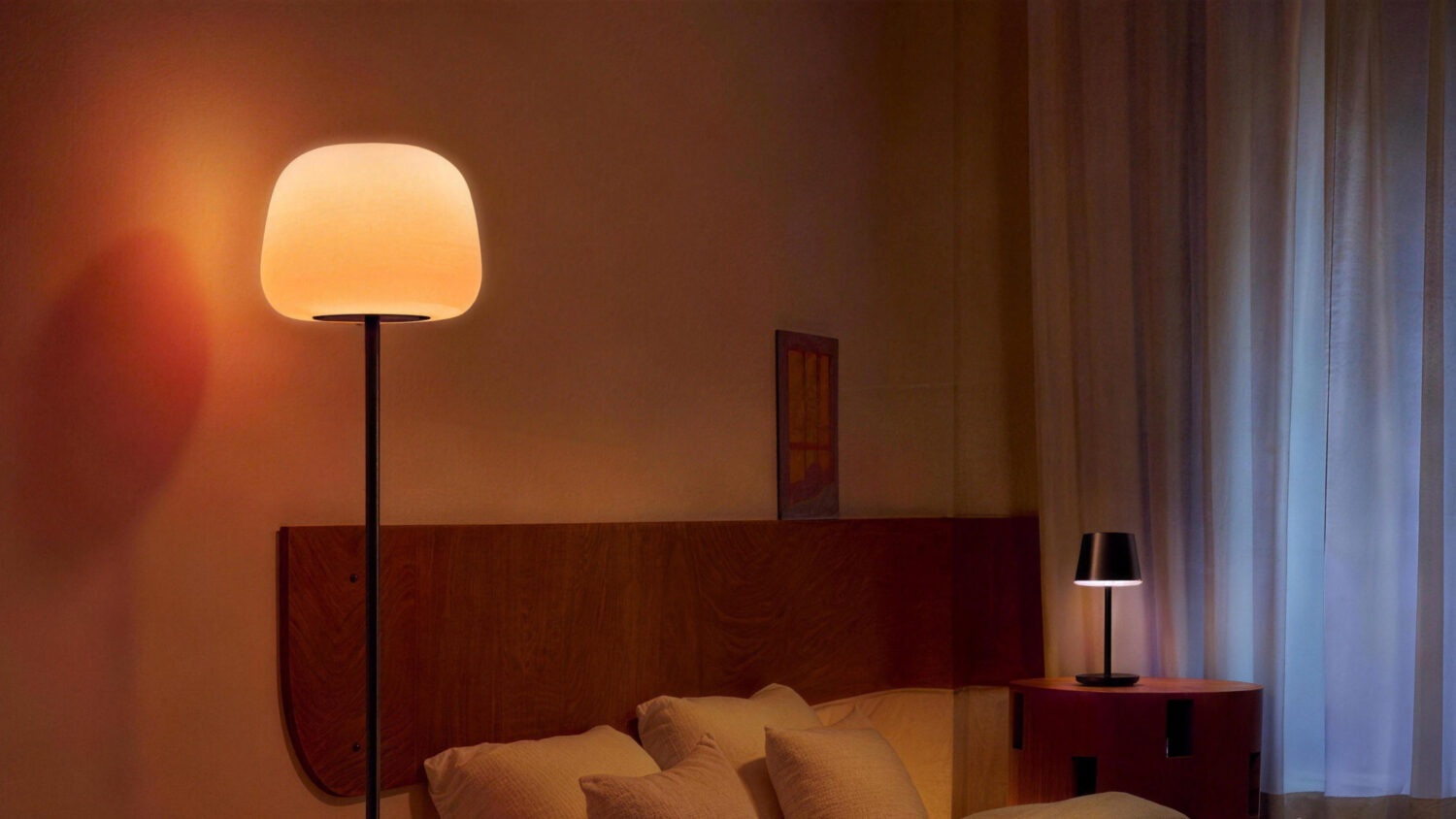
In stark contrast to the living room, the bedroom prioritizes rest, recovery, and psychological decompression. As the body winds down for sleep, lighting schemes must shift away from high-intensity output toward low-intensity, indirect illumination that respects natural circadian decline.
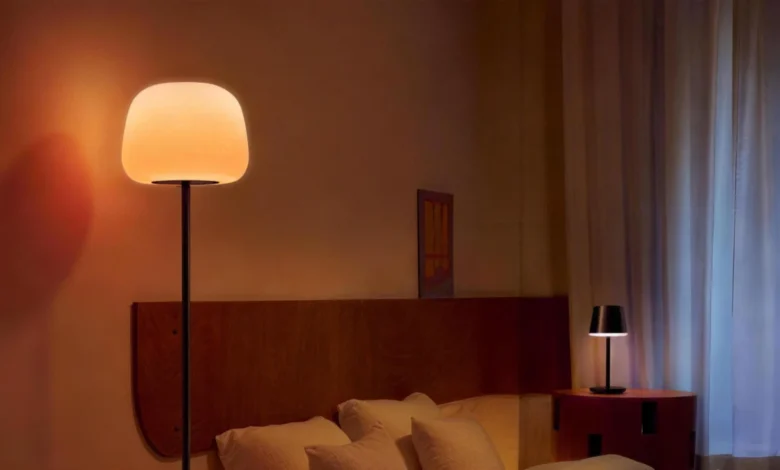
A restful bedroom environment during autumn and winter benefits from wide-reaching floor lamps combined with gentle table lamps and subtle accent lines. For instance, incorporating the Govee Lantern Floor Lamp alongside a classic bedside table lamp, accented by the soft halo effect of a COB Strip Light 2 Pro along a headboard, provides a balanced wash of light. Utilizing desaturated blue and purple accents alongside warm 2500K–2700K tones creates a tranquil visual field that calms the mind, easing the physiological transition into deep, restorative sleep.
Balancing Focus and Comfort in the Home Office
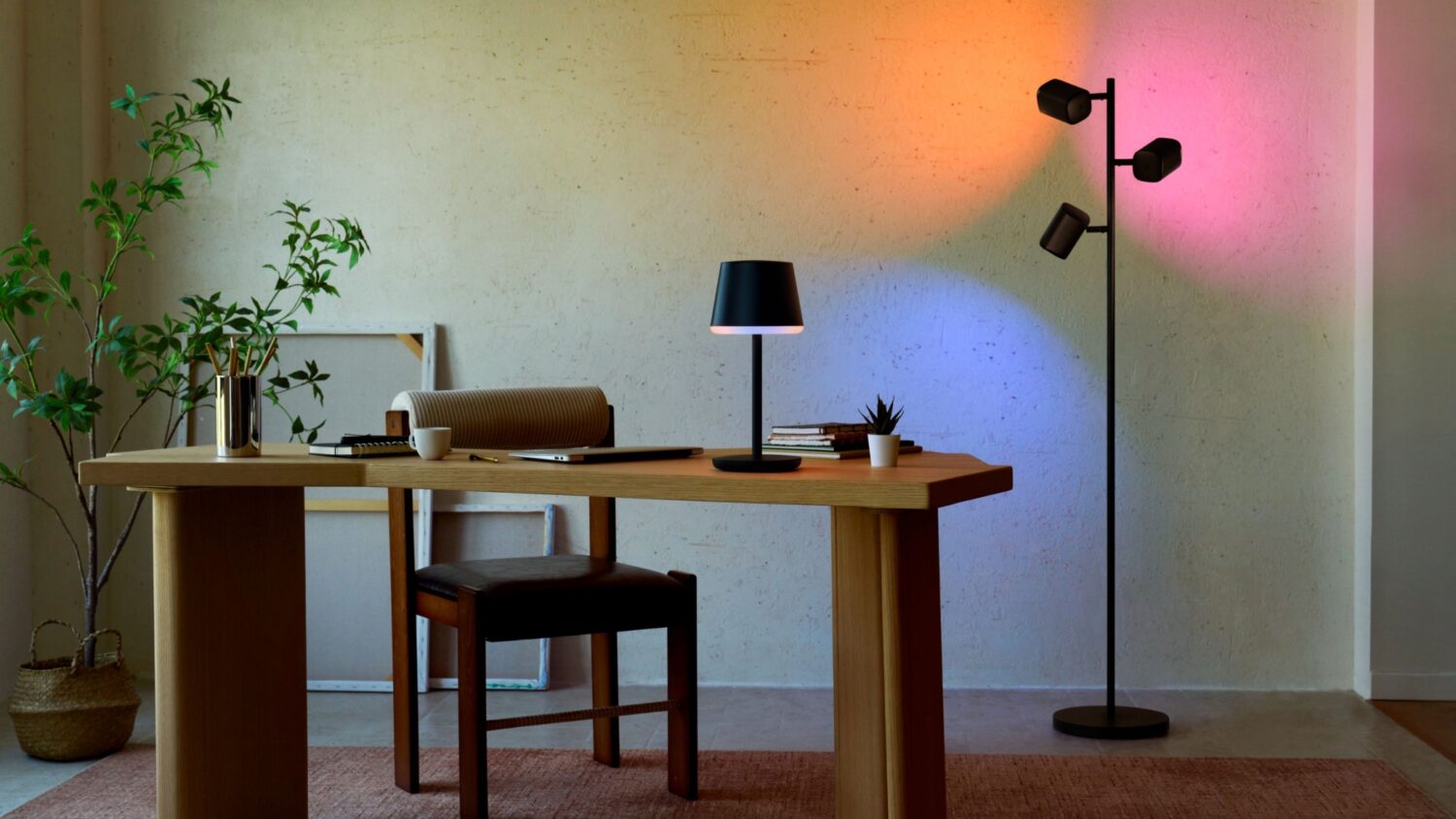
With remote and hybrid work models remaining a permanent fixture of modern professional life, the home office requires a careful balancing act. The space must remain functional and productive without slipping into a sterile, clinical atmosphere that drains energy during long winter work sessions.
To maintain alertness without inducing fatigue, designers recommend anchoring the room with clear, energizing task lighting, such as the Govee Sky Ceiling Light operating in the 4000K–6000K range. This provides the necessary visibility for detailed work. However, to counteract the coldness of pure task lighting, supplementary warm accents like the Govee Tree Floor Lamp and classic table lamps are introduced. This deliberate contrast prevents eye strain, keeps the mind alert, and ensures the workspace remains human, welcoming, and comfortable throughout extended winter shifts.
The Mechanics of Flexible Smart Lighting Solutions
Historically, altering a home’s lighting architecture required expensive electrical rewiring, the installation of custom wall dimmers, or the physical replacement of hardwired fixtures. The advent of flexible smart lighting has democratized interior design, allowing homeowners to experiment freely with placement, brightness, color saturation, and dynamic gradients without making permanent structural alterations.
Smart-lighting ecosystems leverage advanced LED engineering and software integration to grant users unprecedented control over their indoor environment. Features such as programmable automation schedules allow lights to mimic natural solar cycles, gradually warming up in the evening to prepare the body for rest. Additionally, during major holiday periods, these same systems can incorporate festive, color-changing motifs that elevate seasonal celebrations while maintaining underlying design cohesion.
Broader Implications and Industry Outlook
The growing consumer demand for advanced smart-lighting solutions underscores a broader evolution in how people view their living spaces. As economic and environmental factors prompt many individuals to invest more time in their homes—particularly during the autumn and winter confinement periods—the psychological importance of interior ambiance has taken center stage.
Industry analysts note that lighting is no longer viewed merely as an after-purchase accessory, but as foundational interior architecture. As Sherry Ye observes, a room can be furnished with the finest materials and most expensive art, but without thoughtful lighting, those design elements remain flat and uninspired. By altering how occupants perceive color, texture, scale, and proportion, smart lighting empowers homeowners to reinvent their domestic spaces seasonally, efficiently, and with profound psychological benefits.