Bambu Lab Enters the Laser Cutting Market with the Launch of the R1 CO2 Laser System

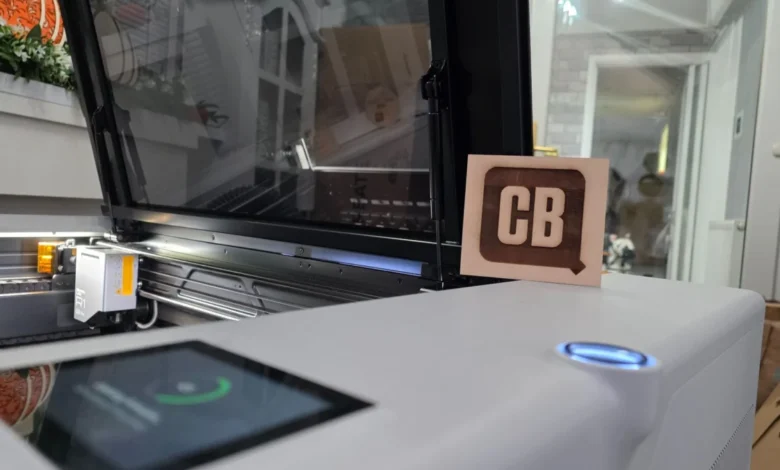
Bambu Lab, the manufacturer that revolutionized the desktop 3D printing industry over the past five years, has officially announced its first standalone product outside of the additive manufacturing ecosystem: the R1 55-watt CO2 laser cutter. This strategic move marks the company’s expansion into the broader "maker" hardware space, positioning the R1 as a direct competitor to established industry players like xTool. Priced at $2,499.00 (£2,249.00 / €2,499.00 / AU$3,849.00), the R1 represents a significant pivot for a brand previously defined by its high-speed FDM 3D printers.
A Departure from Additive Manufacturing
For the better part of half a decade, Bambu Lab has focused almost exclusively on optimizing 3D printing workflows, introducing features like high-speed extrusion, automated bed leveling, and multi-color material systems. While the company has experimented with modular laser engraving tools as add-ons for its H-series 3D printers, the R1 is a dedicated, purpose-built CO2 laser system. This machine utilizes a 55-watt laser source capable of cutting and engraving a wide array of materials, including organic substrates like wood, leather, and fabric, as well as synthetic materials like clear acrylic and coated metals.
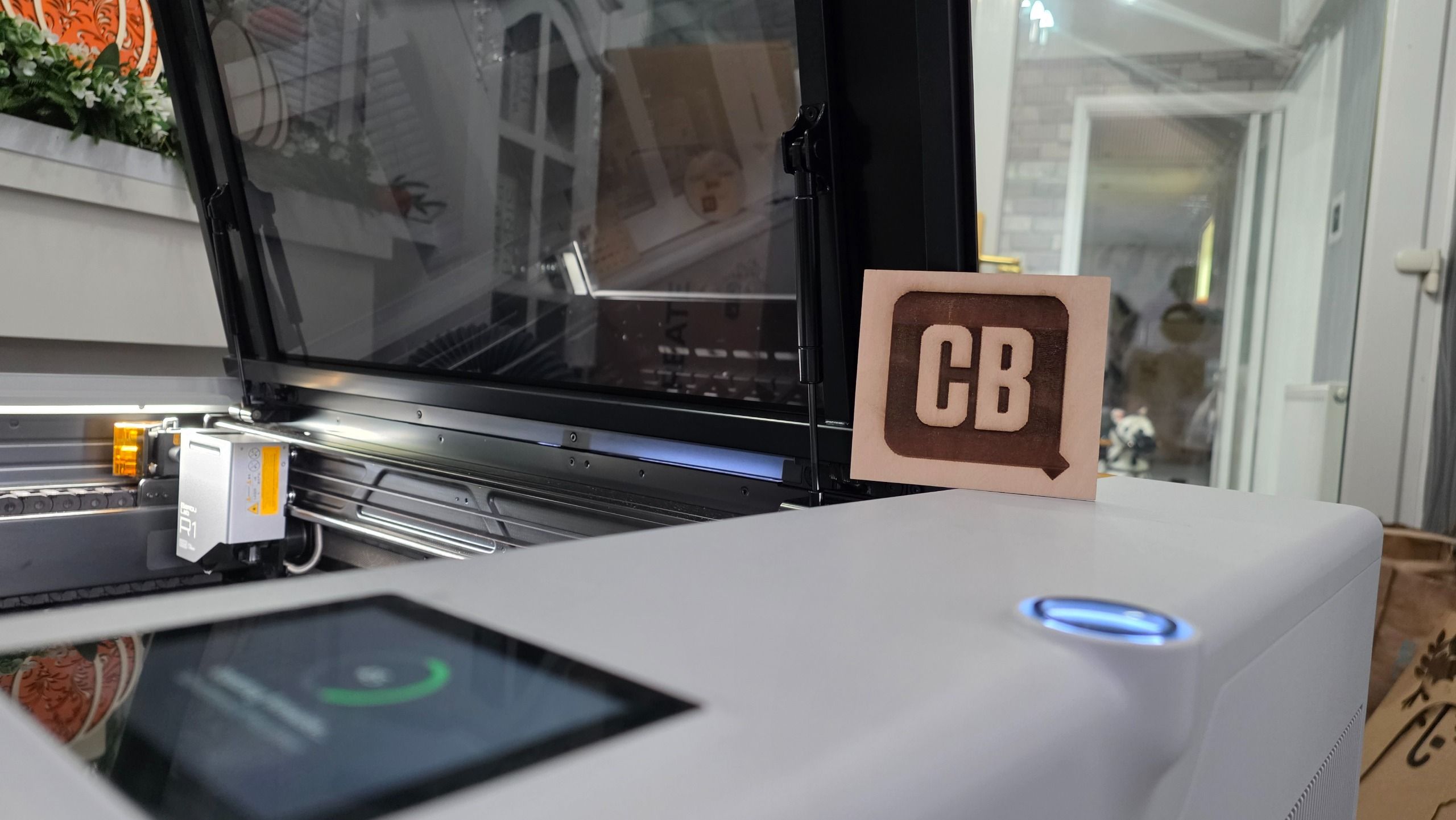
The development of the R1 indicates that Bambu Lab is seeking to capture the segment of the maker market that requires more power than a diode laser can provide but desires the user-friendly interface for which the company is known. By transitioning from a 3D printing-only company to a diversified hardware manufacturer, Bambu Lab is leveraging its existing brand equity to challenge incumbents that have dominated the desktop CO2 laser market for years.
Technical Innovations and the TriSense System
One of the primary barriers to entry for CO2 laser users has historically been the complex maintenance required for optical alignment. Traditional CO2 laser setups require users to manually calibrate the beam path by adjusting multiple mirrors—a process often involving thermal paper and trial-and-error adjustments.
The Bambu Lab R1 aims to eliminate this hurdle through its proprietary TriSense System. This automated optical alignment technology detects the placement of the material, calculates the surface height, and maps the laser’s path in a single, automated operation. For professional makers and hobbyists alike, this represents a significant reduction in setup time and technical overhead.
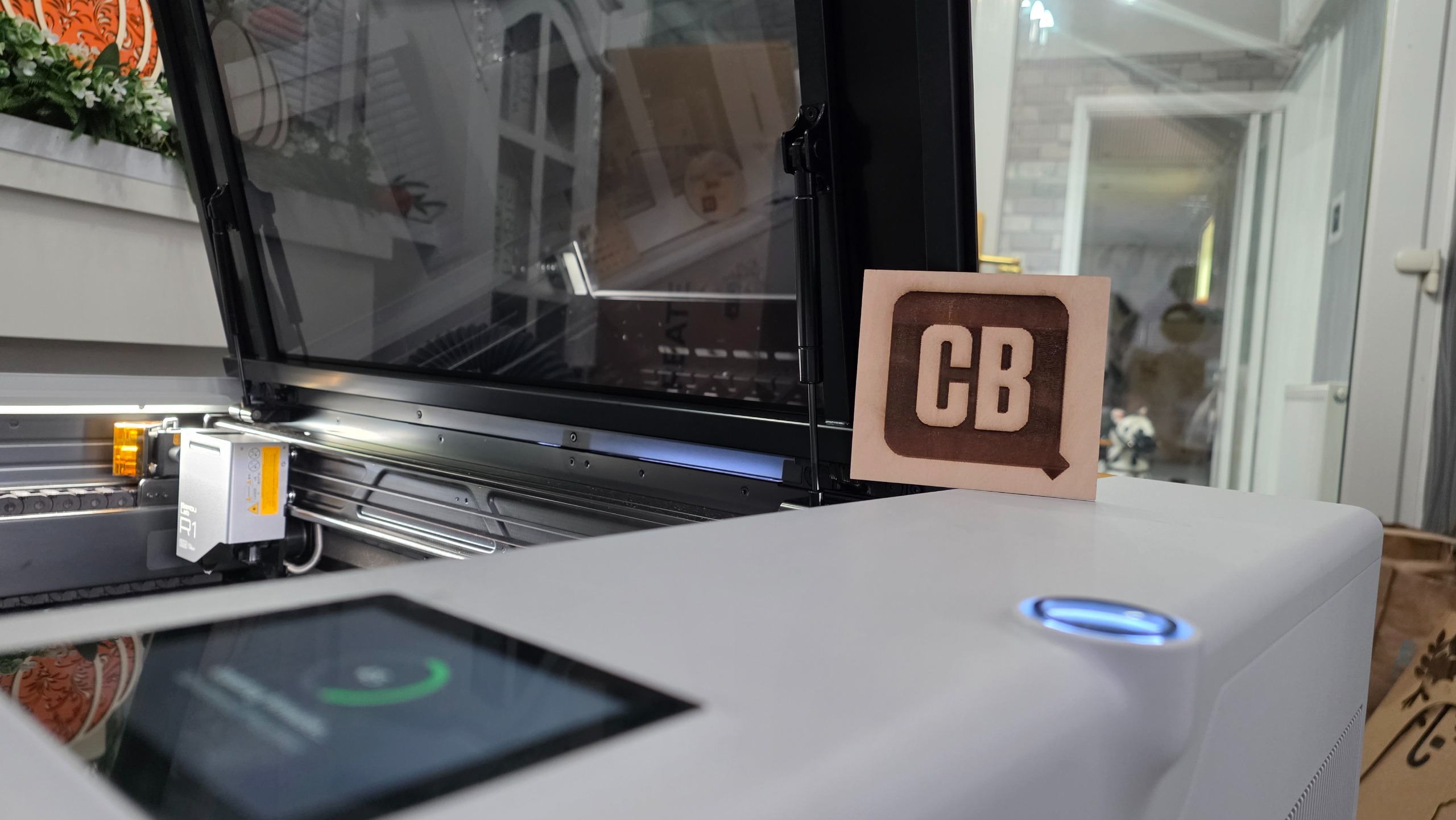
Furthermore, the machine incorporates a Vision Encoder—an optional calibration tool designed to mitigate mechanical drift. In high-precision laser work, even minor deviations in the x or y-axis can ruin a project. The Vision Encoder functions as a diagnostic tool that measures and corrects for wear or physical shifts in the machine, potentially increasing the longevity of the device and ensuring consistent output over time.
Competitive Positioning and Market Context
At a retail price of $2,499, the R1 is positioned aggressively within the professional-sumer and enthusiast market. To provide context, established desktop CO2 laser units, such as the xTool P2S, debuted at significantly higher price points, often exceeding $4,000. By entering the market at this price bracket, Bambu Lab is signaling an attempt to disrupt the pricing power of existing laser manufacturers.
However, the R1 does not operate in a vacuum. It relies on the Bambu Suite software, a dedicated desktop application that emphasizes accessibility. Unlike some industry software that requires ongoing subscription fees or credit-based AI rendering, Bambu Suite is provided as a cost-free solution. It includes integrated tools for image processing, such as background removal and vector tracing, which allow users to convert raster images into SVG files suitable for laser cutting without needing third-party graphic design software.
Safety and Ergonomics
The R1 is classified as a Class 1 laser system, which generally ensures that the laser beam is enclosed during normal operation, negating the need for protective eyewear for the operator. This safety standard is essential for the machine’s intended use in home workshops, classrooms, and small businesses.
The machine features standard safety protocols, including a mechanical emergency stop button, an auto-shutoff mechanism that triggers if the lid is opened, and integrated flame detection. To further enhance safety, the company offers an optional Auto Fire Extinguishing System, which can suppress internal fires without manual intervention. Despite these features, the manufacturer emphasizes that the device—like all laser cutters—should only be operated while under supervision, and users must adhere strictly to material compatibility guidelines to prevent the release of toxic fumes or fire hazards.
Design and Physical Footprint
Measuring with a working area of 600 x 300 mm, the R1 is designed to be relatively compact while maintaining a large enough bed to accommodate standard material sheets. While the machine is notably heavy and requires a two-person effort for unboxing and initial setup, the manufacturer claims it occupies approximately 33% less space than competing CO2 lasers with similar working dimensions.
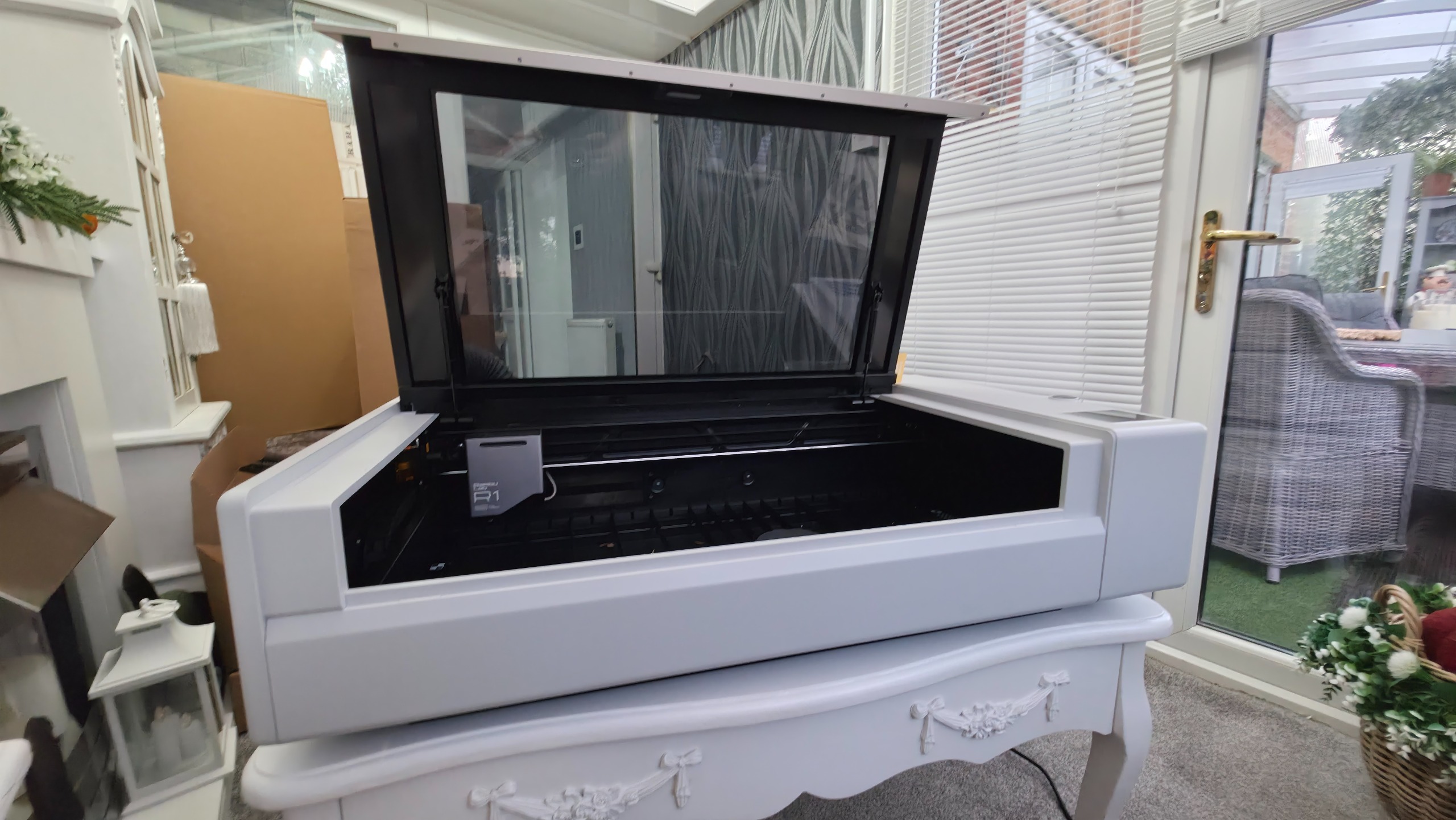
For users requiring extended capacity, the R1 supports an optional conveyor attachment, which allows for the processing of materials up to 3,000 mm in length. This feature is aimed at users performing large-scale projects, such as furniture design or continuous signage production, effectively extending the machine’s utility beyond the constraints of its internal bed.
The Role of the Ecosystem
Bambu Lab’s decision to maintain a consistent UI across its hardware line is a deliberate strategy to retain its current user base. For those already accustomed to the interface of Bambu Lab 3D printers, the R1’s touch-screen control panel will feel familiar. The integration with the Bambu Handy mobile application allows for status monitoring, although the lack of a live video streaming feature for remote monitoring via the app is a notable limitation. Users currently have access to a "BirdsEye" camera mounted inside the lid for design placement, but this does not currently serve as a remote observation feed, reinforcing the requirement for the operator to remain in the vicinity of the machine during operation.
Broader Implications and Future Outlook
The introduction of the R1 is likely to have ripple effects throughout the desktop manufacturing industry. If the R1 delivers on its promises of reliability and ease of use, it could set a new baseline for consumer expectations regarding laser alignment and software integration.
The move also raises questions about whether Bambu Lab intends to further diversify its product catalog into other areas of digital fabrication, such as CNC milling or advanced robotics. Given the company’s track record of rapid iteration and its ability to scale production, the R1 should be viewed as a foundational step rather than an isolated experiment.
As of late 2024, the product is in the pre-order phase, with global shipping scheduled to commence in October. The industry will be watching closely to see if the R1 can replicate the success of the company’s 3D printer line, particularly in terms of long-term reliability and community adoption. While the initial feedback from beta testers has been positive, the true test will come once the machine reaches the hands of a broader audience, exposing the system to a wider variety of environments, materials, and long-term usage patterns.
For now, the Bambu Lab R1 stands as a compelling, if heavy, entry into a competitive market, promising to bring the same level of automation and accessibility to laser cutting that the company previously brought to the world of additive manufacturing.