CanJam London 2024 Highlights Emerging Trends in Personal Audio Engineering and the Subjectivity of High-Fidelity Sound.


The global personal audio industry recently convened at the Park Plaza Westminster Bridge for CanJam London 2024, the premier international trade show dedicated to headphones, in-ear monitors (IEMs), and portable audio technology. Organized by Head-Fi.org, the event serves as a critical juncture for manufacturers, engineers, and enthusiasts to showcase innovations ranging from entry-level consumer products to ultra-high-end "summit-fi" flagships retailing for over $5,000. This year’s exhibition underscored a significant shift in the industry, moving away from purely speculative sound signatures toward a more data-driven, yet paradoxically subjective, understanding of how humans perceive audio.
The Scientific Challenge of Universal Sound Profiles
A central theme of the 2024 London event was the increasing recognition of acoustic subjectivity. During a prominent seminar titled "Why Can’t We Just Agree What a Headphone Sounds Like?", industry experts Griffin Silver (known as Listener) and Cameron Oatley (GoldenSound) from Headphones.com addressed the complexities of audio perception. The presentation highlighted that the physical interaction between a playback device and the human body is far more variable than previously acknowledged in mainstream audio reviews.
The seminar detailed how individual physiological factors—such as the shape of the pinna (outer ear), the diameter of the ear canal, and even the density of the skull—create unique Head-Related Transfer Functions (HRTF). These biological variables mean that the same pair of headphones can produce measurably different frequency responses on different individuals. For instance, a "seal break" caused by the shape of a listener’s jaw or the presence of eyeglasses can lead to a significant loss in sub-bass frequencies, while the material of the headphone pads can alter treble resonance.
This scientific consensus challenges the traditional reliance on standardized frequency response graphs. While these charts provide a baseline, they often fail to account for the "acoustic impedance" of the human ear. The industry’s move toward acknowledging these differences suggests a future where personalization and digital signal processing (DSP) may become as important as the physical drivers themselves.
The Intersection of Ergonomics and High-End Engineering
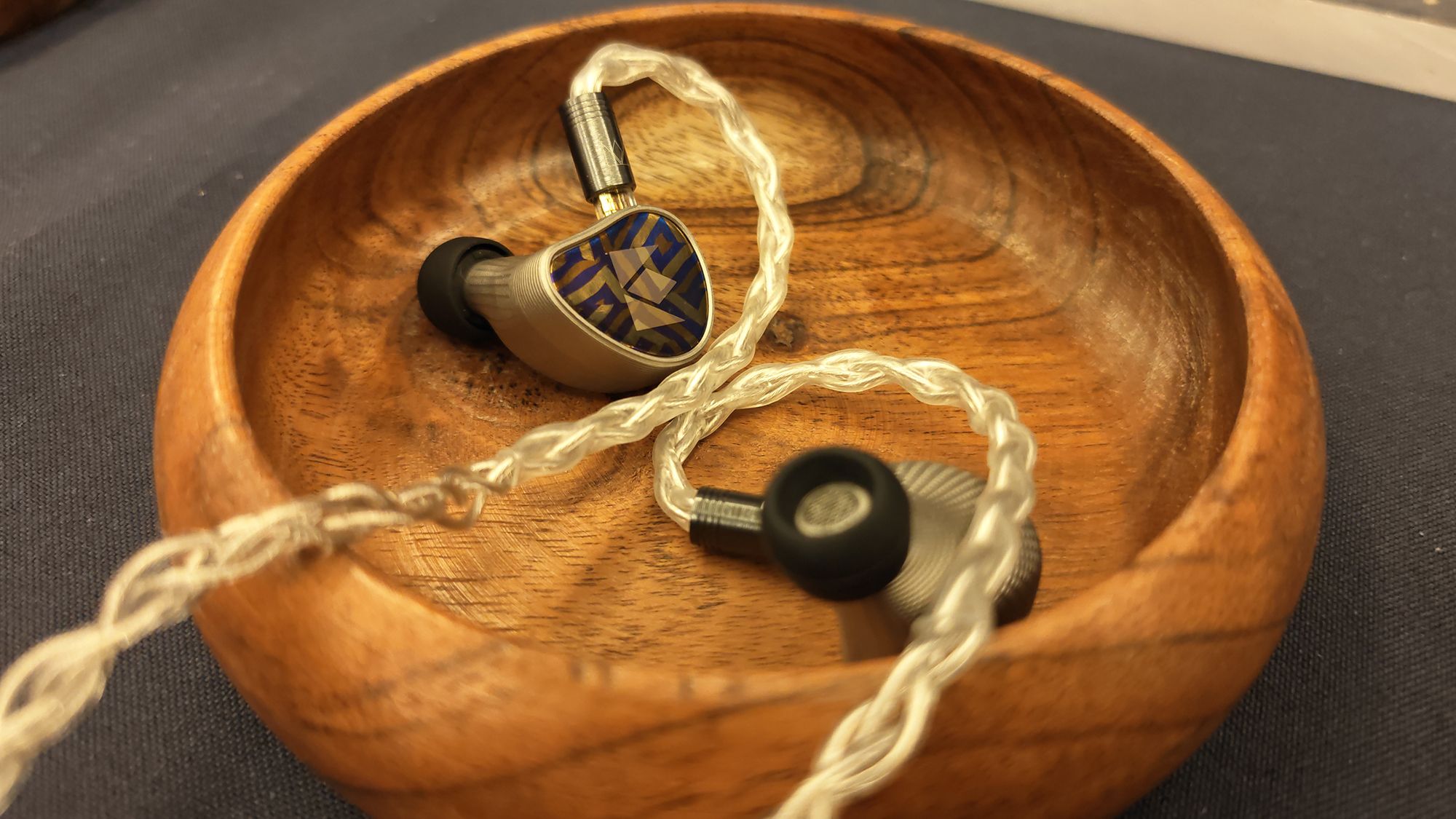
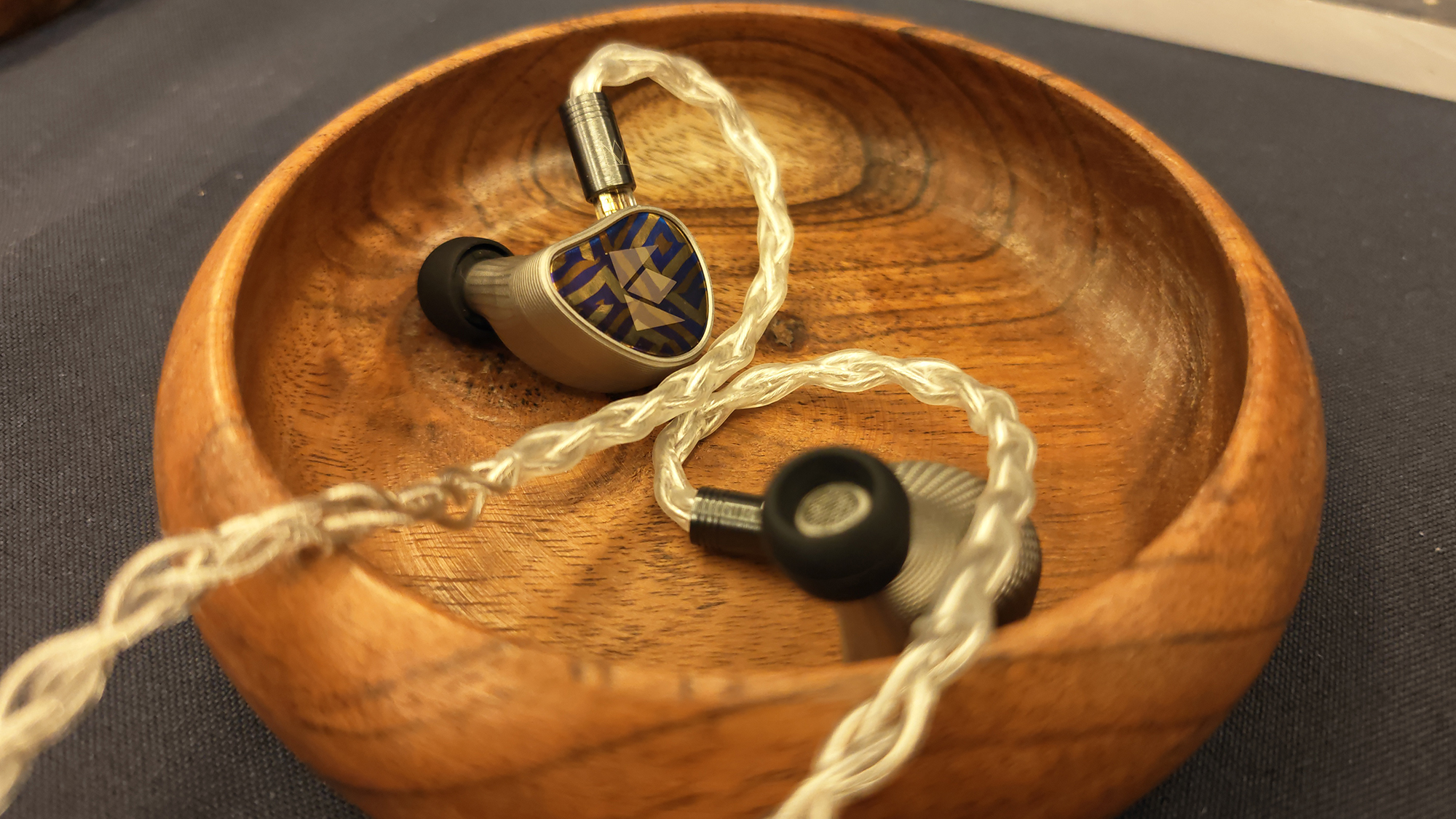
The event also served as a testing ground for the industry’s most ambitious engineering projects, most notably the Subtonic Storm. Retailing at approximately $5,200, the Storm has been cited by various technical analysts as a benchmark for IEM performance. However, the 2024 showcase revealed a growing tension between acoustic performance and ergonomic viability.
The Subtonic Storm utilizes an unvented design to maximize isolation and pressure-driven bass response. While this allows for unparalleled detail retrieval and a "heft" that mimics full-sized speakers, it introduces significant challenges regarding ear pressure. Attendees noted that the lack of pressure relief can lead to "occlusion effects" and discomfort during jaw movement, which can detract from the listening experience regardless of the audio quality.
In contrast, more affordable models like the Final E4000, priced around $100, were frequently cited for their superior comfort and "vented" designs that allow for long-term wear. This comparison highlights a "levelling factor" in the hobby: high-fidelity sound is ultimately limited by the physical interface. If a device cannot be worn comfortably for extended periods, its technical specifications become secondary to its usability.
The Rise of Objective Neutrality: The B&K 5128 Standard
A significant technological milestone discussed at CanJam London 2024 was the adoption of the Brüel & Kjær 5128 High-Frequency Head and Torso Simulator. This advanced measurement tool is designed to more accurately mimic the acoustic impedance of the human ear compared to the older, industry-standard "711" couplers.
The shift toward this new measurement standard was exemplified by the launch of the Status Pro X GoldenSound Edition. This wireless earphone, priced at $280, represents a collaboration between Status Audio and Cameron Oatley. The development process involved a rigorous scientific approach: measuring individual HRTFs in conjunction with Imperial College London to derive a "true neutral" target specific to the 5128 simulator.
By tuning the Pro X to match this baseline, the engineers aimed to create a sound profile that lacks artificial treble boosts or mid-bass scoops—common "colorations" used by manufacturers to hide driver limitations. The result is a product that prioritizes transparency and realism. The success of such "neutral-target" products suggests a maturing market where consumers are increasingly seeking accuracy over exaggerated "fun" sound signatures.
Market Dynamics: From Budget Bangers to Luxury Flagships
The 2024 exhibition displayed a bifurcated market. On one end, the "Chi-Fi" (Chinese Hi-Fi) movement continues to disrupt the industry by offering high-performance gear at lower price points. Products like the FiiO FT1 and the Binary EP321 were highlighted for bringing "audiophile-grade" sound—specifically closed-back bass extension and planar-like treble detail—to the sub-$300 market.

On the other end, luxury manufacturers like Noble Audio continue to push the boundaries of price and complexity. The Noble Audio Kronos, priced at $4,500, features a sophisticated nine-driver array. Unlike some of the brand’s more polarizing models, such as the Vanguard, the Kronos was noted for its refined midrange and lower-frequency warmth.
The existence of the $4,500 Kronos alongside $100 high-performers raises questions about the diminishing returns of audio investments. While the Kronos offers "micro-detail" and a specific "timbre" that cheaper models cannot replicate, the industry is seeing a narrowing gap. The "democratization" of high-end audio means that 90% of the performance of a flagship can now often be found for less than 10% of the price.
Chronology of Industry Evolution (2020–2024)
To understand the context of CanJam London 2024, one must look at the timeline of the personal audio revolution:
- 2020–2021: The global pandemic led to a surge in home-audio investment. Consumers moved away from basic Bluetooth buds toward wired setups for high-resolution streaming services like Tidal and Apple Music.
- 2022: The introduction of the Brüel & Kjær 5128 began to replace older measurement rigs in high-end labs, leading to a "re-tuning" of many popular IEMs to better fit new acoustic targets.
- 2023: The "Collaboration Era" peaked, with reviewers like Crinacle and GoldenSound partnering with manufacturers (e.g., Status, Truthear) to bring expert-tuned signatures to mass-market prices.
- 2024: CanJam London 2024 solidified the move toward "subjective objectivity," where manufacturers acknowledge individual hearing differences while using high-level data to create more accurate baseline tunings.
Implications for the Future of Personal Audio
The insights gained from CanJam London 2024 suggest several long-term implications for the consumer electronics sector:

- Personalized EQ as Standard: As the industry accepts that "everyone hears differently," we can expect more manufacturers to integrate sophisticated app-based hearing tests (similar to Mimi or SoundID) to calibrate headphones to an individual’s unique HRTF.
- Pressure Relief Technology: Following the feedback on unvented flagships like the Subtonic Storm, future high-end IEMs will likely prioritize "APEX" or "ADEM" style pressure-relief valves to combine high isolation with long-term comfort.
- The Decline of "V-Shaped" Tunings: The success of the Status Pro X GoldenSound Edition and the CrinEar Reference indicates that the mainstream audiophile market is moving away from "V-shaped" sound (boosted bass and treble) in favor of a balanced, mid-forward "reference" sound.
- Wireless High-Fidelity: The distinction between "wired audiophile" and "wireless consumer" gear is blurring. With the advent of lossless Bluetooth codecs and DSP-corrected tunings, wireless models are now competing directly with wired setups in the sub-$500 category.
In conclusion, CanJam London 2024 was more than a trade show; it was a demonstration of an industry in transition. By balancing the pursuit of objective measurement with a respect for the subjective nature of human hearing, audio engineers are creating a new generation of products that are more accurate, more comfortable, and more accessible than ever before. While the "summit-fi" flagships continue to serve as aspirational north stars, the real innovation is occurring in the mid-market, where science and sound are converging to deliver elite experiences to a broader audience.