Maxon Transforms 3D Workflows by Integrating Third-Party AI Assistants into Cinema 4D via Model Context Protocol


The landscape of professional creative software is undergoing a seismic shift as major industry players race to integrate generative artificial intelligence into established production pipelines. Following a year of significant AI adoption across the creative sector—most notably Adobe’s rollout of AI-driven assistants within Photoshop—Maxon has officially announced a groundbreaking update for its industry-standard 3D modeling and animation software, Cinema 4D. Starting with version 2026.4, the platform now features native support for third-party AI assistants, including Claude, ChatGPT, and Codex, through the implementation of a Model Context Protocol (MCP) server. This development represents a strategic departure from the industry trend of building proprietary, closed-loop AI models, opting instead for an open, interoperable framework that leverages existing large language model (LLM) architectures to handle procedural heavy lifting.
The Mechanics of the Model Context Protocol in Cinema 4D
The integration of the Model Context Protocol (MCP) into Cinema 4D is not an AI "plug-in" in the traditional sense. Rather, it is a communication bridge that allows external AI assistants to interact directly with the software’s internal API. By enabling the MCP server, users can issue natural language commands to their preferred AI, which then interprets these instructions and translates them into specific, actionable steps within the Cinema 4D environment.
This approach addresses one of the primary criticisms of earlier generative AI tools: the loss of control and the creation of "black-box" outputs. Unlike generative tools that create flat, rasterized images or baked-in geometries, Maxon’s implementation ensures that every change made by the AI occurs through the software’s native toolset. When an AI assistant is prompted to organize a complex hierarchy, create material variations, or adjust lighting, it does so using the same parameters a human operator would utilize. Crucially, the resulting scene data remains editable, allowing artists to manually refine, undo, or iterate on the AI’s output, thereby maintaining the integrity of the creative vision.

Chronology of AI Integration at Maxon
Maxon’s move toward AI-augmented workflows has been a deliberate, multi-stage process over the past eighteen months. The journey began with the integration of specialized AI tools, such as the partnership with Tencent’s HY 3D AI engine, which introduced generative 3D model creation to the platform. This initial phase focused on content generation—helping artists quickly produce base models or complex assets that would otherwise require hours of manual modeling.
The second phase, which culminated in the release of the MCP server, shifted the focus from generation to orchestration. Recognizing that 3D production is often hindered by repetitive, low-level tasks—such as UV mapping, scene organization, and render queue management—Maxon sought a solution that could act as a technical director or assistant. By mid-2024, the company began internal testing of the MCP framework, recognizing that the rapid advancement of LLMs like Claude and GPT-4o made them ideal candidates for understanding technical instructions related to scene structure and procedural animation. The launch of the MCP server in the 2026.4 update marks the transition from experimental testing to a production-ready feature.
Supporting Data and Technical Implementation
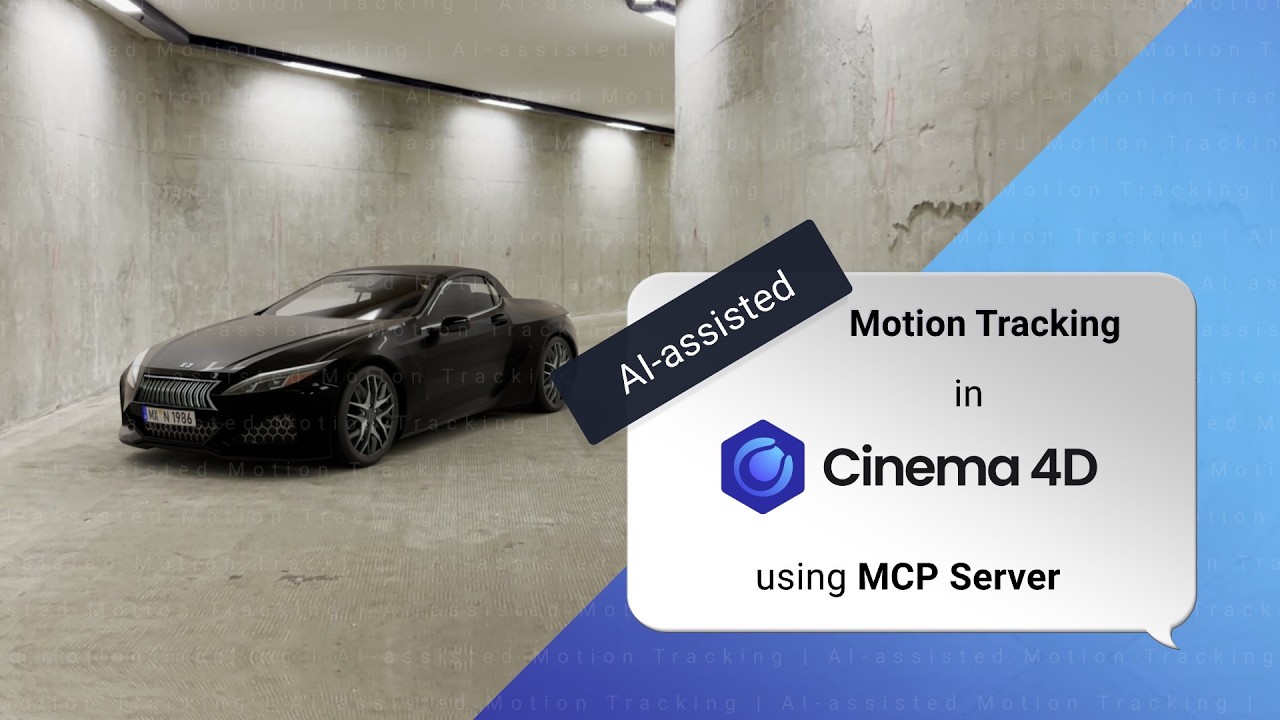
The efficiency gains afforded by this integration are significant. Internal documentation and demonstration videos from Maxon highlight that tasks such as motion tracking, which traditionally require meticulous frame-by-frame adjustments, can now be guided by AI assistants that understand the context of the camera movement and object placement.
From a security and privacy perspective, Maxon has implemented rigorous controls to satisfy the requirements of enterprise-level studios. The MCP server is disabled by default, ensuring that users must make an intentional choice to activate it. Furthermore, access is managed through an MCP adapter access token, and users possess granular control over which tool groups the AI is permitted to access. This "sandboxed" approach is vital, as it prevents the AI from accidentally modifying critical scene elements that the artist wishes to keep protected.
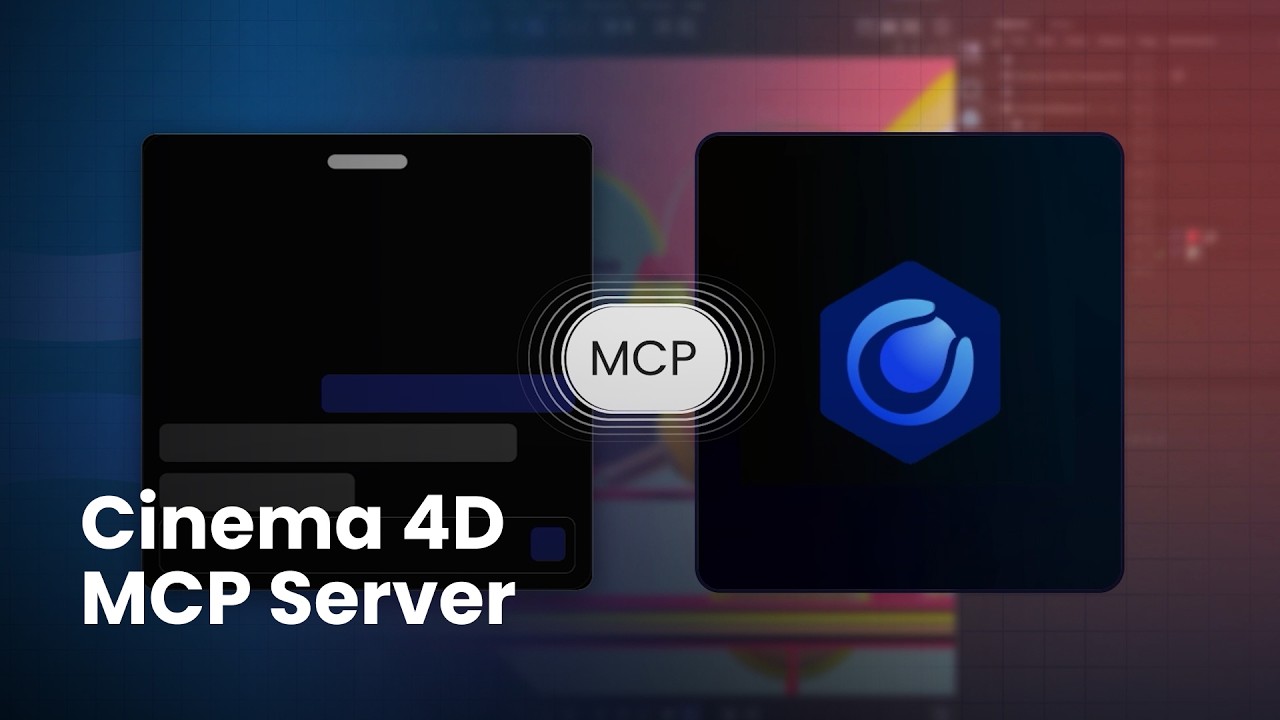
The audit trail is another core component of this implementation. Every command executed by an AI is recorded in a local log and is fully represented in the software’s undo history. This creates a safety net for artists: if an AI-driven script leads to an undesirable outcome, the user can revert the changes with a single keystroke, treating the AI’s work as a series of standard software commands rather than an unchangeable output.
Implications for the 3D Industry
The decision by Maxon to support third-party models rather than developing a proprietary, walled-garden AI has broader implications for the 3D industry. Historically, software companies have sought to keep users within their own ecosystems. By adopting the Model Context Protocol, Maxon is signaling a commitment to an "open-platform" philosophy. This allows creative studios to choose the LLM that best fits their specific needs—whether it is a model optimized for coding/scripting (like Codex) or one optimized for descriptive reasoning and creative brainstorming (like Claude).
The potential for this technology to change the role of the 3D artist cannot be overstated. As the software handles the procedural "grunt work"—such as naming conventions, folder structures, and basic rigging—the role of the artist shifts toward that of a creative director. The artist is no longer just the technician building the scene; they are the architect directing the AI to execute the technical heavy lifting, freeing up time for high-level creative decisions.
Future Outlook and Upcoming Developments
While the MCP integration is the headline feature for the 2026.4 update, it is only part of a broader push by Maxon to modernize the Cinema 4D experience for the mobile and tablet era. With a dedicated Cinema 4D iPad application slated for release before the end of this year, the company is positioning itself to be a leader in the next generation of creative hardware and software. The iPad app, combined with the power of AI-driven workflow assistance, suggests a future where high-end 3D production is no longer tethered to high-powered desktop workstations.
However, the industry remains cautious regarding the rapid integration of AI. Questions concerning copyright, the provenance of training data, and the displacement of entry-level technical roles remain at the forefront of the conversation. Maxon’s focus on "local execution" and "native data" serves as a potential buffer against these concerns, as the AI acts as an interface for the software rather than a generator that scrapes external copyrighted data to create new assets from scratch.
Expert Analysis and Industry Response
Market analysts have viewed Maxon’s strategy as a shrewd pivot. By positioning itself as a platform that facilitates AI rather than just providing a specific AI tool, the company effectively future-proofs its software against the rapid pace of change in the LLM market. If one AI provider falls out of favor or a new, more efficient model enters the market, Cinema 4D users can theoretically switch their MCP connection without needing to wait for a software update or a new, proprietary integration.
The response from the professional community has been largely positive, particularly among technical directors and lead artists who frequently deal with the "procedural tax" of managing massive scenes. By automating the organizational aspects of 3D, studios can potentially reduce the "time-to-market" for complex animations. The ability to build scene variations from CSV data, as demonstrated in recent tutorials, suggests that the software could soon become a primary tool for data-driven design and large-scale asset management.
Conclusion: A New Standard for Workflow Automation
Maxon’s integration of the Model Context Protocol into Cinema 4D marks a pivotal moment in the evolution of creative software. By bridging the gap between sophisticated large language models and professional-grade 3D tools, the company has provided a roadmap for how AI can be used to augment, rather than replace, human expertise. As the technology matures, the success of this initiative will likely be measured by the adoption rate among major VFX and animation studios and the extent to which it genuinely reduces the friction in the creative process. For now, it stands as a clear signal that the future of 3D production is collaborative—a partnership between the creative intent of the artist and the analytical speed of artificial intelligence.
Related posts: