ZiiGaat Seraphim Review: A High-Fidelity Hybrid IEM Balancing Aesthetic Excellence with Technical Precision

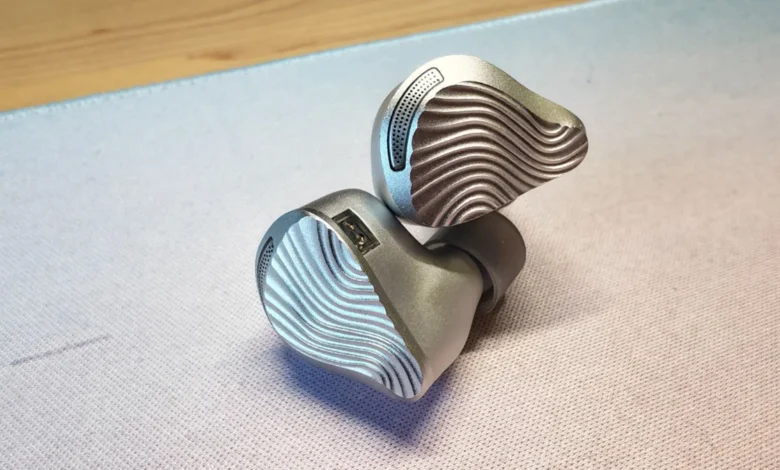
The portable audio market, colloquially known as the "Chi-fi" sector, has experienced an unprecedented surge in output over the past decade. Industry analysis suggests that the market now sees the release of over 200 distinct In-Ear Monitor (IEM) models annually. Amidst this saturation, manufacturers such as ZiiGaat, Dunu, Kiwi Ears, Aful, and Juzear have emerged as leaders by emphasizing technical performance and build quality over sheer volume. The latest addition to this landscape is the ZiiGaat Seraphim, an IEM released in October 2026 that aims to bridge the gap between mid-fi accessibility and flagship-tier audio performance.
Design and Technical Specifications
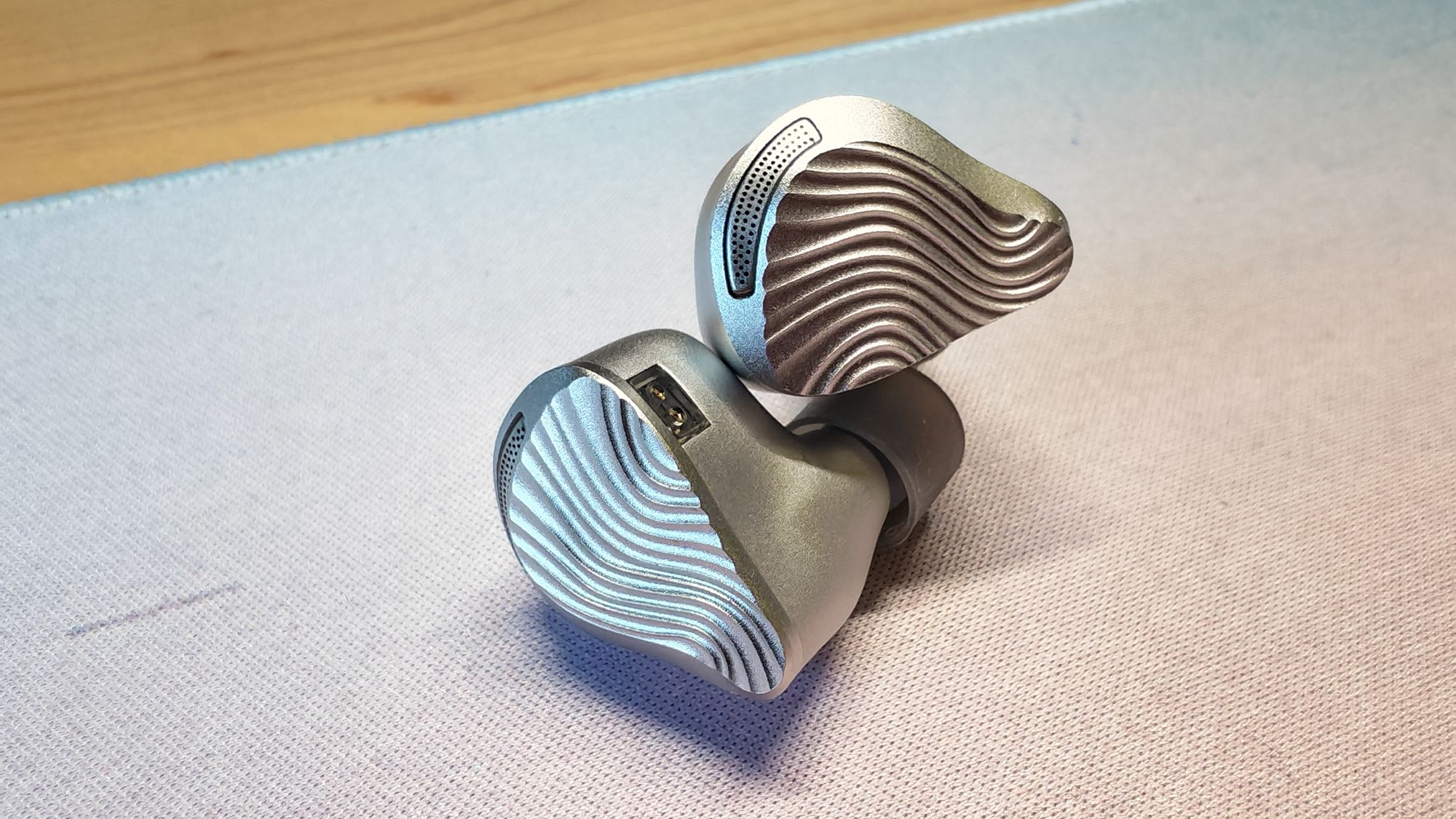
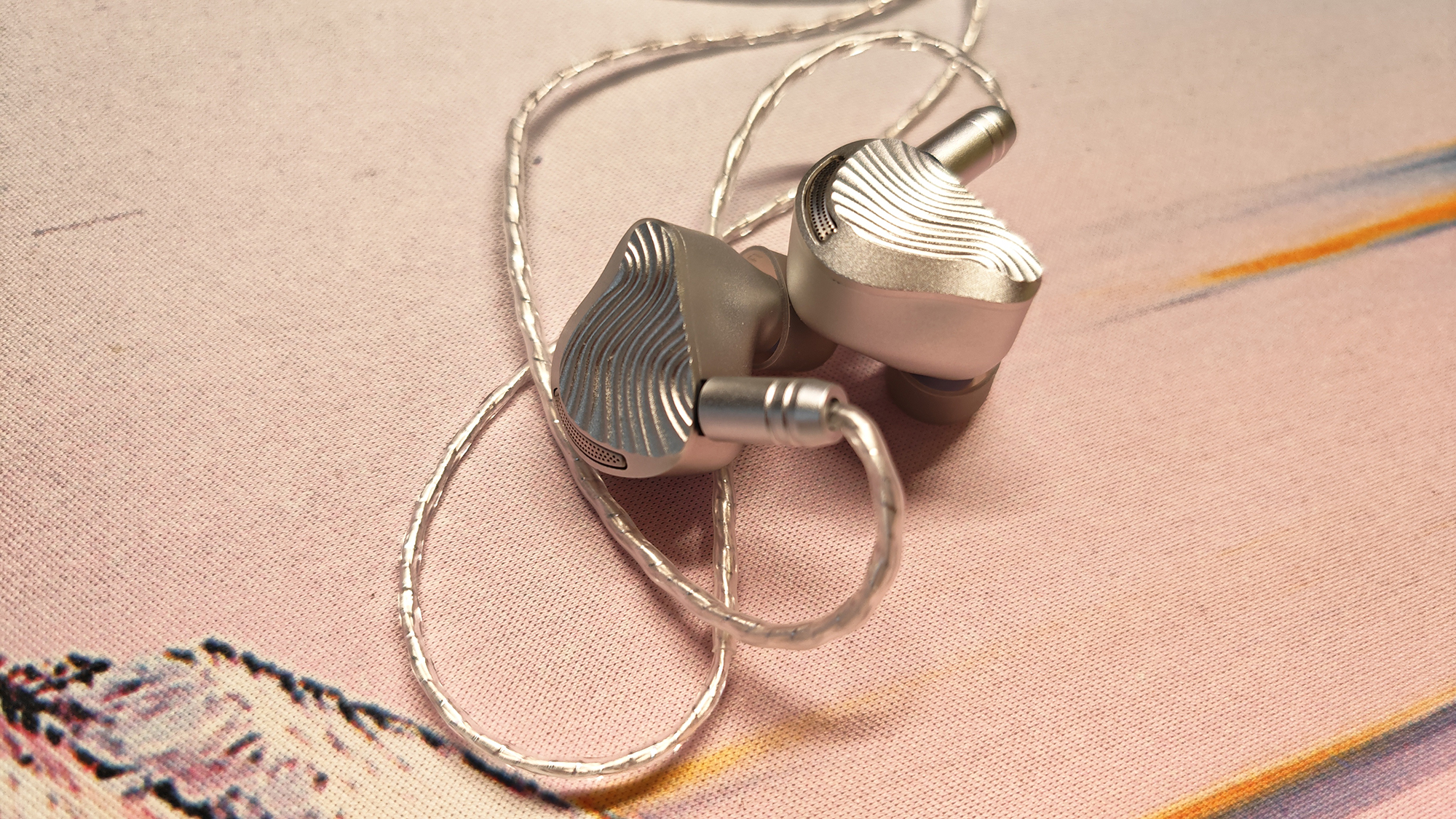
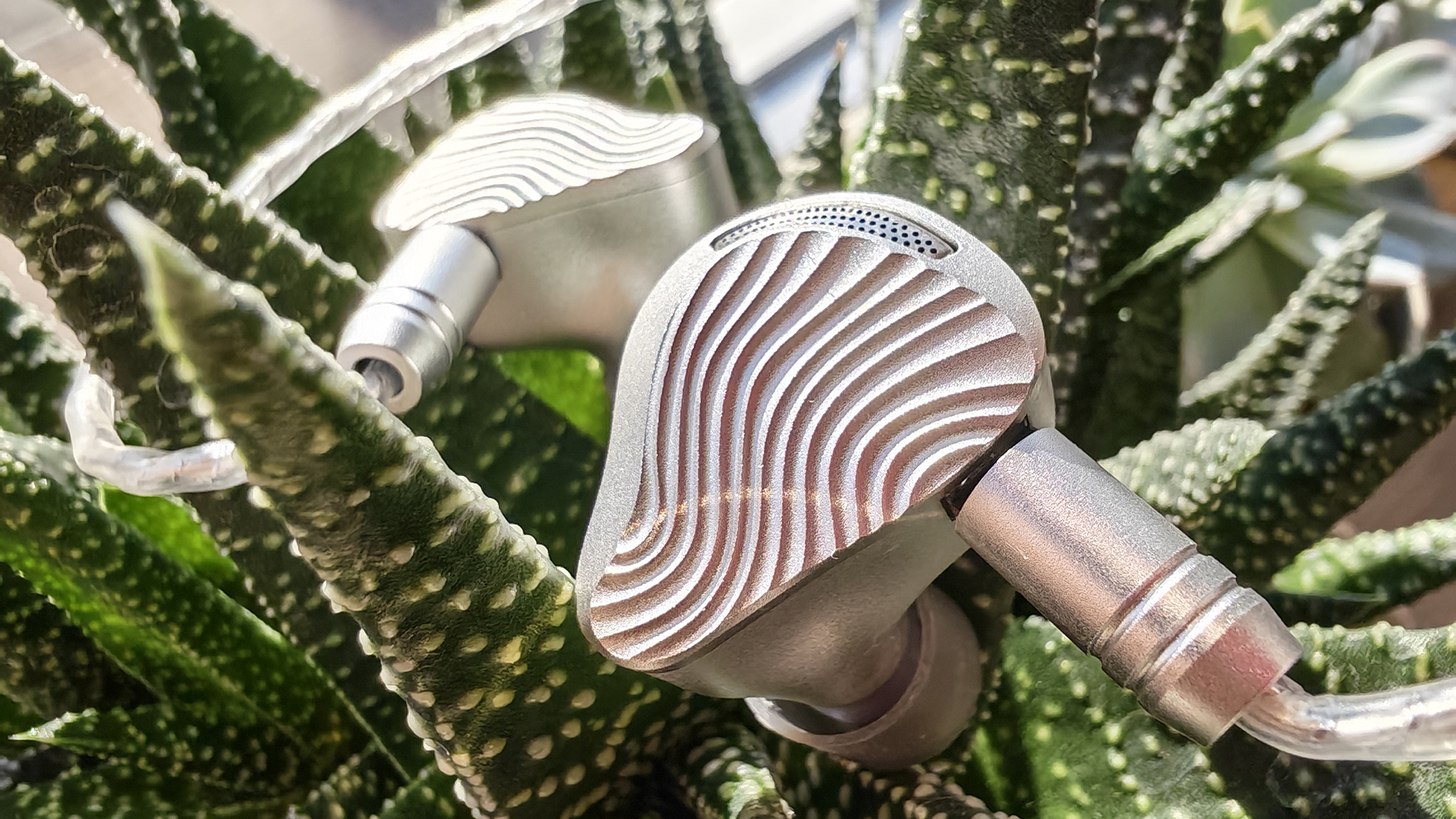
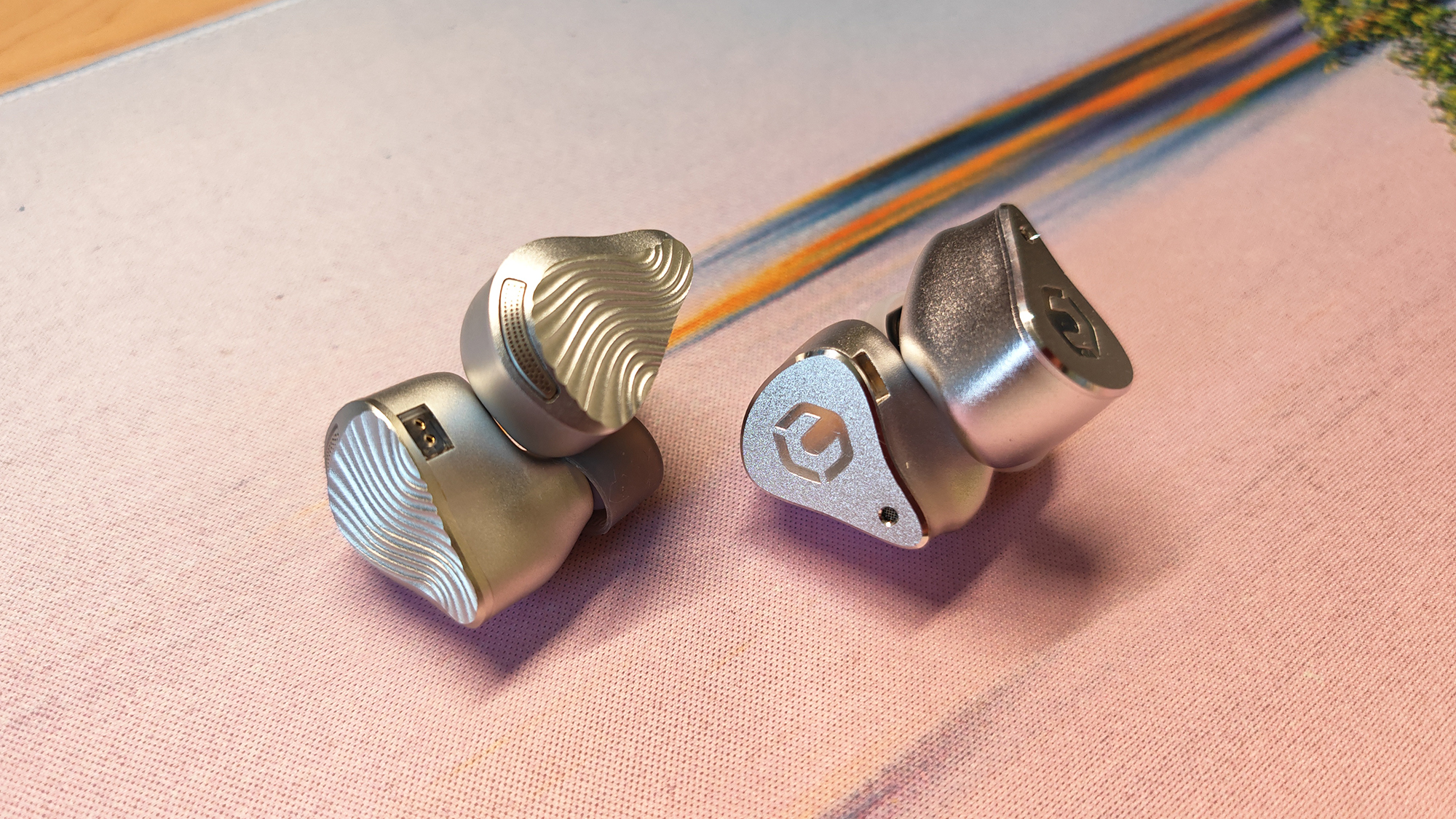
Priced at $259, the ZiiGaat Seraphim enters a highly competitive mid-range segment. The device utilizes a hybrid driver configuration consisting of two dynamic drivers (DD) and three Knowles balanced armatures (BA). This five-driver array is housed within a CNC-machined aluminum shell, chosen for its durability and acoustic properties. Each unit weighs approximately 5 grams, aiming for a lightweight profile suitable for extended use. The package includes a 1.2-meter modular cable, offering both 3.5mm and 4.4mm termination options, which reflects current consumer demand for versatile connectivity across various digital-to-analog converters (DACs) and amplifiers. With an impedance of 9Ω at 1kHz and a sensitivity of 125.5dB/Vrms, the Seraphim is designed to be efficient enough to drive well from mobile dongles while scaling with high-fidelity desktop equipment.
The Evolution of Hybrid IEM Engineering
The Seraphim’s acoustic architecture relies on an isobaric dual dynamic driver configuration. Isobaric designs, which involve two drivers operating in tandem to move air, are traditionally employed to enhance low-frequency extension and control. By offloading the sub-bass responsibilities to this configuration, the balanced armatures are free to manage the midrange and high-frequency registers. This separation is intended to reduce intermodulation distortion—a common challenge in multi-driver setups.
Industry experts note that this trend toward specialized driver tasks represents a maturation of the hybrid IEM market. While early iterations of hybrid monitors often suffered from "crossover bleed," where different drivers interfered with one another, modern tunings—such as that found in the Seraphim, which was refined in collaboration with audio consultant Jay Audio—prioritize a more surgical separation of frequencies.
Comparative Analysis: The Mid-Fi Market
The $250–$350 price bracket serves as a critical testing ground for manufacturers. Within this range, consumers expect not only premium materials but also distinct sound profiles that cater to specific listening preferences. The Seraphim has drawn comparisons to the CrinEar Reference, priced at $350, and the Binary EP321, which retails for approximately $310.
A technical comparison reveals a divergence in philosophy. The CrinEar Reference adheres to a "neutral" target curve, focusing on tonal accuracy and vocal realism. In contrast, the Seraphim adopts a "V-shaped" sound signature, which boosts sub-bass and high-frequency presence to create a more dynamic, "exciting" listening experience. While the Seraphim excels in providing physical impact and micro-detail, it sacrifices some of the mid-range body found in strictly neutral competitors. This distinction is vital for potential buyers: the Seraphim is optimized for genres like electronic dance music (EDM) and high-production pop, where bass slam and treble clarity are prioritized over vocal intimacy.
Ergonomics and User Experience
The physical design of the Seraphim has been met with scrutiny regarding its fit. The shell utilizes a shallow-nozzle geometry, which can present challenges for users accustomed to deep-insertion IEMs. Proper acoustic sealing—the most critical factor in achieving the intended frequency response—is dependent on the selection of eartips. During testing, standard-length tips proved insufficient for some users, necessitating the use of longer-profile tips, such as those provided with the Dunu Vitruvian, to maintain a consistent seal. Once properly fitted, however, the ergonomic profile is generally regarded as comfortable for long-term wear, making it a viable tool for commuting or desk-bound professional use.
Market Implications and Future Trends
The introduction of the Seraphim highlights a broader trend in the audio industry: the "democratization" of flagship-level aesthetics. As manufacturing processes like CNC machining become more accessible, smaller boutique brands can produce hardware that matches the build quality of established legacy companies. This has shifted the competition away from physical construction toward the science of "tuning."
The collaboration between ZiiGaat and consultants like Jay Audio signifies an effort to inject professional-grade, human-centric tuning into consumer products. By involving industry veterans in the sound design process, brands are attempting to mitigate the risks associated with the "hit or miss" nature of mass-produced audio gear.
Conclusion and Purchasing Considerations
The ZiiGaat Seraphim occupies a specific niche within the high-end audio market. It offers a refined, contrasty sound signature that will appeal to listeners who demand both visceral sub-bass and crisp, analytical treble. The device’s strengths lie in its build quality, its ability to handle complex, fast-paced musical arrangements, and its aesthetic appeal.
Conversely, those who prioritize vocal-centric genres or who prefer a warmer, more "organic" mid-range may find the Seraphim’s lean lower-midrange performance less than ideal. When compared to the neutral-focused CrinEar Reference or the warmer, MEMS-driver-equipped Binary EP321, the Seraphim remains a specialized tool rather than a "one-size-fits-all" solution. For the prospective buyer, the choice rests on whether they value the technical, high-energy presentation of the Seraphim or the tonal accuracy of its competitors. As the market continues to evolve, the Seraphim serves as a benchmark for what can be achieved at the $259 price point—a testament to the rapid pace of innovation in the current portable audio landscape.