11/11 Singles Day Sale Marks the Start of Early Black Friday Audio Hardware Discounts

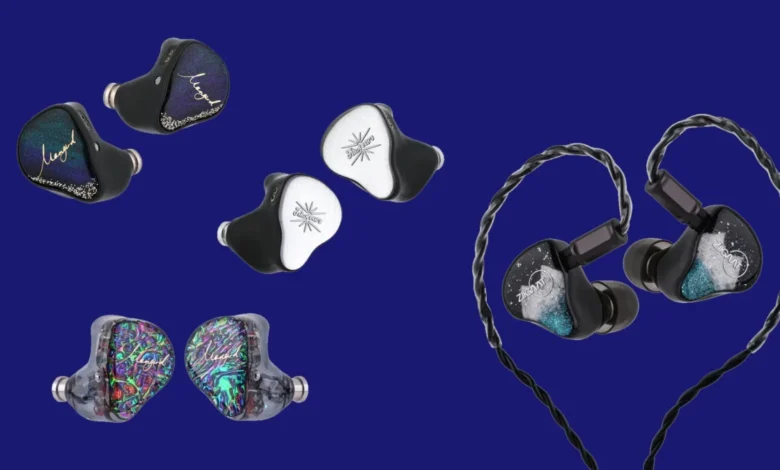
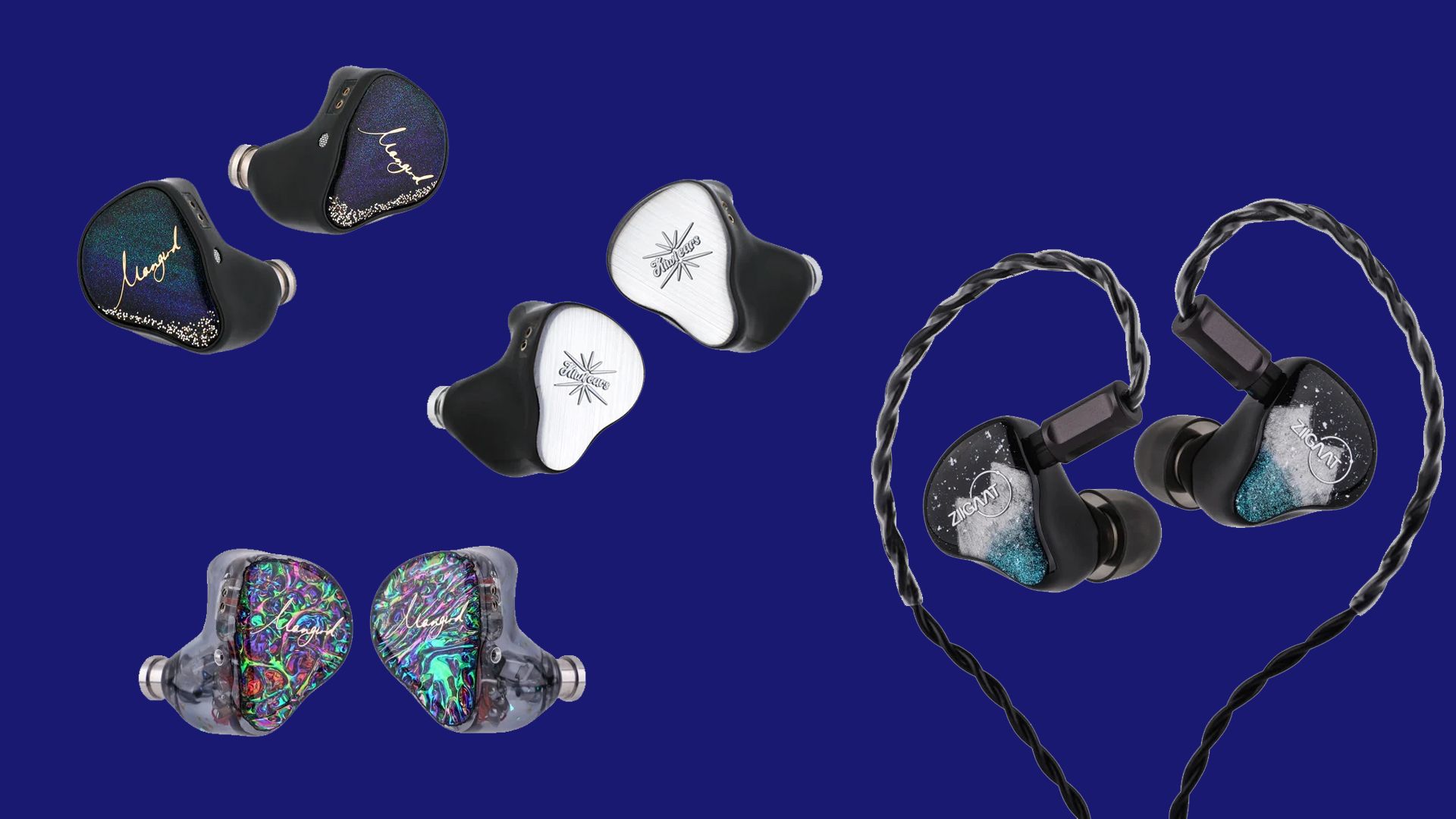
The global retail landscape has shifted into its most aggressive promotional period of the year, as the 11/11 Singles Day event—originating from Chinese e-commerce platforms—now serves as the de facto curtain-raiser for the global Black Friday shopping season. Among the sectors seeing the most significant activity is the high-fidelity audio market, specifically the segment dedicated to In-Ear Monitors (IEMs). As retailers like Linsoul initiate widespread price reductions, audiophiles and casual listeners alike are evaluating a influx of hardware discounts that reflect both evolving consumer preferences and the maturing manufacturing standards of the Chi-Fi (Chinese High-Fidelity) sector.
The Evolution of the 11/11 Retail Phenomenon
Originally conceived as an informal anti-Valentine’s Day celebration among university students in China in the 1990s, November 11th (11/11) was transformed by Alibaba in 2009 into a massive commercial shopping festival. Over the last decade, the event has expanded far beyond its regional roots, becoming a global benchmark for e-commerce performance. For audio manufacturers and distributors, the window between early November and late December has become a critical fiscal period, accounting for a substantial percentage of annual revenue.
In the current market, the intersection of 11/11 and Black Friday creates a sustained "discount season" that forces smaller, niche audio brands to compete with established global electronics giants. For the consumer, this presents a unique opportunity to acquire professional-grade audio equipment—often designed with precision-engineered drivers and balanced armatures—at a significant markdown from standard retail prices.
Market Dynamics: The Rise of Professional-Grade IEMs
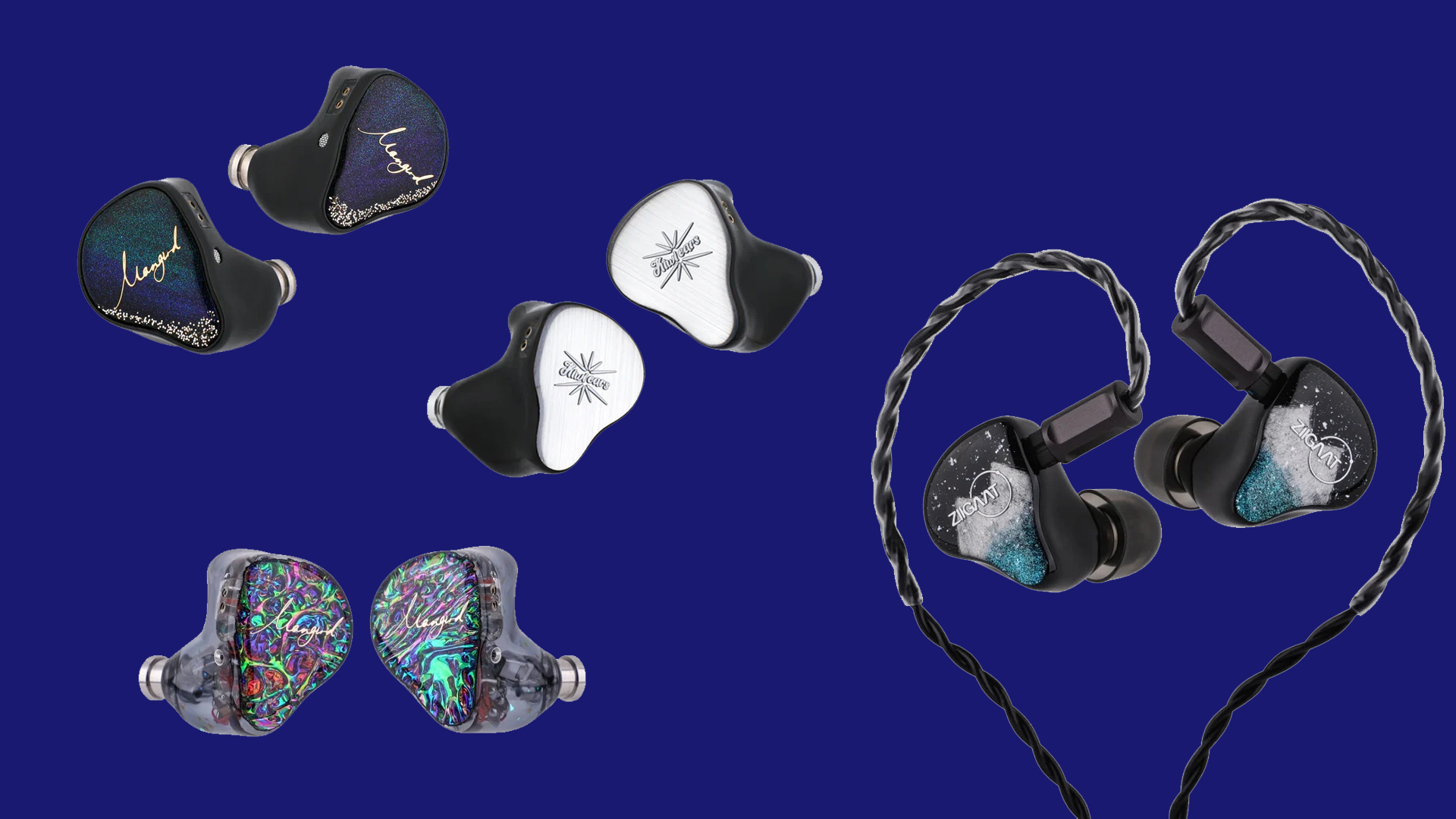
In-ear monitors were once the exclusive domain of stage performers and touring musicians, requiring custom molds and high-cost, specialized hardware. However, the last five years have seen a democratization of this technology. Brands such as Kiwi Ears, Ziigaat, Xenns Mangird, and Thieaudio have leveraged advanced manufacturing techniques to produce high-fidelity monitors for the mass market.
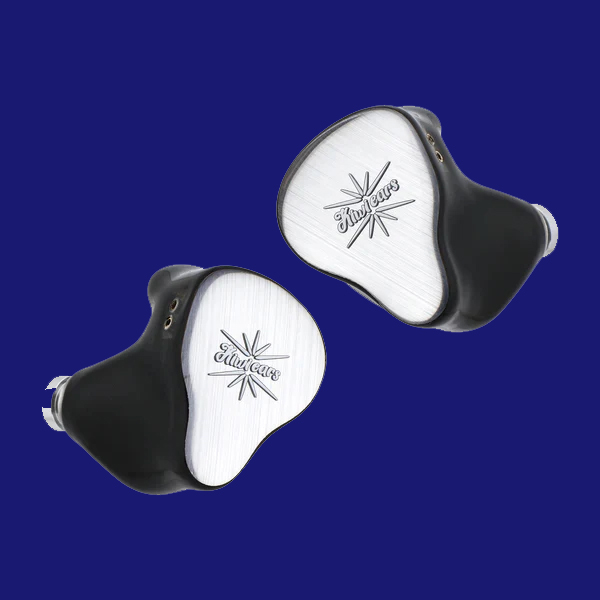
The recent price adjustments seen across these product lines suggest a strategic effort to capture market share before the peak of holiday spending. Analysts observe that the current wave of discounting is not merely a clearance of stagnant inventory but a concerted effort to introduce new, high-performance models to a broader consumer base. The Kiwi Ears KE4, for example, has seen a price reduction from $199 to $169, positioning it aggressively against both premium consumer earbuds and legacy wired headphones.
Curated Selection and Technical Performance
The current promotional environment features a wide array of hardware, each catering to specific sonic profiles. Technical experts and market analysts categorize these devices based on their "tuning"—the specific emphasis on bass, midrange, or treble frequencies.
- Kiwi Ears KE4: Recognized for its balanced, studio-ready response, this model has emerged as a cornerstone of the current sale. It utilizes a hybrid driver configuration to maintain midrange clarity while providing a robust low-end response.
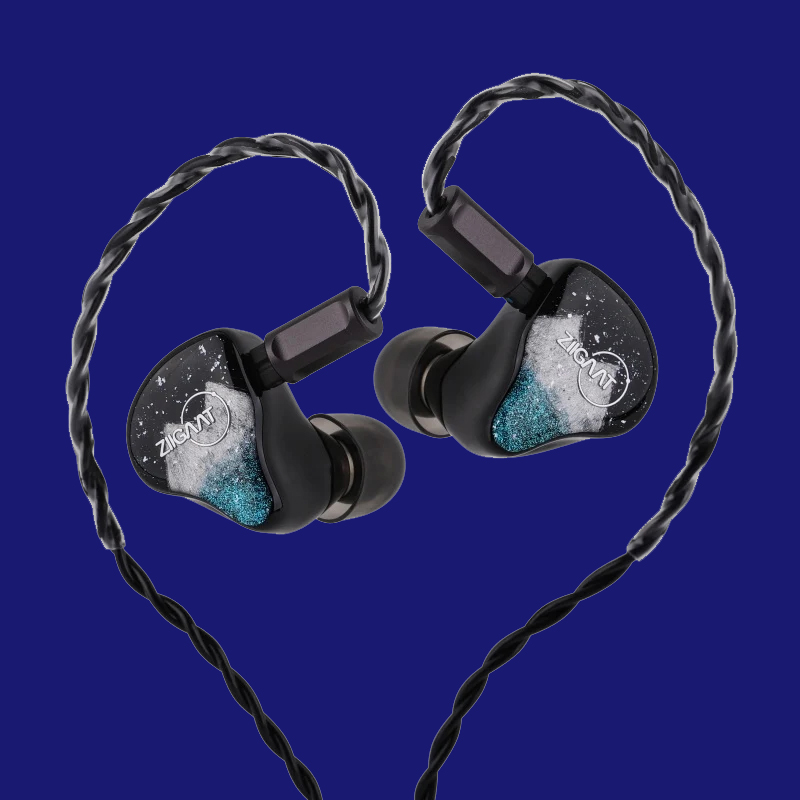
- Ziigaat Horizon: Designed for listeners who prioritize detail retrieval and treble extension. The Horizon caters to those who prefer a "bright" sound signature, favoring analytical listening over warmth.
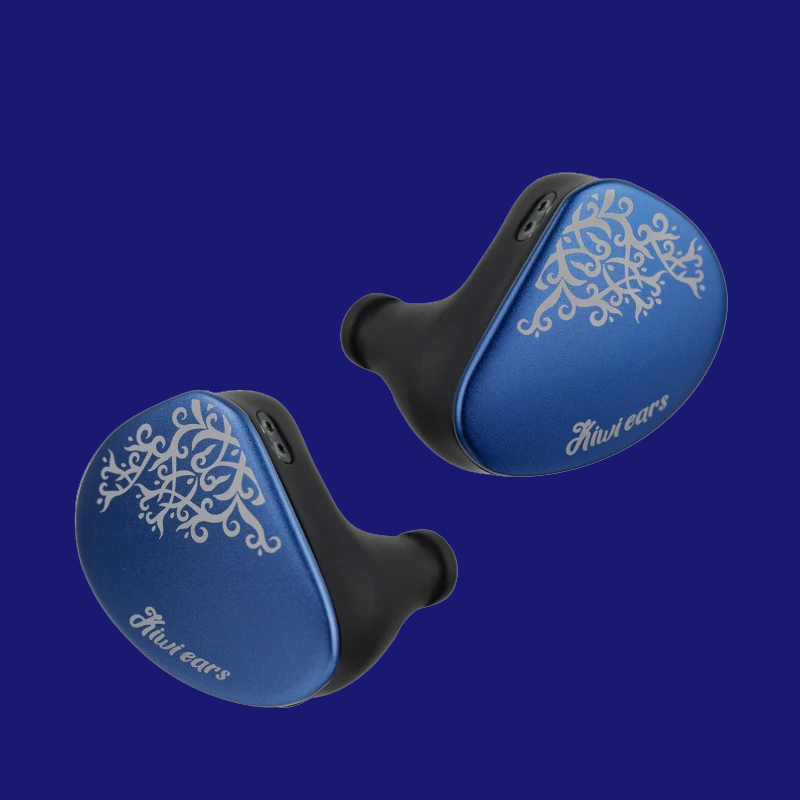
- Kiwi Ears Cadenza II: Representing the entry-level segment, this model demonstrates how far budget-tier audio has come. At a sub-$50 price point, it offers a "V-shape" sound profile, which is historically popular for pop, electronic, and hip-hop music due to its boosted bass and treble.
- CrinEar Reference: At a higher price point—currently discounted to approximately $315—this model represents the upper echelon of current retail availability. It is engineered for critical listening, emphasizing neutral, uncolored sound reproduction that remains faithful to the original recording.
- Xenns Mangird Tea Pro: A standout for its "warm" tuning. These monitors are noted for their lush, fatigue-free sound, making them ideal for long listening sessions.
Implications of the 11/11-Black Friday Synergy
The shift in retail timing has profound implications for the audio industry. By bridging the gap between 11/11 and Black Friday, distributors ensure that consumer attention remains fixed on high-end audio hardware for nearly two months. This sustained visibility allows brands to cycle through product generations more quickly, with new models often hitting the market with refined acoustic designs based on feedback from previous iterations.
Furthermore, the involvement of major distributors like Linsoul indicates a consolidation of quality control. By acting as both a retailer and a curator, these distributors provide a layer of assurance that is often missing from decentralized online marketplaces. The standardization of shipping, warranty support, and return policies for these specialized products has effectively lowered the barrier to entry for consumers who might otherwise be intimidated by the complexities of professional-grade audio equipment.
Economic and Consumer Analysis
From an economic standpoint, the current price volatility reflects the intense competition within the Chi-Fi sector. Manufacturers are increasingly moving away from "budget-at-all-costs" models toward "value-for-performance" metrics. Even the more expensive units, such as the $250+ bracket, are seeing value propositions increase as the cost of producing high-quality drivers and CNC-machined shells continues to drop through economies of scale.
For the consumer, the primary challenge remains the subjective nature of audio quality. A set of monitors that excels in detail retrieval (like the Ziigaat Horizon) may be perceived as "harsh" by a listener who prefers a warmer, more relaxed presentation (like the Xenns Mangird Tea Pro). The current market strategy—offering deep discounts across a diverse range of signatures—is essentially an attempt to cater to every possible preference within the audiophile community.
Future Trends in Personal Audio
As we move toward the final weeks of the year, the industry is closely watching how these early sales influence long-term consumer loyalty. The trend toward wired IEMs is a direct reaction to the limitations of Bluetooth and wireless audio, which, despite advancements in codecs, often struggle to match the bandwidth and fidelity of wired connections.
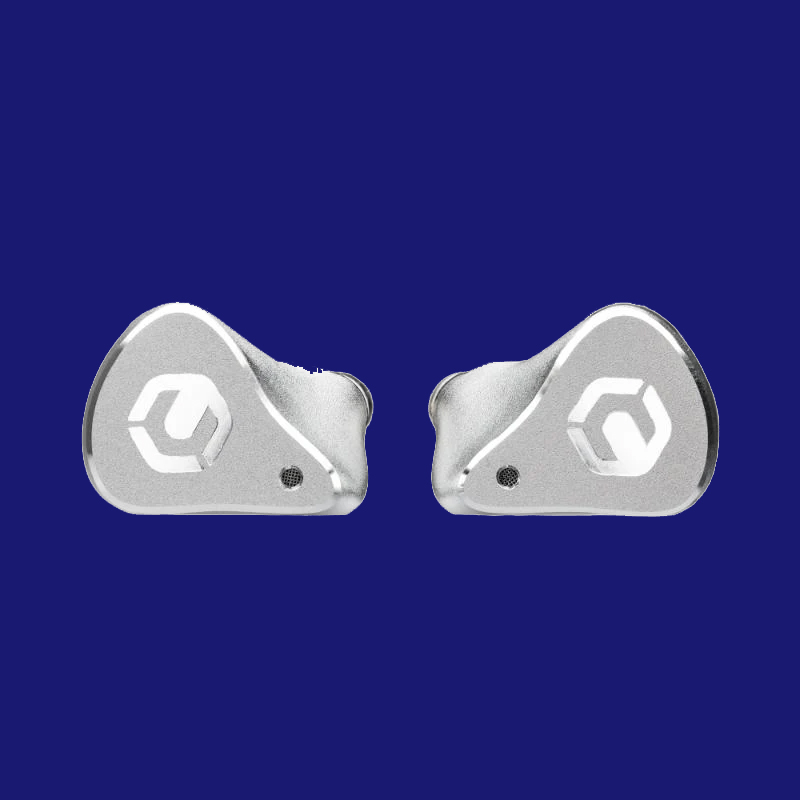
The introduction of products like the Linsoul Avant suggests that distributors are moving toward more integrated branding strategies, attempting to capture the "lifestyle" market that has traditionally been dominated by mass-market wireless brands. Whether this transition will be successful remains to be seen, but the current data from the 11/11 sales period suggests that there is a robust and growing appetite for high-fidelity audio among consumers who are increasingly savvy about hardware specifications.
Conclusion: Navigating the Sales
For those looking to enter the high-fidelity space, the confluence of the 11/11 event and the upcoming Black Friday period offers the most advantageous pricing of the fiscal year. Whether one is a professional looking for a reliable reference tool or a casual enthusiast seeking a significant upgrade from mass-market earbuds, the current market provides an unprecedented level of access to high-quality audio engineering. As the retail sector enters the final stretch of the year, consumers are advised to focus on identifying their preferred sound signature—be it warm, neutral, or analytical—and leveraging the current discounts to acquire hardware that balances technical capability with personal preference.