The essential travel accessories for creative professionals to maximize productivity on the move

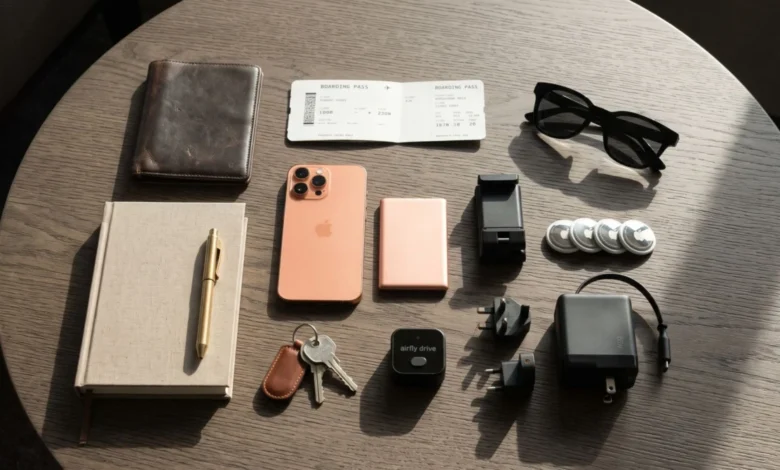
Modern technology has fundamentally altered the professional landscape, liberating creative industries from the traditional constraints of office-bound work. Designers, digital artists, video editors, and freelance journalists now routinely execute complex workflows from remote locations, whether in transit, at temporary co-working spaces, or during seasonal travel. However, this increased mobility introduces a specific set of logistical hurdles. The challenge of maintaining a seamless creative environment while away from a fixed workstation is compounded by fluctuating power availability, the complexities of airport security protocols, and the physical risks associated with transporting high-value hardware. As global travel trends show a steady increase in "bleisure"—a portmanteau of business and leisure—the demand for reliable, portable, and efficient technology ecosystems has reached an all-time high.
The Evolution of the Mobile Creative Workspace
The shift toward remote work is supported by significant statistical growth. According to recent workforce mobility reports, nearly 40% of creative professionals now report spending at least 20% of their working hours outside of a traditional office environment. This transition has necessitated a shift in how professionals pack their gear. Historically, the primary concern for traveling creatives was weight; today, the priority has shifted to power density, universal connectivity, and data redundancy.
The necessity for these accessories is not merely about convenience; it is a critical component of professional continuity. When a creative professional is on assignment, the difference between meeting a deadline and losing a client often hinges on the ability to access power, stabilize data, or maintain workflow without interruption. The current surge in Black Friday retail activity offers an opportune window for professionals to upgrade their mobile kits, as hardware manufacturers and peripheral brands align their promotional cycles with the end-of-year travel season.
Essential Categories for the Modern Nomad
To mitigate the common stressors of travel—such as device failure, data loss, and connectivity gaps—professionals are increasingly investing in specific, high-utility accessories. These can be categorized into four primary domains: power management, physical security, data integrity, and ergonomic support.
Power and Energy Management
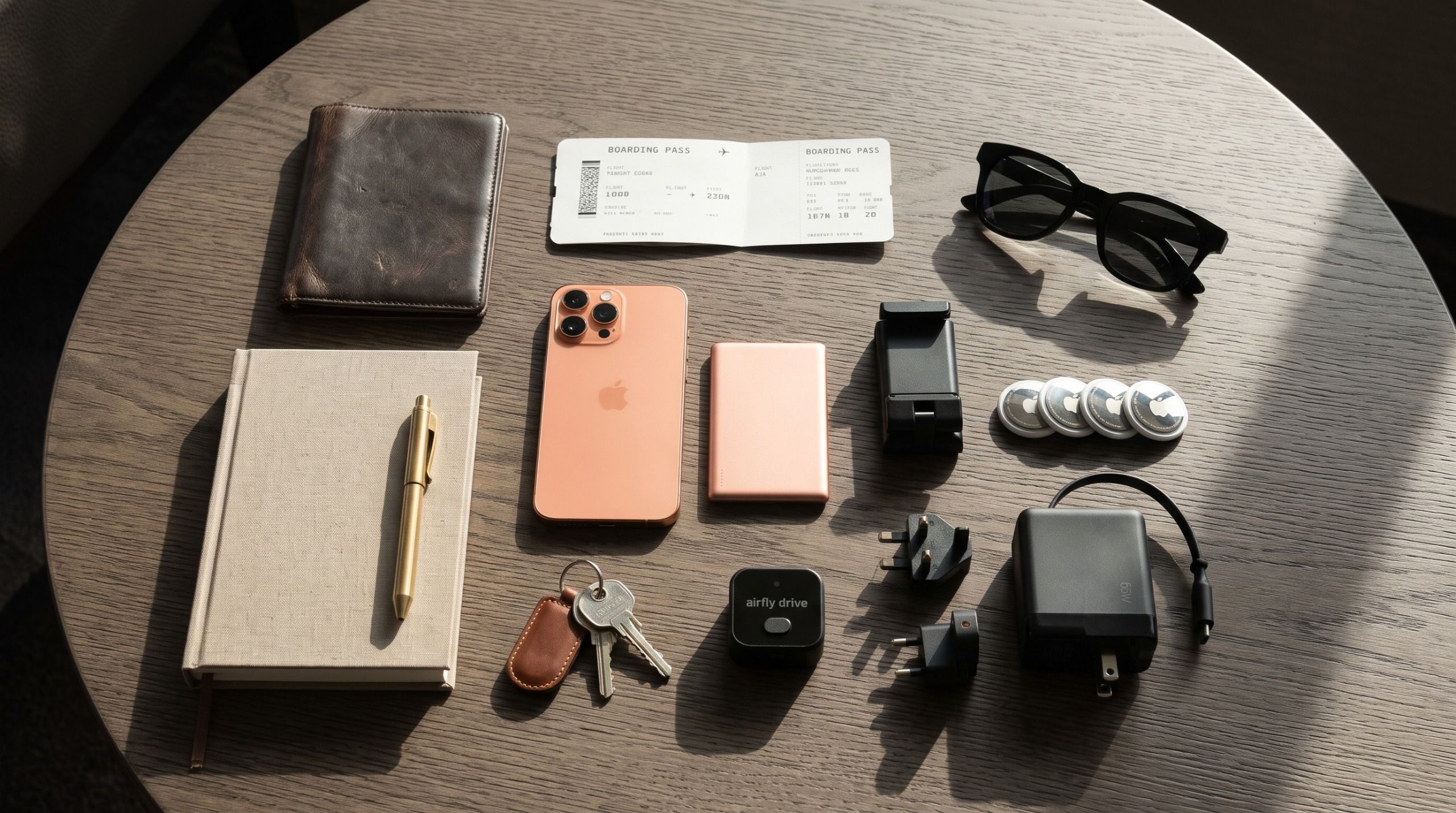
The most common point of failure for a traveling creative is the exhaustion of battery reserves. Modern high-performance laptops, particularly those utilized for CAD work or 4K video editing, possess significant power draws. The integration of GaN (Gallium Nitride) charging technology has been a game-changer in this sector. By replacing traditional silicon with GaN, manufacturers have been able to shrink the footprint of power bricks by up to 40% while increasing power output. High-capacity power banks, specifically those capable of delivering at least 65W to 100W via USB-C Power Delivery (PD), have become mandatory for those operating outside of urban hubs where electrical outlets are scarce.
Data Integrity and Redundancy
The risk of hardware loss or damage during transit is statistically significant. According to airline industry data, baggage handling remains a primary cause of accidental damage to sensitive electronics. Consequently, the adoption of ruggedized, solid-state storage (SSD) solutions has become the standard. Unlike traditional hard disk drives (HDDs) with moving parts, modern NVMe-based portable SSDs provide resistance to shocks and vibrations, ensuring that creative assets—often terabytes in size—remain protected during transit.
Connectivity and Peripheral Hubs
With the continued trend of laptop manufacturers removing legacy ports in favor of streamlined USB-C configurations, the reliance on high-speed, multi-port hubs has increased. For the professional who must interface with cameras, microphones, and external storage simultaneously, a reliable docking station that supports high-speed data transfer (Thunderbolt 4 or USB 4) is essential. These hubs prevent the "dongle sprawl" that often leads to cable fatigue and connection errors during high-pressure production scenarios.
Chronology of Portable Technology Adoption
The trajectory of mobile creative tools can be traced through several key technological milestones over the past decade:
- 2014–2016: The introduction of ultra-thin, high-performance laptops forced a move toward external accessories. The industry began moving away from proprietary charging bricks toward standardized, albeit limited, USB connections.
- 2017–2019: The widespread adoption of USB-C and Thunderbolt 3 standardized the interface for both data and power. This period saw the rise of the "universal dock," allowing for a desktop-like experience in a hotel room.
- 2020–2022: Global remote-work mandates accelerated the demand for high-quality peripherals, such as noise-canceling headphones and portable lighting, turning the "travel kit" into a "mobile studio" kit.
- 2023–Present: The focus has shifted toward sustainability and extreme portability, with the rise of GaN chargers and ultra-fast, pocket-sized SSDs, alongside the integration of AI-driven software that requires less local processing power for initial drafts.
Implications for Workflow and Industry Standards
The reliance on portable tech has forced a change in how creative agencies approach project management. Managers now prioritize "platform agnostic" workflows, where files are stored in redundant cloud environments and local backups are synchronized automatically via background processes. This minimizes the impact of a lost or broken device.
Industry analysts note that this shift has also influenced hardware manufacturers. Companies are now designing "travel-first" hardware, emphasizing chassis durability, battery efficiency, and port versatility. For instance, the recent surge in demand for portable drawing tablets and CAD-capable laptops has prompted manufacturers to offer extended warranties that cover international travel, acknowledging that the "workplace" is no longer a static location.
Expert Perspectives on Mobile Productivity
Industry experts suggest that the "less is more" philosophy is the most effective approach to mobile professional setup. "The goal is to eliminate single-point failures," notes one industry consultant specializing in digital media workflows. "If your workflow depends on a single cable or a single cloud connection, you are vulnerable. The best kits are those that include redundancy for power and data, while remaining compact enough to pass through security checkpoints without requiring a complete teardown of one’s luggage."
For professionals engaging in high-stakes creative work, the psychological benefit of a prepared kit cannot be overstated. When the environment is volatile, having reliable tools provides a sense of control. As travel continues to intersect with professional output, the curation of one’s mobile accessory kit will remain a foundational element of the successful modern career.
Conclusion: Preparing for Future Journeys
As we enter the final quarter of the year, the combination of professional deadlines and holiday travel creates a period of high intensity for many creatives. Investing in high-quality, durable, and versatile technology is not merely a purchase—it is an investment in professional longevity. Whether the focus is on maintaining a high-performance drawing tablet workflow or ensuring a laptop can render video files on a long-haul flight, the modern creative has more options than ever. By leveraging current advancements in charging, storage, and connectivity, professionals can ensure that their work remains as mobile as they are, regardless of the destination.