How Social Media Will Dominate 2026 Holiday Shopping Amid Economic Pressures and Evolving Consumer Habits

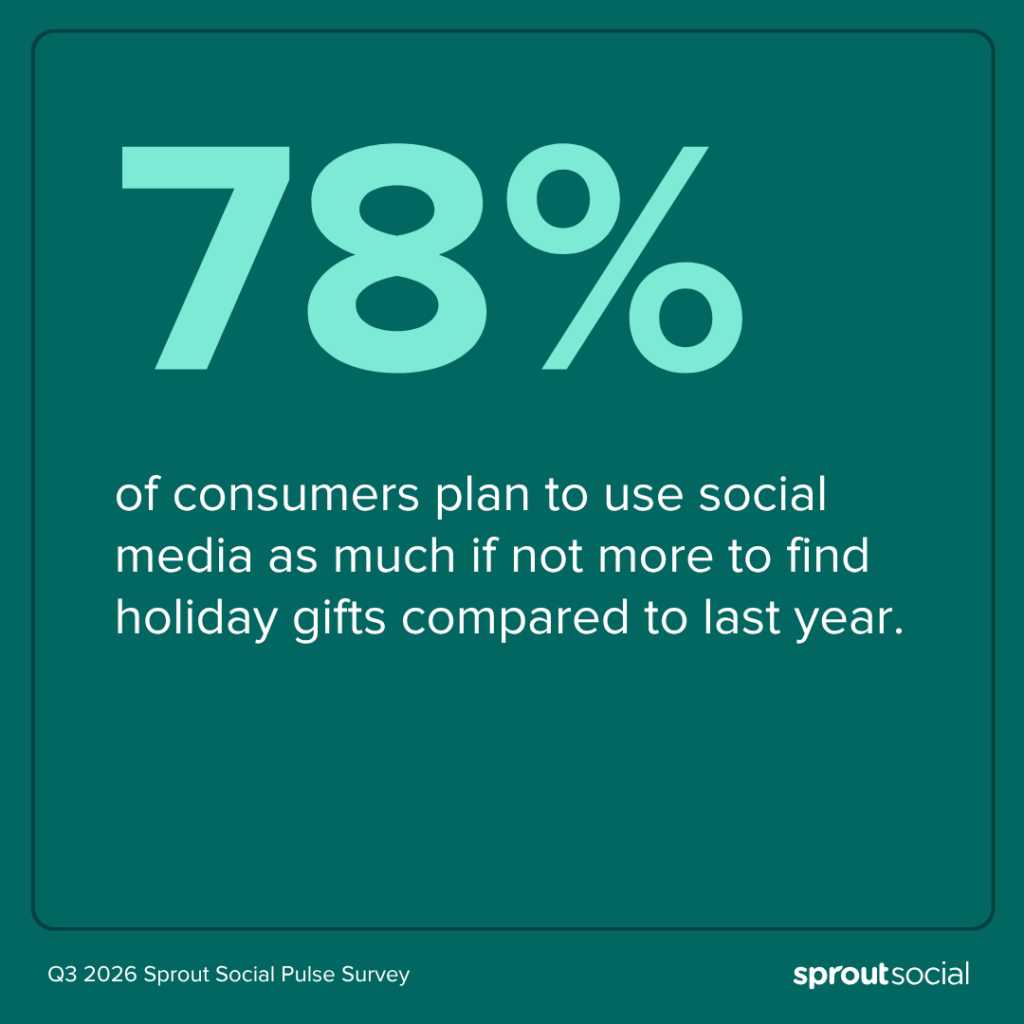
As the holiday season approaches, the retail landscape is undergoing a significant digital transformation, driven heavily by shifting consumer habits, economic pressures, and the undeniable dominance of social media platforms. According to the Q3 2026 Sprout Social Pulse Survey, which gathered insights from 2,286 consumers across the United States, the United Kingdom, and Australia between August 11 and August 18, 2026, more than three-quarters (78%) of shoppers plan to use social media as much as, or more than, last year to find holiday gifts.
Social media has long transcended its origins as a mere networking tool. Today, it operates as a comprehensive holiday ecosystem—functioning simultaneously as a search engine, a digital marketplace, an advertising billboard, and a customer service portal. However, the 2026 holiday shopping season is uniquely complicated by macroeconomic headwinds, including persistent inflation, potential tariff-related price hikes, and tighter household budgets. Understanding how these financial pressures intersect with consumer behavior on social networks is critical for brands aiming to capture market share in the final quarter of the year.

The Disconnect Between Campaign Timing and Actual Purchasing Behavior
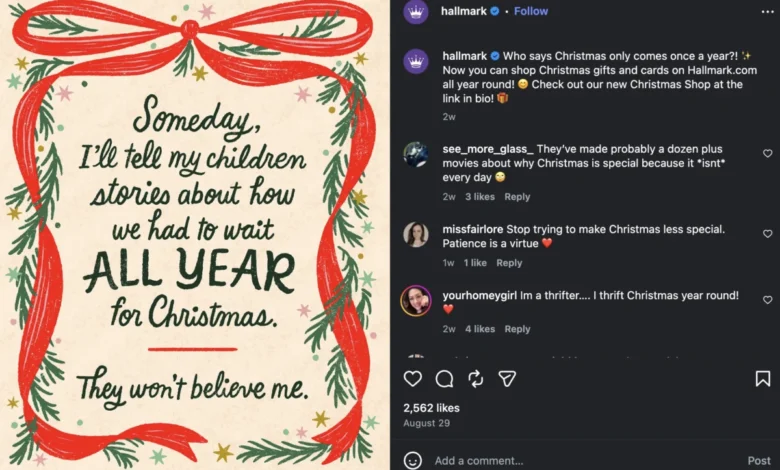
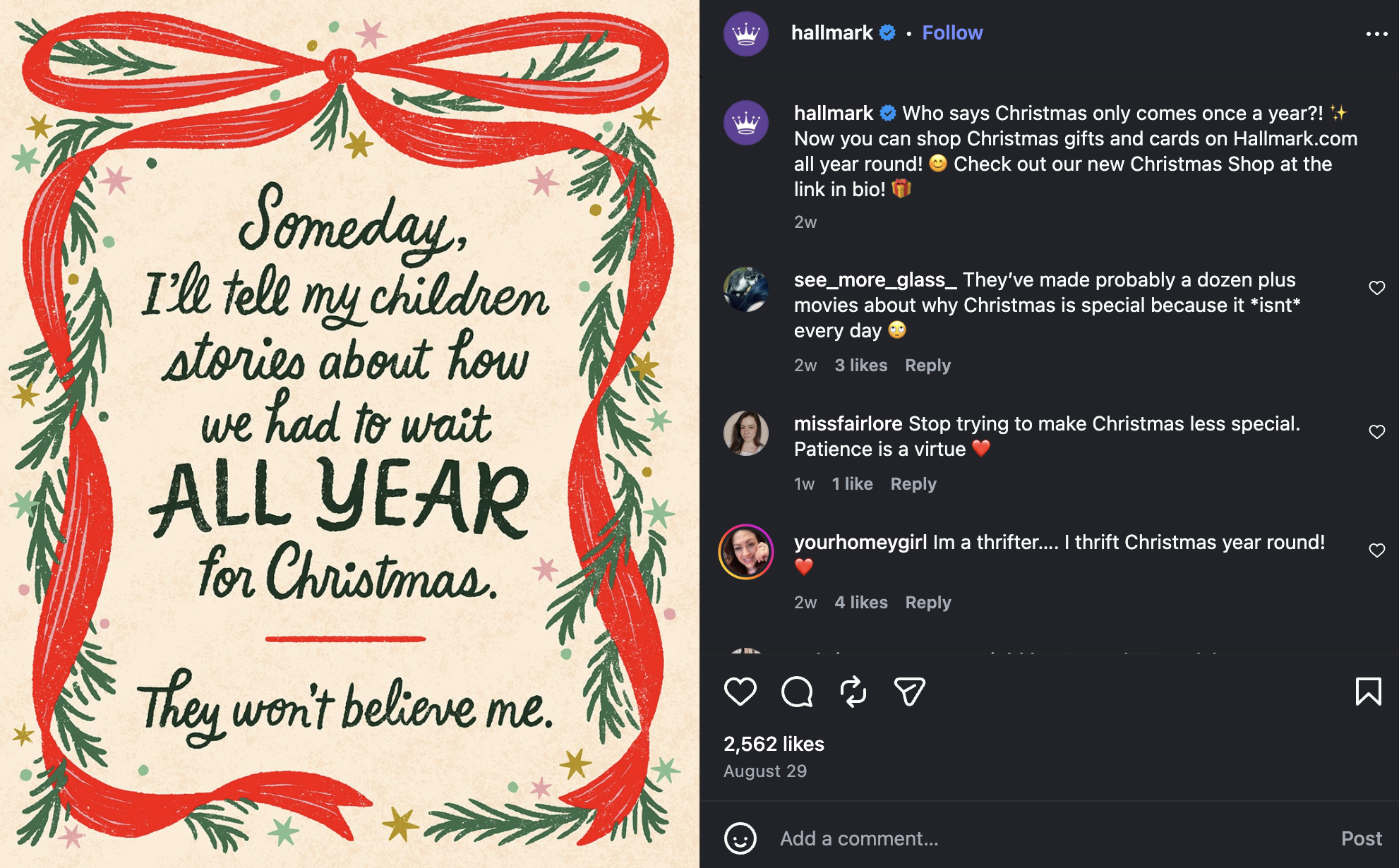
The annual phenomenon of "holiday creep"—the progressive earlier rollout of festive marketing campaigns—has become a fixture of modern commerce. In mid-2026, consumers witnessed unconventional early-season marketing milestones, such as "Summerween" celebrations in June, early pumpkin spice latte launches by Starbucks in August, and online Christmas shop promotions by Hallmark during the same summer stretch.
Despite these aggressive timelines deployed by major brands, consumer sentiment data reveals a counter-trend regarding ideal launch dates. When surveyed, 50% of consumers stated that brands should ideally begin their holiday advertising in October. This represents a notable shift from preferences observed in 2025, when August and September were favored by a larger share of the public.
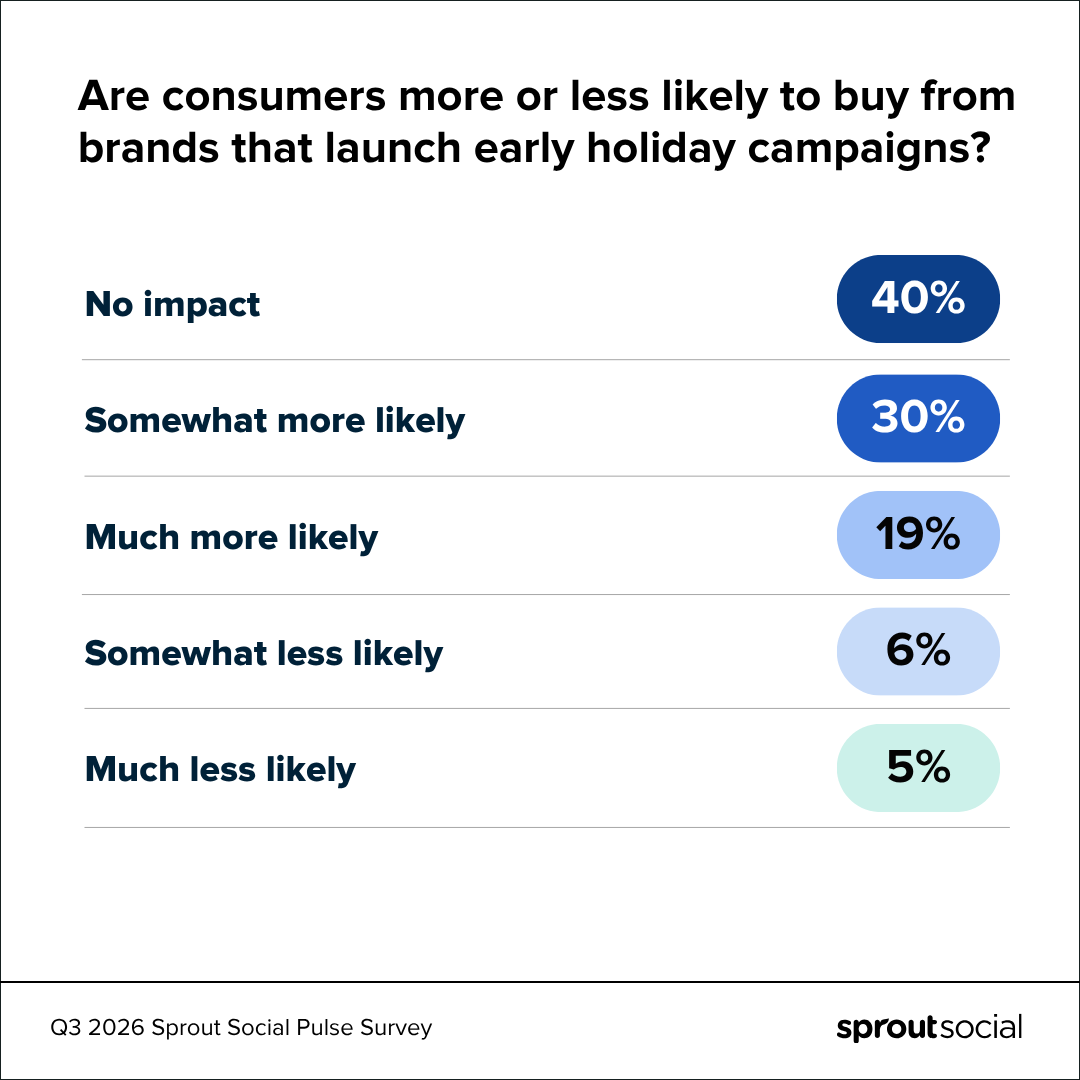
Yet, a fascinating dichotomy exists between what consumers say they prefer and how they actually spend their money. Data indicates that a brand’s campaign timing is rarely the decisive factor in a purchasing decision. Specifically, 40% of respondents reported that holiday campaigns launched as early as August had no impact whatsoever on their decision to patronize a brand. Meanwhile, nearly 50% indicated they were either somewhat more likely or much more likely to purchase from companies advertising during the late summer months.
Retail analysts note that ideal campaign timing is rarely a core motivator for modern shoppers. Posting festive messages prematurely or tardily rarely dictates whether a consumer makes a transaction. Consequently, successful marketing strategies for the upcoming season must de-emphasize rigid adherence to a calendar and instead pivot toward high-impact content, creative storytelling, and tangible consumer value.
Macroeconomic Pressures: Tariffs, Budgets, and Early Shopping Habits
While campaign timing preferences may not strongly dictate buying habits, broader economic realities certainly do. The 2026 holiday shopping season is heavily shaped by consumer anxiety surrounding tariffs and constrained disposable incomes.
The survey data underscores significant financial apprehension among global shoppers:
- 69% of consumers expressed concern over potential price increases driven by tariffs.
- 56% of shoppers plan to reduce their overall holiday spending compared to previous years due to ongoing economic conditions.
- 36% intend to initiate their holiday shopping earlier than usual specifically to outpace anticipated future price hikes.
This confluence of tighter budgets and economic uncertainty has fundamentally transformed what consumers require from brands before they commit their hard-earned capital. Industry experts point out that price consciousness will define the fourth quarter of 2026, forcing both established retailers and direct-to-consumer brands to heavily recalibrate their promotional strategies.
What Drives Conversions? Value, Demonstration, and Originality
With consumers operating under financial constraints, brands must provide clear, compelling incentives to secure conversions. The data outlines precise tactical shifts in what influences purchase intent on social media:
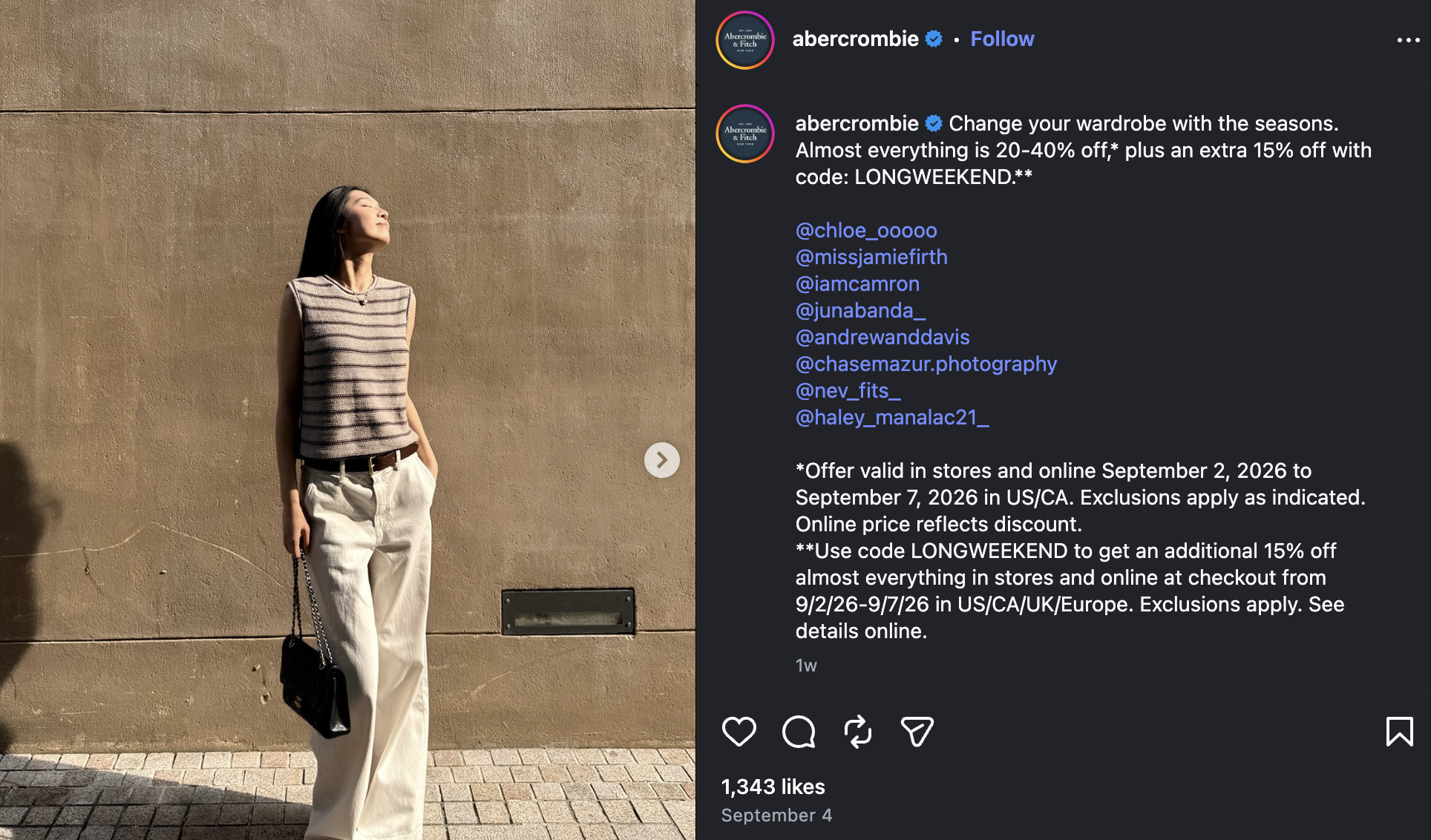
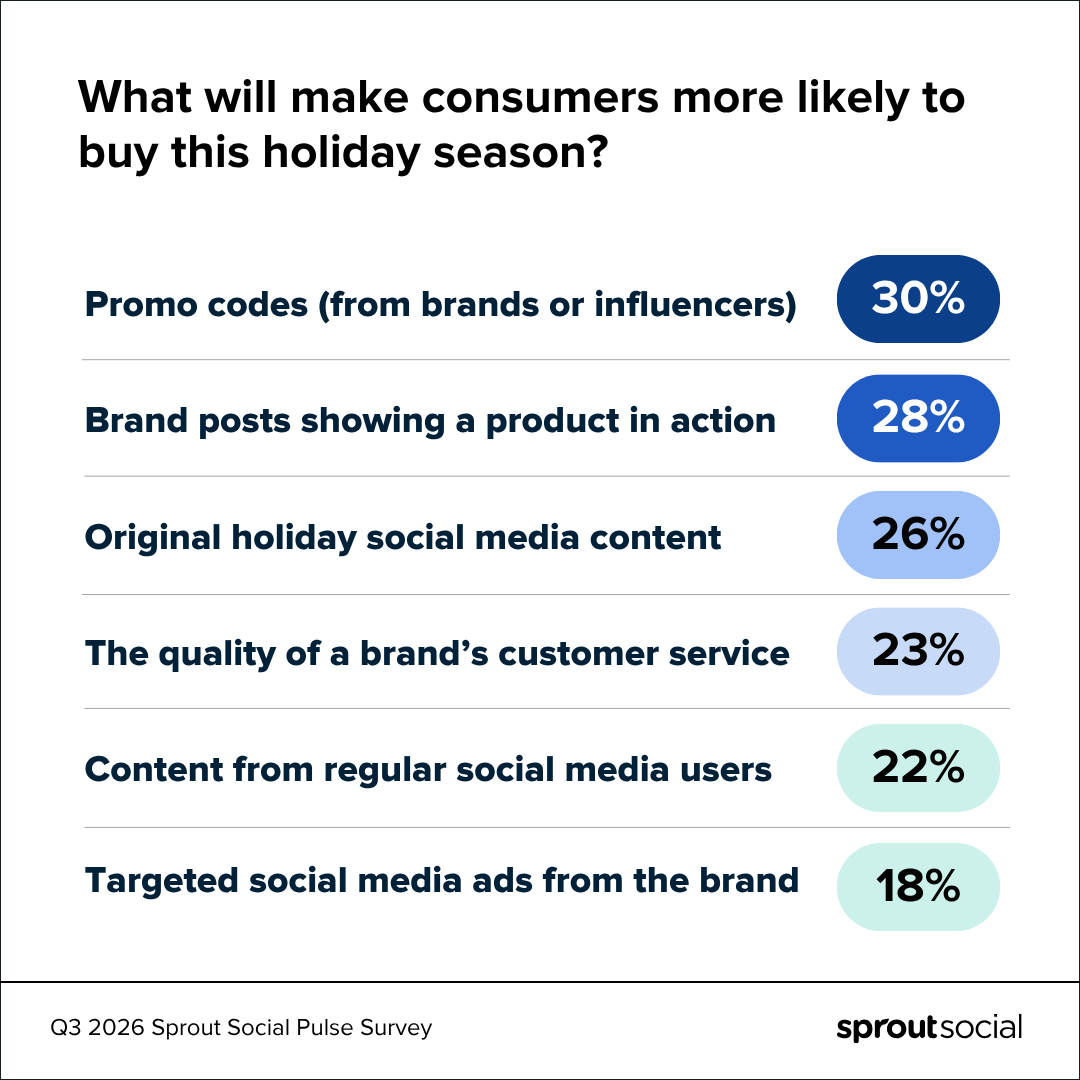
- Promo Codes: Thirty percent of consumers identified promotional codes—whether sourced directly from the brand or distributed via influencer partnerships—as the single most effective tactic for capturing their attention and driving a purchase. This heavily reinforces the necessity of value-driven campaigns.
- Product Demonstrations: Twenty-eight percent of shoppers look for brands to showcase products actively in use, preferring practical demonstrations over static advertising.
- Original Content: Twenty-three percent are motivated by original, holiday-specific creative content that stands out amidst crowded social feeds.
This marks a distinct pivot from consumer preferences recorded in 2025, where baseline customer service and user-generated content held the strongest influence over purchase intent. For the 2026 season, brands are finding success by partnering with creators who can simultaneously offer discount codes, demonstrate product functionality, and produce engaging holiday narratives.
Social Media as a Primary Discovery and Direct Checkout Engine
The evolution of social media as an alternative to traditional search engines has reached maturity. Sprout’s earlier Q2 2026 data established that social search frequently outperforms traditional search engines when users seek experiential, highly visual, or peer-reviewed information—such as local dining recommendations (38%) and product reviews (30%).
Naturally, these behaviors scale significantly during the holiday shopping rush. In 2026, social media tied with physical brick-and-mortar stores as the number one destination for holiday gift discovery, with 46% of consumers turning to platforms like Instagram, TikTok, and Facebook for inspiration. Among younger demographics—specifically Gen Z and Millennials—social media claims the undisputed top spot, with at least half of these cohorts relying on social scrolling to finalize their gift lists.
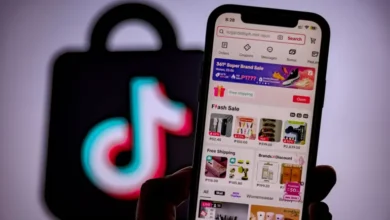
Furthermore, consumer willingness to complete transactions directly within social applications has grown exponentially. Over half of all surveyed consumers reported an openness to purchasing products natively inside social media apps this holiday season. Features like TikTok Shop, Facebook Shops, and Instagram Checkout are no longer optional testing grounds; they are vital revenue channels that reduce friction in the buyer journey.
The Evolution of Holiday Customer Service and the Role of AI
As social commerce expands, the volume of customer service inquiries routed through social channels scales proportionally. According to the survey, 86% of users plan to use social media as much as, or more than, last year to resolve holiday customer service inquiries.
Consumers are distributing their inquiries across multiple platforms, led by:
- TikTok (50%)
- Facebook (46%)
- Instagram (44%)
- X (formerly Twitter, 28%)
- WhatsApp (17%)
While direct messages (DMs) remain the preferred communication method for 55% of consumers across all generations, the public comment section is rapidly emerging as a primary customer service battleground. Nearly one-third of respondents (31%) stated they intend to seek support directly within post comment sections.
This shift presents both operational challenges and reputational risks for retailers. Speed is paramount: 70% of consumers expect a brand response within 24 hours of reaching out, and 89% emphasize that response time directly influences their perception of a brand. With public comments serving as an inquiry channel, unresolved issues carry immediate visibility, increasing the stakes for brand reputation.
To manage the inevitable surge in holiday inquiry volume, many retailers are integrating artificial intelligence (AI) tools to triage messages, analyze consumer sentiment, and draft initial responses. Consumer openness to this technology is relatively high: 70% of shoppers (rising to 77% among Gen Z) expressed comfort with brands utilizing AI to expedite customer service tasks.
Industry experts caution, however, that while AI is effective for behind-the-scenes triage and acceleration, maintaining a human-in-the-loop framework is essential to preserve personalization and service quality. Retailers are advised to deploy robust self-help resources, updated frequently asked questions (FAQs), and dedicated human support teams to protect their brand equity during peak retail windows.
Strategic Implications for Brands Looking Toward the New Year
The data compiled from the 2026 survey paints a clear picture of the modern holiday shopper: budget-conscious, digitally native, highly reliant on peer recommendations, and proactive in their search for value. As economic conditions tighten timelines and constrain wallets, brands that successfully integrate transparent value, functional product demonstrations, and responsive digital customer care will secure a distinct competitive advantage.
Ultimately, social media functions as the foundational architecture of the contemporary holiday shopping experience. By viewing social channels not merely as advertising spaces, but as end-to-end consumer journeys encompassing discovery, direct purchasing, and real-time support, brands can navigate economic headwinds and position themselves for sustained growth into the new year.