The Evolution of Creative Workflows: A Comprehensive Evaluation of Modern AI Image Generation Tools

The landscape of digital content creation underwent a seismic shift in 2026 as generative artificial intelligence matured from a experimental novelty into a practical utility for professional workflows. For years, the divide between those capable of executing high-fidelity visual assets and those limited to text-based communication remained significant. Today, that barrier is dissolving, as specialized AI models have demonstrated an unprecedented ability to translate complex linguistic prompts into precise visual media. This development has forced a reevaluation of how creators, small businesses, and marketing teams approach visual strategy.

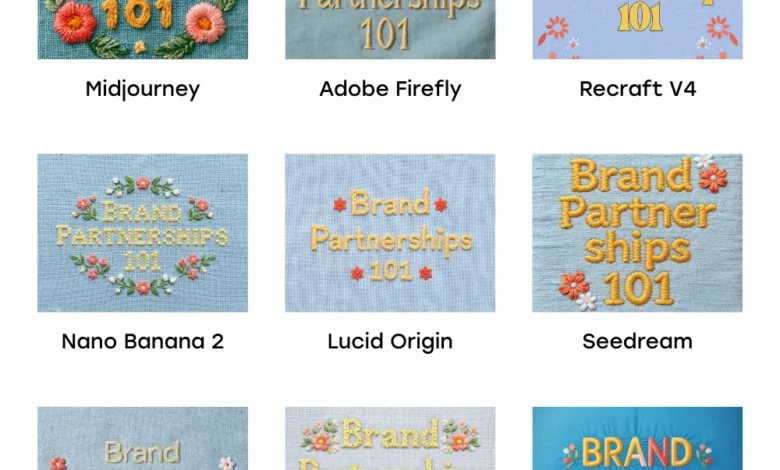
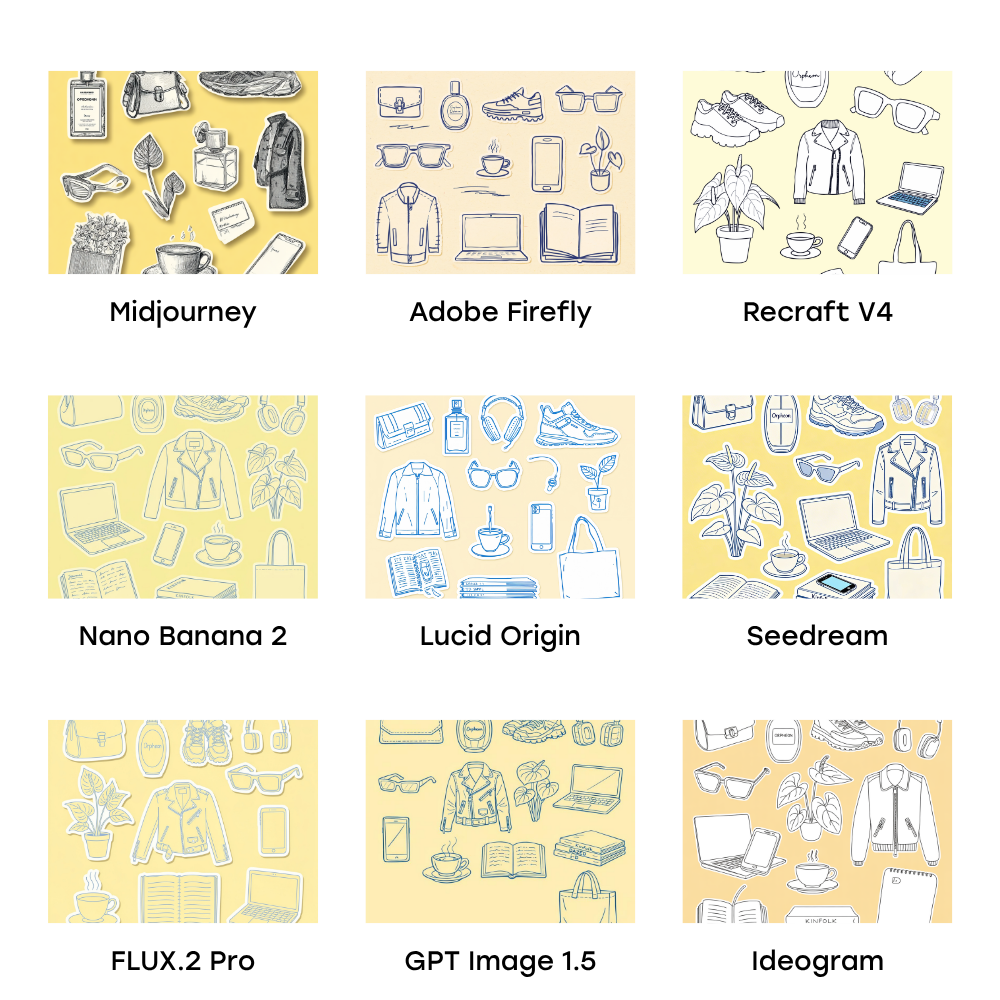
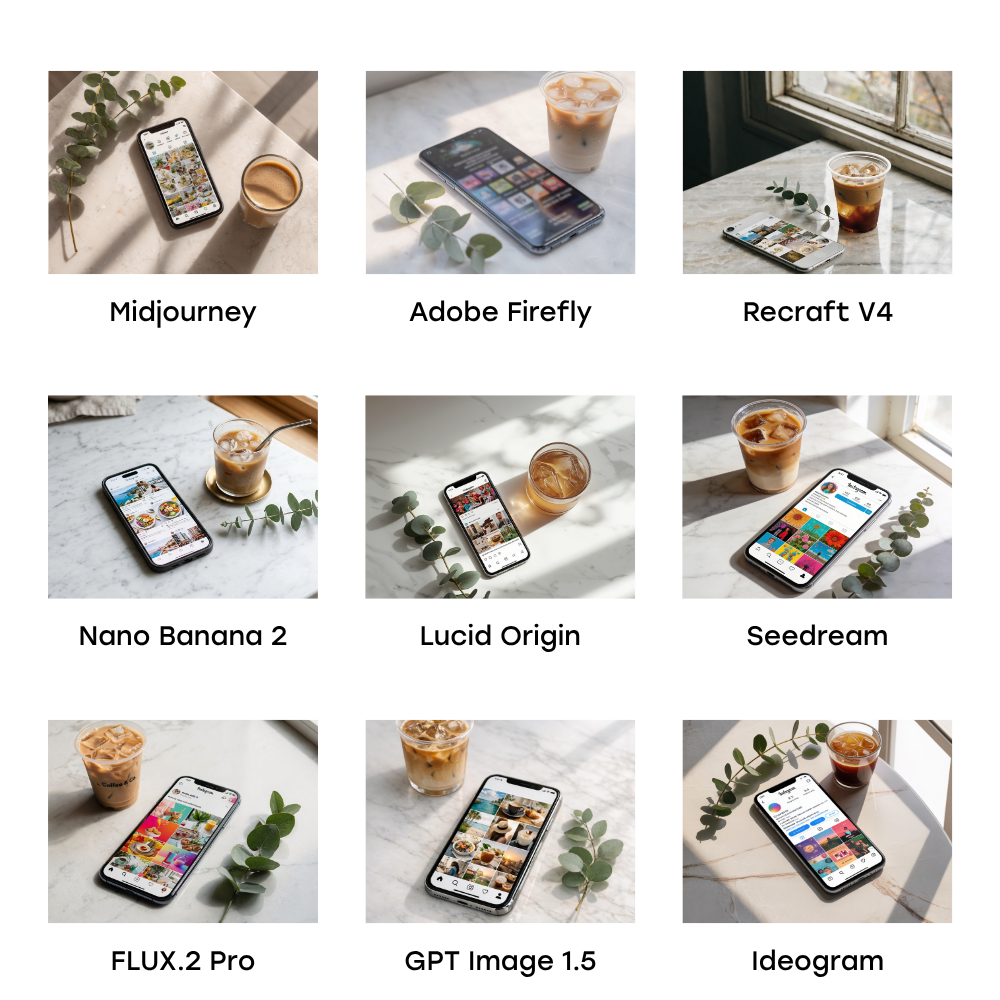
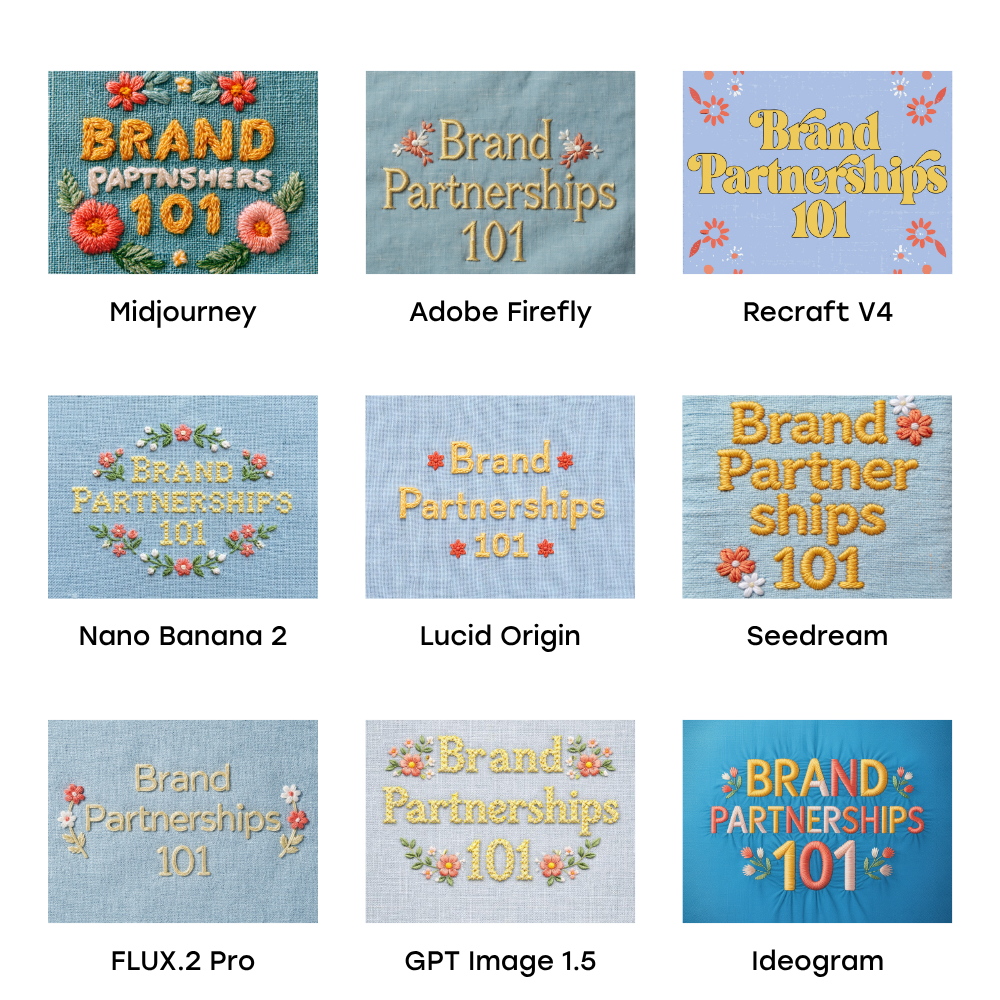
The shift is not merely about the convenience of rapid image production; it is about the expansion of creative agency. Where once an individual without formal training in illustration or photography might have felt restricted to stock photography or rudimentary templates, they now possess the capacity to generate bespoke assets tailored to specific brand identities. This article examines the current state of the AI image generation market, evaluating nine leading models through a series of rigorous benchmarks: illustrated sticker sheets, editorial-style product photography, and text-integrated graphic design.
The Technical Mechanics of Prompt Engineering
The efficacy of modern AI image generators is fundamentally tied to the evolution of prompt engineering—the structured process of communicating intent to a neural network. Analysis of recent testing reveals that the bottleneck for creative output has shifted from technological capability to human linguistic precision.
Research conducted across industry forums and design communities indicates that effective prompting requires a hierarchical structure. Models demonstrate superior performance when the primary subject matter is established in the initial clause of a prompt, followed by contextual environmental details, and finally, stylistic parameters. This methodology aligns with the way these models are trained; by prioritizing the subject, the AI anchors its generation process before attempting to apply stylistic filters.
Furthermore, the integration of specialized vocabulary has become a critical skill. For photographic outputs, the use of industry-standard camera terminology—such as "shallow depth of field," "35mm focal length," or "natural golden hour lighting"—significantly elevates the realism of the output. Conversely, for illustrations, specificity regarding technique, such as "ink hatching," "stipple shading," or "gouache blocks," prevents the model from defaulting to generic, synthetic aesthetics. The trend toward using descriptive natural language for colors rather than hexadecimal codes also suggests that models are increasingly prioritizing the semantic interpretation of prompts over rigid data inputs.
Comparative Analysis of Leading Image Generators
In November 2026, a series of standardized tests were conducted to measure the reliability and artistic output of nine major models. The evaluation focused on three distinct categories:

- Nano Banana 2 (Google): Emerging as the leader in consistency, this model demonstrated a superior understanding of real-world branding and object proportions. Its ability to render specific consumer products, such as designer perfume bottles or branded footwear, with high accuracy makes it a top choice for e-commerce and retail-adjacent content.
- Seedream (ByteDance): Recognized for its exceptional text-rendering capabilities, Seedream has become an essential tool for social media managers who require embedded, error-free typography. Its integration within the CapCut ecosystem provides a seamless workflow for video and static asset creation.
- Recraft V4 Pro: Catering specifically to the design community, Recraft distinguishes itself through granular control. By allowing users to assign specific color palettes and leverage reference images from a database of professional designs, it offers a level of brand-alignment that few competitors can match.
- Midjourney: Maintaining its status as the premier tool for artistic and mood-driven content, Midjourney excels in producing visually striking, high-fidelity compositions. While it occasionally struggles with the precise inclusion of text or complex object lists, its ability to evoke emotional resonance remains unmatched.
- Adobe Firefly 5: Positioned as the safest option for enterprise and commercial use, Firefly 5 is distinguished by its copyright-conscious training. By restricting certain brand-name prompts, Adobe protects users from potential trademark infringement, making it the most viable choice for professional marketing departments.
- Ideogram 3.0: While its primary strength lies in text precision, its stylistic range is more limited compared to Midjourney. It remains a high-utility tool for those who prioritize textual legibility over artistic flair.
- GPT Image 1.5 (OpenAI): The convenience of integration within the ChatGPT interface makes this model highly accessible for casual users. While it may struggle with highly specific, detail-heavy prompts, it offers a reliable baseline for general-purpose imagery.
- Lucid Origin: This model offers a unique 3D-like quality to its outputs. While it may not always strictly adhere to complex, multi-object prompts, its visual output is often distinct enough to serve as a standalone graphic element.
The Broader Implications for Creative Industries
The integration of these tools into standard creative workflows carries significant implications for the future of digital media. As the quality of AI-generated assets reaches parity with human-created counterparts, the economic model of visual content creation is expected to change.

Industry analysts observe that AI is currently functioning as an augmentation tool rather than a full replacement. For small businesses and independent creators, the ability to generate "good enough" visuals at zero marginal cost per image allows for a more frequent, dynamic social media presence. However, the legal environment remains complex. As the U.S. Copyright Office continues to clarify its stance on AI-generated content—specifically that the act of prompting does not confer authorship—brands must distinguish between the "commercial use" of an image and the "ownership" of its intellectual property.

There is a growing consensus that while AI-generated imagery is ideal for supporting content, social media feeds, and rapid prototyping, core brand assets—such as logos, distinct visual identities, and flagship marketing imagery—will continue to require human creative oversight to ensure legal protection and distinctiveness.

Future Outlook and Strategic Recommendations
As these models continue to evolve, the distinction between "model" and "platform" will likely blur. Users will increasingly prioritize tools that offer workflow integration—such as direct exports to design software or social media schedulers like Buffer—over standalone generation platforms.

For professionals seeking to adopt these technologies, the strategy should be one of tiered implementation:
- For Brand-Centric Visuals: Utilize tools like Recraft or Adobe Firefly, which allow for strict control over color palettes and commercial safety.
- For High-Volume Social Content: Leverage models with high text-rendering accuracy, such as Seedream or Ideogram, to ensure that captions and marketing copy remain legible.
- For Artistic and High-Impact Campaigns: Continue to rely on Midjourney’s artistic capabilities, while ensuring that the final output undergoes a human-led review process to correct any potential visual anomalies.
The year 2026 serves as a definitive turning point. The tools are no longer the bottleneck; the responsibility has shifted to the creator to articulate their vision with clarity and strategic intent. As the technology continues to advance, the creators who will thrive are those who successfully integrate these AI assistants into a broader, human-led creative process, leveraging speed and scale without sacrificing the distinct human perspective that defines a brand.