How Atlas Copco Group Transformed Reactive Risk Management Into Proactive Reputation Intelligence

In the complex landscape of modern enterprise governance, corporate reputation rarely fractures overnight. Instead, brand erosion typically begins as a constellation of minor, seemingly disconnected anomalies: a localized customer service grievance in one market, inconsistent messaging in another, or fragmented digital asset management across disparate regional divisions. Left unaddressed, these isolated friction points frequently cascade into systemic crises that can devastate consumer trust and diminish shareholder value.
Recognizing this vulnerability, global industrial leader Atlas Copco Group overhauled its approach to brand oversight. By transitioning from traditional, reactive social media monitoring to a comprehensive reputation intelligence framework powered by Sprout Social, the multinational corporation has redefined how enterprise organizations safeguard their global footprint. This strategic evolution recently earned Atlas Copco Group the prestigious 2026 Predictive Edge Award from Sprout Social, highlighting a pioneering shift in how industrial giants leverage data to anticipate, rather than merely answer for, reputational threats.
The High Cost of Delayed Insights
The imperative for a proactive intelligence model is underscored by stark industry data. According to Sprout Social’s comprehensive Social Intelligence Report, the vast majority of corporate teams require between one and two weeks to evaluate and act upon intelligence gathered from social media channels. A mere 10% of organizations manage to mount a response within hours of an emerging digital signal.
This operational latency carries severe commercial consequences. Eighty-six percent of surveyed organizations acknowledge that siloed data architectures and slow-moving internal insights have caused them to miss critical business opportunities. Furthermore, more than a quarter—26%—report that preventable customer grievances routinely escalate into major public relations issues simply because they were not addressed during their nascent stages.

Traditional reputation management tools have historically concentrated on lagging indicators: a sudden spike in negative consumer sentiment, an avalanche of critical online reviews, or a viral social media backlash. By the time these obvious metrics register on corporate dashboards, the reputational damage has already materialized, forcing communications teams into a costly and defensive posture.
Defining the Shift: Monitoring Versus Intelligence
To understand Atlas Copco Group’s methodology, industry analysts distinguish sharply between reputation monitoring and true reputation intelligence.
Reputation monitoring is inherently retrospective. It functions as a digital radar system, tracking public sentiment, brand mentions, and ratings after the fact. While necessary for maintaining basic public awareness, monitoring offers little contextual depth.
Reputation intelligence, conversely, synthesizes brand data across diverse geographic markets, digital channels, and localized social media accounts. By connecting disparate data points over time, intelligence platforms empower executive leadership to identify emerging behavioral patterns, decode their underlying causes, and prioritize resource allocation before risks manifest operationally. For multinational corporations operating across hundreds of local jurisdictions, this holistic perspective bridges the gap between high-level brand governance and granular, on-the-ground execution.
Anatomy of a Crisis: Why Weak Signals Matter
Long before a crisis dominates corporate headlines, the warning signs are typically buried in low-velocity operational signals. In the case of Atlas Copco Group—a sprawling industrial manufacturing powerhouse specializing in air compression, vacuum solutions, industrial power tools, and assembly systems—brand risk often surfaces through operational friction rather than viral public outrage.
When the group’s digital governance teams audited historical digital conversations, they discovered that past risks consistently originated from minor, overlooked indicators. These included recurring, unanswered customer inquiries, inconsistent account naming conventions, off-brand published content, dormant regional web pages, declining quality metrics in localized customer service interactions, and uncoordinated regional marketing executions.
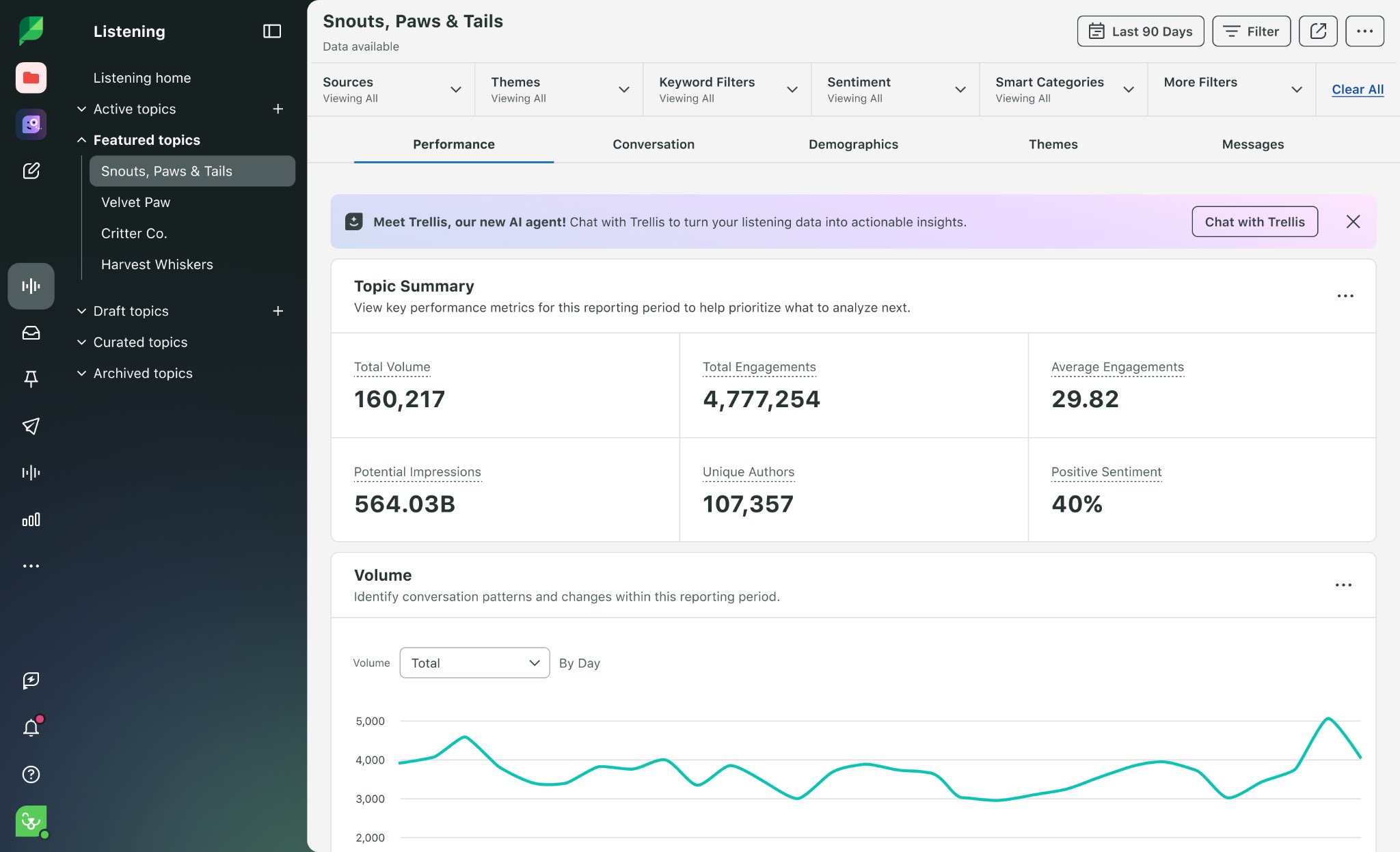
Because these micro-signals are distributed across multiple departments and geographic silos, standard algorithmic alerts routinely filter them out as statistical noise. Atlas Copco Group countered this blind spot by deploying social listening technology to aggregate these low-intensity data streams, enabling central compliance teams to intervene before minor operational discrepancies escalated into broad reputational liabilities.
The Five-Step Blueprint of Atlas Copco Group
Operating at an enterprise scale requires balancing stringent global compliance and brand safety with the operational agility necessary for local market teams to engage their audiences authentically. Atlas Copco Group achieved this delicate equilibrium by implementing a structured, five-step reputation intelligence model.
-
Early Identification of Weak Signals
The foundation of the group’s strategy rests on tracking weak behavioral and digital indicators. By analyzing recurring customer inquiries and internal team performance metrics across global markets, the central organization maintains a macro-level view of brand health. Using Sprout Social Listening, the team correlates cross-channel data points that would otherwise remain isolated within individual market accounts, spotting structural vulnerabilities early in their lifecycle.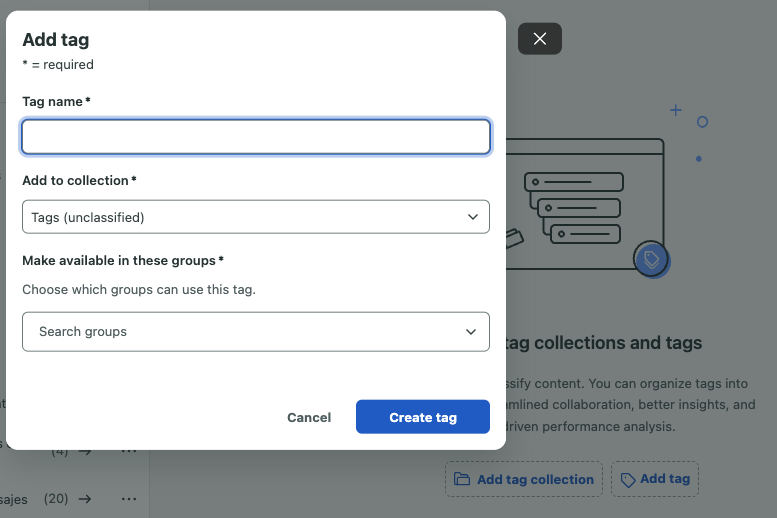
-
Establishing a Rigorous Governance Framework
Data without a mandated protocol is rarely actionable. Atlas Copco Group addressed this by drafting a comprehensive social media action matrix. This internal framework explicitly defines account ownership, mandates daily content compliance checks, and institutes formal account health scorecards published bi-annually. Utilizing native tagging tools to categorize content by quality and adherence to brand standards, the organization can instantly audit which regional teams are meeting corporate benchmarks and where remediation is required. -
Standardizing Account Health Metrics
To eliminate subjectivity in evaluating global marketing performance, the corporation established a unified rubric for brand health. Regional profiles are evaluated through a synthesized lens that weighs overall digital activity, brand compliance rates, public response times, and audience engagement levels simultaneously. By employing standardized performance reports, leadership can objectively compare disparate regional profiles and allocate training resources effectively. -
Integrating Social Insights Into C-Suite Risk Management
Historically, social media data has been quarantined within marketing departments, disconnected from enterprise-wide risk planning. Sprout Social data indicates that only 36% of organizations successfully funnel social intelligence into broader corporate decision-making. Atlas Copco Group dismantled this internal silo by feeding reputation data directly into executive risk assessments and communications planning, providing the C-suite with a reliable barometer for developing business vulnerabilities. -
Operationalizing Intelligence for Local Support
Rather than utilizing governance purely as a punitive measure, Atlas Copco Group leverages its intelligence apparatus to support local managers. When the central team identifies a consistency gap or a drop in account health, the finding triggers a supportive intervention—ranging from targeted digital media training to clarifying local account ownership or escalating serious operational risks through established corporate channels.
The Artificial Intelligence Multiplier
As corporate environments contend with an exponential rise in digital content generation, artificial intelligence has fundamentally altered the intelligence equation. Generative AI tools have lowered the barrier for content creation, enabling both internal teams and external actors to flood digital ecosystems with information at unprecedented volumes.
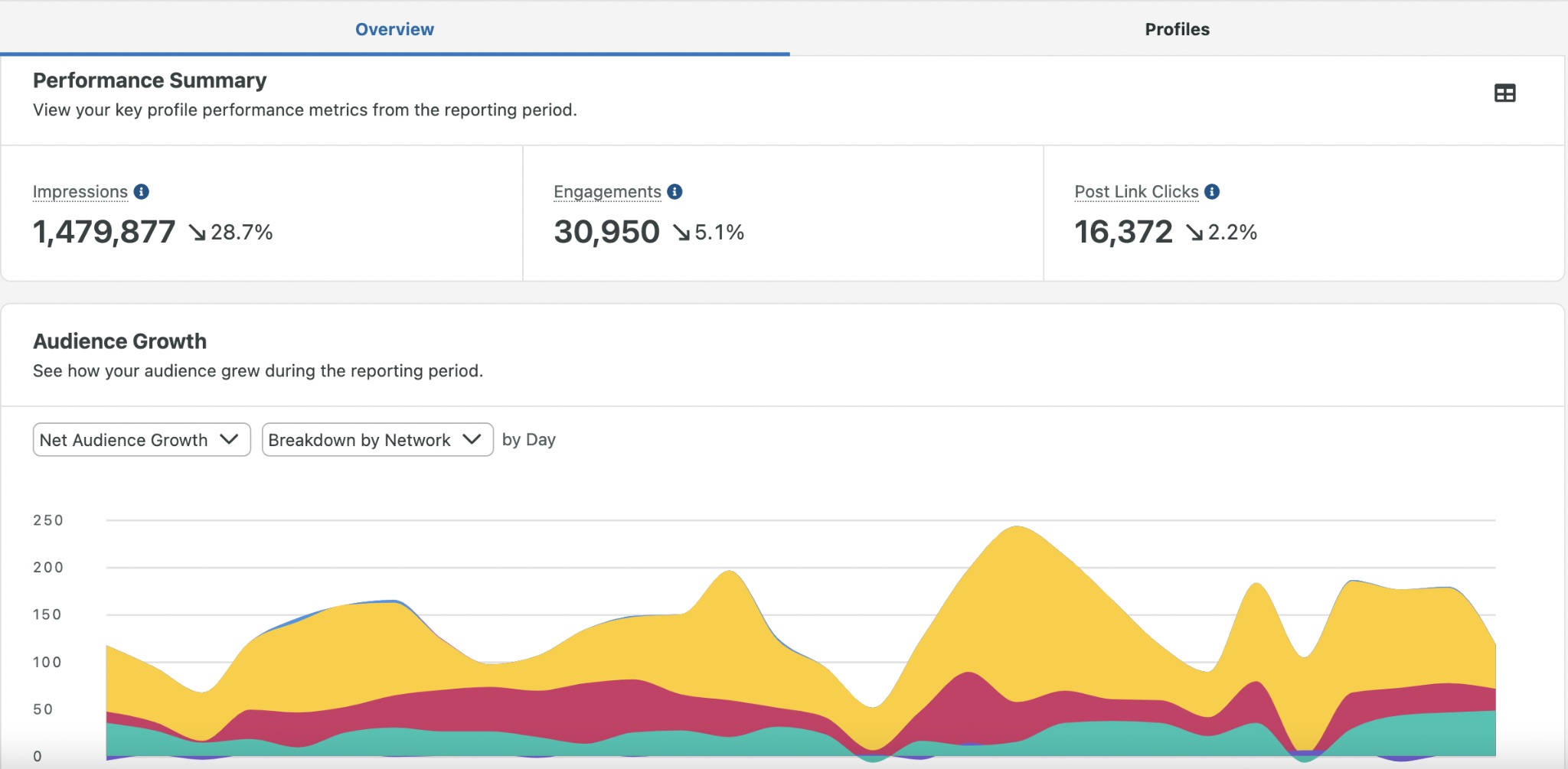
While brand safety tools are vital for monitoring expanding threat vectors, human analysts are frequently overwhelmed by the sheer volume of digital noise. Artificial intelligence acts as an indispensable force multiplier by rapidly digesting massive datasets and surfacing underlying behavioral trends.
To navigate this complexity, Atlas Copco Group integrates advanced AI assistants—such as Trellis, Sprout’s specialized social intelligence agent—into its workflow. These technologies aggregate cross-channel conversations and distill complex qualitative metrics into actionable insights, allowing human strategists to focus their expertise on cultural interpretation, contextual validation, and executive decision-making.
Implications for the Enterprise Sector
The success of Atlas Copco Group’s reputation intelligence model signals a broader maturity shift in corporate risk management. As digital connectivity accelerates business operations, companies that rely exclusively on retroactive crisis management will find themselves increasingly vulnerable to systemic shocks.
By treating social intelligence as a core enterprise asset rather than a peripheral marketing metric, organizations can safeguard brand equity, protect regulatory compliance, and foster deeper consumer trust. The transition from reactive damage control to proactive reputation intelligence is no longer an optional luxury for multinational corporations; it is a fundamental prerequisite for long-term commercial resilience in an interconnected global economy.