U.S. Premiere of “Kim Novak’s Vertigo” at Palm Springs International Film Festival

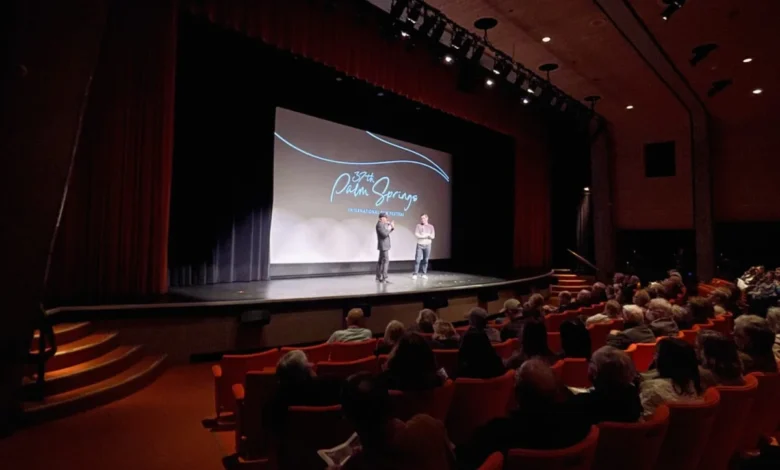
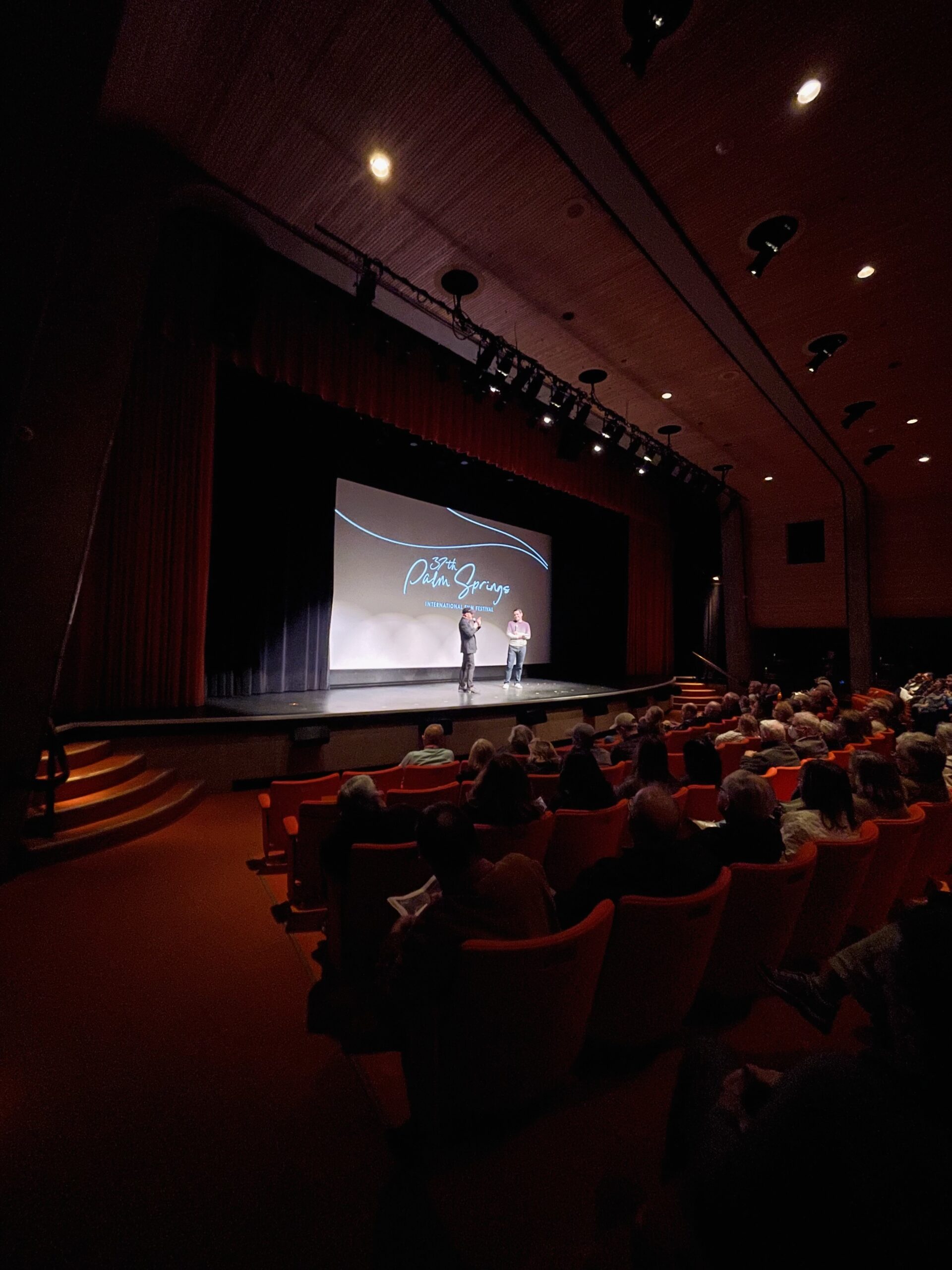
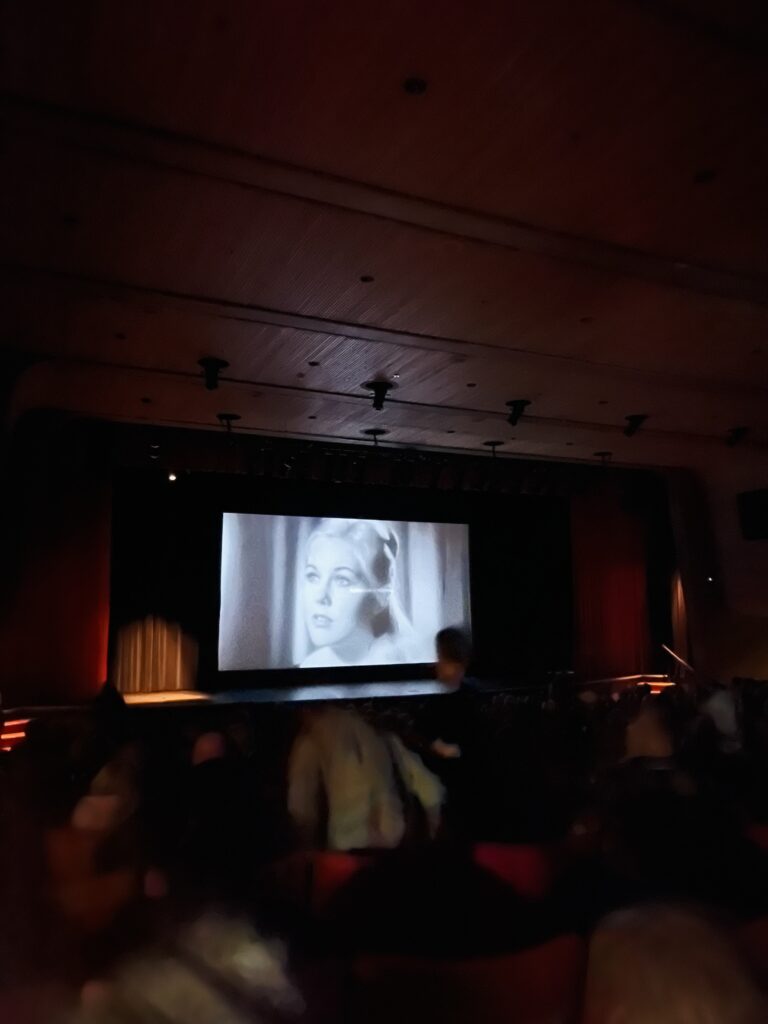
The 37th annual Palm Springs International Film Festival played host to a major cinematic event with the highly anticipated United States premiere of "Kim Novak’s Vertigo," directed by acclaimed filmmaker Alexandre O. Philippe. Held at the prestigious Annenberg Theater inside the renowned Palm Springs Art Museum, the screening drew crowds of cinephiles, industry professionals, and critics eager to experience a fresh, deeply personal perspective on one of Hollywood’s most enduring psychological masterpieces.
The documentary takes audiences on an unconventional, visually captivating exploration of Alfred Hitchcock’s 1958 classic, "Vertigo," viewing it primarily through the lens, experiences, and voice of its iconic leading lady, Kim Novak. Following the screening, attendees were treated to an insightful, behind-the-scenes discussion that illuminated the complex editorial and creative machinery required to bring the project to life. As film festivals increasingly embrace hybrid storytelling formats that recontextualize classic cinema, Philippe’s latest work stands out as a masterclass in archival reinterpretation.
Main Facts of the Premiere and Production
"Kim Novak’s Vertigo" represents a departure from traditional making-of documentaries. Rather than relying solely on standard talking-head interviews with film historians, Alexandre O. Philippe constructs a narrative tapestry by seamlessly interlacing rare archival footage, striking contemporary visuals, and deeply personal voice notes recorded by Kim Novak herself. This multidisciplinary approach grants the audience rare insight into how Novak perceived her role as Madeleine Elster/Judy Barton, shedding light on the psychological weight of working under Hitchcock’s meticulous and often demanding direction.
The choice of the Annenberg Theater at the Palm Springs Art Museum as the venue for the U.S. premiere provided an intimate yet sophisticated backdrop for the screening. Known for its architectural elegance and exceptional acoustics, the venue enhanced the atmospheric soundscape of Philippe’s documentary. The screening was followed by a dynamic post-screening Q&A session hosted by Dave Karger, Turner Classic Movies (TCM) host and prominent film journalist. Karger guided Philippe through a granular discussion of the editing suite, detailing how the director balanced decades-old cinematic history with Novak’s contemporary reflections to forge a cohesive, emotionally resonant narrative.
Background Context of the Event and the Subject
The Palm Springs International Film Festival, established in 1989, has grown to become one of the most prestigious and culturally significant cinematic gatherings in North America. Serving as a crucial launchpad for international features, documentaries, and Academy Award contenders, the festival routinely attracts thousands of attendees and industry leaders to the desert oasis. The inclusion of "Kim Novak’s Vertigo" in the 37th edition underscores the festival’s commitment to celebrating both contemporary innovation and the preservation of cinematic heritage.

The documentary’s subject matter touches upon a pivotal era in film history. Alfred Hitchcock’s "Vertigo," starring James Stewart and Kim Novak, initially received mixed reviews and modest box office returns upon its 1958 release. However, in the decades that followed, critical re-evaluations propelled the film to monumental status. In the prestigious 2012 Sight & Sound decennial poll of the greatest films of all time, "Vertigo" famously dethroned Orson Welles’s "Citizen Kane" at the number one spot.
Despite the film’s enduring canonical status, the personal narrative of Kim Novak—who famously stepped away from Hollywood in the 1960s to pursue painting and a quieter life—has often been overshadowed by critical dissection of Hitchcock’s directorial techniques. Philippe’s documentary acts as a vital corrective, placing agency back into the hands of the actress who brought the haunting dual character to life.
Chronology of the Project and Festival Timeline
The path to the U.S. premiere at Palm Springs is the culmination of years of meticulous archival research and audio curation. Alexandre O. Philippe, known for his incisive cinematic explorations of film culture—including "78/52: Hitchcock’s Shower Scene" and "Memory: The Origins of Alien"—began developing the project by examining the intersection of performer psychology and directorial legacy.

- Pre-Production and Archival Sourcing: Philippe and his production team spent months compiling rare visual materials, ranging from production stills and behind-the-scenes footage to television appearances and interviews spanning Novak’s career.
- Integration of Voice Notes: A critical breakthrough in the documentary’s structure occurred when Novak contributed intimate voice notes. These audio files served as the emotional anchor of the film, guiding the chronological and thematic pacing of the narrative.
- Festival Circuit Debut: Following initial international exhibition discussions, the film secured its formal U.S. premiere slot at the 37th annual Palm Springs International Film Festival.
- The Screening and Q&A: On the night of the premiere, capacity audiences filled the Annenberg Theater. The screening concluded with enthusiastic applause, immediately followed by the moderated discussion between Philippe and TCM’s Dave Karger.
Official Responses and Creative Insights
The collaboration between Alexandre O. Philippe and Kim Novak has been praised by industry insiders for its respectful yet revealing approach to Hollywood history. During the post-screening Q&A, Philippe elaborated on the delicate process of honoring Novak’s legacy without falling into the trap of standard hagiography.
Dave Karger steered the conversation toward the technical and creative hurdles of mixing archival media with modern aesthetic choices. Philippe explained that the visual design of the documentary was crafted to mimic the dizzying, dreamlike atmosphere of Hitchcock’s original masterpiece. By juxtaposing historical footage with contemporary visual motifs, the editorial team created a visual rhyme scheme that mirrors the themes of obsession, identity, and memory central to "Vertigo."
Furthermore, the inclusion of Novak’s private voice notes offered viewers an unprecedented auditory intimacy. Rather than hearing a narrator summarize her experiences, audiences heard Novak’s own reflections on the emotional toll of the production, her relationship with Hollywood studio systems, and her ultimate decision to forge an independent path away from the cinematic spotlight.
Broader Impact and Implications for Film Preservation
The positive reception of "Kim Novak’s Vertigo" at the Palm Springs International Film Festival highlights a growing appetite for documentaries that re-examine classic cinema through intersectional and actor-centric viewpoints. As contemporary film culture continues to re-evaluate the treatment of female icons in mid-20th-century Hollywood, projects that center the voices of the artists themselves are proving invaluable.
Industry analysts note that documentaries of this caliber serve a dual purpose: they act as educational tools for younger generations discovering classic cinema, and they offer closure or validation for legendary performers whose contributions were historically minimized by studio publicity machines.
As the film prepares for broader distribution following its festival run, expectations are high for its performance in specialty art-house markets and potential streaming acquisitions. For attendees at the Palm Springs Art Museum, the evening was a reminder of the enduring power of "Vertigo" and the necessity of listening to the artists who made cinematic history possible. Viewers and industry professionals alike have echoed strong recommendations for the film, anticipating that its wider release will spark renewed academic and public interest in Kim Novak’s extraordinary artistic legacy.