FL Studio Mobile gets biggest update in 10 years marking a new era for portable music production

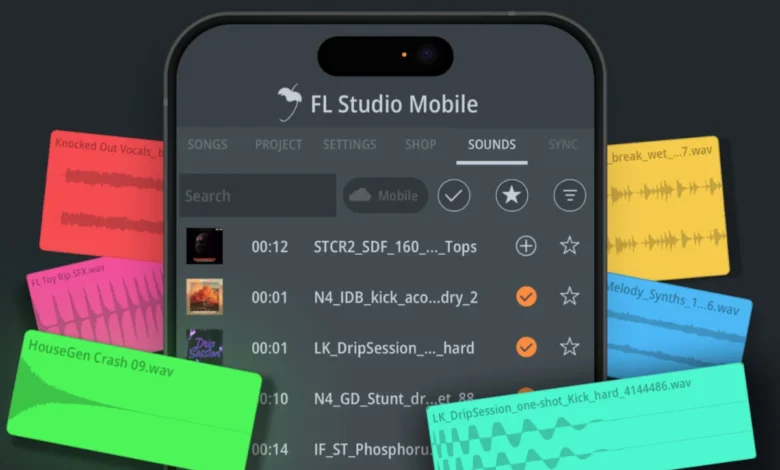
The landscape of mobile music production underwent a significant transformation today as Image-Line, the developer behind the globally renowned Digital Audio Workstation (DAW) FL Studio, announced the official release of FL Studio Mobile 5. This update represents the most substantial evolution of the platform in the decade since the software first transitioned from desktop environments to handheld devices. By integrating the vast FL Cloud ecosystem directly into the mobile interface, the developers are effectively bridging the gap between professional studio workflows and the spontaneity of mobile music creation.
A Decade of Portable Innovation: The Chronology of FL Studio Mobile
The journey of FL Studio on mobile devices began as a vision to democratize music production, allowing creators to move beyond the confines of a traditional studio desk. Ten years ago, the release of the original FL Studio Mobile application was met with skepticism by industry purists who doubted that a full-fledged DAW could function effectively on a smartphone’s limited screen real estate.
Over the last decade, Image-Line has consistently refined the software, adhering to its core philosophy of "Lifetime Free Updates." This business model, which is increasingly rare in the software industry, has fostered a deeply loyal user base. Key milestones in this timeline include:
- 2014-2015: The initial launch, which provided basic sequencing capabilities and a handful of synthesizers.
- 2017: A major overhaul that introduced a new interface and improved cross-platform compatibility, allowing projects to be moved more seamlessly between desktop and mobile versions.
- 2020-2021: The integration of more advanced mixing tools and AUv3 support, which significantly expanded the sonic palette available to mobile producers.
- 2024: The current release of Version 5, which marks the first time that cloud-based sample libraries have been integrated directly into the mobile architecture.
The Integration of FL Cloud: Bridging the Desktop-Mobile Divide
The centerpiece of the Version 5 update is the inclusion of FL Cloud Sounds. Previously exclusive to the desktop version of the software, FL Cloud provides an expansive, royalty-free sample library that removes the traditional barriers to entry for many producers. By incorporating this into the mobile app, Image-Line is addressing the "empty project" syndrome—a common obstacle where creators struggle to find the right sounds to begin a track.
From a technical standpoint, the integration is designed for efficiency. The Sounds tab functions as a streaming service, allowing users to preview thousands of samples instantly without occupying precious device storage. Only when a specific sample is selected and dragged into a project is the high-resolution file downloaded to the local device. For existing FL Cloud subscribers, this means access to a library exceeding two million sounds, searchable by genre, mood, tags, and curated collections. For non-subscribers, the update provides immediate access to a curated selection of free sounds, requiring no account creation, which lowers the barrier to entry for novice producers.
Redesigning the Workspace: Portrait Mode and UI Efficiency
Perhaps the most visible change in this update is the introduction of portrait mode, a feature that has been highly requested by the community for years. Modern smartphone usage is heavily skewed toward portrait orientation, and by adapting the DAW to function in this mode, Image-Line is acknowledging the ergonomic reality of the mobile creator.
The update does not stop at orientation changes. The developers have undertaken a complete redesign of the workspace, encompassing the playlist, audio editors, Channel Rack, and the transport bar. This redesign aims to minimize menu-diving, allowing users to execute complex tasks with fewer taps.
Additional workflow enhancements include:
- Drag-and-Drop Functionality: Improved support for moving files from the browser and external apps into the project space.
- Keyboard and Mouse Support: Refined input handling for users working on tablets or connected peripherals.
- Advanced Editing Tools: The introduction of "Burn Notes to Track," a feature that simplifies complex MIDI routing, and "Smart Solo," which streamlines the process of isolating tracks during the mixing stage.
Official Statements and Industry Context
Constantin Koehncke, CEO of Image-Line, framed this release as a logical step in the company’s broader mission. "Ten years ago, we put a full music studio in people’s pockets," Koehncke stated. "With Version 5, we’re taking another big step by bringing FL Cloud sounds to mobile. Thousands of sounds are now available for free to every FL Studio Mobile user, making it easier than ever to get started and make music wherever you are. And with portrait mode, one of our most requested features, we’re delivering something our community has been asking for for a long time."
The industry context here is vital. The mobile DAW market has become increasingly competitive, with rivals such as GarageBand, BandLab, and various specialized sequencing apps vying for the attention of the "bedroom producer" demographic. By leveraging the immense brand equity of FL Studio—which is widely considered one of the most popular DAWs in electronic music production—Image-Line is successfully positioning its mobile offering not merely as a "lite" companion, but as a legitimate creative engine.
Implications for the Future of Mobile Production
The implications of the Version 5 update extend beyond mere feature additions. The decision to allow users to start a free trial of FL Cloud directly within the app suggests that Image-Line is moving toward a more service-oriented model, while still maintaining the integrity of their one-time purchase, lifetime-update model for the core software.
Furthermore, the focus on performance and storage optimization—exemplified by the streaming preview system—highlights the technical maturation of the app. As mobile hardware continues to improve, the divide between mobile-produced tracks and desktop-produced tracks is shrinking. The ability to begin a project on a commute, access professional-grade samples via the cloud, and then finish that project on a high-powered workstation back in the studio is no longer a niche use case; it is becoming the standard for modern music production.
For existing users, the transition to Version 5 is seamless, as the update is available now through the Apple App Store and Google Play Store at no additional cost. The focus on backward compatibility ensures that projects created in previous iterations of the app will remain functional, maintaining the continuity that the Image-Line user base has come to expect.
Conclusion
As music production becomes increasingly decentralized and mobile-centric, the importance of tools that can keep pace with the creator’s lifestyle cannot be overstated. FL Studio Mobile 5, with its emphasis on cloud accessibility, ergonomic flexibility, and workflow efficiency, marks a definitive milestone in the history of mobile audio engineering. By listening to the feedback of its decade-old community and implementing high-demand features like portrait mode, Image-Line has reinforced its position at the forefront of the digital music revolution, ensuring that the next ten years of mobile production will be defined by even greater creative accessibility.
Related posts: