Amaran Cam: A 4K60 Webcam with Auto Lighting Feature marks a new shift in the streaming ecosystem.

The landscape of content creation, particularly for streamers, podcasters, and remote professionals, has undergone a rapid transformation over the past five years. As the demand for high-fidelity video communication and professional-grade live broadcasting grows, hardware manufacturers have shifted focus from simple plug-and-play peripherals to integrated, intelligent ecosystems. The latest entry into this competitive market, the amaran Cam, represents a strategic move by the brand to bridge the gap between traditional video capture and environmental control, specifically through its proprietary auto-lighting integration.
Technical Foundations and Hardware Specifications
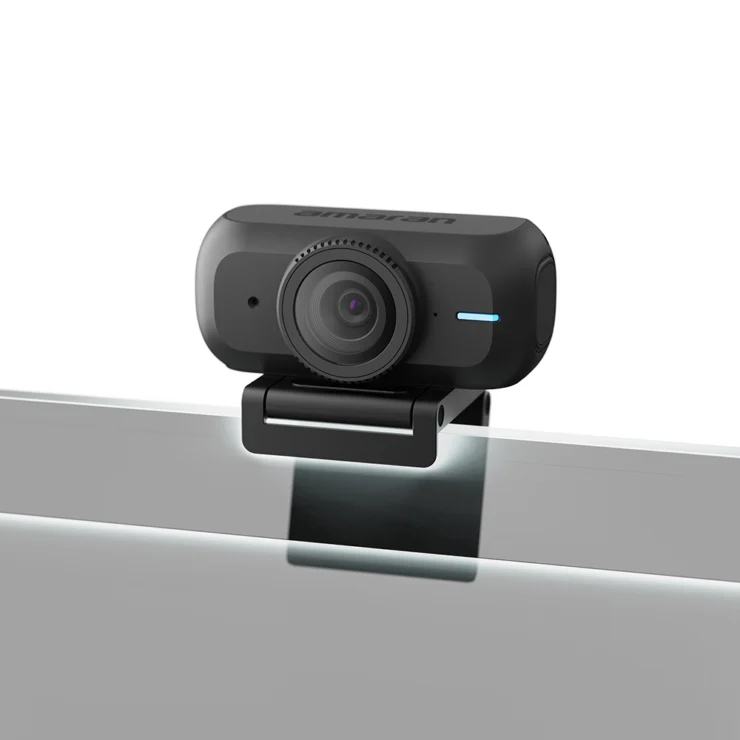
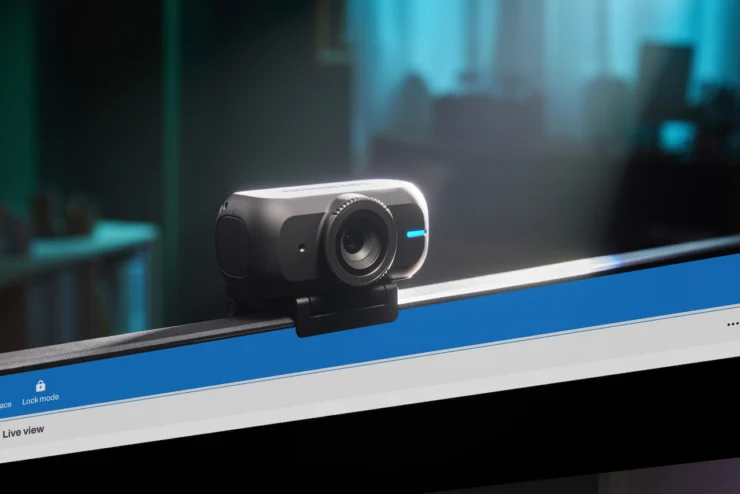
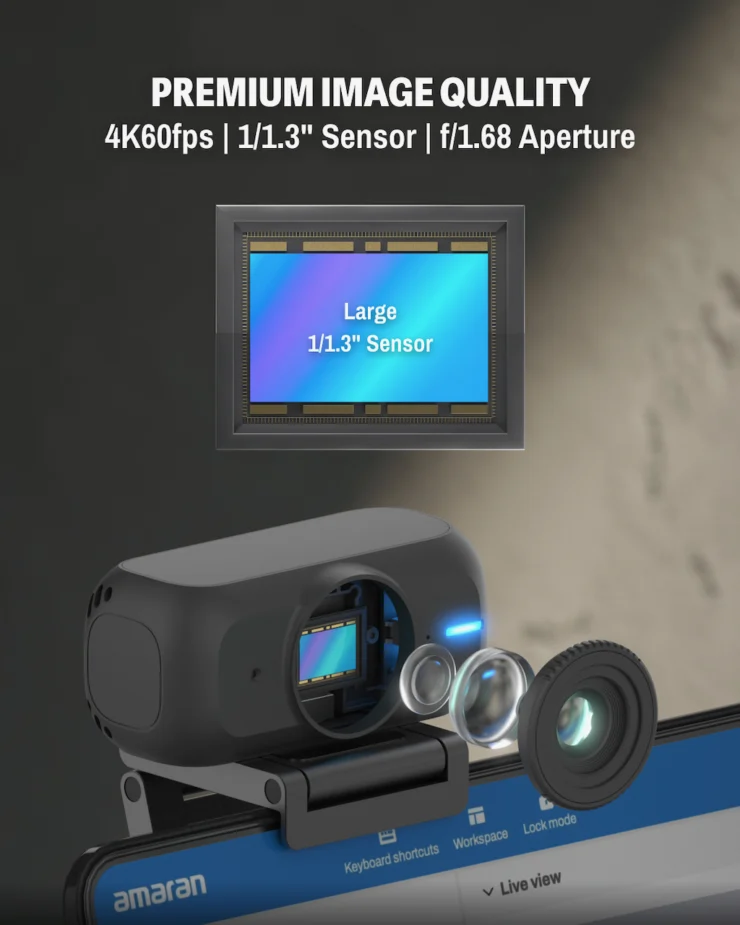
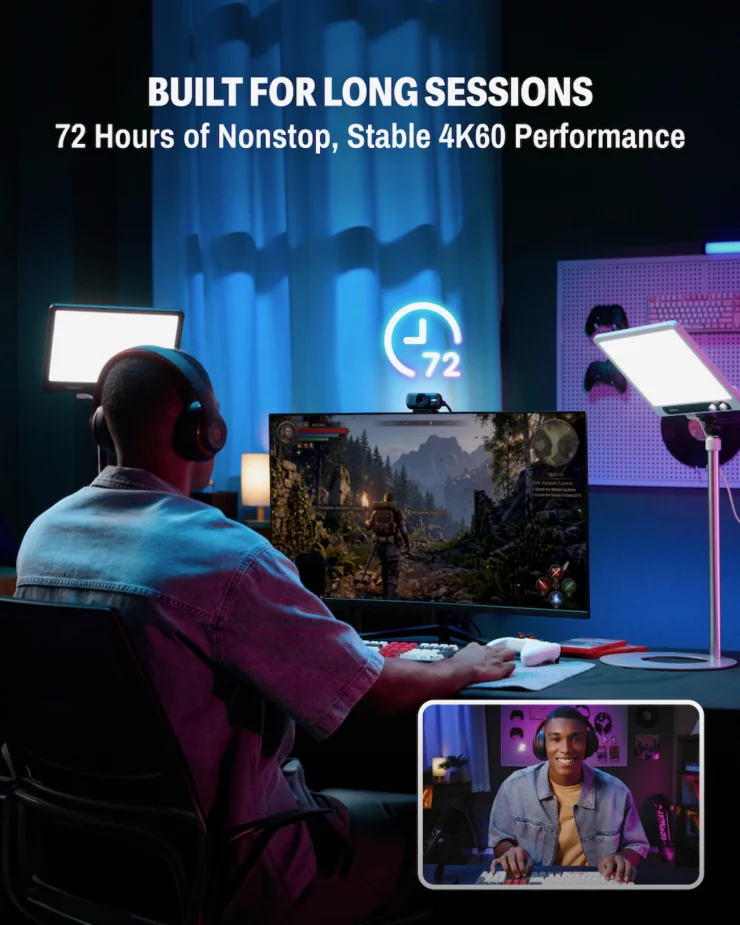
At its core, the amaran Cam is designed to address the persistent issue of variable lighting conditions in home office or studio environments. The device is built around a high-performance 1/1.3-inch sensor capable of capturing 4K resolution footage at 60 frames per second. This high frame rate ensures fluid motion, which is increasingly standard for high-end gaming streams and professional video conferencing.
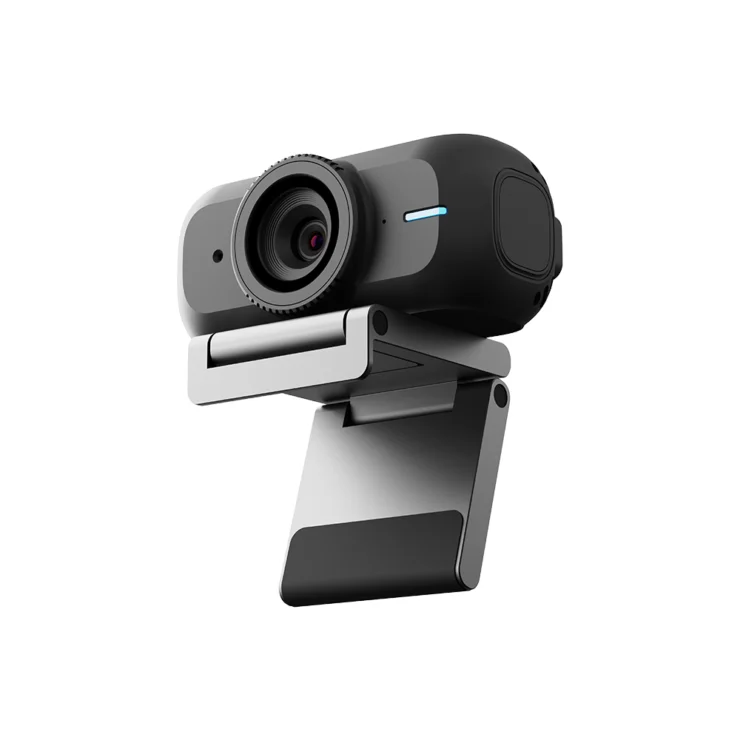
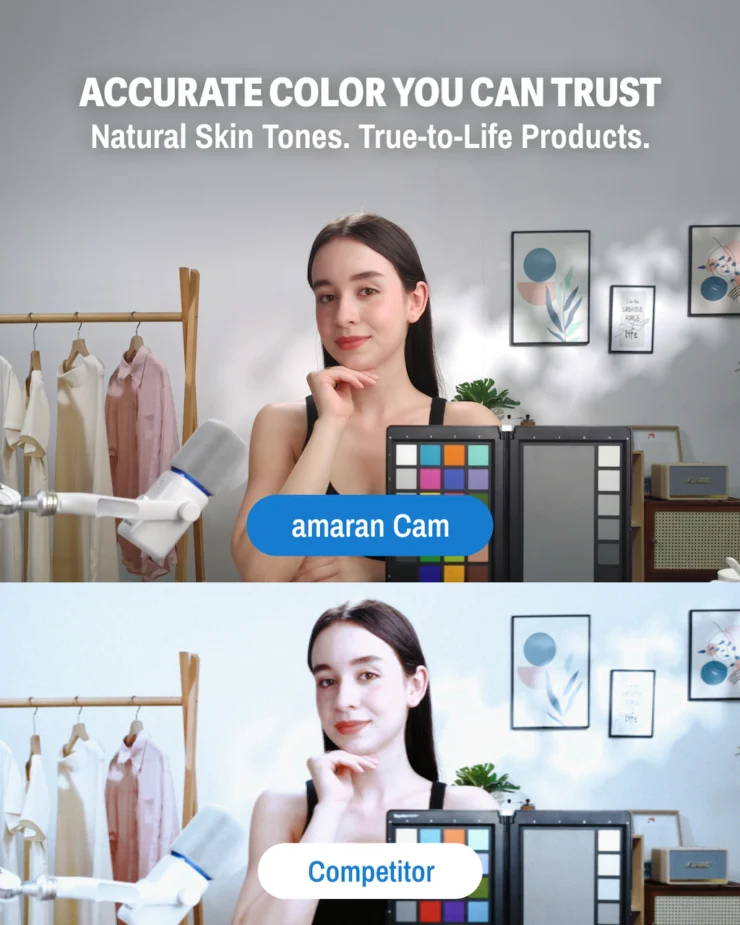
The optical system features a fast f/1.68 aperture. This wide aperture is significant for webcam technology, as it allows for better low-light performance and a shallower depth of field compared to the typical f/2.2 or f/2.8 lenses found in legacy webcams. The combination of a larger-than-average sensor and a wide aperture aims to provide users with natural skin tones and a balanced image profile, reducing the need for aggressive post-production color correction.
The Innovation: Intelligent Auto-Lighting Integration
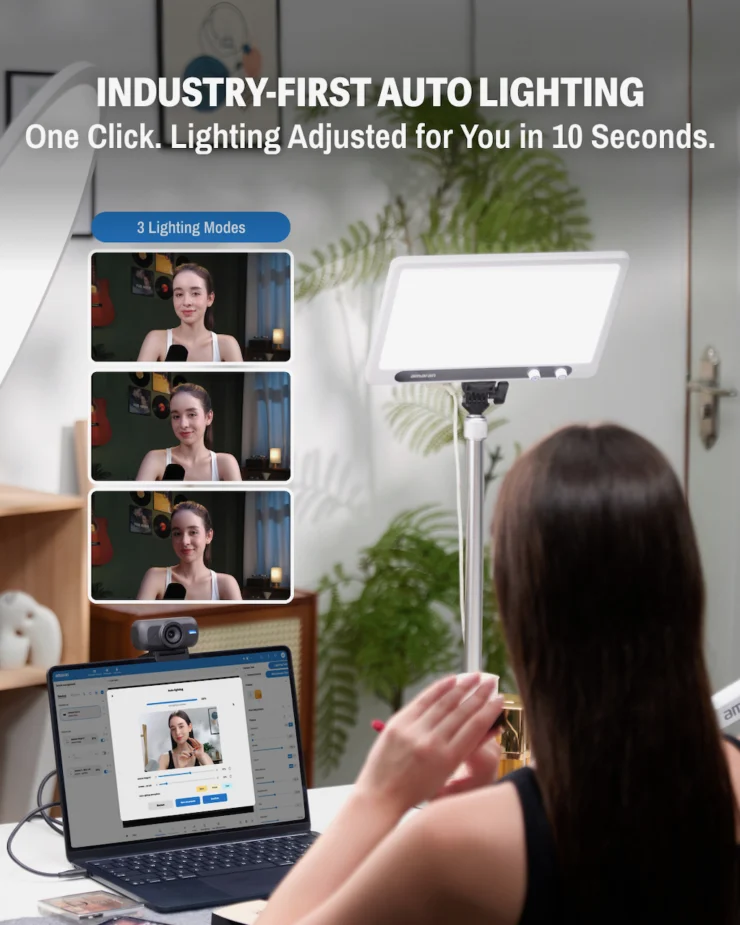
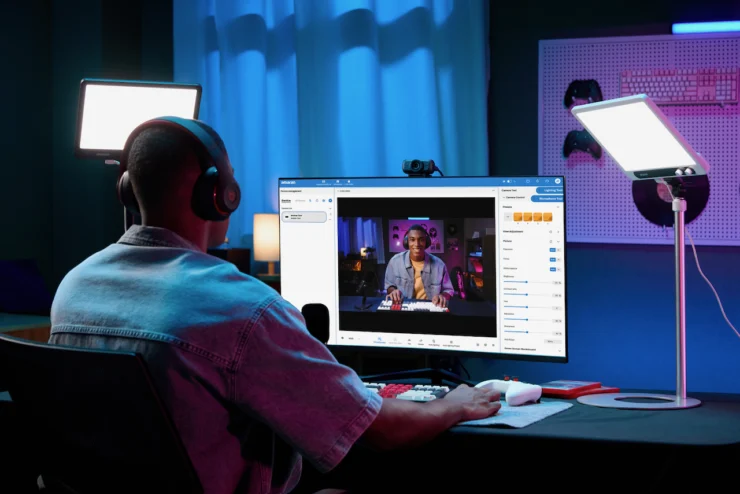
The most notable feature of the new hardware is its ability to communicate directly with compatible amaran lighting fixtures via the amaran Desktop App. This "Auto Lighting" functionality represents a departure from static setups where lighting and cameras function as independent entities.
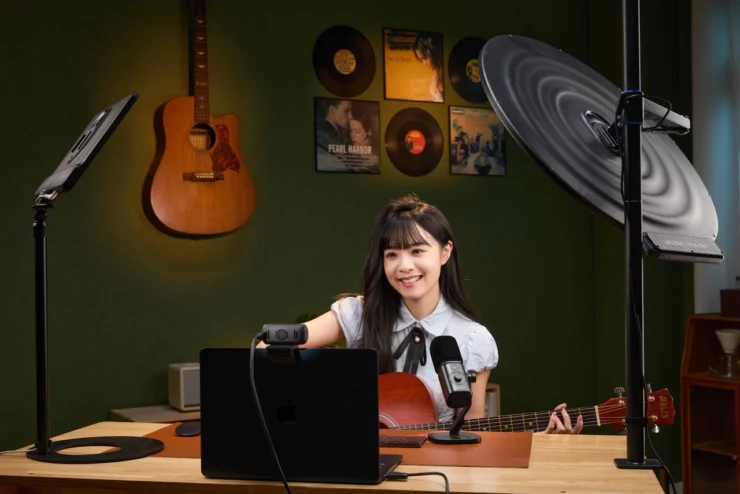
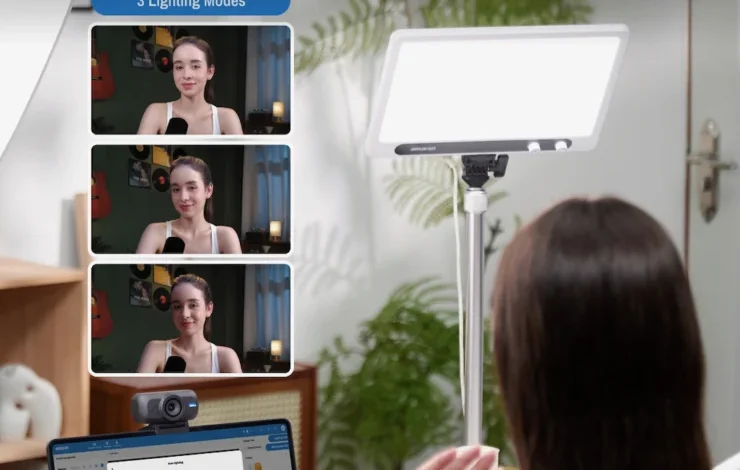
The process operates on a 10-second analysis cycle. When activated, the amaran Cam analyzes the exposure levels on the user’s face in real-time. It then sends telemetry data to the connected lighting fixtures, which automatically adjust their brightness and intensity to achieve a pre-set exposure goal. This creates a closed-loop system where the camera acts as the sensor and the lighting as the actuator.
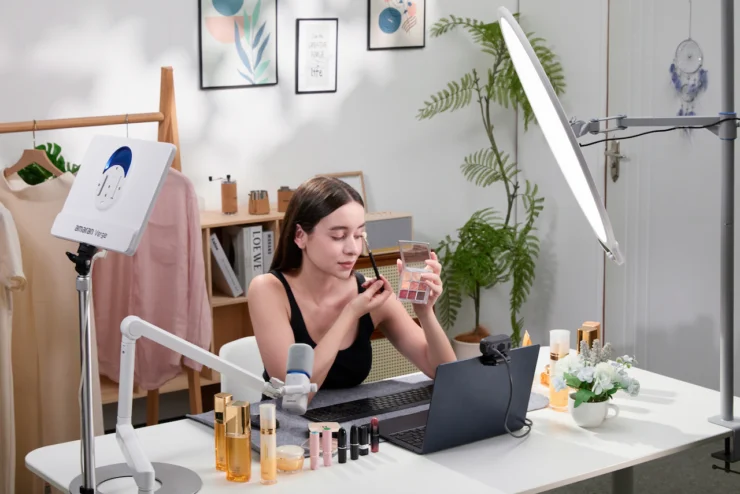
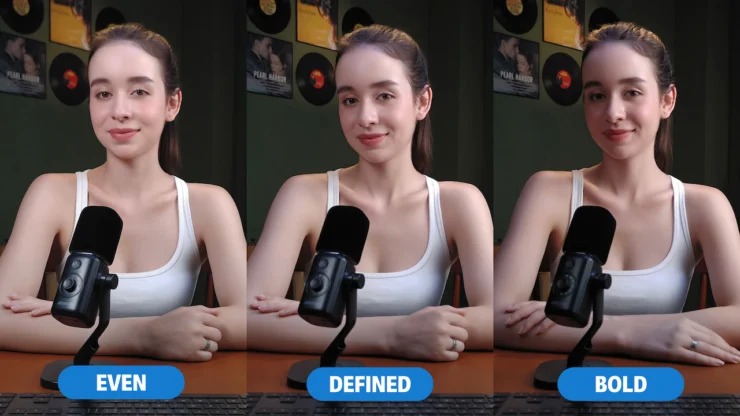
At launch, the software provides three distinct lighting presets:
- Even: Designed for a neutral, broadcast-ready look that minimizes harsh shadows.
- Defined: A configuration that enhances facial contours by providing subtle side-lighting and depth.
- Bold: A higher-contrast mode intended for stylized content creation, providing a more dramatic, mood-heavy aesthetic.
Currently, the system supports up to two compatible amaran lights simultaneously. However, official statements from the company suggest that a roadmap for future software updates will expand this capability to accommodate more complex, multi-light configurations.
Context and Evolution of the Streaming Market
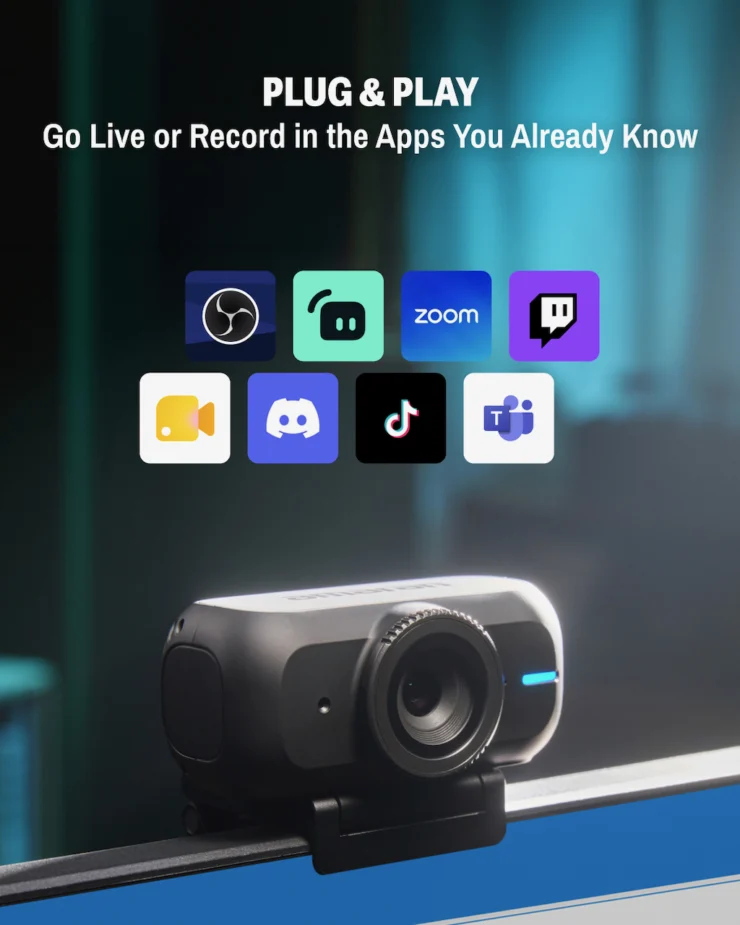
The release of the amaran Cam comes at a time when the "prosumer" market is becoming increasingly saturated. Historically, creators had to rely on complex software suites like OBS (Open Broadcaster Software) to manage scene transitions, audio mixing, and lighting scenes. The integration offered by amaran represents a broader industry trend toward "hardware-software synergy."
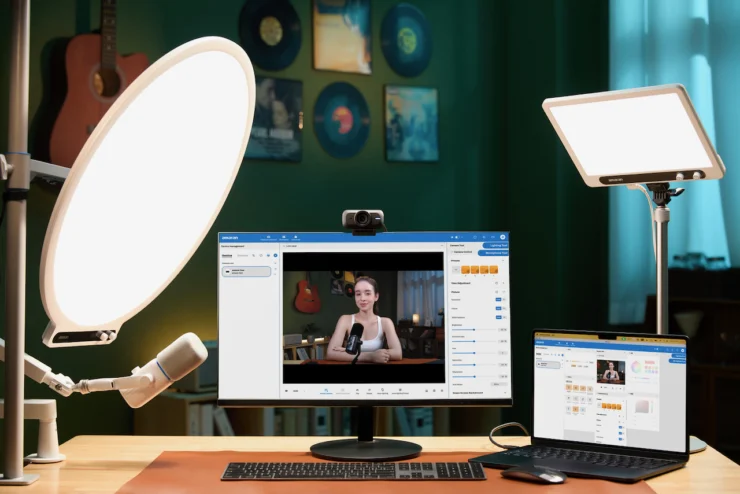
By automating the lighting aspect, amaran is effectively lowering the barrier to entry for high-quality production. Previously, achieving a professional three-point lighting setup required a significant amount of manual calibration—measuring distances, checking light intensity, and ensuring white balance consistency. While professional photographers and cinematographers will continue to prefer manual control, the average creator or corporate user is likely to benefit from the reduced setup time and the guarantee of a consistent "studio look" regardless of ambient room light.
Official Perspectives on the Ecosystem Vision
Tiffany Cheng, Global Product Marketing Manager at amaran, emphasized that the product was developed with a long-term strategy for ecosystem connectivity in mind. "Lighting is where amaran started, but our goal has always been to make creating easier," Cheng noted in a recent statement. "As we’ve expanded into tools that support more of the creative process, we’ve focused on how they can work together as part of a more connected ecosystem, rather than simply operating alongside one another."
The philosophy behind this release is that hardware should "do more of the thinking" for the user. By integrating visual feedback into the lighting control, amaran is positioning its software not just as a settings dashboard, but as a central nervous system for the creator’s workspace. This aligns with the wider industry pivot toward AI-assisted production tools, where real-time analysis is used to stabilize, color-grade, and frame subjects without user intervention.
Market Implications and Future Outlook
The introduction of the amaran Cam at a price point of $249 USD places it in a premium but accessible segment of the market. Its competitive advantage lies not in raw sensor resolution—as 4K webcams are now common—but in the interoperability with existing lighting hardware.
Analysts observing the streaming hardware sector suggest that this move could force competitors to rethink their own product roadmaps. Companies that currently manufacture cameras but lack a lighting division may find themselves at a disadvantage, potentially leading to increased mergers or partnerships between lighting and camera manufacturers.
From an industry impact perspective, the "auto-lighting" feature may initially be viewed with skepticism by veteran videographers who prioritize manual control. However, for the professional remote worker—who may have to conduct video calls in varying levels of daylight and artificial lighting throughout the day—the value proposition of an automated, consistent visual identity is clear.
Challenges and Technical Considerations
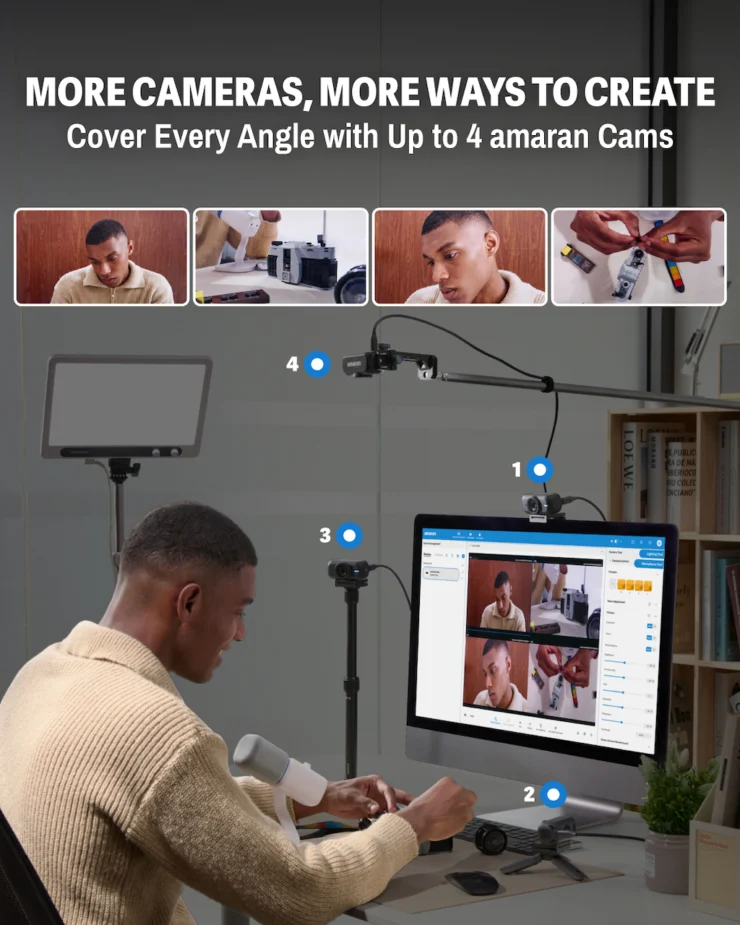
Despite the advancements, there are practical considerations for potential adopters. The effectiveness of the auto-lighting system depends heavily on the user already owning or purchasing compatible amaran lights. Users who have invested in lighting from other brands will not be able to leverage the full functionality of the amaran Cam without transitioning their entire lighting setup.
Furthermore, while the automation is designed to be seamless, lighting in a static environment—such as a podcast studio—often does not require constant readjustment. The real test for this technology will be in dynamic environments, such as creators who move between different rooms or those who live stream during hours where natural sunlight shifts significantly throughout the broadcast.
Conclusion
The amaran Cam represents a calculated effort to define the next standard for professional-grade streaming peripherals. By successfully integrating visual sensor data with lighting control, amaran has provided a template for how hardware ecosystems can reduce the technical friction associated with high-quality content creation.
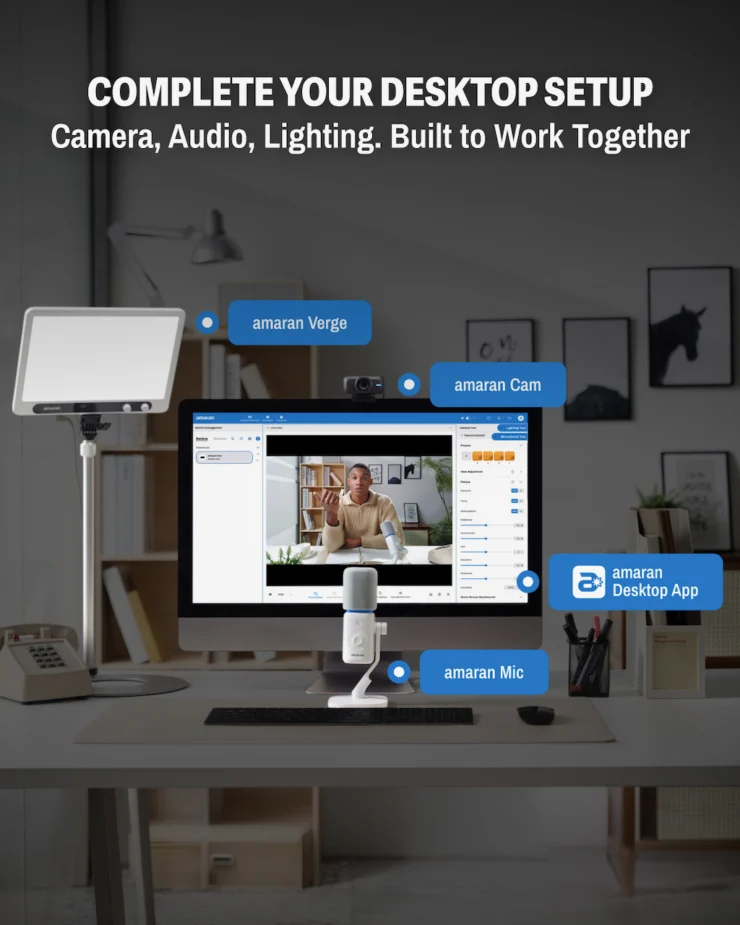
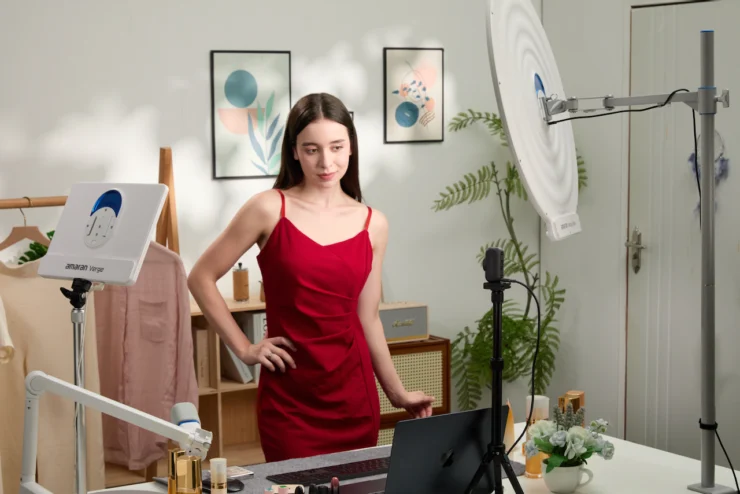
As the product rolls out to the market, both in standalone form and as part of bundled packages alongside the amaran Verge lighting and the amaran Mic, the industry will be watching to see how user adoption metrics reflect the demand for such automation. If successful, this "thinking" camera could mark the end of the era where creators spent more time adjusting their gear than they did in front of the lens. The focus has clearly shifted from high-resolution output to high-efficiency workflows, setting a new benchmark for what is expected of modern, intelligent production hardware.