Coroner to the Stars Documentary Screening Starring Dr. Noguchi, Directed by Ben Hethcoat

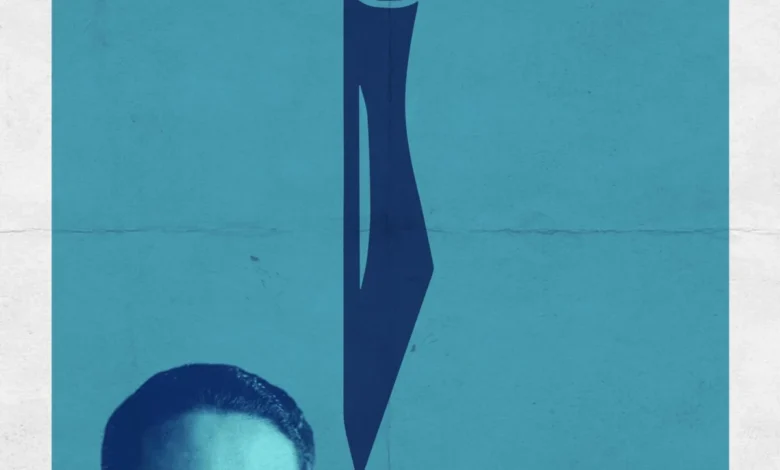
The Coachella Valley’s vibrant independent film scene recently played host to a compelling exploration of forensic history with a special screening of Coroner to the Stars at Festival Theaters in Palm Springs. The venue, recognized as a vital community hub for arthouse and independent cinema, provided an intimate backdrop for the feature documentary. Following the screening, audiences participated in an exclusive, in-depth Q&A session featuring director Ben Hethcoat and Festival Theaters General Manager Zack Solomon.
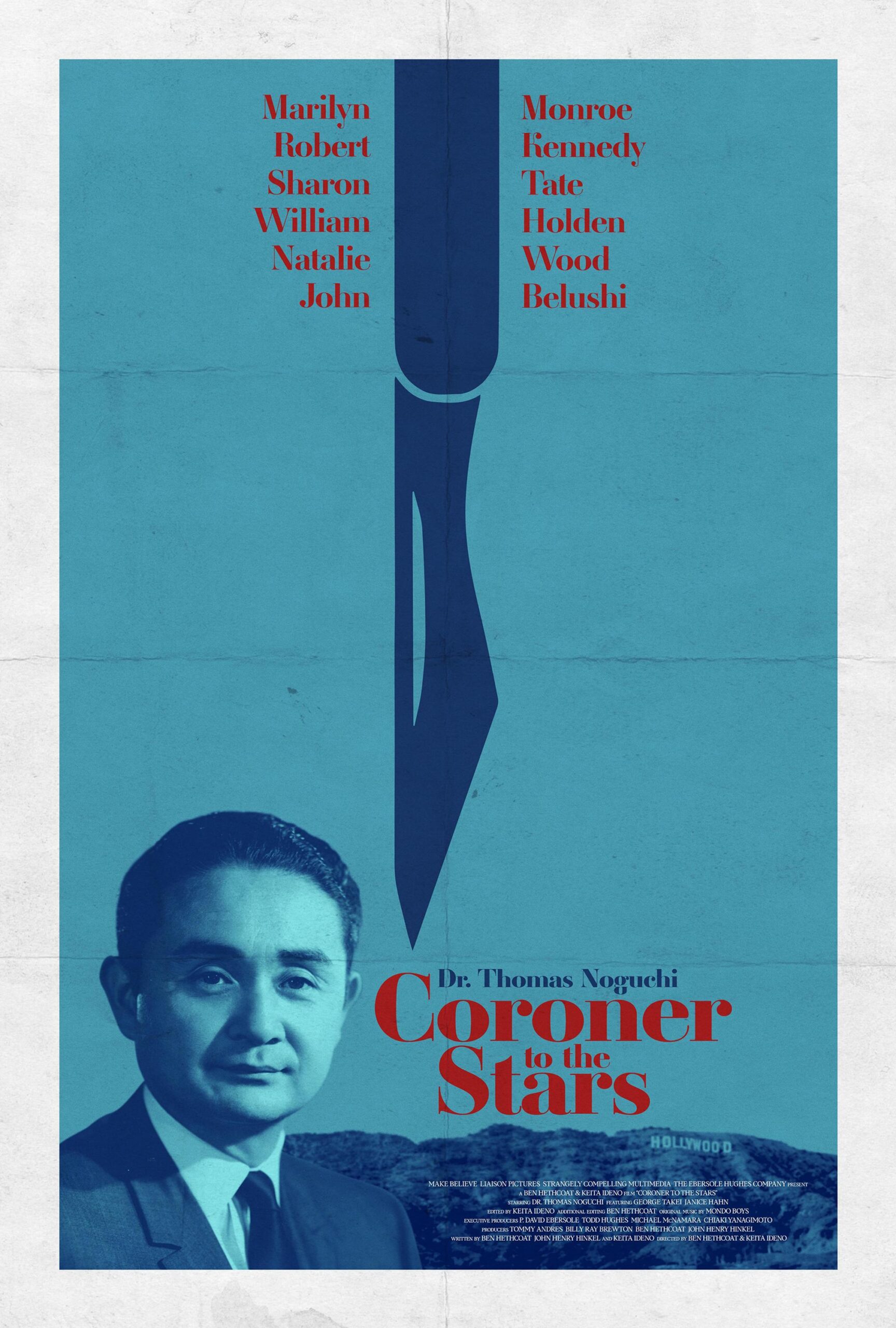
The documentary casts a bright light on the legendary and often controversial figure of Dr. Thomas Noguchi, the former Chief Medical Examiner-Coroner for the County of Los Angeles. Known internationally for handling the autopsies of some of the 20th century’s most iconic Hollywood figures—including Marilyn Monroe, Natalie Wood, and Robert Kennedy—Dr. Noguchi’s career fundamentally reshaped the fields of forensic pathology and public death investigation.
From a Bargain-Bin Book to the Big Screen
The journey of Coroner to the Stars from concept to completion is as unconventional as its subject matter. During the Q&A session, director Ben Hethcoat detailed the project’s humble origins, revealing that the film’s producer initially discovered Dr. Noguchi’s 1983 memoir, Coroner, on a one-dollar bargain rack at a Los Angeles bookstore. Intrigued by the dramatic potential of the life story contained within the weathered pages, the production team began to investigate the man behind the headlines.
Hethcoat’s attachment to the project was not merely professional; it carried a profound personal resonance. Approached in part because his own father worked as a coroner, Hethcoat brought a unique empathetic lens and an insider’s understanding of the psychological toll and mechanical realities associated with death investigation. This familial background allowed the director to approach a guarded and historically misunderstood subject with an authentic appreciation for the gravity of forensic work.
However, bringing Dr. Noguchi’s story to the screen required immense patience and diplomacy. Now approaching his 100th year of life, Dr. Noguchi was initially deeply hesitant to participate in the documentary. Having spent decades in the glaring spotlight of the international press—where sensationalized headlines frequently overshadowed the methodical science of his office—he harbored a deep-seated distrust of media outlets looking for a "gotcha" story. Hethcoat had to systematically build trust with the retired medical examiner, proving that the documentary aimed for historical nuance rather than tabloid exploitation.
A Pivot from Celebrity Scandal to Scientific Legacy
Initially, the creative trajectory of the film leaned heavily into the sensationalism that naturally accompanies Hollywood lore. The early drafts and structural outlines focused primarily on the high-profile autopsies that defined Dr. Noguchi’s tenure: Marilyn Monroe’s tragic overdose, Natalie Wood’s mysterious drowning in the waters off Catalina Island, and the devastating assassination of Robert F. Kennedy in 1968.
Yet, as Hethcoat delved deeper into the archival material and spent hours in dialogue with Dr. Noguchi himself, the narrative focus naturally evolved. The film ceased to be merely a retelling of celebrity deaths and transformed into an intimate, revealing portrait of a pioneer navigating the volatile intersection of hard science, intense celebrity culture, and high-stakes municipal politics.
The documentary highlights how Dr. Noguchi modernized the Los Angeles County Coroner’s office, transforming a sleepy, obscure municipal bureau into a world-renowned forensic institute. By advocating for advanced toxicological testing, systematic microscopic analysis, and transparent public reporting, he elevated forensic pathology to a critical pillar of the American justice system. Despite facing political pushback and institutional resistance throughout his career—including temporary demotions driven by controversy over his high-profile celebrity cases—Dr. Noguchi consistently defended the independence and necessity of scientific inquiry in determining the causes of unnatural deaths.
An Enduring Bond and an Authorized Legacy
The relationship between the filmmaker and his subject extended far beyond the traditional boundaries of documentary production. Hethcoat noted that the creative process forged a lasting personal bond. To this day, the director maintains a weekly routine of visiting the 99-year-old Dr. Noguchi. Together, they share meals of Japanese curry and discuss the ongoing journey of the film, bridging generations through shared storytelling and mutual respect.
This close collaboration culminated in a moment of validation that validated the film’s existence. After reviewing an early cut of the documentary, Dr. Noguchi offered a poignant and direct assessment of the project’s ultimate success. Speaking to Hethcoat, the retired coroner stated, "I hope people will watch this film and see that I have dedicated my life to forensics."
For a man who spent decades defending his professional integrity against relentless public scrutiny, Coroner to the Stars serves as a definitive reexamination of his contributions. It reframes his legacy not through the prism of the tragic celebrities he examined, but through his lifelong commitment to uncovering medical truths for the living and the dead alike.
Distribution Status and Future Outlook
As Coroner to the Stars completes its run through the film festival circuit and special screening engagements, industry observers are closely watching its commercial trajectory. During the Palm Springs event, it was revealed that an international distribution agreement for the film has already been secured in the Czech Republic, marking an encouraging milestone for the independent project’s global footprint.
However, a definitive release date for widespread distribution within the United States remains to be determined (TBD). Independent documentaries focusing on niche historical and scientific subjects often navigate a complex distribution landscape, relying heavily on community screenings, arthouse cinema circuits, and targeted streaming platforms to build momentum.
Industry analysts suggest that word-of-mouth endorsements from regional screenings—such as the well-attended event at Palm Springs’ Festival Theaters—will play a crucial role in securing a prominent U.S. distribution partner. Given the enduring public fascination with true crime, forensic science, and classic Hollywood history, Coroner to the Stars possesses significant crossover appeal that could attract a broad audience once a domestic release is finalized.
For film enthusiasts, history buffs, and those interested in the evolution of modern forensic science, attendees and critics alike echo the sentiment shared at the Palm Springs screening: if the opportunity arises to experience Ben Hethcoat’s documentary on the big screen, it is an endeavor well worth undertaking.