Meta Unveils New Instagram Features for AI-Powered Smart Glasses Amid Mounting Global Privacy Backlash and Regulatory Scrutiny

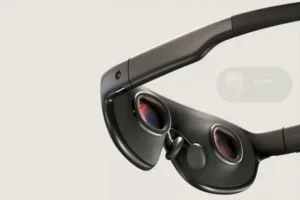
Meta Platforms has launched a comprehensive showcase on Instagram highlighting a suite of new video capture modes and device-specific editing tools designed exclusively for users of its artificial intelligence-enabled smart glasses. Originally previewed by the social media giant earlier this summer, these features are now taking center stage as Meta aggressively pushes to demonstrate the practical utility and creative potential of wearable technology. However, this high-profile product promotion unfolds against a turbulent backdrop. The company is currently confronting escalating public backlash, mounting privacy concerns, active regulatory investigations across multiple international jurisdictions, and grassroots physical protests stemming from covert recording incidents involving the hardware.
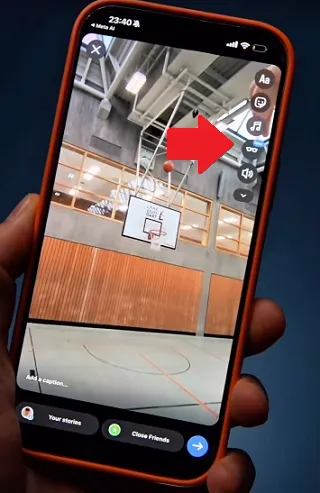
The newly demonstrated software capabilities aim to redefine how content creators utilize wearable tech for platforms like Instagram. Among the standout additions is spin view, an immersive capture mode that allows audiences to experience a more dynamic, true-to-life perspective of footage recorded via the AI glasses. By physically turning or panning a viewing device, users can unlock expanded visual angles captured natively by the smart frames, offering a uniquely engaging viewing experience that standard handheld smartphone video struggles to replicate.
Complementing spin view is the multi-cam feature, a streamlined production tool that seamlessly synchronizes video feeds captured simultaneously from a user’s smartphone and their Meta AI glasses. This dual-perspective setup enables creators to broadcast or publish alternating viewpoints within a single piece of content, significantly enhancing audience engagement through multi-angled storytelling. Furthermore, Meta has introduced dedicated, glasses-specific editing tools directly within the Instagram application. These specialized suites provide creators with advanced options to refine, splice, and customize raw footage recorded through the wearable hardware without needing to export files to third-party editing software.

By actively promoting these features, Meta hopes to cement the value proposition of its AI smart glasses ecosystem, shifting public perception from a mere novelty gadget to an indispensable toolkit for modern digital creators. Yet, the timing of this feature push has brought existing vulnerabilities and controversies back into sharp focus.
Background Context and Evolving Privacy Concerns
The journey of smart glasses from science fiction to consumer reality has been fraught with ethical and legal hurdles. Meta’s current generation of AI-enabled eyewear relies on built-in cameras, microphones, and advanced processing units to capture visual data and interface with Meta AI. While marketed as hands-free tools for capturing life’s moments and accessing contextual information on the go, the integration of discreet recording technology into everyday apparel has inevitably triggered fierce debates surrounding public surveillance and personal privacy.
The core of the current controversy centers on unauthorized recording. Modern smart glasses are legally mandated to feature built-in hardware safeguards—most notably an LED indicator light that illuminates whenever the camera is actively recording or streaming video. This indicator is designed to alert surrounding individuals that they are being filmed. However, recent investigative reports and user accounts have revealed a deeply concerning trend: malicious actors have found methods to physically tamper with, obstruct, or deactivate the recording light.

By bypassing this crucial visual notification system, individuals have been able to record unsuspecting members of the public in private spaces, workplaces, and public transit without their knowledge or consent. Worse still, numerous instances have surfaced where covertly captured video footage of victims has been uploaded to various online platforms without authorization. This erosion of consent has transformed what was intended to be a consumer lifestyle device into a potent symbol of corporate-enabled surveillance.
Chronology of Events and Regulatory Escalation
The friction between Meta’s wearable tech ambitions and societal privacy norms has accelerated through a distinct timeline of events over the past year:
Early 2024 to Mid-2024: Meta introduces advanced AI capabilities to its smart glasses lineup, driving a surge in consumer adoption and initial media interest. Users begin experimenting with the hands-free recording capabilities across social media channels.

June 2024: Meta officially previews custom Instagram features tailored specifically for smart glasses users, laying the groundwork for tighter ecosystem integration between hardware capture and social media publishing.
Late Summer 2024: Investigative reports emerge detailing instances of users successfully bypassing or masking the LED recording indicators on Meta AI glasses. Concurrently, reports of non-consensual filming and subsequent online video uploads begin to multiply across the internet.
Autumn 2024: Regulatory bodies in the United States and the United Kingdom formally announce inquiries and investigations into Meta’s smart glasses, focusing heavily on privacy compliance, data protection safeguards, and the physical security of recording indicators.
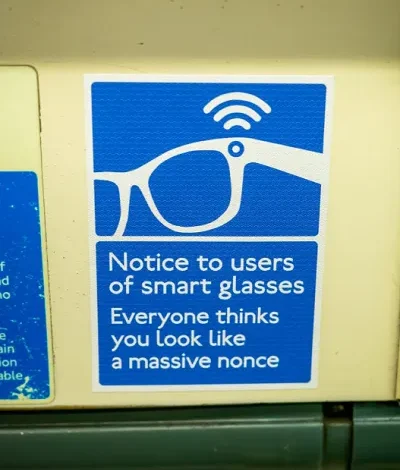
Late 2024: Grassroots opposition gains physical momentum. Activist groups, such as Radical Graffiti, begin distributing anti-AI glasses propaganda and mounting targeted warning posters within high-traffic public infrastructure, including the London Underground.

Present Day: Meta steps up its public relations and feature-promotion efforts, releasing polished Instagram tutorials for spin view and multi-cam while simultaneously working behind the scenes to address hardware vulnerabilities and regulatory demands.
Global Regulatory Repercussions and Public Backlash
The systematic abuse of smart glasses features has not gone unnoticed by governments and civil society organizations. Authorities in both the United Kingdom and the United States have initiated formal investigations into Meta’s wearable devices, scrutinizing whether the company has done enough to prevent privacy violations and whether its hardware safety measures are robust enough to withstand deliberate tampering. Regulators are particularly concerned about the implications of pervasive, unannounced recording in public spaces where individuals retain a reasonable expectation of privacy.
Beyond government oversight, public resistance has transitioned from online critique to physical activism. In major metropolitan areas like London, protest campaigns have begun targeting the cultural normalization of wearable recording tech. Anti-AI glasses posters—highlighting the dangers of covert surveillance and calling out the erosion of personal anonymity—have appeared on public transit systems. These campaigns reflect a deeper societal anxiety regarding the rapid integration of artificial intelligence and constant visual monitoring into daily life.
Industry Implications and Future Outlook
As Meta navigates this high-stakes public relations crisis, industry analysts are closely monitoring the commercial and strategic implications for the company’s hardware division. To date, Meta has reported no direct, measurable impact on product sales resulting from the negative sentiment or regulatory probes. Consumer demand for the AI glasses remains resilient, driven largely by tech enthusiasts and early adopters eager to leverage features like multi-cam and spin view for content creation.
Nevertheless, the long-term viability of wearable AI devices hinges heavily on Meta’s ability to rebuild public trust. Striking the delicate balance between enabling creative freedom for content producers and enforcing stringent privacy safeguards for the general public remains an formidable challenge. If Meta fails to implement foolproof technical solutions that prevent LED tampering and unauthorized filming, the company risks facing much harsher regulatory penalties, mandatory product redesigns, or even consumer boycotts that could permanently stall the mainstream adoption of augmented and smart eyewear.
For now, Meta continues to walk a tightrope, showcasing the innovative storytelling power of its technology on Instagram while striving to appease regulators and critics who demand absolute accountability in the age of ubiquitous AI surveillance.
Related posts: