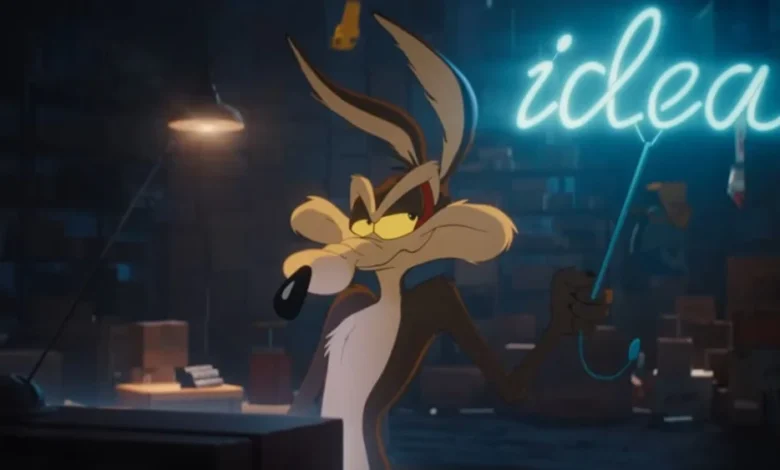
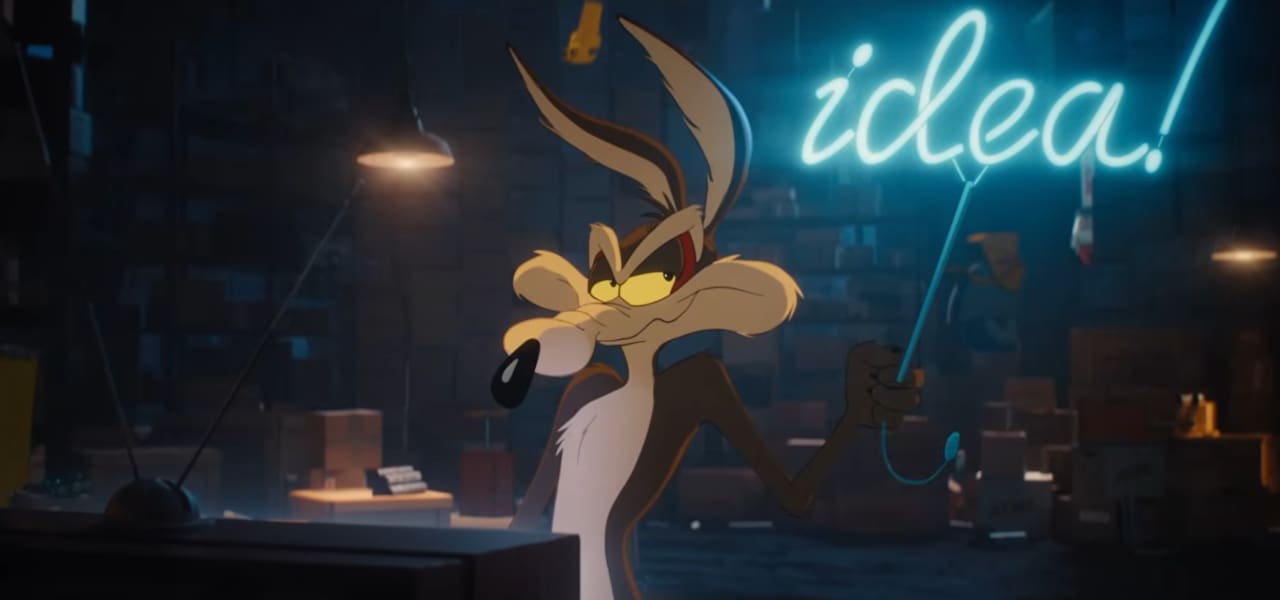
The Academy of Motion Picture Arts and Sciences has officially cleared the live-action/animation hybrid Coyote vs. Acme for consideration in the Best Animated Feature category for the 2027 Academy Awards. This landmark decision marks a significant turning point for the film, which has been at the center of one of the most volatile release sagas in recent Hollywood history. Distributor Ketchup Entertainment, which acquired the rights to the project after it was famously shelved by Warner Bros. Discovery (WBD), will now move forward with a formal campaign to secure an Oscar nomination for director Dave Green’s inventive courtroom comedy.
The Academy’s Eligibility Threshold
The uncertainty surrounding the film’s eligibility stemmed from the Academy’s stringent criteria for what constitutes an "animated" feature. According to Rule Seven of the 97th Academy Awards requirements, a film must meet specific technical thresholds to qualify for the Best Animated Feature category. Specifically, at least 75% of the film’s running time—excluding opening and end credits—must feature animation of the primary subject or subjects.
The Academy does not mandate that the entire frame be animated; rather, it requires that the animated characters be central to the narrative and present throughout the vast majority of the runtime. Following a rigorous review of the film’s production assets and technical breakdown, the Academy concluded that Coyote vs. Acme meets these requirements. This ruling effectively puts to rest the concerns expressed by industry analysts earlier this summer, who speculated that the film’s heavy reliance on live-action environments and a human lead, played by Will Forte, might disqualify it from the category.
A Timeline of Corporate Turbulence
The journey of Coyote vs. Acme has been characterized by unprecedented corporate shifts that have sparked widespread debate regarding the stewardship of intellectual property. The project’s timeline highlights the friction between creative output and cost-cutting measures that have defined the current era of media conglomerates.
- 2023 (Initial Shelving): After completing production, Warner Bros. Discovery announced that the film would not be released, intending to take a tax write-down on the project, similar to the treatment of Batgirl.
- Late 2023 (Industry Backlash): The announcement triggered a significant outcry from filmmakers and industry professionals, who viewed the shelving of a completed, test-screened film as a violation of artistic integrity.
- Early 2024 (Reversal and Licensing): Facing public pressure and internal concerns regarding its reputation among creators, WBD reversed its decision to destroy the film and instead permitted the producers to shop the title to other distributors.
- 2025 (Acquisition): Ketchup Entertainment successfully acquired the distribution rights, signaling a intent to bring the film to theatrical audiences.
- 2026 (Theatrical Release): Following a successful theatrical run and critical acclaim, the film entered the awards conversation, leading to the recent eligibility ruling.
Precedent for Hybrid Features
Coyote vs. Acme joins a small but significant lineage of films that bridge the gap between traditional live-action and animation. The success of A24’s Marcel the Shell with Shoes On, which secured a nomination in the 2023 cycle, served as a crucial precedent for this year’s ruling. Much like Marcel, the Wile E. Coyote project utilizes a blend of performance capture and digital artistry to integrate its titular character into a live-action world. By demonstrating that the animated characters drive the emotional and narrative arc of the film, Ketchup Entertainment’s team was able to satisfy the Academy’s board of governors, proving that the film is fundamentally an animation-led project despite its hybrid nature.
Implications for the 2027 Awards Race
The inclusion of Coyote vs. Acme introduces a major wildcard into the Best Animated Feature race. The category, which has recently been dominated by studio heavyweights like Pixar, DreamWorks, and Netflix, now faces a contender with a unique "underdog" narrative.
Industry analysts at Gold Derby have noted that the film’s critical reception—which praised Samy Burch’s script and the seamless integration of Wile E. Coyote’s slapstick physics into a legal drama—could resonate strongly with the animation branch voters. If the film were to receive a nomination, it would serve as a powerful vindication for the creative team, while simultaneously serving as a public rebuke to the executive decisions made at Warner Bros. Discovery during the period the film was locked in a vault.
Fact-Based Analysis of the "Stain" on WBD
The saga of this film has become a proxy for larger discussions regarding the financialization of art. When WBD executives initially moved to shelve the project, the primary motivation was to leverage tax credits to offset debt accrued during the Discovery-Warner merger.
The fact that the film has now garnered positive reviews and potential Academy recognition highlights a disconnect between corporate accounting and cultural value. Should the film win an Oscar, or even receive a nomination, it would represent a rare instance where a project deemed "valueless" by a major corporation achieves the highest level of industry validation. Analysts suggest this could lead to more stringent "clawback" clauses in future talent contracts, where creators may demand ownership rights if a studio chooses to shelve a completed work for tax purposes.

The Role of Ketchup Entertainment
The role of independent distributor Ketchup Entertainment cannot be overstated. By stepping in to distribute a film that a major studio had discarded, the company has effectively acted as a preservationist of modern cinematic history. The decision to pursue an Oscar campaign suggests that the distributor believes the film possesses both artistic merit and the potential to capture the attention of Academy voters who prioritize originality.
For the animation community, the eligibility of this film is a victory for the medium. It reaffirms that "animation" is a technique rather than a genre, and that films utilizing cutting-edge digital technology to place non-human characters in human-centric stories are deserving of the same accolades as traditional animated features.
Conclusion: Looking Ahead
As the 2027 Academy Awards approach, the presence of Coyote vs. Acme will undoubtedly be a central topic of discussion. The film’s path from a discarded asset to an Oscar-eligible contender is a testament to the persistence of its creators and the evolving nature of the Academy’s definitions. Whether or not it secures a nomination, the film has already achieved a significant feat: it has forced a conversation about the value of art in an era of corporate consolidation and has proven that even the most buried projects can find a second life through the right distribution channels.
The industry will now watch closely to see if the Academy voters, who have historically favored traditional narrative animation, are willing to embrace a film that intentionally blurs the lines between reality and the classic, chaotic world of the Looney Tunes. Regardless of the outcome, the legacy of this film as a survivor of the "streaming wars" era is already cemented in Hollywood history.
Related posts: