X Platform Introduces Aggressive New Promotion Prompt That Spooks Users With Sudden Hand Animation

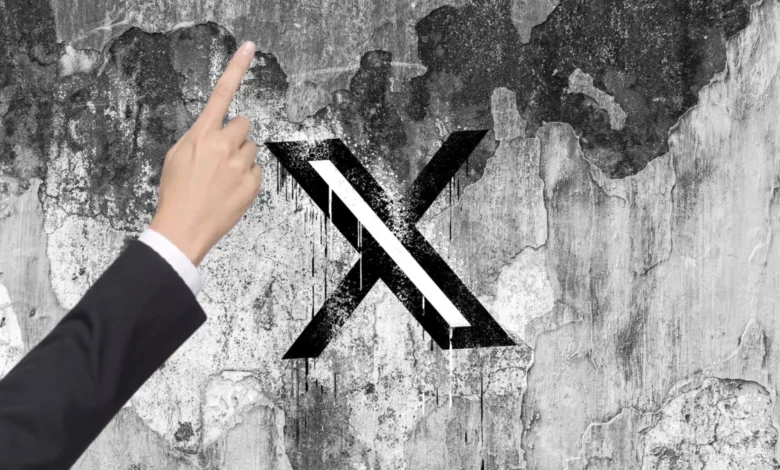
X, the social media platform formerly known as Twitter, has introduced an unusually aggressive user interface feature that has drawn widespread frustration and amusement from its user base. Over the past 24 hours, active users composing posts have reported the sudden, unprompted appearance of a graphic arm and hand pointing directly at the platform’s "promote" button. This unexpected visual intrusion, which many have likened to an unwanted jump scare, highlights ongoing experimentation within the company’s product design and monetization strategies.
The timing of the rollout, occurring just days before Halloween, has led some users to speculate whether the animation is a temporary seasonal prank. However, the aggressive nature of the prompt has overshadowed any festive interpretations. Rather than encouraging users to invest financially in amplifying their reach, the startling graphical overlay has largely succeeded in startling writers and disrupting the standard composition workflow.
User Reactions and Social Media Backlash
The unexpected interface element quickly became a trending topic on the platform itself, as writers and content creators shared screenshots and video captures of the animated hand interrupting their drafting process. Reactions ranged from lighthearted bewilderment to outright annoyance at the increasingly intrusive methods employed by digital platforms to drive ad revenue.
Ershad Kaleebullah, a prominent tech commentator, voiced his frustration directly to platform owner Elon Musk, writing on X that if he wanted jump scares, he would have opted to watch a horror movie instead. Kaleebullah noted the irony of the oversized hand appearing precisely as he typed the phrase "engagement farming" into his draft.
Similarly, Dylan Abruscato, president of the TBPN podcast, captured the sentiment of many industry observers when he described the feature as obstructive yet undeniably effective in capturing user attention. Abruscato characterized the aggressive growth hack as heavily reminiscent of the product philosophy associated with Nikita Bier, X’s former head of product.
Leadership Transition and Product Strategy
The deployment of the pointing-hand prompt coincides with a significant leadership transition within X’s product division. Nikita Bier stepped down from his role as head of product in August, concluding a nearly year-long tenure defined by rapid iteration and aggressive engagement tactics aimed at boosting platform metrics and creator monetization.
On Monday, Peter Sellis formally announced his appointment as the new head of product at X. Sellis brings a wealth of industry experience to the role, having previously served as a senior product executive at major technology platforms including Snap and Discord. In his introductory post on the platform, Sellis expressed enthusiasm for joining the company and supporting its broader corporate ecosystem, playfully noting his intention to "make shitposting multiplanetary" in alignment with SpaceX’s overarching interplanetary aspirations.
It remains unconfirmed whether the animated promotion hand was initiated under Sellis’s direct oversight or if it was part of a lingering product pipeline developed during Bier’s tenure. Representatives for X have not yet issued an official statement regarding the feature’s design intent, rollout scope, or whether it represents a permanent addition to the platform’s monetization interface.
The Evolution of In-App Monetization Tactics
The introduction of the pointing hand reflects a broader, ongoing industry trend wherein social media platforms increasingly leverage intrusive design patterns—often referred to in the tech industry as dark patterns or aggressive nudges—to convert free users into paying advertisers. As competition for advertising dollars intensifies across the digital landscape, platforms are under pressure to maximize conversion rates for self-service promotion tools.
Historically, social media monetization relied on subtle banners, sidebar advertisements, or unobtrusive inline suggestions. However, as user banner blindness has increased, product teams have shifted toward more disruptive interventions that interrupt user flows to secure attention. While these tactics frequently succeed in driving immediate metric spikes, they carry inherent risks. Overly aggressive prompts can alienate core users, degrade the overall user experience, and inadvertently cause friction that deters potential buyers rather than encouraging them.
For X, a platform that has undergone radical structural and cultural transformations under Musk’s ownership, balancing aggressive monetization with user retention remains a central challenge. The platform relies heavily on creator engagement and organic posting volume to sustain its daily active user metrics. Introducing features that disrupt the foundational act of writing a post—even if intended as a temporary engagement experiment—risks testing the patience of the platform’s most dedicated contributors.
Broader Implications for Platform Design
The incident underscores the delicate equilibrium required in modern consumer software design. As product teams experiment with gamified elements, dynamic overlays, and behavioral nudges, the line between effective growth hacking and user alienation grows increasingly thin.
The immediate public reaction to the X promotion hand demonstrates that users have become acutely sensitive to interface manipulations designed to force commercial interactions. Whether the feature will be refined, scaled back, or quietly removed following the initial wave of feedback remains to be seen. As Peter Sellis settles into his new leadership role at X, industry analysts will be watching closely to see how the platform balances its aggressive revenue-generation goals with the preservation of a functional and frustration-free user experience.