How to Master Facebook Content Scheduling to Boost Audience Engagement and Operational Efficiency

Maintaining a consistent presence on social media has transitioned from a competitive advantage to a fundamental operational requirement for businesses, creators, and community managers. For administrators managing Facebook Pages, professional-mode profiles, or Facebook Groups, the manual act of publishing content in real-time is increasingly viewed as an inefficient use of resources. By leveraging scheduling tools—whether native to the Meta ecosystem or via third-party platforms—administrators can transition from reactive posting to strategic, long-term content management.

The Shift Toward Automated Content Management
The evolution of social media management tools reflects a broader trend in digital marketing: the prioritization of data-driven consistency over impulsive, ad-hoc updates. Historically, Facebook users were tethered to the "publish now" model. However, as the platform expanded its professional toolset, it introduced native scheduling features designed to mitigate the volatility of content calendars.
Data from independent industry studies, including long-term analyses conducted by Buffer, indicate that consistent posting schedules correlate directly with higher engagement metrics. Accounts that maintain a predictable cadence of content delivery typically see up to five times more engagement per post compared to those that post sporadically. This phenomenon is largely attributed to algorithmic favorability, which rewards accounts that reliably supply content to their followers, and audience retention, which builds habit-based viewership.
Mechanics of Scheduling: A Comparative Overview
Understanding the technical limitations of Facebook’s various account types is the first step toward effective management. The Meta ecosystem treats Pages, professional profiles, and Groups with distinct technical protocols.
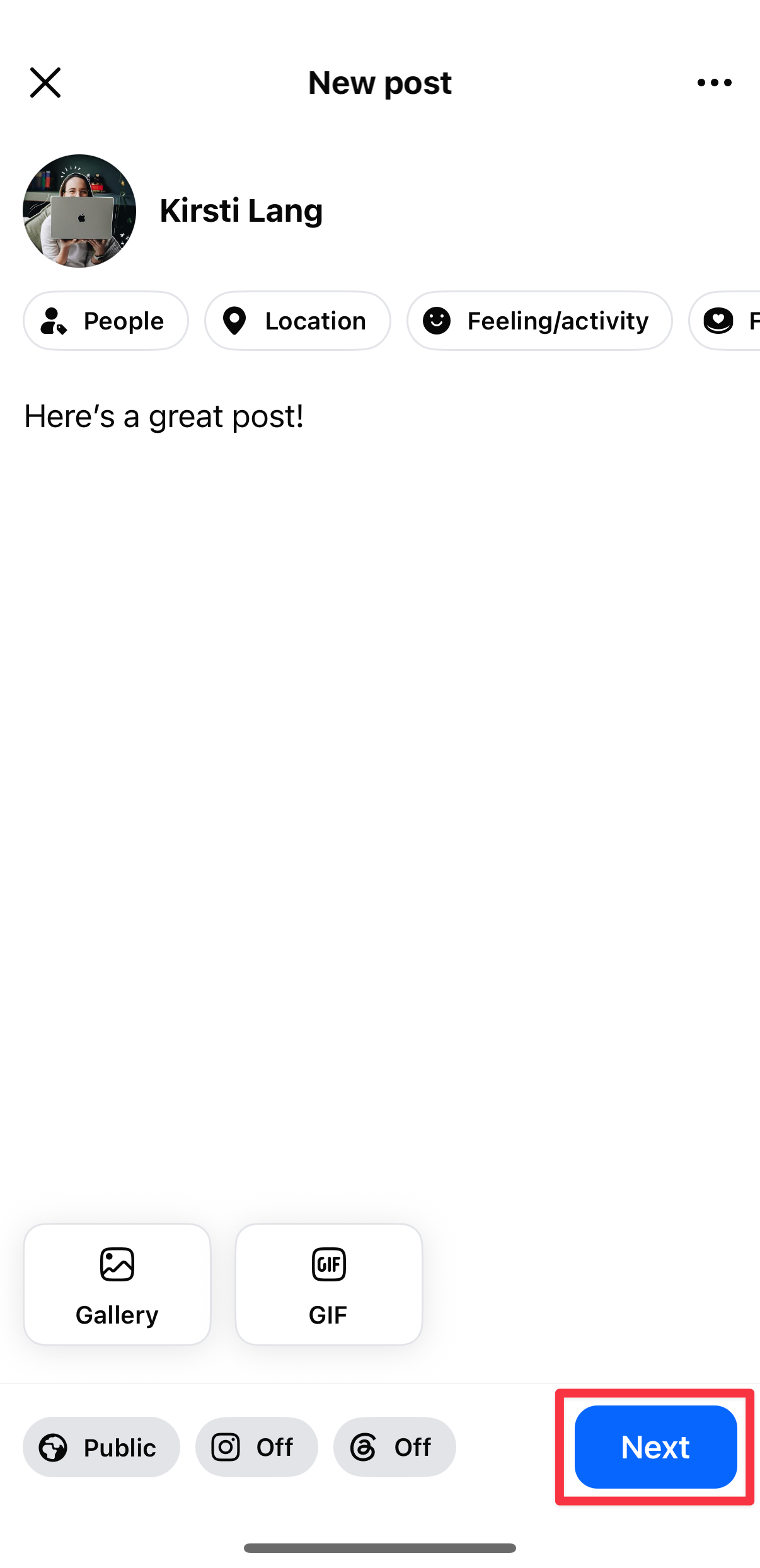
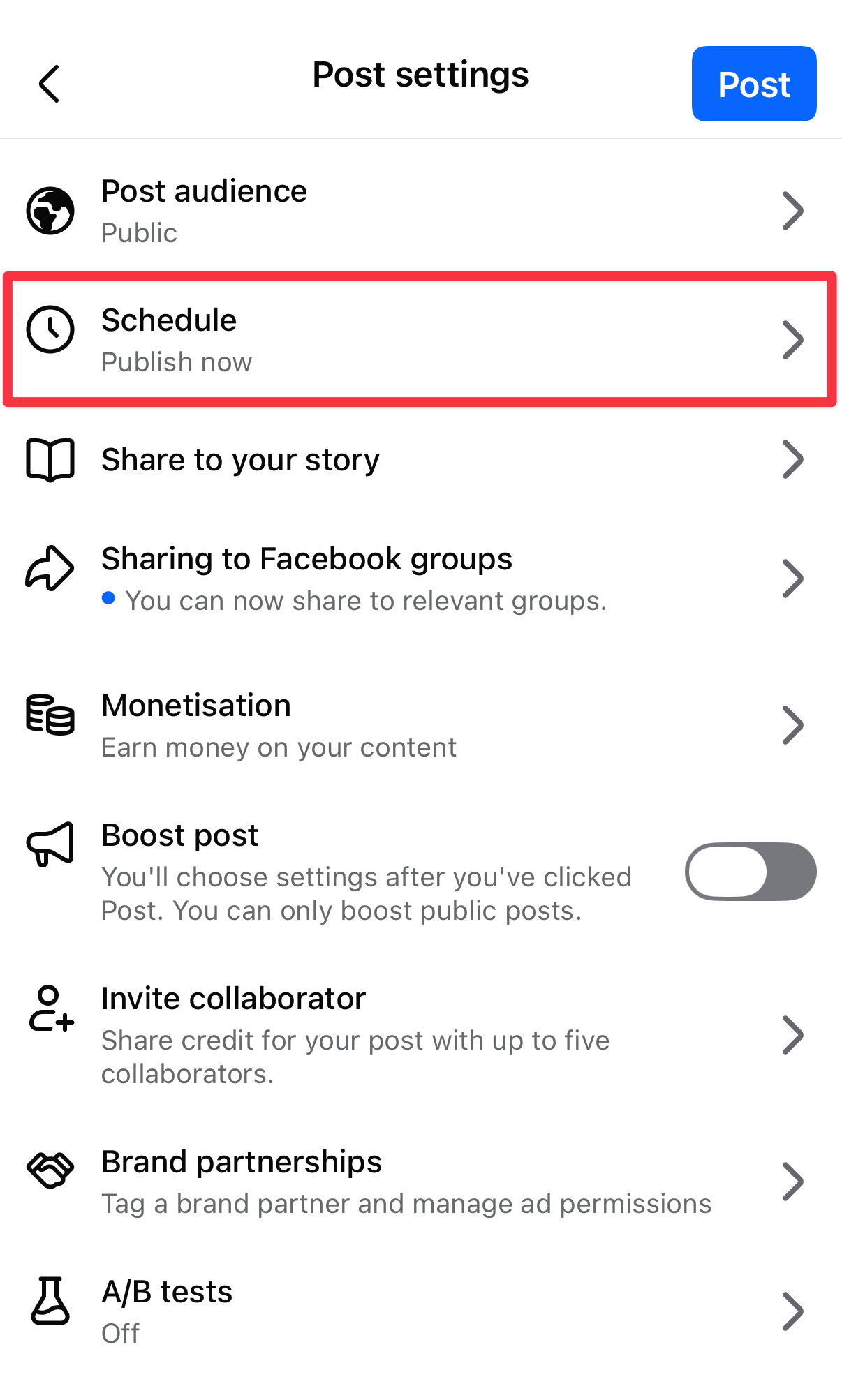
- Facebook Pages: These offer the most robust flexibility. Administrators can utilize native scheduling within the Facebook mobile app, the desktop-based Meta Business Suite, or integrated third-party applications. These posts are pushed automatically to the feed at the designated time, allowing for a "set and forget" workflow.
- Professional-Mode Profiles: Meta has extended native scheduling capabilities to personal profiles that have opted into "professional mode." This serves as a bridge for individual creators who wish to maintain a professional brand identity without managing a separate Page.
- Facebook Groups: These operate under a unique set of constraints. While admins and moderators can schedule posts directly within the group interface—a feature that supports recurring threads—third-party tools face limitations. Because Meta restricts automatic API-based publishing to groups, third-party platforms like Buffer rely on mobile notifications to alert administrators to manually confirm the publication.
- Standard Personal Profiles: Facebook does not currently support scheduled posts for standard personal profiles. Users seeking this functionality must either convert to professional mode or utilize a dedicated Page.
Technical Implementation and Workflow Optimization
To implement a content calendar, administrators must choose the interface that best aligns with their operational scale.
Utilizing Meta Business Suite
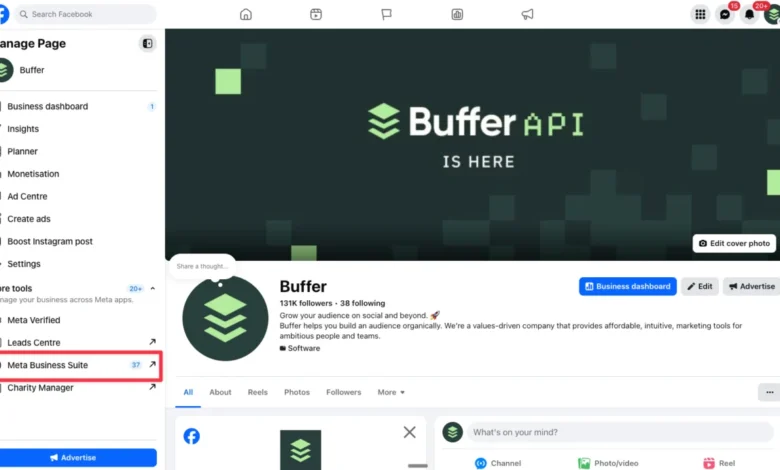
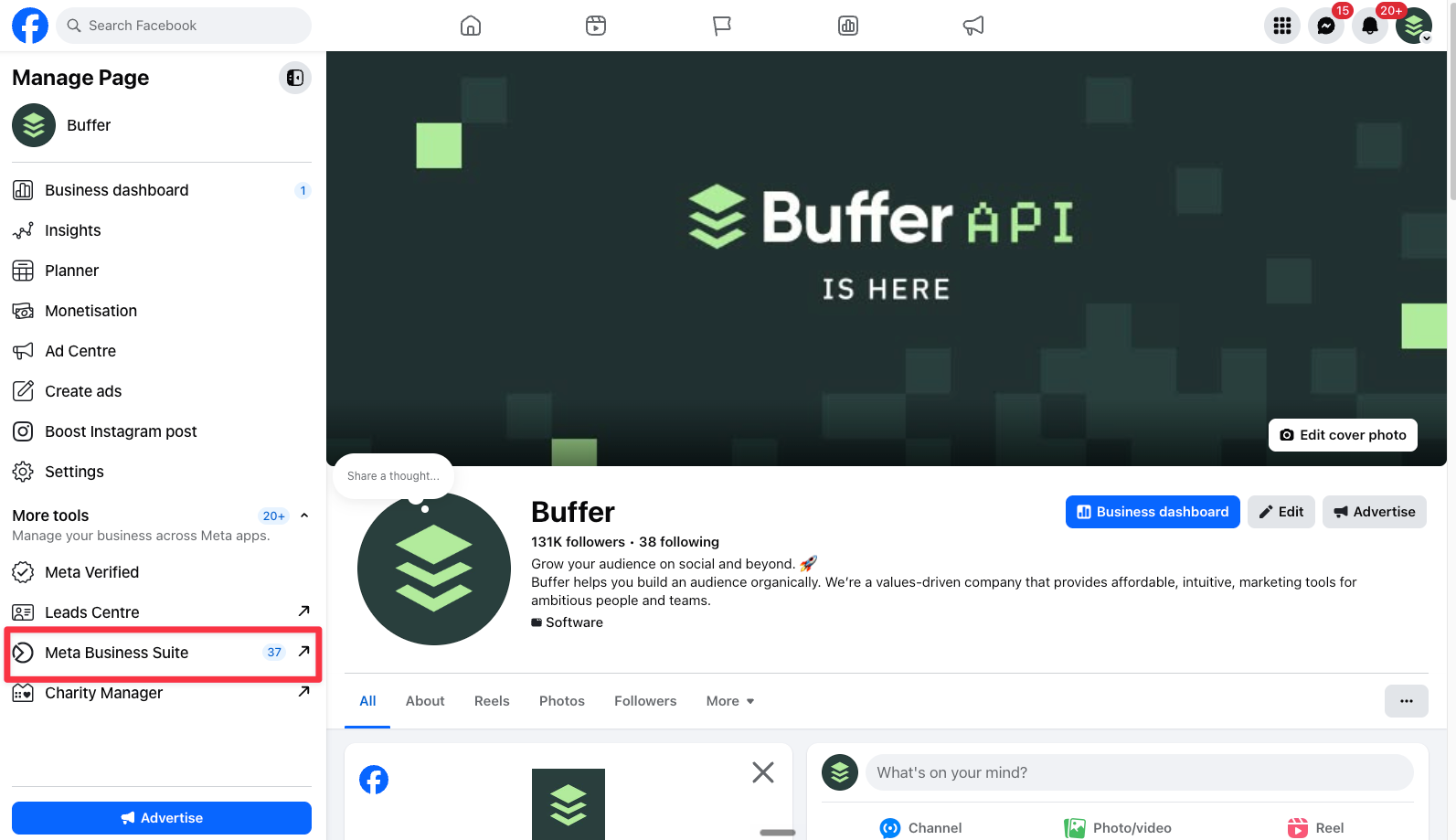
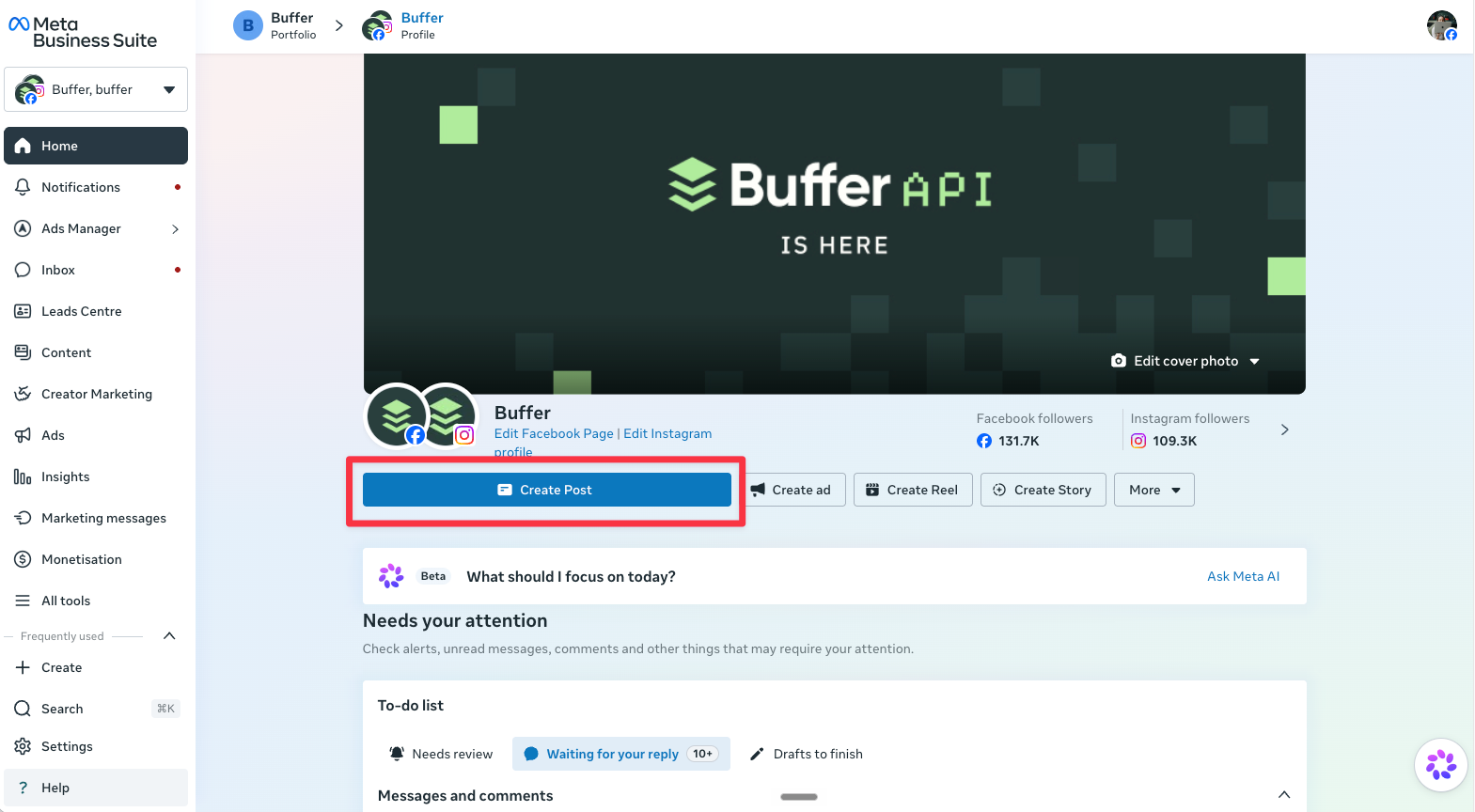
Meta Business Suite remains the most comprehensive free tool for managing Pages. By navigating to the "Planner" section, users can visualize their content across a weekly or monthly calendar. This interface provides a high-level view of upcoming posts, allowing for quick adjustments to timing or content. Meta Business Suite is particularly effective for cross-platform workflows, enabling the simultaneous scheduling of content to both Facebook and Instagram.
Leveraging Third-Party Solutions
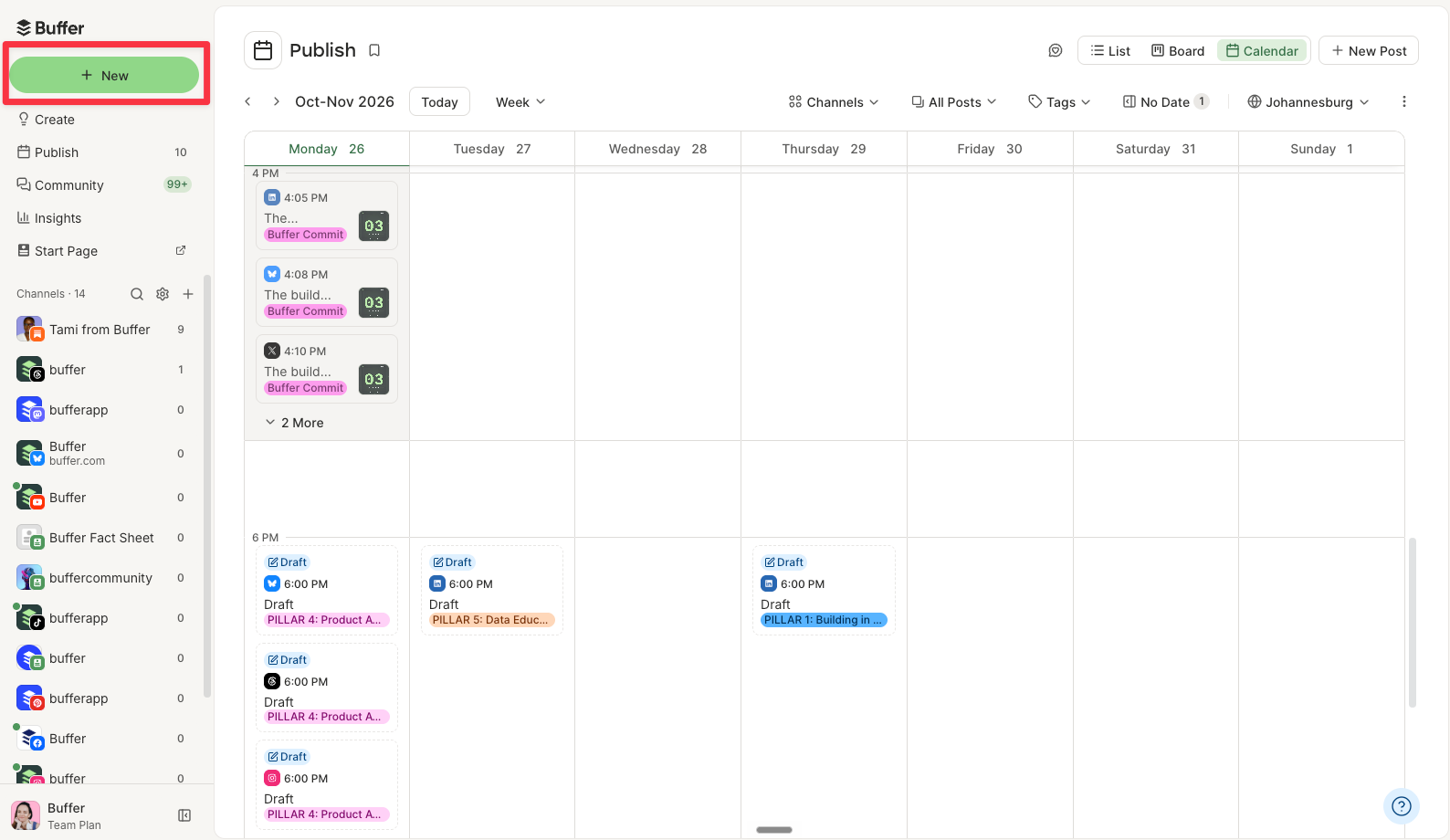
For organizations managing multiple social channels—including X, LinkedIn, and TikTok—specialized management tools provide a centralized dashboard. These tools offer advanced features that native Facebook tools lack, such as content libraries, AI-assisted drafting, and complex team approval workflows. While the setup process requires initial API integration, the long-term benefit lies in the ability to repurpose content across different platforms with customized copy for each, thereby maximizing the return on investment for every creative asset produced.
Data-Driven Scheduling: Timing and Reach
The "best time to post" remains a subject of intense debate, though industry-wide aggregated data provides a starting point. An analysis of over 14 million posts suggests that Thursday mornings, specifically around 9:00 a.m., often yield the highest median engagement.
However, experts caution that universal benchmarks should never supersede audience-specific data. The most effective strategy involves utilizing the "Insights" dashboard within Meta or third-party analytics tools to identify when a specific audience is most active. For administrators managing global communities, this often requires a split-scheduling strategy—planning posts to coincide with the waking hours of multiple time zones simultaneously.
The Strategic Value of Batching Content
Beyond the technical ability to schedule, the primary benefit of this practice is the opportunity for content batching. By dedicating specific blocks of time—such as a single morning each week—to the creation and scheduling of all upcoming posts, managers avoid the "multitasking tax." Scientific research into cognitive load indicates that switching between task-oriented work and creative social media management reduces accuracy and increases mental fatigue.
Batching content allows for:
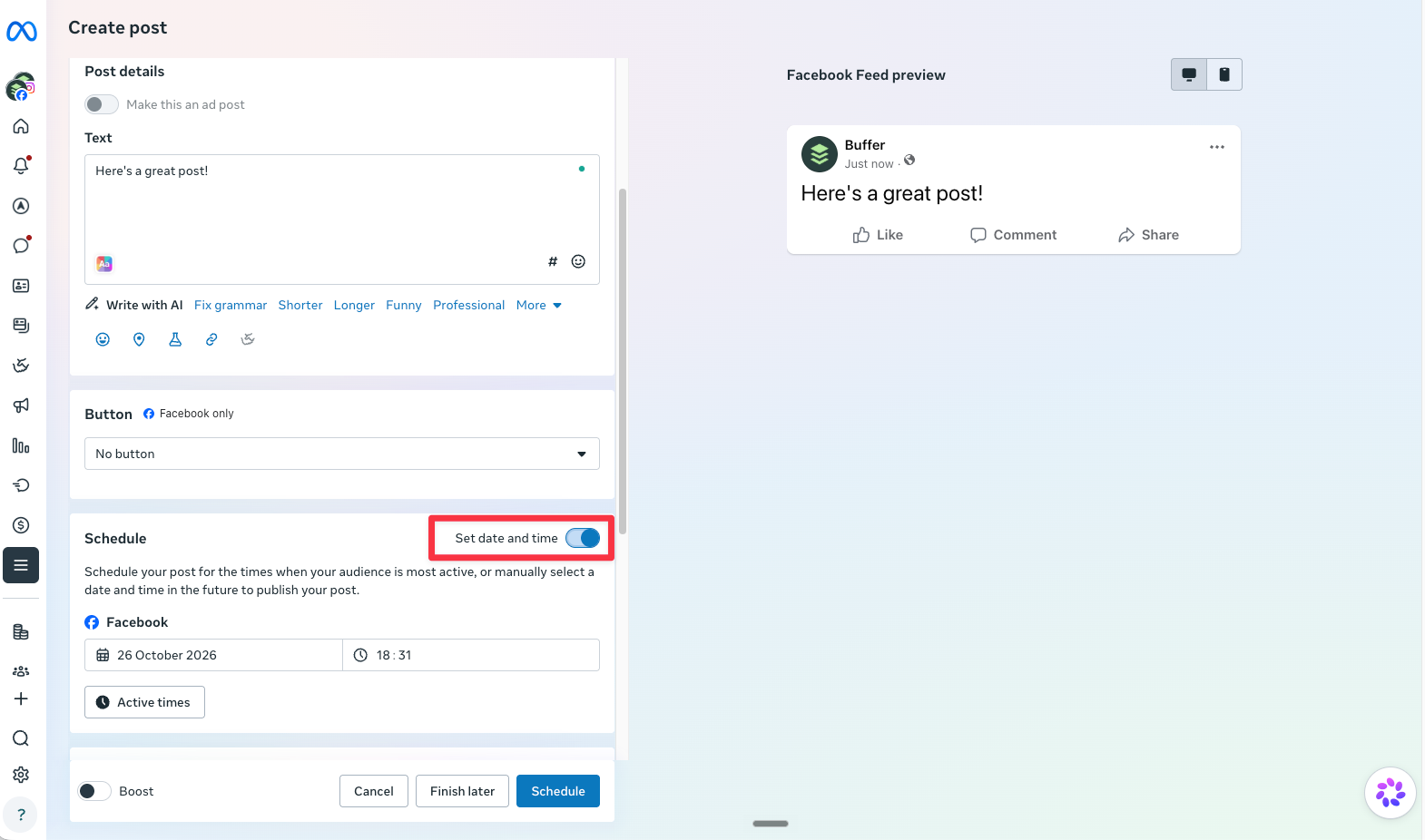
- Increased Quality Control: Content created in a focused session is subject to better editorial review than posts drafted under the pressure of a looming deadline.
- Strategic Cohesion: A bird’s-eye view of the weekly calendar allows administrators to balance content types, ensuring a healthy mix of promotional, educational, and community-building posts.
- Resilience to Interruptions: As demonstrated by managers who have successfully maintained active communities during personal leave or unexpected absences, scheduled content ensures that audience engagement does not plummet during times of limited availability.
Troubleshooting and Best Practices
Interface updates on Facebook can occasionally obscure scheduling buttons. If the "Schedule" option is missing, it is generally due to one of three factors:
- Permissions: The user may lack the necessary admin or moderator roles on a Page or Group.
- Account Status: The profile may not be in professional mode, or the user is attempting to schedule on a standard profile.
- Platform Limitations: Certain post types, such as polls or complex carousels, may not be supported by third-party APIs.
Administrators are encouraged to audit their access levels regularly. If an error persists, verifying the account type and checking for recent updates to the Meta Business Suite documentation is the recommended course of action.
Broader Implications for Digital Community Building
The adoption of automated scheduling does not imply a move toward robotic, impersonal engagement. Rather, it creates the time and mental bandwidth required for genuine interaction. By offloading the logistical burden of publishing, managers are free to focus on the qualitative aspects of community management: responding to comments, fostering discussions, and analyzing the sentiment behind audience feedback.
Ultimately, the goal of scheduling is to move beyond the "spaghetti at the wall" approach. By treating content as a deliberate, planned, and measurable asset, administrators can foster more sustainable growth. In an era where digital attention is the primary currency, the ability to show up consistently and predictably is perhaps the most significant competitive advantage an organization can cultivate. The transition from manual, sporadic posting to a sophisticated, scheduled workflow is not merely a matter of convenience; it is a critical evolution in how digital presence is maintained and optimized for long-term success.