The Ultimate Guide to Choosing the Best Link-In-Bio Tools for Social Media Marketing in 2026

Social media marketers and digital creators have long contended with the inherent limitations of platform restrictions, particularly the age-old dilemma of the single clickable URL permitted in profile bios. Across major platforms like Instagram and TikTok, character count limitations and restricted hyperlink capabilities in post captions have historically created friction in converting social media engagement into direct website traffic. To bridge this gap, the digital marketing ecosystem has witnessed the rapid evolution of link-in-bio tools. These dynamic landing page solutions centralize multiple destination URLs, allowing a single profile link to serve as a versatile gateway to web pages, product catalogs, content hubs, and booking portals.
As digital marketing strategies shift increasingly toward performance-driven metrics, understanding the landscape of link-in-bio technology has become essential for brands seeking to maximize their social media return on investment (ROI). Below is a comprehensive analysis of the top eight link-in-bio tools available on the market, evaluated by their features, target audiences, and integration capabilities.
The Evolution and Strategic Importance of Link-In-Bio Solutions
The genesis of the link-in-bio category emerged out of necessity. In the early days of Instagram marketing, brands were forced to manually update their sole bio URL every time a new product or article was promoted, rendering past posts dead ends for interested consumers. The introduction of third-party landing page aggregators solved this by creating a centralized directory.
However, as digital marketing matured, so did the technology. Modern link-in-bio tools have evolved from simple static lists of text links into sophisticated mini-websites, conversion funnels, and data analytics dashboards. Industry studies indicate that optimizing bio link strategies can yield double-digit percentage increases in daily profile engagement, transforming passive scrollers into active web visitors and, ultimately, paying customers.
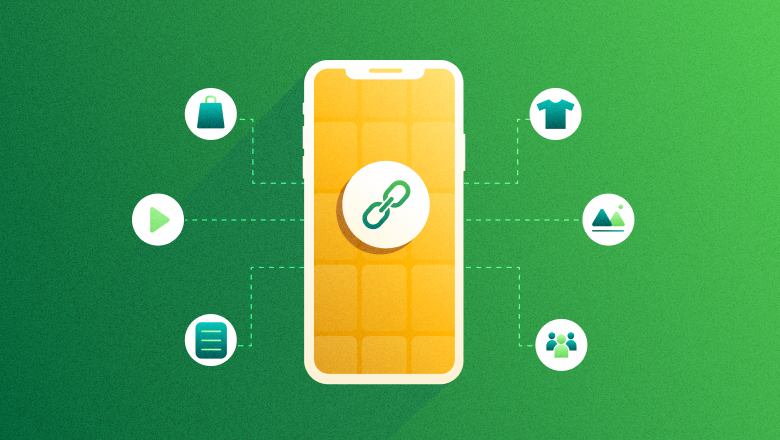
When evaluating these tools, organizations must weigh several critical factors: workflow integration, audience monetization capabilities, design flexibility, and real-time tracking metrics.
1. Sprout Social (SproutLink)
Best for: Social media teams that require link-in-bio features embedded directly into an enterprise-grade publishing workflow.
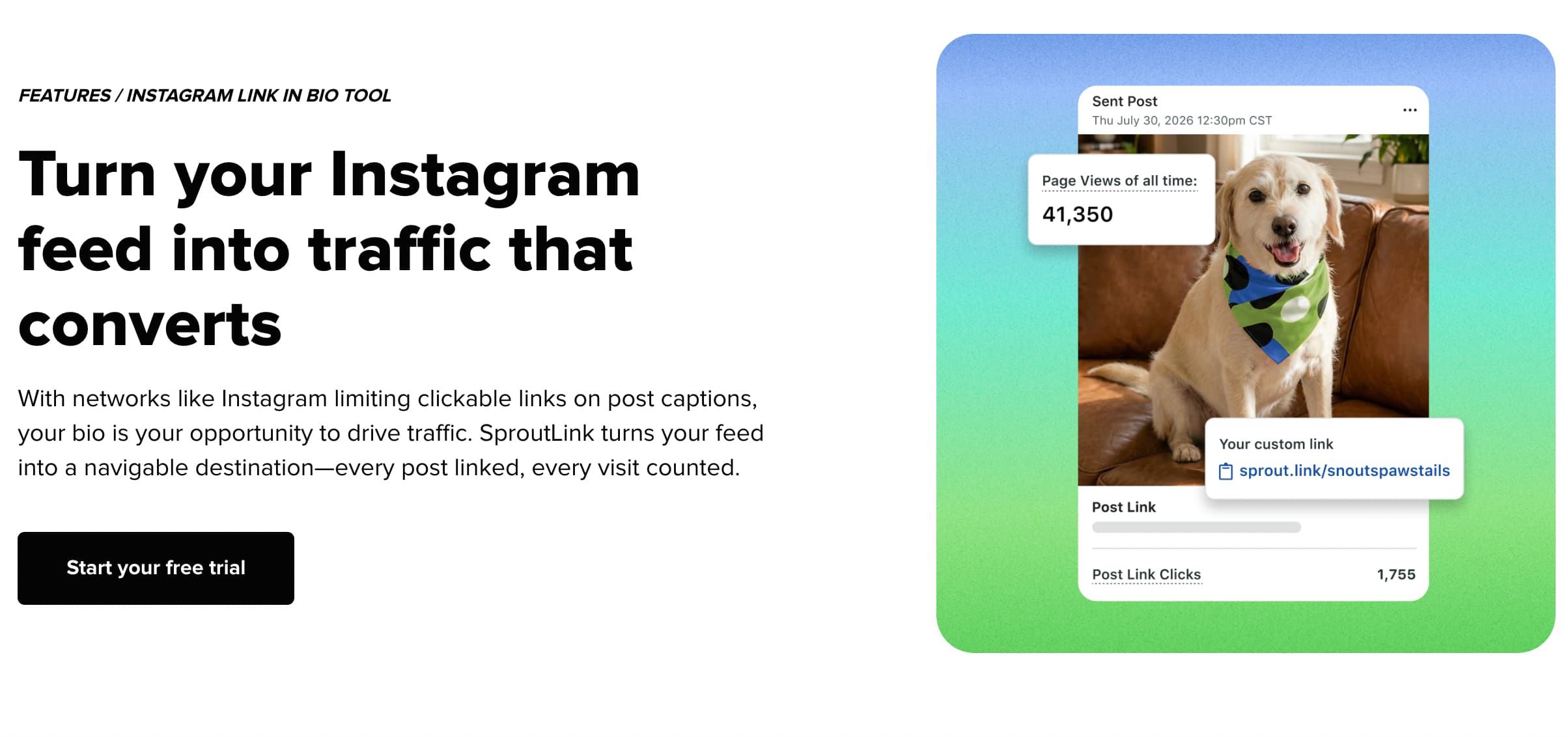
SproutLink, integrated within the broader Sprout Social ecosystem, offers a streamlined approach by baking link-in-bio functionality directly into the content scheduling process. Rather than relying on a separate, standalone application, users can assign destination URLs to posts at the exact moment of creation and scheduling.
The tool generates a custom landing page featuring a clickable, shoppable visual grid that mirrors the brand’s Instagram feed. This creates a seamless user experience, allowing audiences to easily locate the specific content that prompted them to click. Furthermore, Sprout’s internal data highlights that utilizing an integrated tool of this nature can drive an average 17% daily lift in profile engagement.
Key Advantages:
- Eliminates the administrative friction of managing a separate link management application.
- Automatically updates the custom landing page upon publishing scheduled social posts.
- Supports multi-profile management, granting distinct landing pages for each connected brand account.
2. Linktree
Best for: Solopreneurs and individual creators seeking a rapid, no-frills setup process.
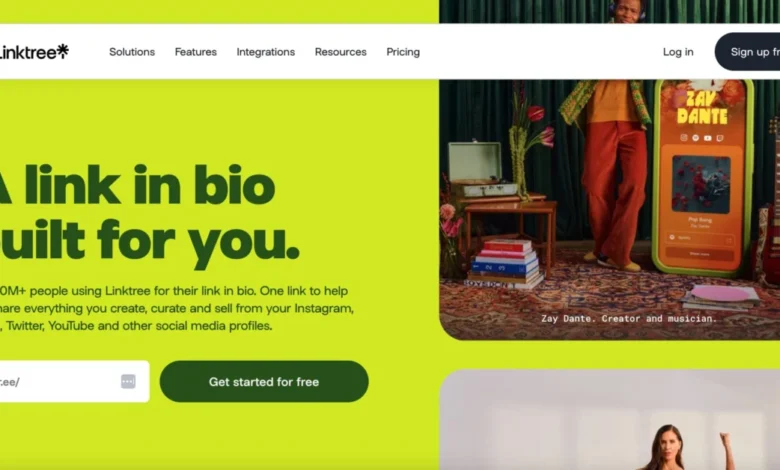
Widely recognized as the pioneer of the category, Linktree remains a dominant force for users requiring a straightforward, pre-built landing page. The platform connects content across disparate social networks and extends its utility into the physical world through QR code generation, which can direct offline print or event traffic straight to the digital hub.
While the free tier provides unlimited basic links and rudimentary analytics, advanced data tracking and deep aesthetic customization are reserved for paid subscription tiers.
Key Advantages:
- Extremely fast implementation with minimal technical learning curve.
- Cross-platform compatibility extending beyond Instagram.
- Built-in QR code functionality for offline-to-online marketing campaigns.
3. Beacons
Best for: Creators focused on robust monetization and e-commerce integration.
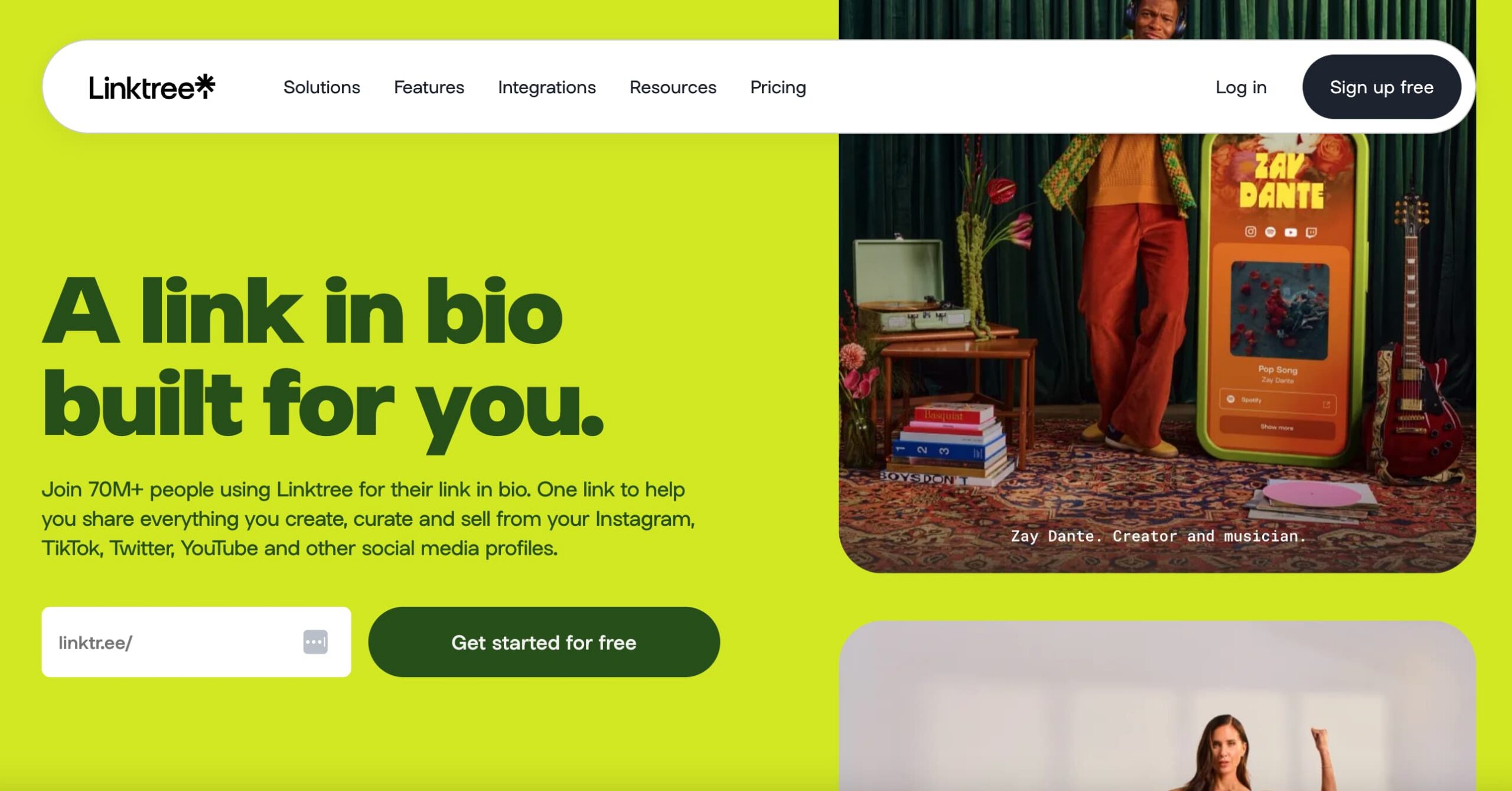
Beacons transcends the traditional definition of a link-in-bio tool, functioning instead as a comprehensive creator-commerce suite. Alongside standard URL management, the platform empowers users to construct unified business ecosystems complete with embedded media players, digital product storefronts, mailing list signup forms, and portfolio displays.
While basic features are accessible via a free plan, unlocking custom domains and advanced behavioral marketing suites necessitates upgrading to paid tiers.
Key Advantages:
- Functions as an all-in-one digital storefront rather than a simple link repository.
- Robust suite for capturing email subscriber data and selling digital assets.
4. Milkshake
Best for: Beginners seeking a mobile-first, highly visual website builder experience.
Milkshake approaches the link-in-bio category through the lens of a micro-website builder. Users assemble custom mobile-native pages utilizing modular "Cards," which mimic the user experience of a mobile application rather than a traditional scrolling list of text links.
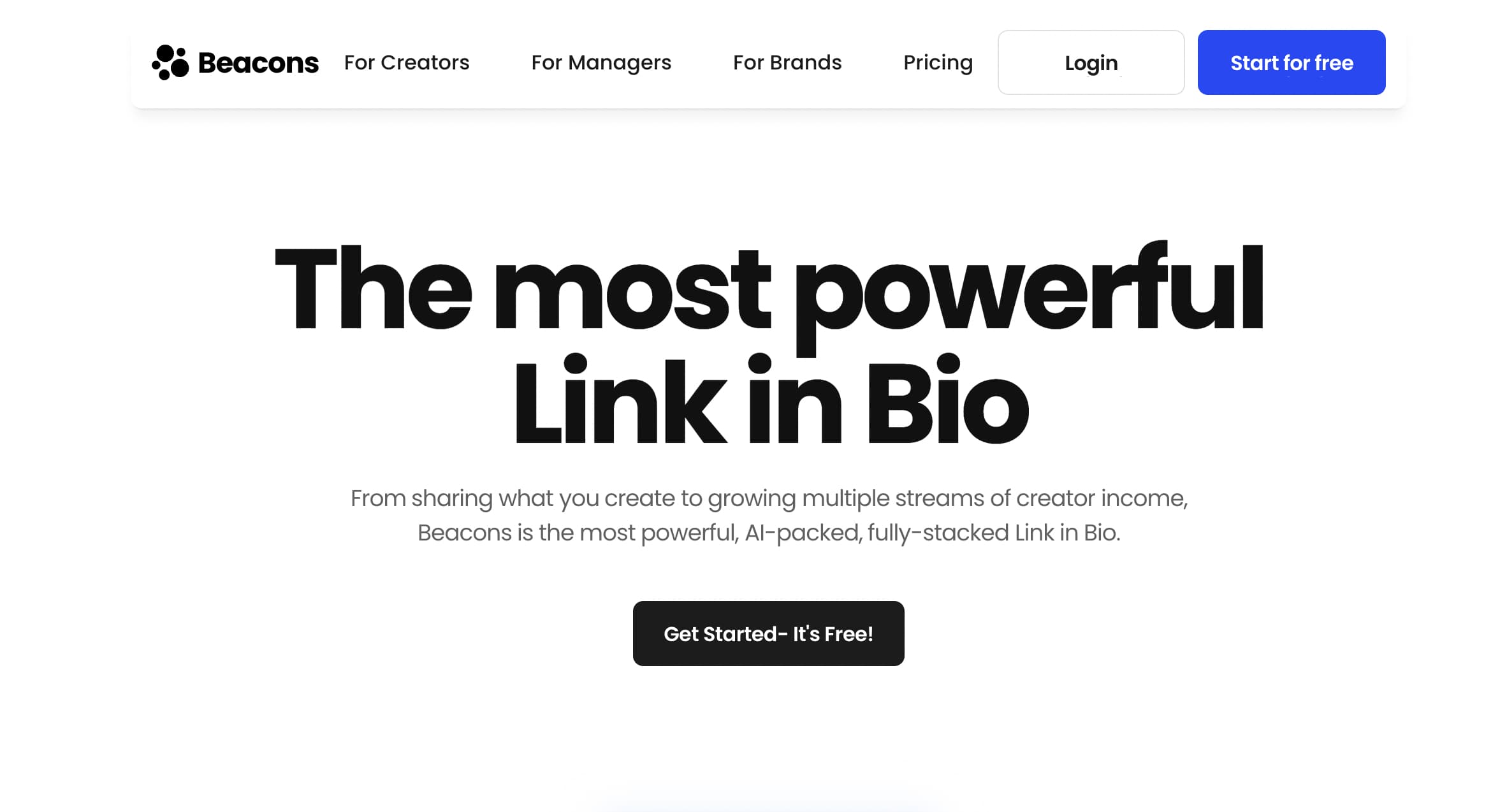
The template-driven architecture is engineered specifically for smartphone creation, making it an attractive option for novices who need to deploy a polished, visually appealing page rapidly. Analytics data on the free tier is capped at a rolling 30-day window.
Key Advantages:
- Native mobile application allowing for on-the-go edits and creation.
- Modern, app-like card layout structure that enhances user retention on mobile devices.
5. Shorby
Best for: Performance marketers requiring advanced traffic tracking and attribution controls.
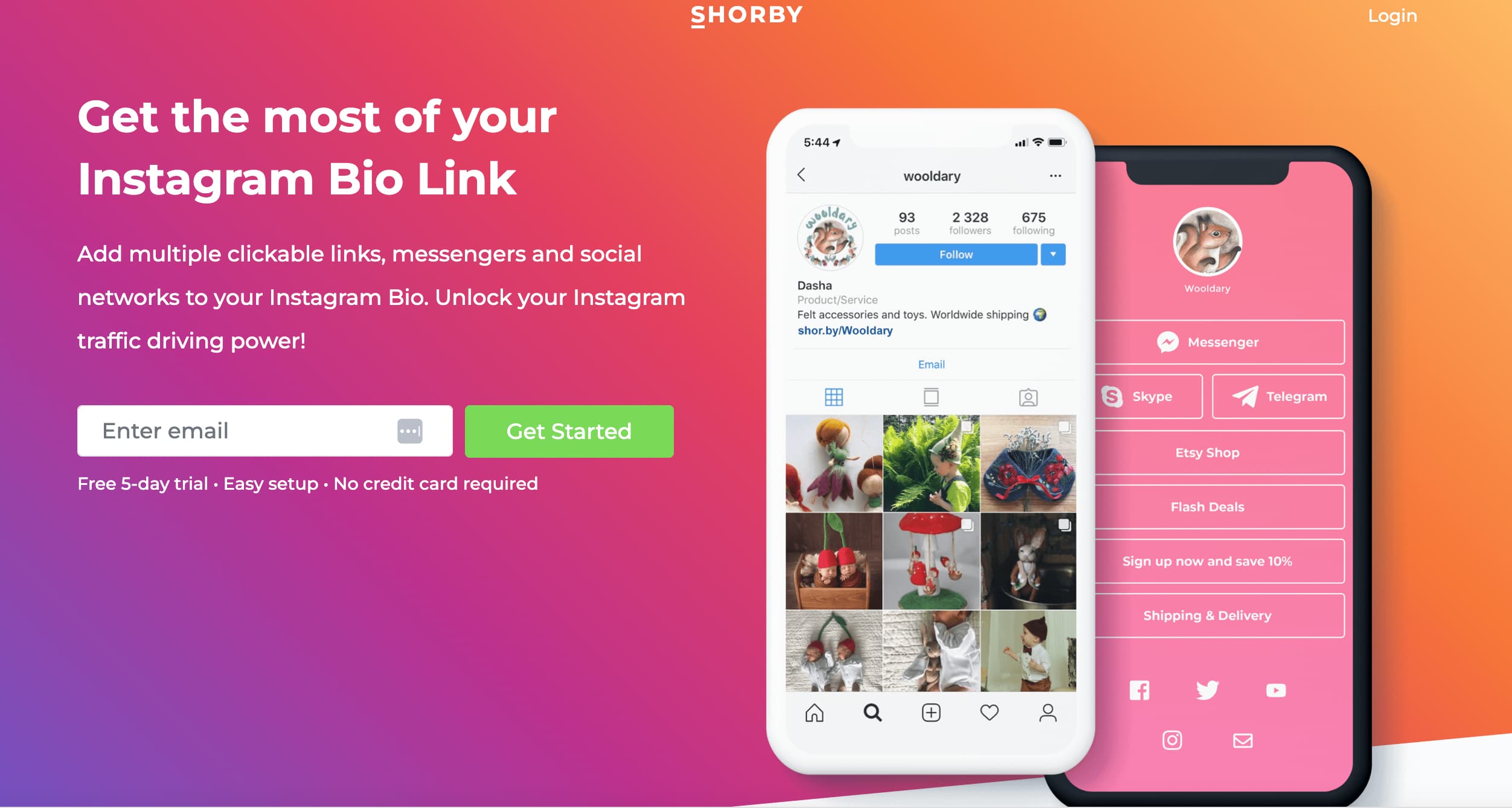
For marketing teams running paid social campaigns or high-stakes attribution models, Shorby stands out by prioritizing real-time link analytics and data transparency. The platform automatically logs every click originating from the personalized bio URL as it occurs.
Crucially, Shorby integrates directly with tracking pixels, empowering brands to retarget custom audiences with tailored advertisements based on their bio-link interactions. This makes it an indispensable asset for conversion-focused campaigns.
Key Advantages:
- Real-time click tracking and granular analytics reporting.
- Native pixel integration for sophisticated retargeting advertising campaigns.
6. Carrd
Best for: Brands and designers desiring absolute layout freedom beyond rigid templates.
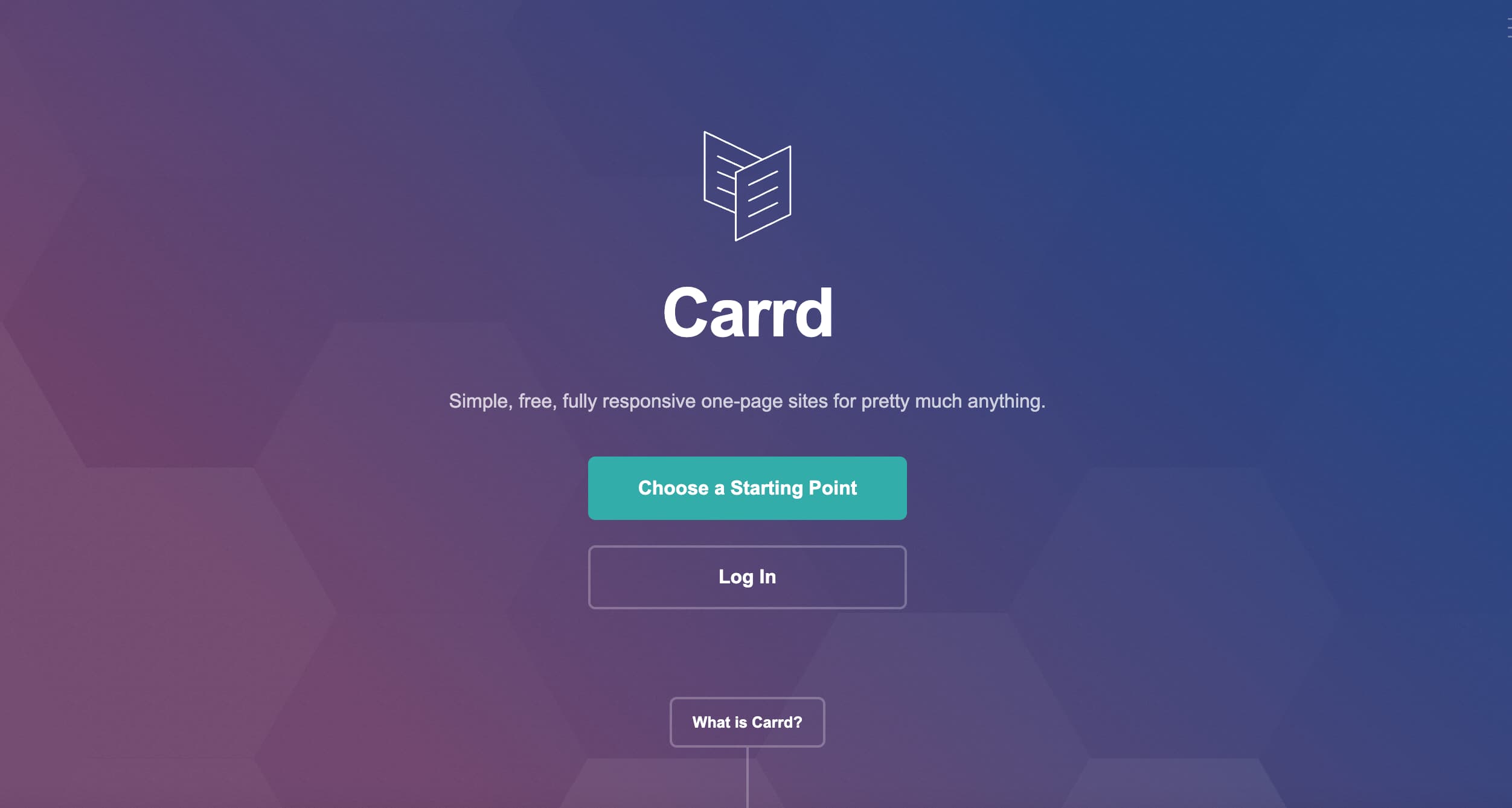
Carrd bridges the gap between a link-in-bio tool and a professional one-page website builder. Rather than forcing users into a standardized template, Carrd offers extensive design control, allowing creators to build responsive landing pages entirely from scratch or via heavily customizable templates.
Paid tiers remove platform branding and introduce critical business features, including custom domain mapping, site analytics, form submissions, and third-party widget embeds from services such as Stripe and Typeform.
Key Advantages:
- Exceptional design flexibility and aesthetic control.
- Seamless embedding of transactional widgets like payment gateways and lead capture forms.
7. Stan Store
Best for: Digital entrepreneurs, educators, and consultants selling direct-to-consumer services.
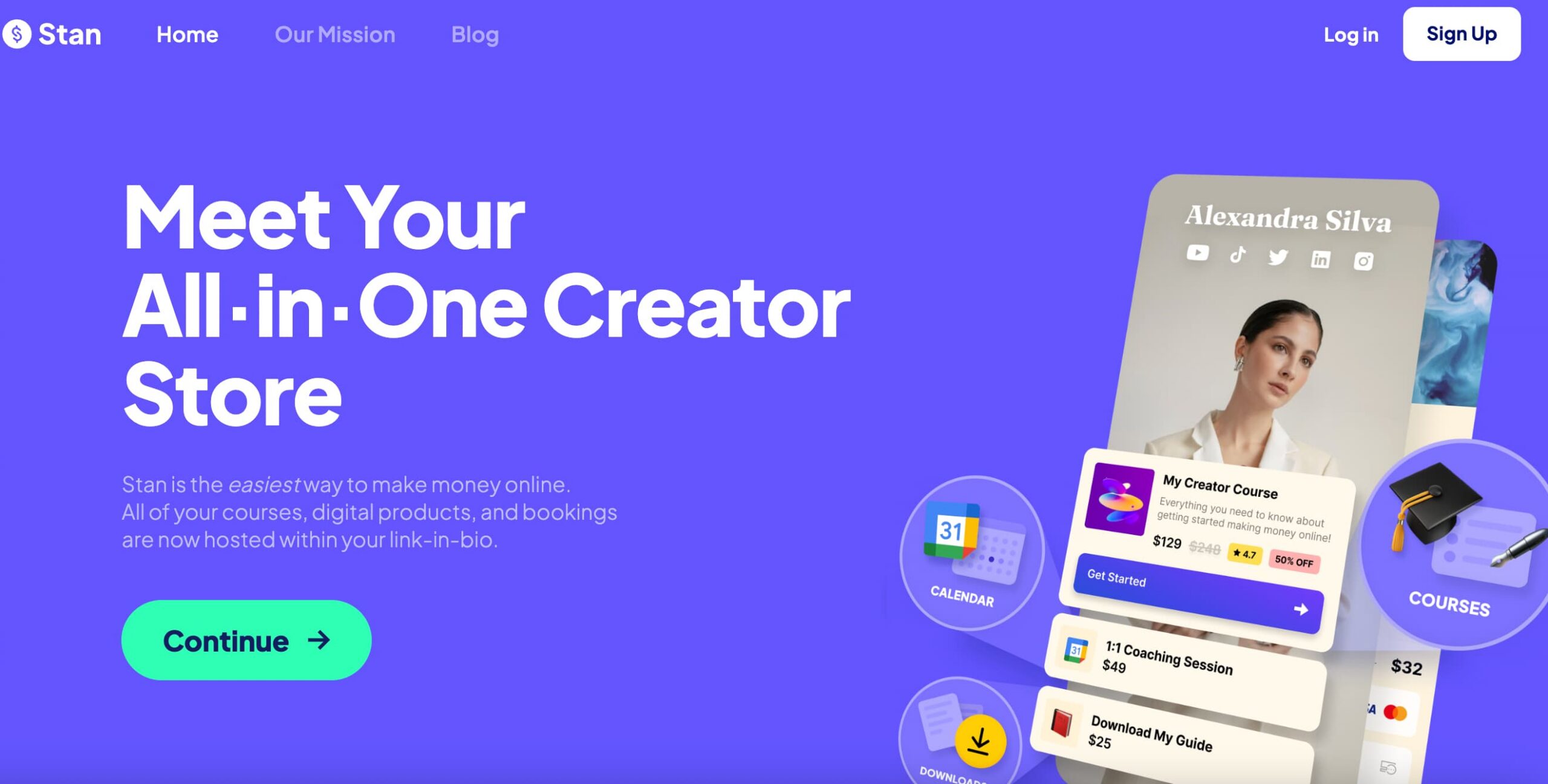
Stan Store eliminates the traditional "one link, multiple destinations" paradigm by transforming the bio link into an active storefront. Designed explicitly for knowledge-economy creators, the platform hosts digital courses, booking calendars, and consultation scheduling directly within the bio ecosystem.
By integrating a one-tap checkout mechanism, Stan Store significantly reduces friction in the consumer purchase journey, accelerating the path from initial social discovery to completed transaction and maximizing social media ROI.
Key Advantages:
- Direct hosting of digital products, masterclasses, and appointment booking calendars.
- Frictionless one-tap checkout processes optimized for mobile conversions.
8. Lnk.Bio
Best for: Users demanding a minimalist, distraction-free link list.
For organizations that require nothing more than a functional, unadorned list of URLs, Lnk.Bio delivers a straightforward solution. The platform’s free tier permits an unlimited number of basic links alongside multimedia and location map embeds.
Upgrading to a paid plan introduces an Instagram-style visual grid layout, password-protected hyperlinks, advanced analytics reports, and UTM tracking parameter presets.
Key Advantages:
- Clean, uncluttered interface focused purely on link directory hosting.
- Unlimited links permitted even on entry-level plans.
Strategic Framework: How to Choose the Right Tool
Selecting the optimal link-in-bio solution requires organizations to conduct an internal audit across three core pillars: strategic objectives, user administration, and budget constraints.
1. Defining the Core Objective
Brands must align their tool selection with their primary key performance indicators (KPIs). Enterprises focused on lead generation and campaign tracking will find performance-oriented platforms like Shorby or SproutLink most advantageous. Conversely, independent creators whose primary goal is direct monetization and product sales will realize higher returns from commerce-centric suites like Stan Store or Beacons.
2. Evaluating Administrative Structure
The scale of the social media team dictates the necessary administrative infrastructure. Solo creators operating a single profile have vastly different requirements compared to multi-client marketing agencies or enterprise brands managing dozens of regional handles. Multi-account access, role-based permissions, and workflow integration capabilities—such as SproutLink’s ability to assign unique landing pages to multiple connected brand profiles—must be factored into the decision-making process.
3. Balancing Budget and Operational Efficiency
While free tiers offer an accessible entry point, they frequently introduce hidden operational costs. Manually updating a standalone link tree every time a piece of content goes live introduces administrative overhead and potential human error. Enterprise solutions that cost more upfront often deliver superior overall value by automating the publishing lifecycle and reducing the labor hours required to manage disparate software tools.
Conclusion
In the modern digital marketing landscape, a link-in-bio tool serves as the vital bridge connecting ephemeral social media engagement to tangible business conversions. Whether the objective is driving traffic to deep content, capturing leads, or executing direct e-commerce transactions, the correct infrastructure streamlines the consumer journey. By carefully analyzing organizational goals, workflow integrations, and budgetary constraints, brands can select a platform that transforms passive profile views into measurable, long-term business growth.