The Ultimate Guide to Halloween Social Media Strategy: Maximizing Reach and Discoverability Through Advanced Hashtag Optimization

As the autumn air turns crisp and seasonal consumer habits shift toward fall-themed festivities, brands face a crucial operational window to capture audience attention through digital marketing. Halloween, long established as a cultural phenomenon rather than a single-day observance, commands substantial consumer participation across the United States, where approximately 73% of the population engages in holiday-related activities. For corporate entities and small businesses alike, this period represents a high-value opportunity to deploy creative, themed content. However, contemporary social media performance demonstrates that seasonal posts succeed or fail based on discoverability and algorithmic distribution rather than superficial aesthetics.
The mechanics of social media visibility have evolved significantly. Hashtags no longer function as simple shortcuts to organic reach; instead, they serve as critical data signals for platform algorithms. These systems rely on metadata tags to categorize content accurately and distribute it to designated target audiences. To navigate this landscape successfully, marketing professionals must integrate a sophisticated, multi-tiered approach to hashtag selection, platform-specific optimization, and early seasonal deployment.
The Evolution of Algorithmic Discovery and Hashtag Utility
Historically, social media managers could append a block of generic tags to a post and anticipate broad visibility. Today, major platforms utilize complex machine learning models that analyze visual assets, audio tracks, and textual captions to determine content distribution. Hashtags act as semantic anchors that validate the platform’s understanding of a post.
According to recent industry data, 93% of consumers consider it important for brands to remain aligned with current online culture and seasonal trends. Meeting this consumer expectation requires moving beyond static, all-purpose tags. Effective strategies incorporate a balanced mix of broad industry terms, niche community tags, and branded identifiers. For instance, a generalized term like #horror must be paired with specific descriptors such as #HorrorBooks, #HorrorManga, or specialized subculture tags to capture high-intent users actively searching for targeted content.

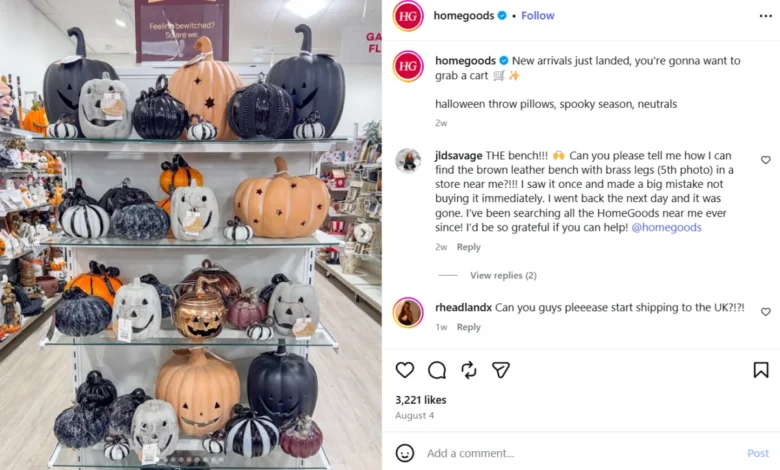
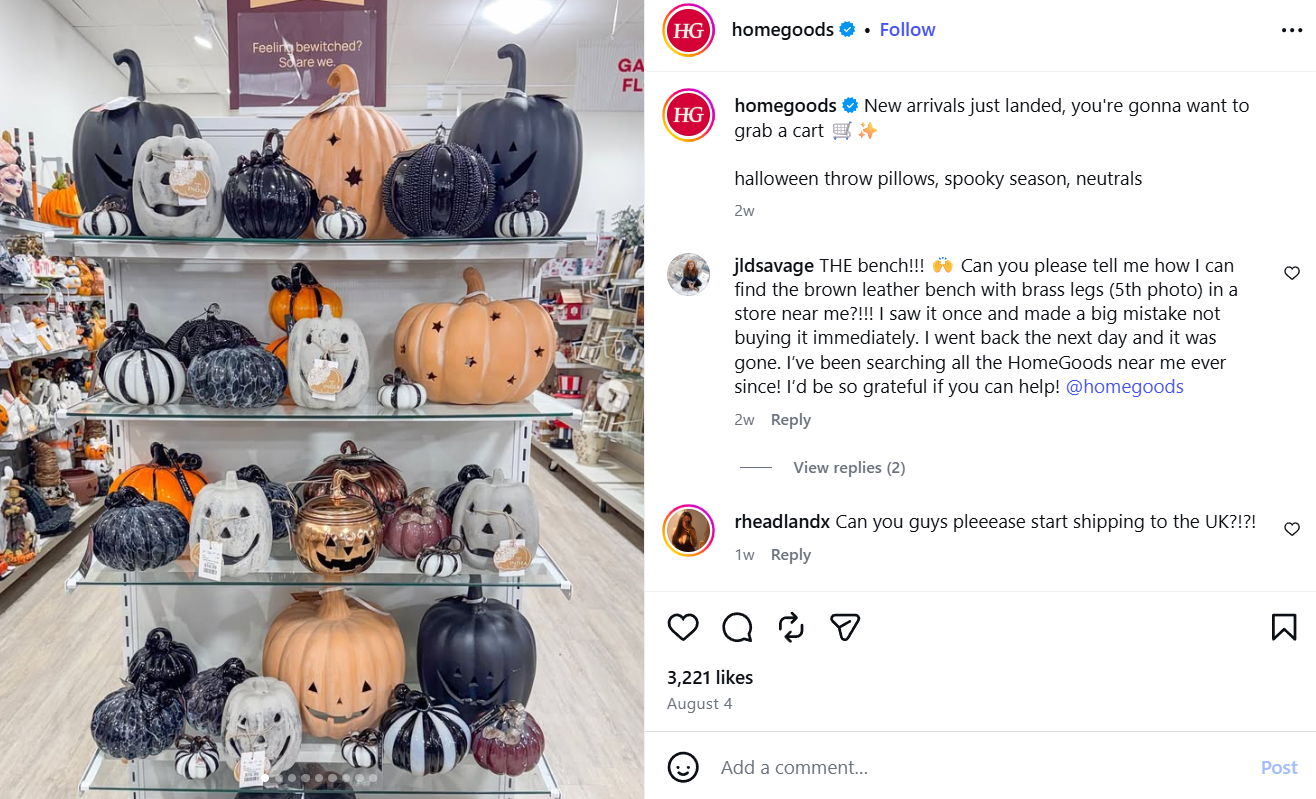
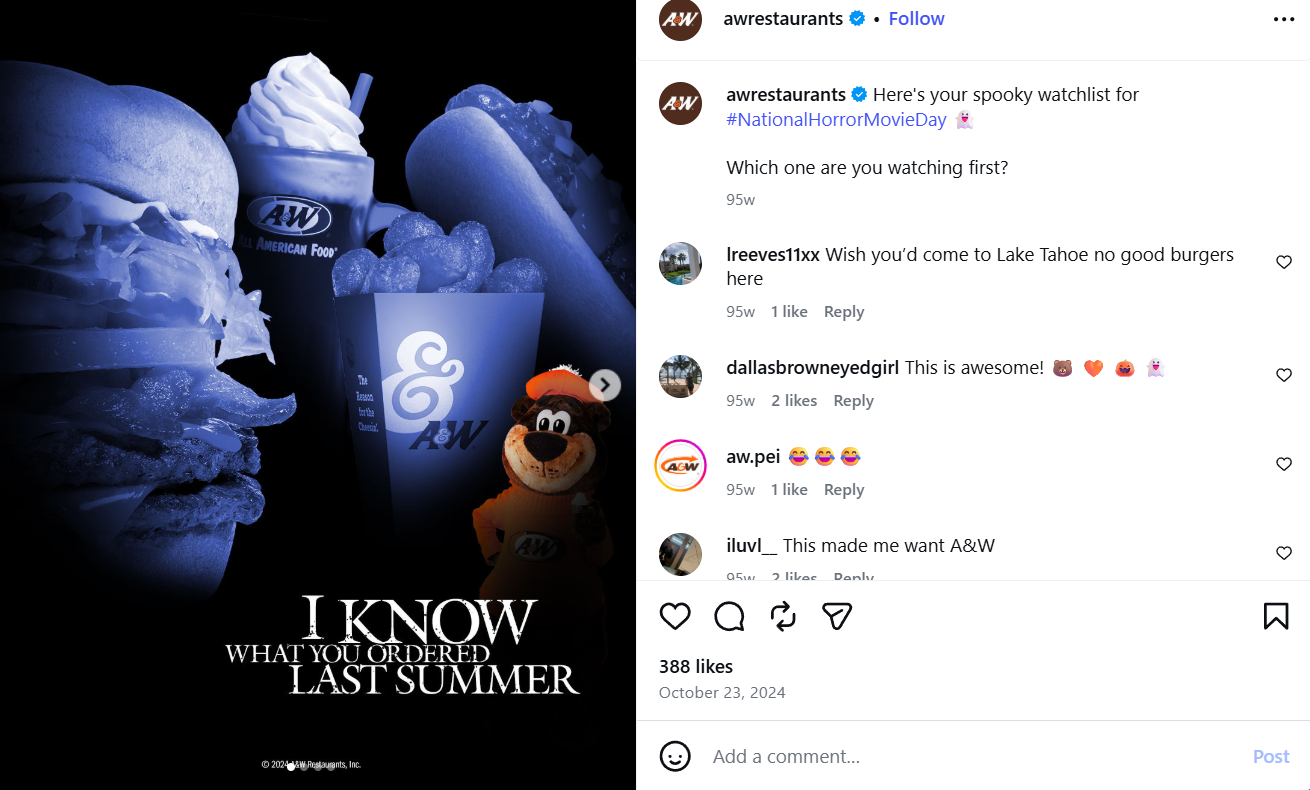
Furthermore, capitalizing on cultural moments—such as #NationalHorrorMovieDay on October 23 or emerging micro-trends—allows brands to integrate seamlessly into ongoing digital conversations. Major corporate players, including quick-service restaurant chains and home goods retailers, regularly demonstrate the efficacy of this approach by aligning promotional campaigns with cinematic spoof posters and seasonal lifestyle content.
Chronology and Early Seasonal Deployment
The timeline for Halloween marketing campaigns has shifted progressively earlier in recent years. Data from consumer surveys indicates that 44% of social media users are more likely to purchase from brands that launch their autumn and winter marketing campaigns ahead of traditional seasonal boundaries. Retail environments now introduce fall merchandise weeks before the official change in season, prompting digital audiences to seek out thematic content well in advance of October.
Brands that delay their seasonal content risk losing visibility to competitors who initiate campaigns during the initial wave of consumer interest, often referred to colloquially on social channels as "Code Orange." Establishing an early presence allows marketing teams to test various hashtag combinations, monitor real-time engagement analytics, and refine their messaging based on initial performance metrics.
Categorical Hashtag Architecture
To optimize content across diverse market sectors, marketing teams must curate hashtag banks tailored to specific product categories, lifestyle interests, and consumer demographics. A structured approach ensures that distinct audience segments receive relevant messaging.
General and Conceptual Tags
Beyond ubiquitous terms like #Halloween, brands can leverage conceptual variations that target specific aesthetic elements, supernatural themes, or traditional observances. These tags provide a foundation for broader brand messaging without getting lost in hyper-saturated feeds.
Costumes, Beauty, and Transformations
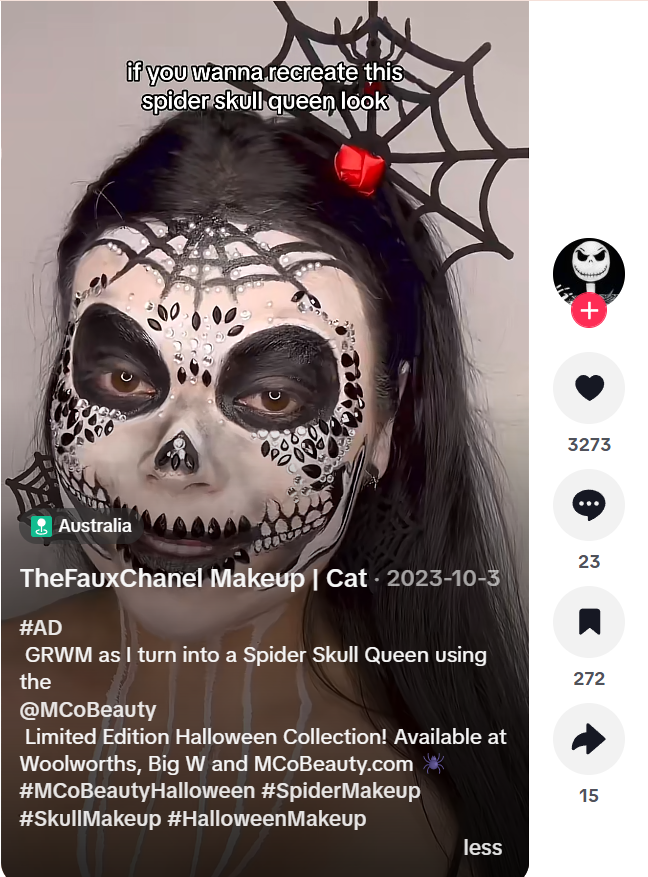
The costume and beauty sectors experience a massive surge in engagement during the autumn quarter. Creators and brands frequently utilize specific transformation tags such as #SkullMakeup or #SpiderMakeup to target users seeking detailed aesthetic tutorials. Beauty enterprises regularly partner with digital influencers to showcase product applications via short-form video platforms, utilizing niche tags to capture high-intent hobbyists.
Culinary Arts, Baking, and Seasonal Beverages
The food and beverage industry capitalizes heavily on the enduring popularity of autumn flavor profiles, most notably pumpkin spice. Brands operating in the culinary space utilize targeted tags for seasonal baking, specialty beverages, and comfort foods. This allows food manufacturers and local eateries alike to position their offerings within the broader seasonal lifestyle narrative.
Home Decor, DIY, and Interior Design
Home furnishing and DIY retailers experience significant consumer demand as households transition their living spaces for the autumn season. Hashtags focusing on interior styling, tablescapes, and budget-friendly projects enable retail brands to bridge the gap between inspiration and direct commerce, frequently utilizing direct-shop links within social bios to convert passive viewers into active buyers.
Pet and Family Engagement
As pet ownership demographics expand, family-oriented holidays increasingly incorporate household pets. Pet supply companies leverage specialized tags to promote seasonal pet costumes, treats, and family-friendly activities, capturing a highly engaged demographic of consumers who treat pets as core family members.
Platform-Specific Optimization Strategies
Algorithmic architecture varies substantially across major social media networks, requiring distinct tactical executions for optimal hashtag performance.
Meta Platforms (Instagram and Facebook)
On Instagram, algorithmic preference favors placing 3 to 5 strategic hashtags within the main caption rather than in the comments section. For Instagram Reels, these tags assist the platform in serving video content to receptive audiences. Conversely, Facebook performance relies on conservative hashtag usage—typically limiting posts to 2 to 5 tags integrated naturally into the post copy to avoid being flagged as spam.
TikTok
TikTok functions primarily as a search and discovery engine where algorithms index spoken words and visual content. Hashtags on this platform operate effectively as explicit keywords. Creators are encouraged to utilize niche community tags that align directly with spoken or visual elements within the video, allowing brands to connect authentically with established subcultures.
X (formerly Twitter)
X recommends a minimalist approach to metadata. Organic post copy should generally avoid heavy hashtag deployment; brands are advised to use no more than 1 to 2 purposeful, highly relevant tags per post, or omit them entirely in favor of monitoring trending topics and real-time conversations.
On Pinterest, textual keywords within titles and descriptions hold higher priority than traditional hashtags, though specific tags assist in search categorization. Creators should limit pin descriptions to 3 to 5 highly specific tags placed exclusively within the description field.
Emerging Trends and Quantitative Analysis
Continuous monitoring of social media discourse reveals evolving linguistic and cultural trends. Industry listening data highlights the rise of suffix-based terminology, such as #[word]maxxing, adapted for seasonal applications like #Fallmaxxing and #Autumnmaxxing. Forward-thinking brands have an opportunity to lead these emerging conversations rather than simply following established patterns.
To mitigate common pitfalls—such as over-tagging, using banned or shadowbanned tags, or misalignment with target demographics—marketing departments increasingly rely on advanced social listening tools. Platforms equipped with real-time query tracking enable organizations to monitor hundreds of thousands of social conversations simultaneously, identifying rising trends and optimal hashtag combinations before competitors saturate the space.
Ultimately, effective Halloween social media strategy extends far beyond superficial seasonal styling. By grounding digital campaigns in rigorous data analysis, strategic hashtag categorization, and platform-specific execution, brands can successfully navigate the algorithmic landscape and achieve measurable commercial returns during one of the retail year’s most active promotional cycles.