Prada Taps Disney And Bluth Veterans For A Classic Hand-Drawn Holiday Campaign

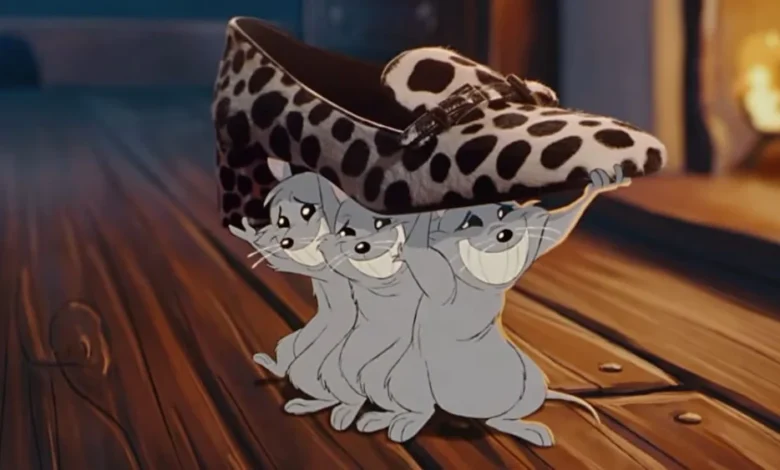
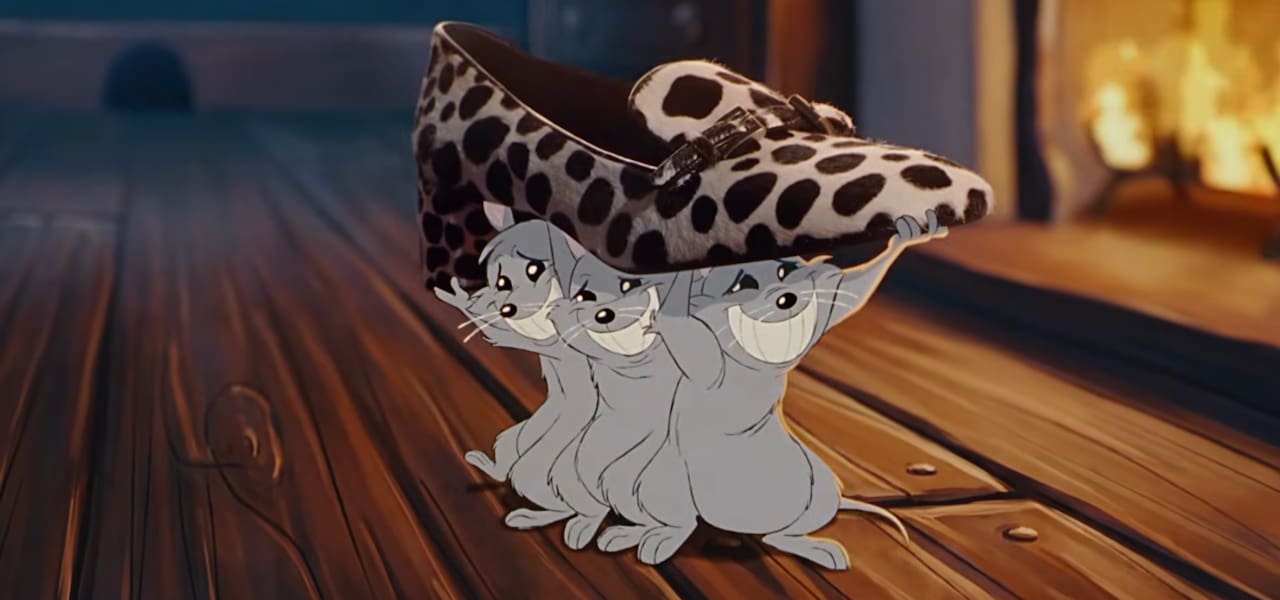
The centerpiece of this campaign is a series of short films and static advertisements directed by John Pomeroy, a titan of the animation industry whose professional journey spans over fifty years. By blending high-fashion live-action photography with 20th-century hand-drawn animation techniques, Prada has successfully positioned its 2026 holiday narrative within a dreamlike, woodland environment, signaling a departure from the stark, minimalist advertising typical of luxury houses.
The Legacy of John Pomeroy and the Traditional Craft
To understand the significance of this collaboration, one must look at the pedigree of the talent involved. John Pomeroy is not merely an animator; he is a bridge to the golden age of character animation. His career began in 1973 at Walt Disney Animation Studios, where he worked under the tutelage of Frank Thomas, one of the legendary "Nine Old Men" who defined the Disney style.
Pomeroy’s resume is a testament to the versatility of traditional 2D workflows. After his formative years at Disney, he took a significant professional risk by co-founding Don Bluth Productions alongside Don Bluth and Gary Goldman. This studio was instrumental in keeping the spirit of hand-drawn animation alive during the 1980s, producing cult classics such as The Secret of NIMH and An American Tail. Pomeroy’s later return to Disney saw him supervising the character animation for John Smith in Pocahontas, further cementing his status as a master of the form. His experience with the 1977 live-action/animation hybrid Pete’s Dragon provided the exact technical blueprint required for the current Prada project, which demands a seamless integration of human actors with illustrated fantasy elements.
Chronology of the Project
The production of Drawing Prada was a meticulous undertaking that mirrors the slow-burn process of classic feature animation. While the specific timeline of the project’s development has not been fully disclosed, industry insiders suggest that pre-production began in early 2026, coinciding with the shift in seasonal marketing strategies for global luxury brands.
- Early 2026: Creative director Ferdinando Verderi and the Prada marketing team conceptualize a campaign centered on "hand-crafted" values to align with the brand’s artisanal heritage.
- Mid-2026: John Pomeroy is recruited to lead the animation department. He begins the process of "calling the band back together," assembling a team of veteran traditional animators, including Tom Bancroft, whose expertise in character design and animation timing is world-renowned.
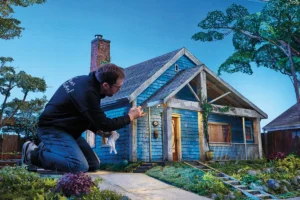
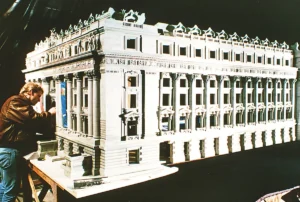
- Late Q3 2026: Glen Luchford oversees the live-action photography. A critical challenge was ensuring the lighting and perspective of the physical sets matched the planned illustrated backgrounds, a process requiring close synchronization between the live-action crew and the animators.
- October 28, 2026: The official launch of the campaign across digital and physical platforms.
Industry Context and the "Hand-Drawn" Resurgence
The decision to utilize 2D animation is part of a broader, albeit niche, trend within the advertising sector. As audiences become increasingly desensitized to AI-generated imagery and high-gloss 3D renders, brands are seeking ways to evoke a sense of authenticity and human touch.
This is not the first instance of a luxury fashion house turning to animation legends. In 2022, Givenchy collaborated with Eric Goldberg—another Disney veteran—to produce a spot featuring the characters from 101 Dalmatians. These projects serve as a strategic counter-programming move. By commissioning hand-drawn work, brands like Prada are not just selling luxury goods; they are purchasing a form of "cultural capital" that appeals to consumers’ nostalgia and appreciation for labor-intensive, human-led art.
Furthermore, these advertisements provide a vital lifeline for traditional animators. While the feature film pipeline for hand-drawn animation in Hollywood has largely evaporated, the advertising industry has become a surrogate patron of the arts. This allows masters of the craft like Pomeroy to continue practicing their skills, ensuring that the nuances of line weight, squash-and-stretch, and character appeal are not lost to history.
Technical Integration and Visual Design
The success of the Drawing Prada campaign hinges on the technical synergy between photographer Glen Luchford and the animation team. In traditional 2D animation, the environment is created from scratch, meaning the camera angle and lighting are fixed at the drawing board. Integrating this with live-action footage requires a precise understanding of optics.
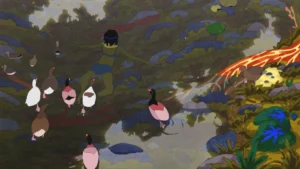
According to behind-the-scenes footage, the team employed a "pencil and paper" philosophy. Rather than utilizing digital "puppet" animation—which often lacks the fluidity of traditional work—the team committed to frame-by-frame drawing. This approach is costly and time-consuming, yet it produces a level of detail that is arguably inimitable by current algorithmic animation tools. The resulting aesthetic is one of warmth and deliberate motion, contrasting sharply with the cold precision of digital effects.

Economic and Cultural Implications
While these commercials are unlikely to trigger a renaissance of 2D hand-drawn feature films, they do have significant implications for the animation labor market and brand identity.
- Labor Market: The demand for veteran 2D animators remains stable in the commercial sector. Companies are willing to pay a premium for the prestige and visual distinction that these artists provide. This creates a sustainable, if small, ecosystem for traditional animation experts.
- Brand Perception: Luxury brands rely on the perception of "craft." By aligning their image with the painstaking, manual process of traditional animation, Prada reinforces the narrative that their clothing is also the result of meticulous, human-driven effort. The animation acts as a metaphor for the fashion itself.
- Audience Engagement: Data from previous luxury campaigns featuring animation suggests higher social media engagement rates compared to standard live-action spots. The "whimsical" nature of the content encourages sharing, particularly among younger demographics who are discovering the 2D aesthetic through its use in independent animation and anime.
Conclusion: A Future for the Past
The Prada Holiday 2026 campaign represents a convergence of high fashion and high craft. John Pomeroy and his team have demonstrated that traditional animation possesses a unique psychological impact that digital media often struggles to replicate.
As we look toward the future of advertising, it is clear that the medium of hand-drawn animation will continue to find a home in spaces where quality, artistry, and prestige are paramount. While the major Hollywood studios remain fixated on the economies of scale provided by CGI, luxury houses have identified that the most effective way to stand out in a saturated digital landscape is to embrace the slow, deliberate, and undeniably human process of drawing by hand. Whether or not this leads to a broader revival in the film industry remains to be seen, but for now, the "band" is not only back together—they are defining the visual language of the 2026 holiday season.