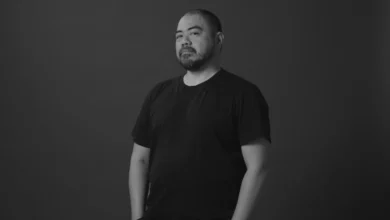
How A24 And Director Kane Parsons Turned A Viral Internet Phenomenon Into A Visual Effects Masterpiece In Backrooms

The cinematic landscape of 2026 has been thoroughly reshaped by an unlikely box-office juggernaut: A24’s psychological horror feature Backrooms. What began as a solitary, viral photograph of an empty, aggressively yellow-carpeted room in a Wisconsin furniture store has blossomed into a full-scale feature film directed by Kane Parsons. Remarkably, Parsons is executing his directorial feature debut at a remarkably young age, having spent years refining his distinctive aesthetic through a prolific, self-taught web series on YouTube.
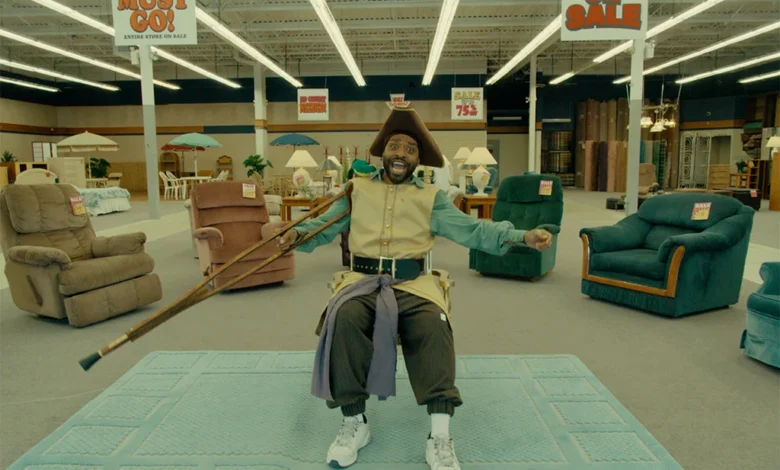
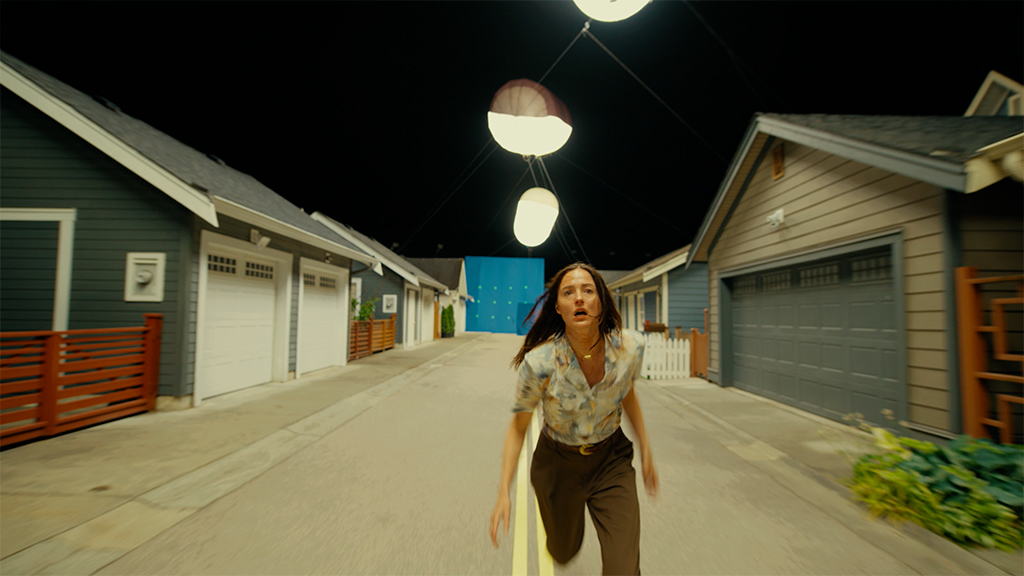
The film introduces audiences to a haunting narrative starring Chiwetel Ejiofor as Clark, a financially struggling furniture store owner who accidentally breaches a mysterious, unnatural portal hidden beneath his showroom floor. This portal plunges him into an infinite, non-Euclidean maze of oppressive rooms and endless corridors. Renate Reinsve stars opposite Ejiofor as Mary, Clark’s dedicated therapist, who embarks on a desperate and terrifying crusade to track him down.
Behind the scenes, the production of Backrooms represents a monumental achievement in modern filmmaking, bridging the gap between lo-fi digital art and high-end cinematic visual effects. Operating on a modest $10 million budget, the production managed to squeeze roughly 600 visual effects shots into a film that totals just 830 shots overall, alongside 10 minutes of fully computer-generated material. This delicate alchemy of practical sets, advanced prosthetics, and digital wizardry establishes a new benchmark for how internet lore can be adapted into prestige cinema without losing the uncanny, grassroots charm that made the original concept viral.
From Blender Foundations to Hollywood Soundstages: The Chronology of Production
The genesis of Backrooms stretches back years before A24 greenlit the feature adaptation. Kane Parsons famously began constructing his digital interpretation of the internet urban legend using the open-source 3D creation suite Blender when he was only 16 years old. These early, low-resolution digital rooms did not merely serve as conceptual mood boards; they were deeply embedded into the feature’s technical pipeline.
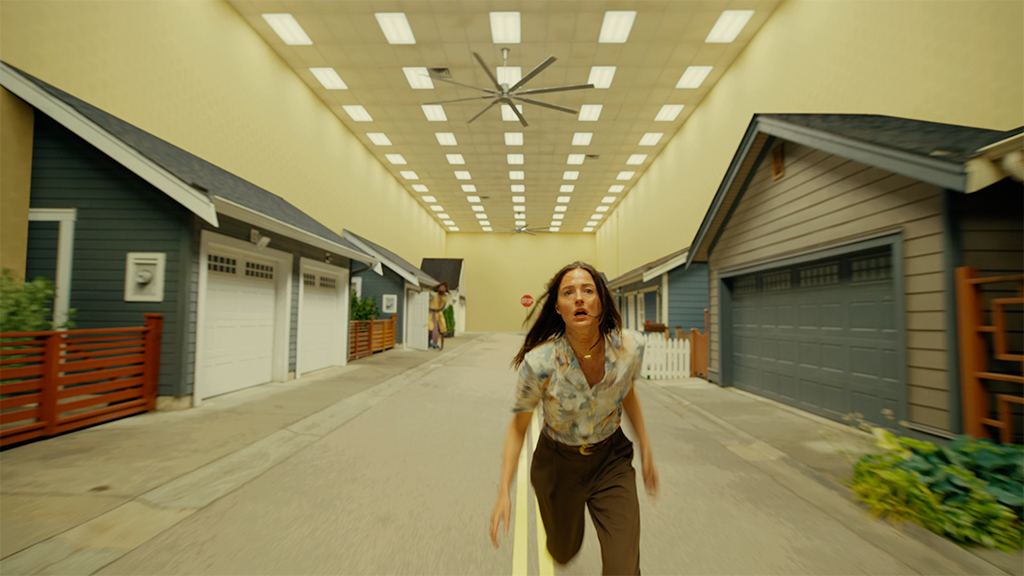
When production commenced, the team constructed approximately 30,000 square feet of physical sets across four dedicated sound stages, perfectly juxtaposed against the roughly 100,000 square feet of environments Parsons had already mapped out digitally. Visual Effects Supervisor Edward Douglas notes that the production relied heavily on a seamless handoff between physical environments and digital extensions. In certain sequences, the artists took the exact Blender files Parsons created as a teenager, up-resed them, enhanced them to meet modern theatrical standards, and integrated them directly into the production pipeline.
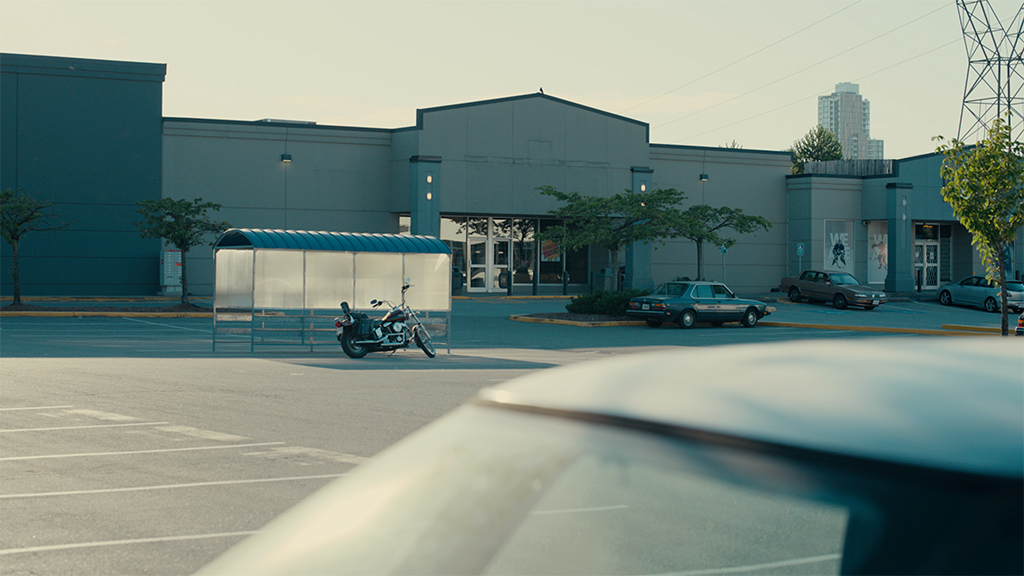
This methodology dictated that the line between physical and digital would remain purposefully blurred. Rather than relying entirely on a green-screen-heavy workflow, Parsons maintained an unyielding commitment to physical sets. Actors could physically inhabit the space, walk through constructed doors, and interact with tangible props. The visual effects team, headed by Douglas and supported by nearly a dozen external vendors, stepped in only to solve the logistical impossibilities of filming the surreal.
Mastering the Impossible: Practical Sets Meet Digital Craftsmanship
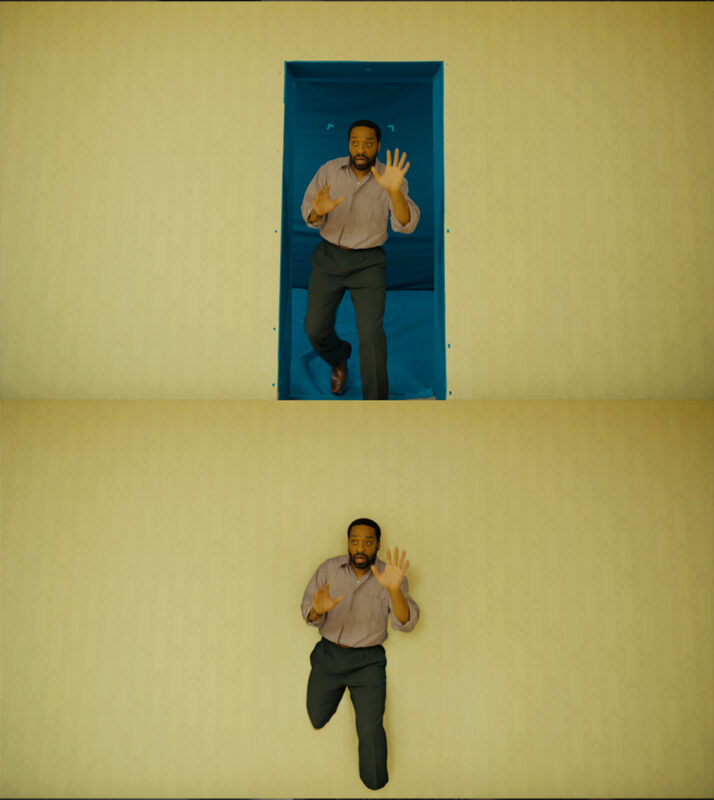
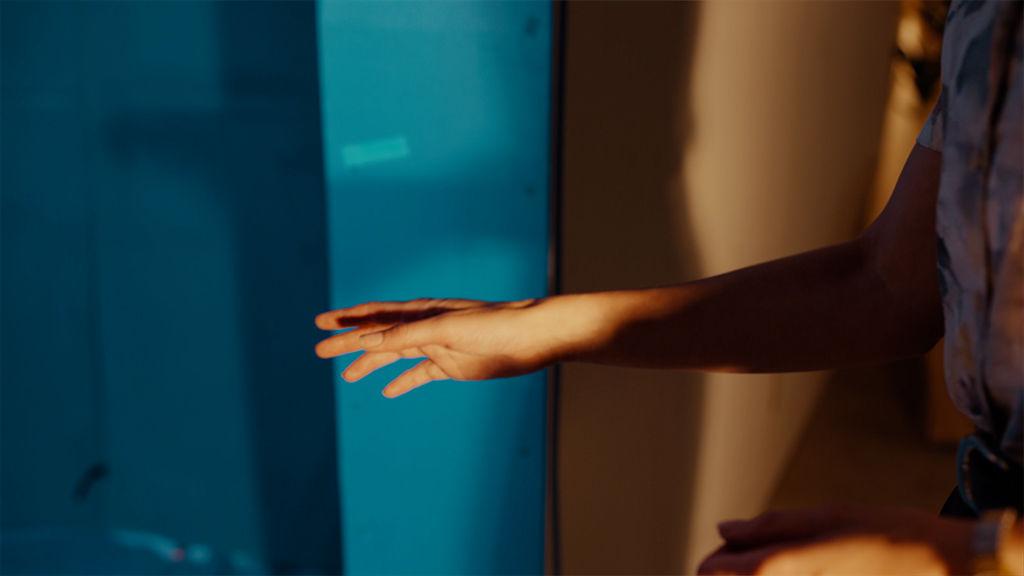
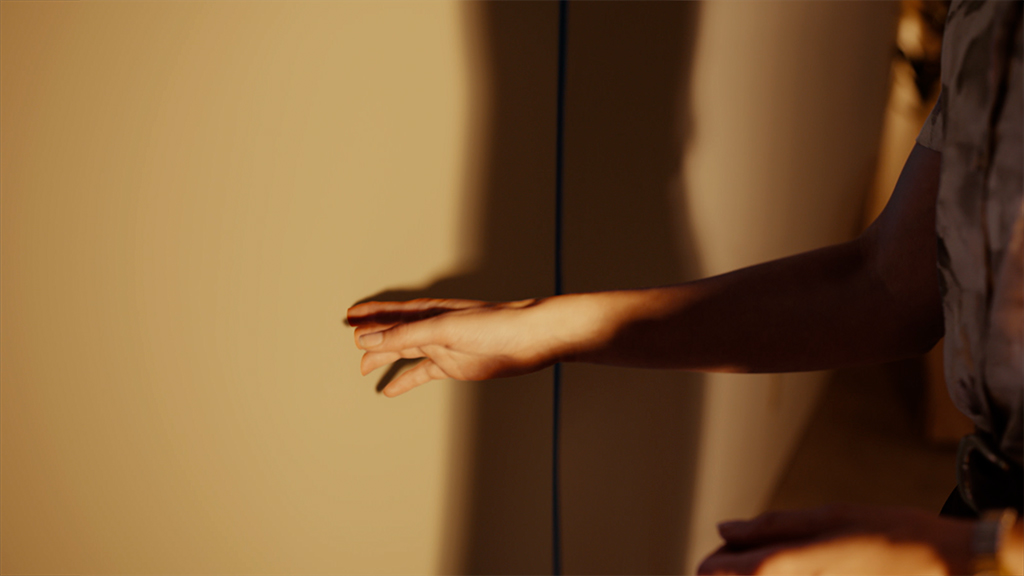
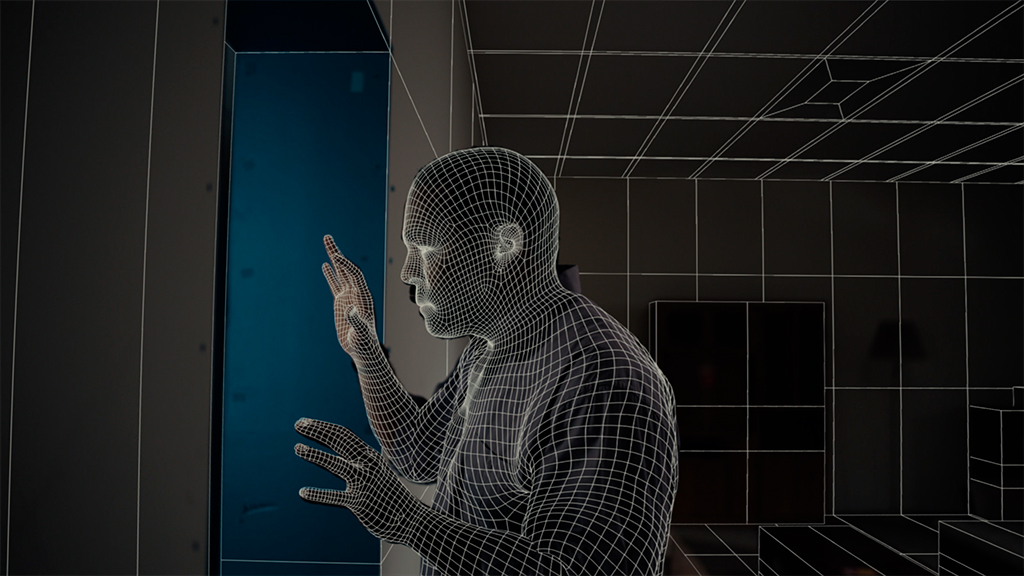
A defining visual motif of the Backrooms lore is the phenomenon of "clipping"—the glitch-like action of passing through solid walls into adjacent dimensions. In the film, bringing this concept to life required an ingenious combination of live-action performance and painstaking post-production layering.
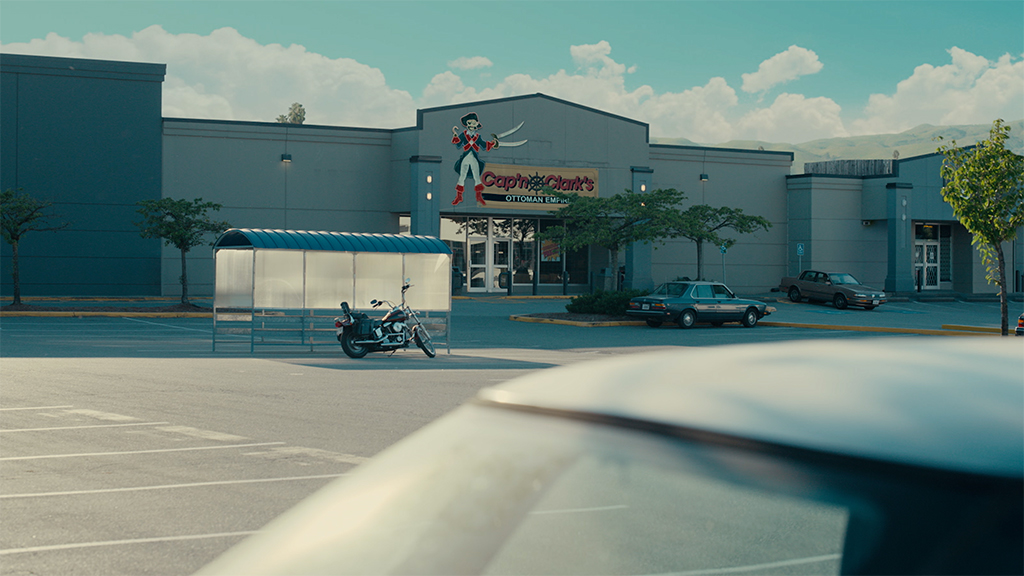
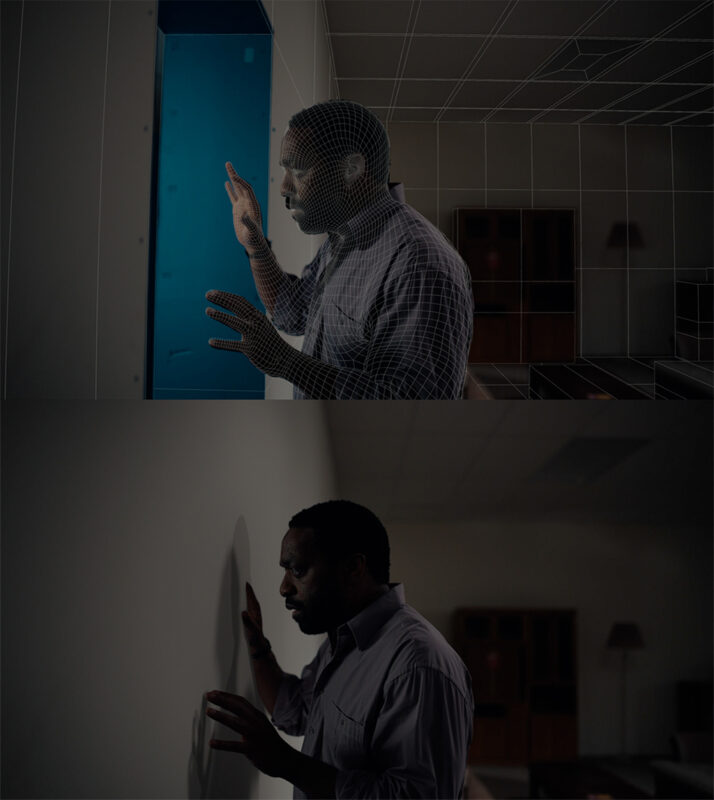
Actors would physically walk through engineered openings in the practical sets, and the visual effects team—primarily led by Mr. Wolf VFX—would digitally restore the walls around them as they passed. Douglas points out that while the concept is simple on paper, executing it digitally left nowhere to hide. The process required a meticulous blend of rotomation, geometric intersection, and hand rotoscoping. However, the ultimate illusion was sold not by the geometry of the walls, but by the precision of the shadows. Every shadow cast across the physical walls during a clipping sequence was a CG shadow projected from precise animation, anchoring the impossible physics into a believable reality.
The dedication to practical authenticity extended profoundly into the film’s creature design, overseen by Makeup Effects Supervisor Werner Pretorius and his team at Amazing Ape. Far exceeding initial expectations, the production relied heavily on practical prosthetics and makeup rather than defaulting to full computer-generated monsters.
For the creature known as the redheaded Still Life, actress Rhiannon Roberts endured a grueling three-day physical test. Wearing specialized high heels and complex prosthetic makeup featuring faces intentionally smeared and distorted from various sculptural angles—drawing direct inspiration from the works of artist Evan Penny—Roberts stood in character while peering through hidden sight holes.
Similarly, the striped-shirt Still Life relied on a 90% practical prosthetic face. To achieve the character’s unsettling multiplicity of eyes, glass prosthetic eyes were utilized for the top and bottom rows. Because these static prosthetic eyes lacked depth and movement, VFX artists stepped in to replace them with CGI duplicates, matching the focal gaze. The team then engineered a cascading, offset blinking pattern across the multiple eyes, creating a deeply disturbing psychological effect. So convincing was Pretorius’s practical makeup work that when reference plates were sent to external vendors, artists frequently asked for the "un-VFXed" originals, mistakenly believing the physical prosthetics were entirely digital creations.
Engineering Pirate Clark and Large-Scale Practical Stunts
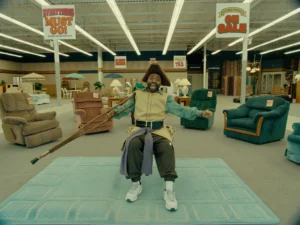
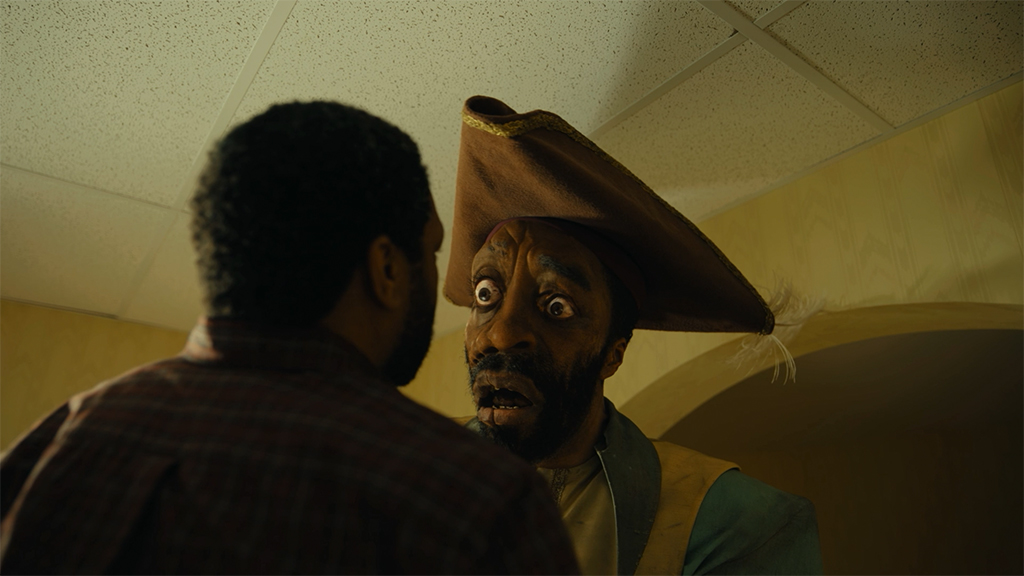
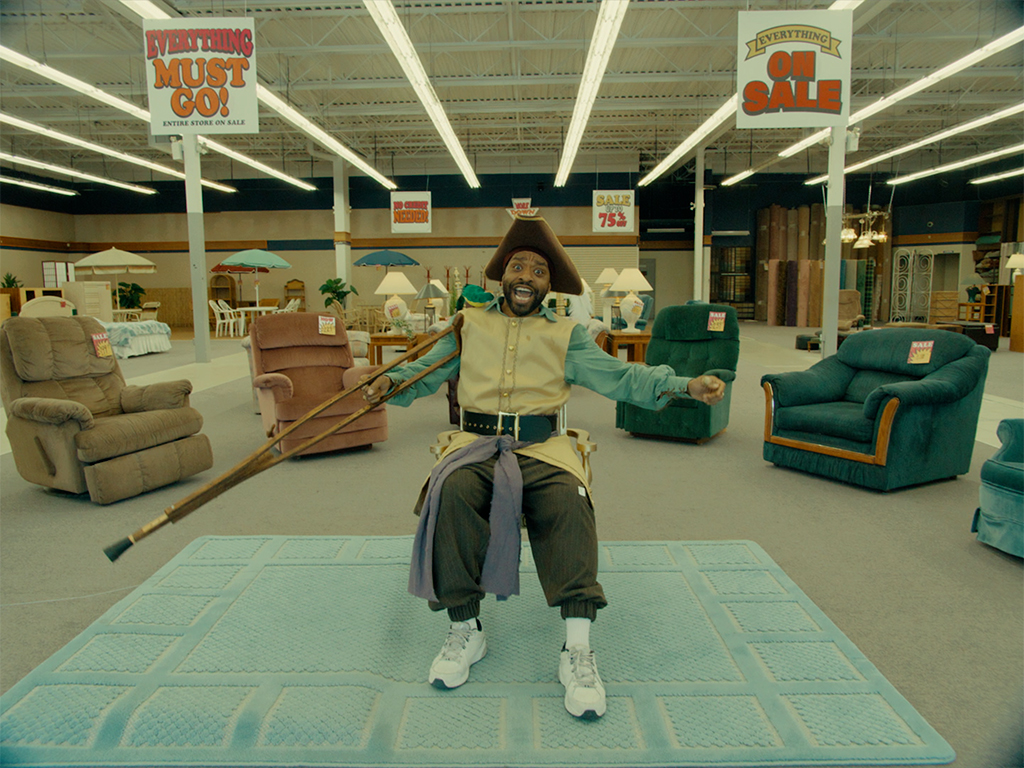
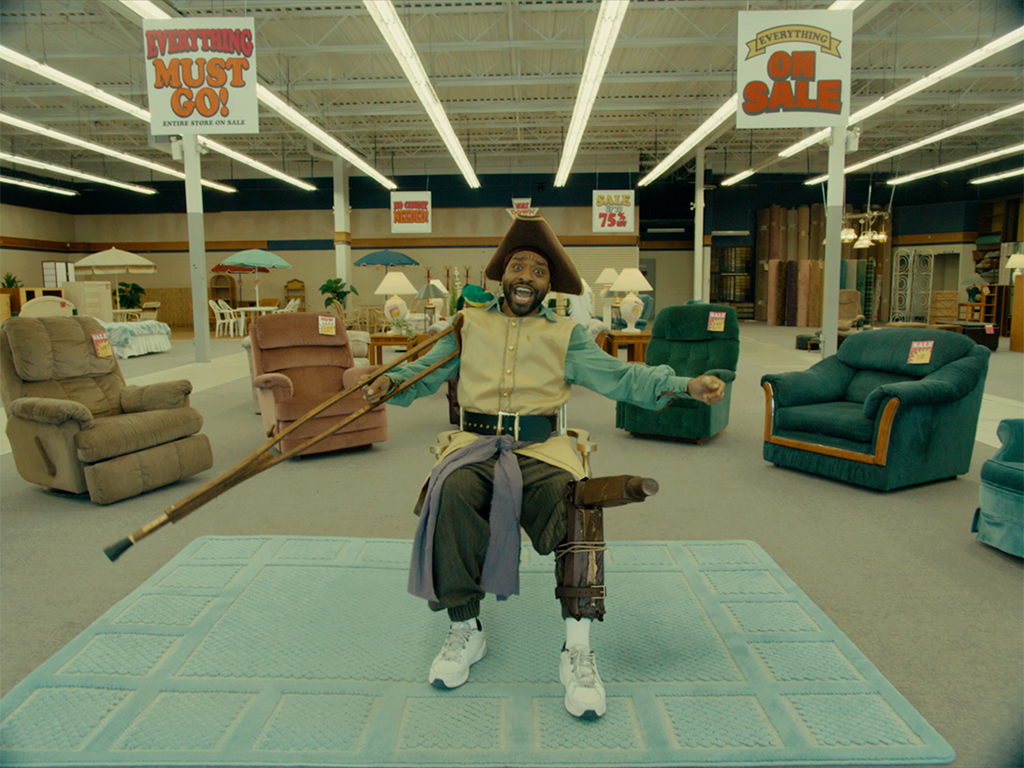
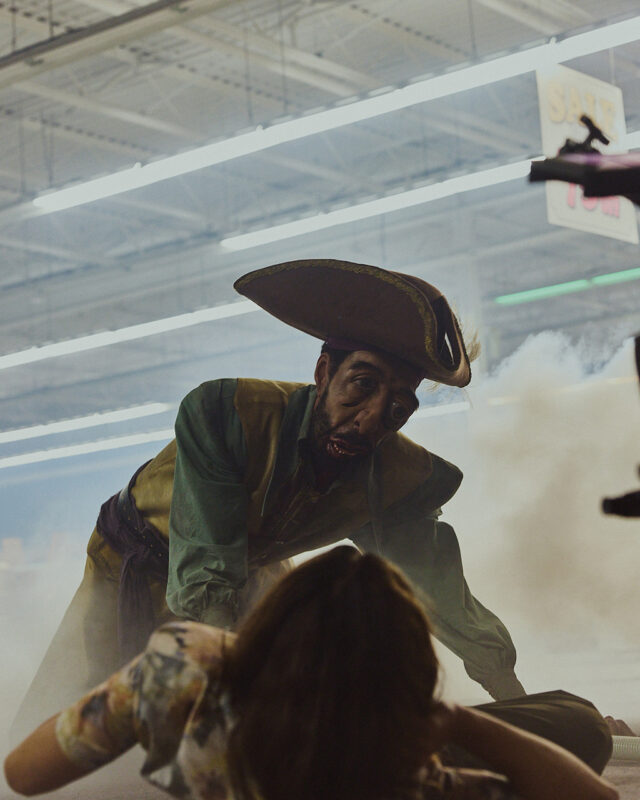
One of the film’s most formidable technical challenges involved the creation of Pirate Clark, an 8.5-foot-tall doppelgänger of Ejiofor’s character. Initially, the production contemplated using a performer on stilts, but stunt coordinators cautioned that the method would severely limit movement and slow down production schedules.
Inspiration struck when the team suggested casting Robert Bobroczkyi, the towering former basketball player and performer who previously brought terrifying presence to Alien: Romulus. Cast on a Thursday, Bobroczkyi was on set by Monday, driving the physical performance alongside veteran puppeteer Richard Darwin.
Because a physical mask could not provide the micro-facial expressions required for the character, Zoic Studios constructed a digital face utilizing high-resolution scans of Chiwetel Ejiofor. Rather than leaning into conventional, snarling monster tropes, the animation team was instructed to imbue Pirate Clark with expressions of deep fear and sadness. Maintaining this emotional resonance across shifting camera angles and dramatic lighting required constant micro-animation adjustments. Furthermore, during the intense climax—where smoke, flickering lights, and physical interaction tested the limits of composite imagery—even Edward Douglas stepped in, providing his own gloved hand as a physical reference element for the creature grabbing at Mary.
Collaboration Across an Extensive Vendor Ecosystem
The sheer scale of Backrooms is staggering for an independent production of its financial tier. Delivering 600 visual effects shots out of a total 830 required a massive, coordinated effort across 11 external vendor facilities and the internal production crew. Among the primary partners were Roxel Creative, Zoic Studios, Mr. Wolf VFX, CoSA VFX, Barnstorm Visual Effects, Stormborn VFX, Shapeshifter VFX, OscarFX, Rotomaker, Beyond Performance Capture Studios, and Industrial Pixel 3D Studios.
Each studio tackled distinct, highly specialized challenges. Goran Pavles and his team at Stormborn VFX managed complex fluid simulations and structural destructions, including a sequence where an excavator violently smashes through the wall of Mary’s childhood home. Because physical demolition of a real house was prohibited, the sequence began practically before transitioning seamlessly into a full-scale digital simulation built from period-accurate interior architecture and furniture layouts.
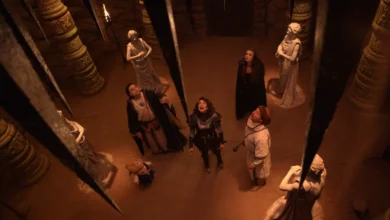
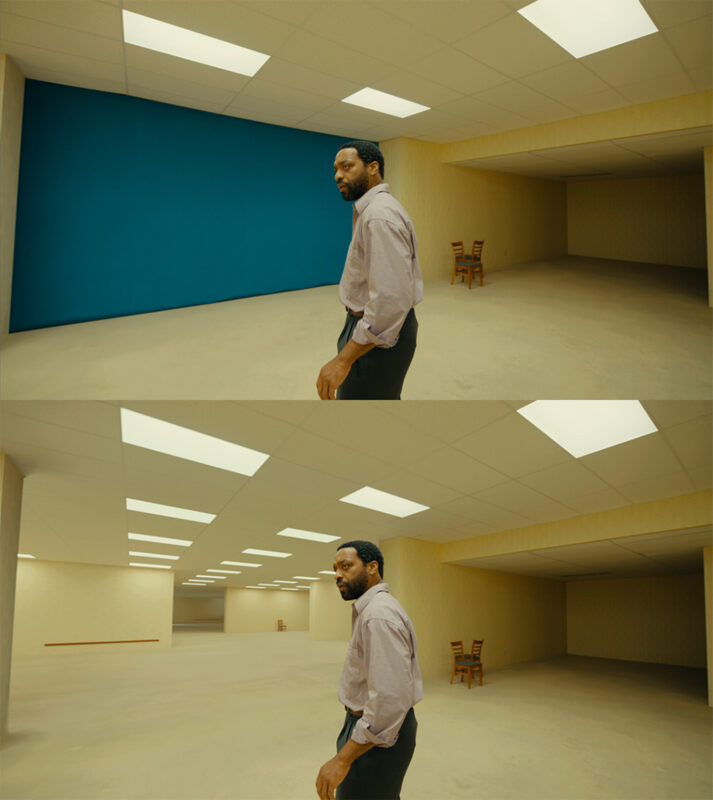
Toward the end of production, CoSA VFX tackled the Threshold Chamber—the pivotal room Mary navigates near the narrative’s conclusion. This environment was arguably the most bluescreen-intensive set in the entire film, featuring a physical door and floor while the surrounding infinite architecture was rendered entirely in post-production, directly paying homage to Parsons’ original 16-year-old Blender files.
Additionally, Roxel Creative’s Associate VFX Supervisor Calvin Romeyn worked hand-in-hand with Douglas to streamline the Blender workflow, ensuring a unified aesthetic. Remarkably, director Kane Parsons frequently bypassed traditional note-passing pipelines, logging directly into the digital workstations to execute adjustments himself, ensuring the final imagery remained 100% faithful to his personal vision.
Embracing Analog Authenticity in an Era of Digital Dominance
Despite the heavy reliance on modern visual effects, Backrooms deliberately anchors its aesthetic in tactile, analog technology. Rather than simulating vintage video aesthetics through software plugins, the production utilized genuine VHS hardware.
Every analog sequence underwent authentic processing through physical VCR units, complete with intentional frame-rate conversions, tape speed fluctuations, and tracking errors. Director Kane Parsons even utilized a custom-built physical distortion box—functioning similarly to a guitar pedal—allowing him to manually inject signal distortion into the cables connecting computers and tape machines in real time.
Implications and Industry Reception
The triumphant release of Backrooms in 2026 marks a significant watershed moment for digital media adaptation. By validating internet mythology and empowering independent digital creators to helm studio-backed features, A24 has demonstrated that viral internet culture can successfully transition into high-art psychological horror.
The film’s reliance on practical-first methodologies—combined with thoughtful, restraint-driven visual effects—proves that modern audiences respond favorably to tactile authenticity. By grounding digital wizardry in real-world physical sets, makeup prosthetics, and analog machinery, the production team successfully avoided the "uncanny valley" trap that frequently plagues modern CGI-heavy blockbusters. As Backrooms continues to dominate box office charts, it establishes a compelling blueprint for future filmmakers seeking to translate grassroots digital movements into blockbuster cinematic realities.