5 Essential Strategies for Capturing Professional Quality Thanksgiving Photography

The Thanksgiving holiday serves as a uniquely significant cultural touchstone in North America, representing a rare intersection of culinary tradition, familial gathering, and historical commemoration. For professional photographers, the day presents a complex paradox: the choice between treating the holiday as a period of professional reprieve or as an opportunity to apply technical expertise to personal documentation. Recent industry trends suggest a shift in perspective, with professional photographers increasingly viewing their own family gatherings as essential portfolios of their personal history. This transition from "working" to "documenting" requires a distinct set of strategies to ensure the visual narrative of the holiday remains both high-quality and unobtrusive.

The Historical and Social Context of Holiday Documentation
Thanksgiving, historically rooted in the 17th-century harvest festivals, has evolved into a modern logistical undertaking. Data from the National Retail Federation consistently indicates that the period surrounding the fourth Thursday of November represents one of the highest levels of household engagement in the United States. Sociologists observe that as families become more geographically dispersed, the "gathering" aspect of the holiday has gained increased importance, leading to a heightened desire to record these moments.
For the modern photographer, this presents a unique challenge. Unlike a client-based shoot where the environment is controlled, a holiday setting is inherently dynamic. The goal is to balance the technical precision required for professional-grade photography with the emotional authenticity required for family archives.
Chronology of the Thanksgiving Visual Narrative
A comprehensive approach to documenting the holiday involves a structured timeline. Professional photographers often categorize the day into distinct "acts" to ensure comprehensive coverage without disrupting the natural flow of the event:
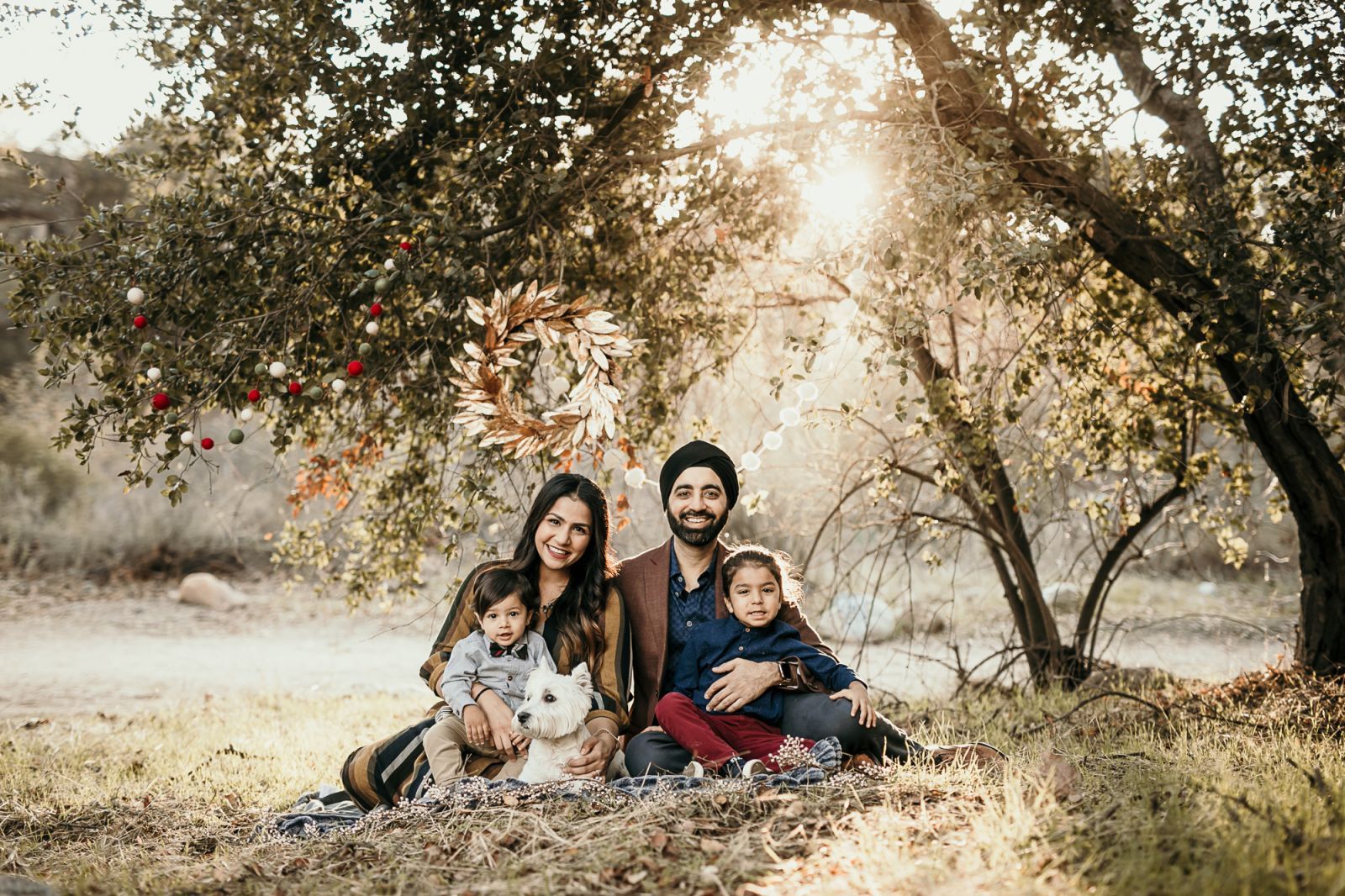
- The Pre-Event Window (Morning): This is the ideal period for structured portraiture. Before the domestic labor of food preparation reaches its peak, the household is typically at its most composed. Utilizing the early morning light—or "golden hour" if weather permits outdoor sessions—allows for controlled, high-quality family portraits that serve as a baseline for the day’s chronology.
- The Preparation Phase (Midday): The kitchen serves as the primary stage for candid photography. This phase involves documenting the labor-intensive process of meal preparation. This is often where the most genuine human interaction occurs, as family members collaborate on recipes or navigate the spatial constraints of a busy kitchen.
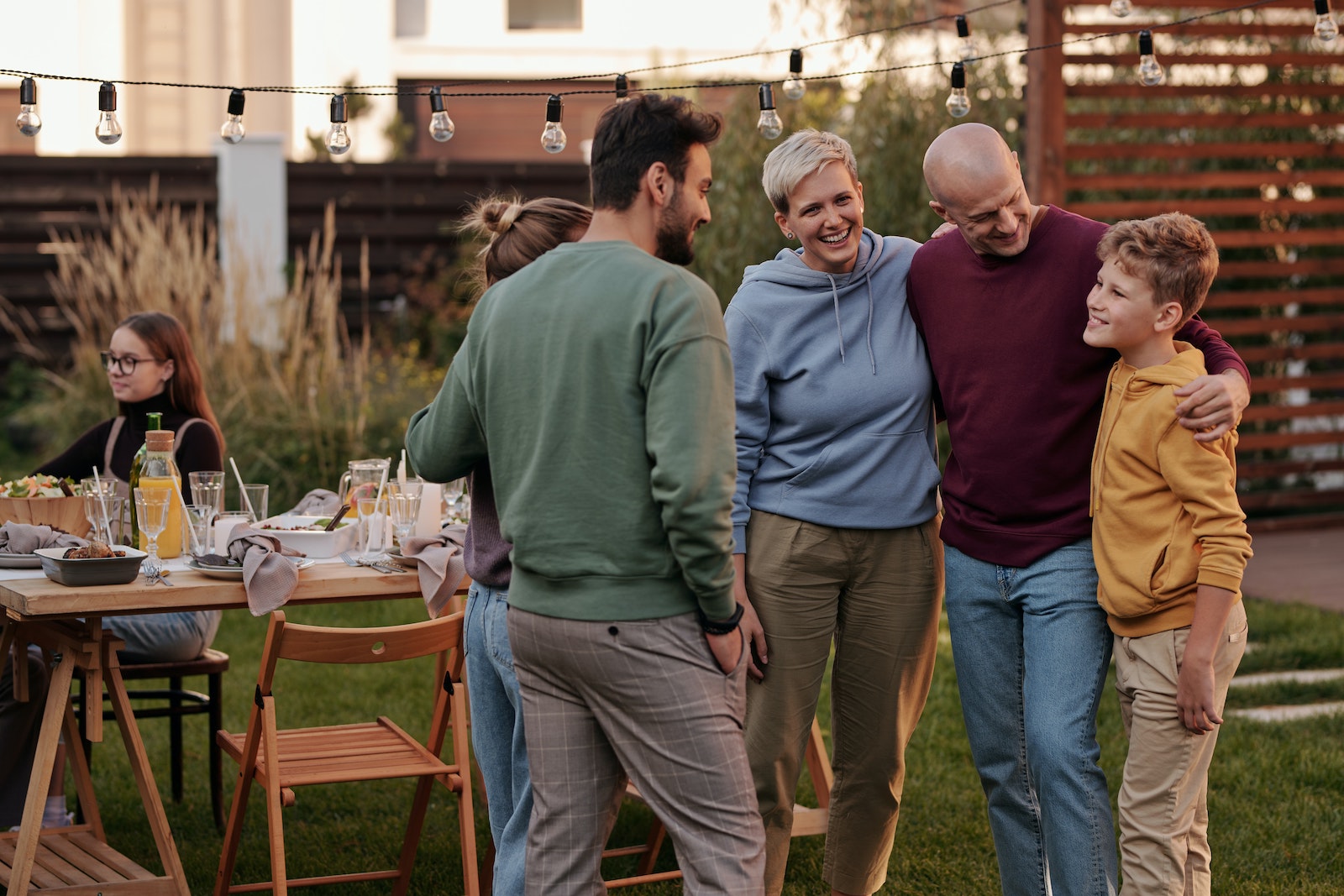
- The Main Event (Afternoon/Evening): The culmination of the day involves the table setting and the final meal. Photographers focus here on the artistic elements of the food, the communal nature of the dining experience, and the transition from formal dining to informal evening relaxation.
Strategic Coordination and Aesthetic Cohesion
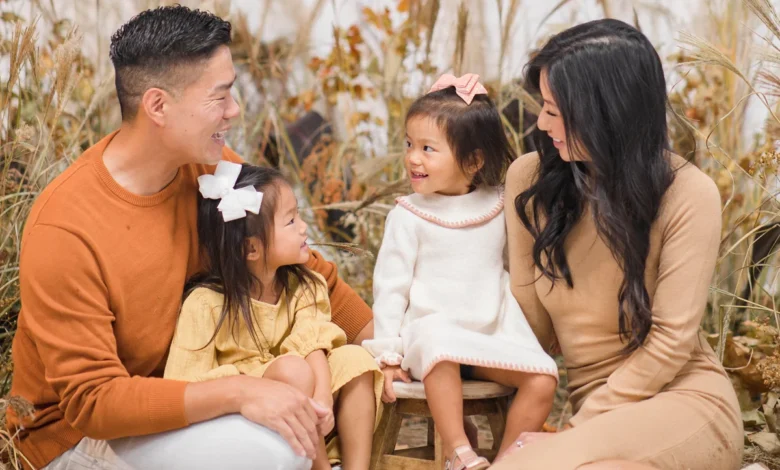
One of the most effective techniques for achieving a polished visual record is the deliberate coordination of attire. While not mandatory, color-coordinated or thematic clothing choices—such as earth tones or seasonal textiles—create a visual harmony that elevates snapshots into cohesive photographic sets. From an aesthetic standpoint, this minimizes visual clutter and ensures that the focus remains on the subjects rather than on disparate patterns or colors.

Data from lifestyle photography workshops indicates that families who engage in basic coordination efforts are 40% more likely to print or frame their holiday images. This suggests that the effort invested in planning the aesthetic of the shoot directly correlates to the long-term preservation of the images.
The Technical Importance of Candid Documentation
While posed portraits provide a formal record, the true value of holiday photography often lies in candid documentation. Professional photographers emphasize the "fly-on-the-wall" approach, which prioritizes spontaneity over staging. In this context, the photographer must shift their equipment settings—such as utilizing wider apertures for natural, low-light indoor environments—to accommodate movement without the intrusive use of a flash.
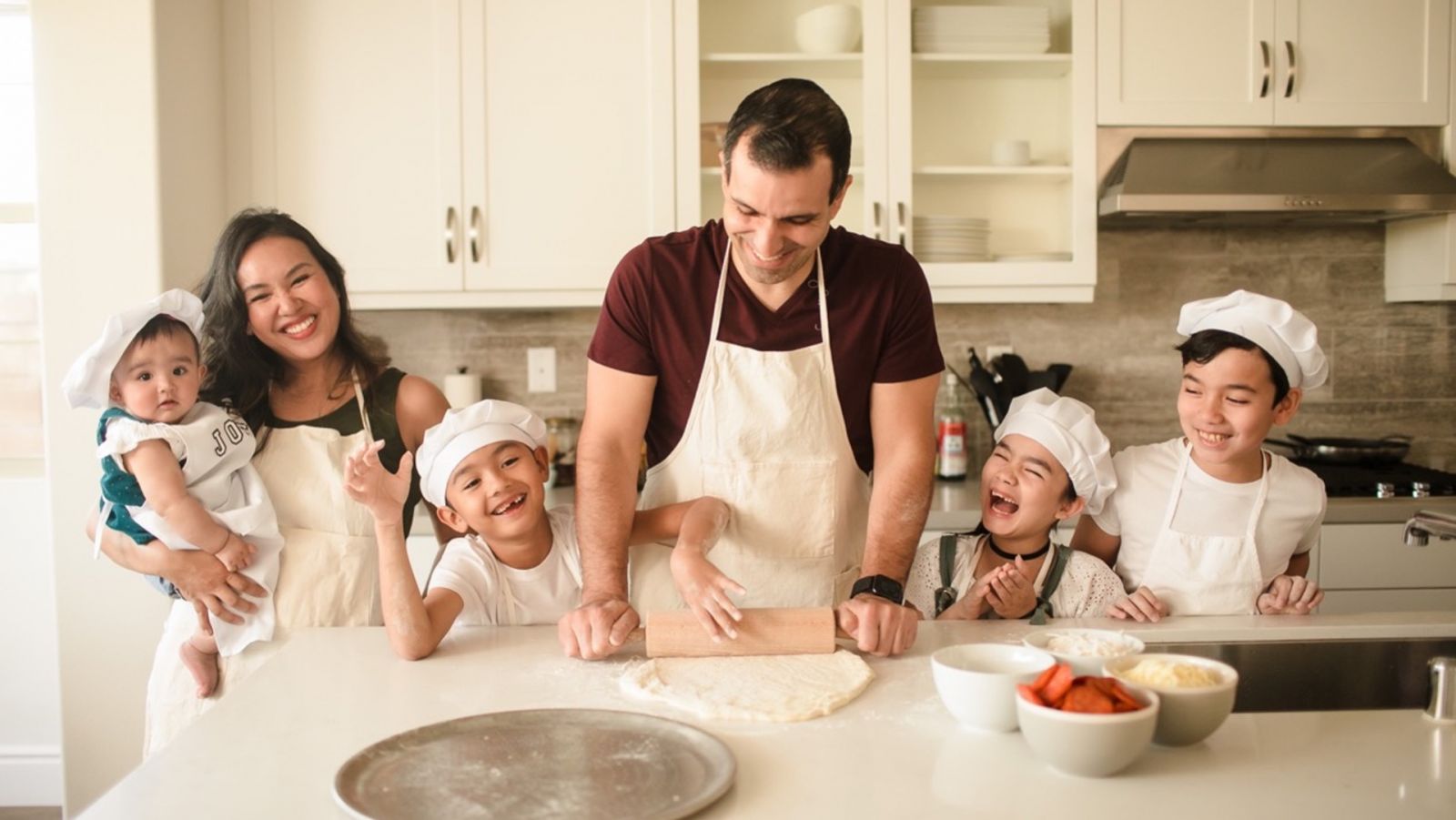
The psychological impact of these images is substantial. According to behavioral studies on memory, visual cues are among the most effective triggers for episodic memory retrieval. A candid photo of a conversation or a shared laugh at the dinner table acts as a neurological anchor, allowing individuals to access the sensory details of the event years after the fact.
Expert Perspectives on Holiday Photography
Industry experts, including instructors from various family photography workshops, emphasize that the equipment used is secondary to the photographer’s presence. There is a growing consensus that the "perfect" shot is often missed because the photographer is too focused on technical perfection rather than the event itself.

"The most successful holiday images are those that capture the imperfection of the day," says an analyst specializing in lifestyle photography trends. "The flour on the apron, the chaotic table, the tired faces after the meal—these are the elements that define the reality of the holiday. If a photographer spends the entire time adjusting settings, they lose the narrative. The best approach is a ‘capture and release’ methodology: set your camera for the light, grab the shot, and return to the conversation."
Implications for Future Family Archives
The widespread availability of high-end smartphone cameras and mirrorless systems has fundamentally changed the way families preserve their history. In the past, holiday photography was often limited to a few rolls of film, resulting in a sparse collection of images. Today, the ability to capture thousands of high-resolution images means that the "data density" of our family history is higher than at any point in human history.

However, this abundance creates a new problem: the need for curation. Professional photographers advocate for the post-holiday review process, where the best images are selected, edited, and stored in a centralized, secure location. This process of curation is essentially the creation of a family digital archive, ensuring that the legacy of the holiday is passed down to subsequent generations.
Practical Considerations for the Photographer
To ensure a productive and stress-free experience, photographers should adhere to a few baseline technical guidelines:
- Light Management: Indoor lighting is often poor. Photographers should identify the primary light sources early in the day—such as natural light from windows—and position their subjects accordingly.
- Gear Minimalization: Luggage-heavy camera setups are impractical in a home environment. A single prime lens or a versatile wide-to-mid-range zoom lens is generally sufficient.
- The "Third-Party" Rule: If possible, photographers should attempt to involve others in the process, ensuring that the photographer themselves appears in the frame.
- Editing Efficiency: Utilize batch-editing software to ensure that the images are processed in a timely manner. The goal is to share the final results with family members while the event is still fresh in their minds.
Conclusion: The Lasting Value of Documentation
Ultimately, the act of photographing Thanksgiving is an exercise in intentionality. It is a decision to recognize that the ordinary moments of family life possess a lasting significance. Whether through professional-grade equipment or a modern smartphone, the effort to document the holiday serves to reinforce familial bonds and preserve a narrative that is increasingly vulnerable to the passage of time.
As the industry looks toward the upcoming winter holiday season, the skills honed during Thanksgiving—lighting adjustment, candid timing, and aesthetic planning—will prove to be foundational. By treating the holiday as a significant event worthy of professional documentation, photographers not only elevate their own creative skills but also perform a vital service for their families: the creation of a visual history that will endure for generations. In a digital age where content is fleeting, the conscious effort to preserve the memory of a shared meal and a shared space remains a powerful and necessary endeavor.