
The strategic application of trending audio on TikTok has evolved from a niche creative practice into a cornerstone of digital marketing and audience engagement. In the current media landscape, an audio track serves as the fundamental unit of discoverability, functioning as an indexing tool for the platform’s recommendation engine. By aligning content with high-velocity sounds, brands and independent creators can leverage the algorithmic preference for familiar, recurring, and high-engagement media. As of November 2026, the intersection of meme culture, nostalgic audio, and situational soundbites continues to dictate the cadence of the For You Page (FYP).
The mechanics behind this phenomenon are rooted in the platform’s architectural focus on "sound-on" consumption. Unlike other social media platforms where video is often viewed in silence, TikTok’s ecosystem prioritizes the relationship between auditory stimuli and visual narrative. When a specific sound gains traction, the algorithm performs a series of A/B tests, surfacing videos using that audio to a broader audience segment to determine if the interest is driven by the content itself or the familiarity of the track.
Chronology and Evolution of Trending Audio
The trajectory of viral audio in late 2026 reflects a distinct shift toward hyper-specific, situational storytelling. Throughout October and into November 2026, the platform witnessed a transition from broad, high-energy dance tracks—such as the seasonal prevalence of the Spooky, Scary Skeletons remixes—to more nuanced, narrative-driven audio.
In early October, the platform prioritized Halloween-centric content, utilizing tracks like Ramalama (Bang Bang) by Róisín Murphy to facilitate transition-based challenges. As the calendar turned to November, the focus shifted toward "confessional" humor and industry-specific relatability. This transition demonstrates the platform’s ability to pivot rapidly in response to seasonal shifts and cultural milestones, requiring creators to maintain a high frequency of output to remain relevant.
Analysis of November 2026 Viral Sounds
The following list identifies the audio trends currently dominating the platform, categorized by their thematic utility for content creators:
- The "Positive Reframing" Trend (Original Sound by lifecanbebeautiful): This audio encourages users to apply a constructive perspective to past professional or personal setbacks. By pairing positive visual media with a voiceover detailing past disappointments, creators are generating high-retention content that fosters community empathy.
- The "Impatience" Narrative (Original Sound by Charles Hsu): Characterized by a rhythmic "go, go, go" voiceover, this sound is primarily utilized in corporate and workplace settings to visualize internal stress or the pressures of modern professional deadlines.
- The "Cringe" Confession (Original Sound by Aki): Drawing from South Park source material, this trend highlights the platform’s reliance on established pop culture entities to anchor new, self-deprecating memes.
- The "Comparative Reaction" Format (Sonido Original): This trend utilizes a three-tier vertical video structure to contrast reactions from different demographics, proving that multi-layered visual formats continue to perform well in the current algorithm.
- The "Ironic Inquiry" (Original Sound – Criticker_HQ): Utilizing audio of Elizabeth Holmes, this trend demonstrates the platform’s propensity for turning high-profile news events and legal proceedings into ironic, shorthand cultural commentary.
- The "Bicep Heart" (Son Original): A staple in the fitness community, this sound bridges the gap between physical achievement and lighthearted, aesthetic-focused social media trends.
- "Oh Yeah?" (Steve Lacy): This trend serves as a social experiment, where creators document their attempts to navigate unwritten social rules, often intentionally failing to comedic effect.
- The "Unanswered Communication" Trend (Original Sound by Heaven): Based on a viral interaction between Jennifer Lawrence and Connor Wood, this audio allows for the exploration of micro-social frustrations, such as ignored messages or social snubs.
- The "Strava-Style" Data Trend (Original Sound by Whethan): This trend utilizes the aesthetic of fitness tracking apps to quantify mundane daily tasks, reflecting a broader cultural interest in data visualization and self-quantification.
- The "Botherer" Rule (Original Sound by Coco Enciso): A family-centric trend that establishes household boundaries through humor, emphasizing the platform’s effectiveness for parenting and lifestyle niches.
- The "Actually…" Carousel (Original Sound by Various): This trend utilizes the photo-carousel feature to facilitate storytelling through sequential reveals, providing brands with an effective mechanism for product reveals or behind-the-scenes content.
Algorithmic Implications and Strategic Usage
Data from the third quarter of 2026 indicates that content utilizing trending audio sees, on average, a 14% higher completion rate compared to content utilizing original or non-trending audio. This discrepancy is largely attributed to the "looping" effect, where users recognize a sound and are more likely to watch a video to its conclusion to see how the creator has interpreted the trend.
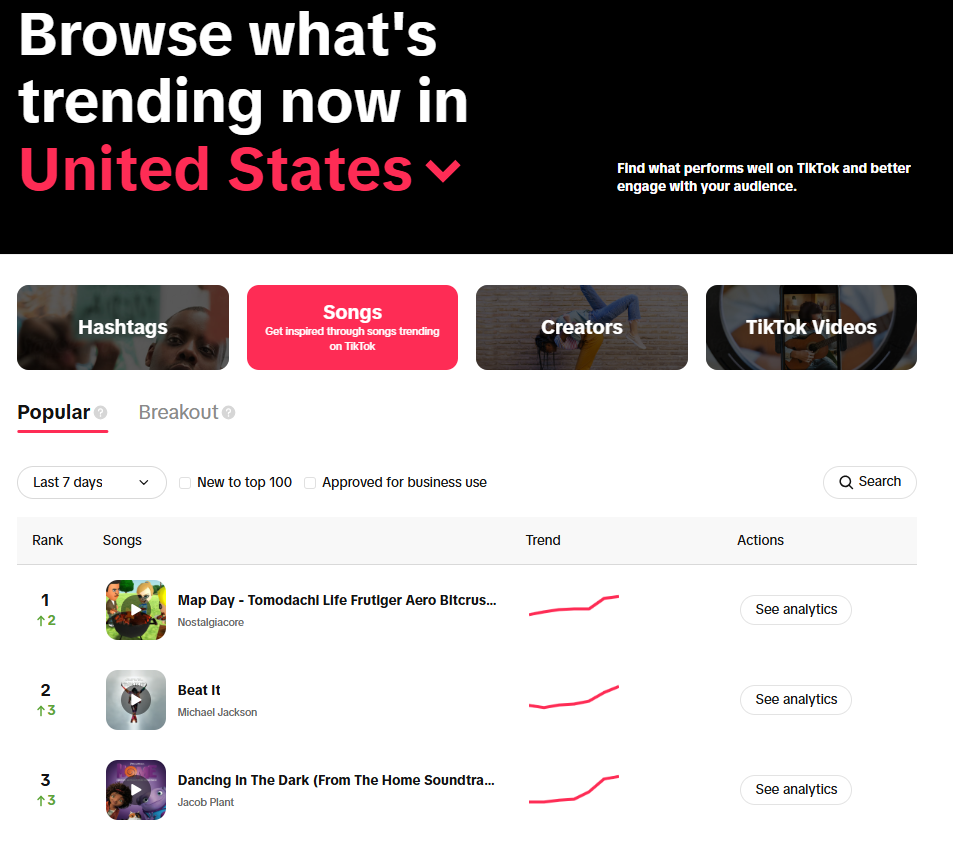
Furthermore, the integration of TikTok’s Creative Center has become essential for professional content creators. The Creative Center provides granular data on sound popularity, regional variations, and audience demographics. By monitoring these metrics, organizations can anticipate trends before they hit peak saturation, allowing for higher ROI on creative production.
Official Guidelines and Commercial Compliance
A critical component of leveraging these trends for commercial entities is the adherence to copyright and licensing protocols. TikTok’s Commercial Music Library is the only authorized repository for content produced by brands or entities seeking to promote products or services.
Legal experts and industry observers have noted that the use of personal-use music in branded content remains a significant liability. Videos found in violation of these licensing agreements are subject to immediate muting or removal by the platform’s automated copyright detection systems. Consequently, the standard operating procedure for any professional social media team is to verify the commercial licensing status of any sound before production begins. For independent creators, this remains a cautionary tale regarding the ownership of digital assets and the importance of adhering to platform terms of service.
Broader Impact on Digital Media
The culture of "sound-first" creation has fundamentally altered the production cycle for digital agencies. Where video production was once prioritized for its visual fidelity, the current industry standard places equal, if not greater, weight on the auditory selection. This has led to the rise of specialized "audio curators" within social media teams, whose sole responsibility is to monitor and identify the next wave of trending sounds.
Looking ahead, as generative AI continues to influence sound design and music production, the velocity at which these trends cycle is expected to accelerate. We are likely to see a decrease in the lifespan of any single trend, replaced by a more fragmented and rapid succession of micro-trends. For creators and brands, the mandate is clear: the ability to identify, adapt, and deploy trending audio is no longer an optional skill but a requirement for maintaining visibility in an increasingly saturated digital marketplace.

Future-Proofing Content Strategies
To maximize the efficacy of these trends, creators should adopt a "save and remix" strategy. By utilizing tools like the Buffer Create space or similar organizational platforms, teams can bookmark sounds as they emerge, creating a library of potential audio for future content cycles. This proactive approach mitigates the need for reactive, last-minute content production, which often results in lower-quality output.
Additionally, successful content strategies in late 2026 are increasingly focusing on the intersection of niche humor and broad cultural relevance. By taking a universal sound and applying it to a highly specific industry scenario, creators can build authority within their niche while simultaneously participating in the broader cultural conversation.
As we move into the final months of 2026, the integration of these auditory trends will continue to serve as a litmus test for a brand’s agility and cultural literacy. Those who succeed will be those who view these sounds not merely as background noise, but as the structural framework upon which their digital presence is built. The synthesis of data-driven insight, creative agility, and strict licensing compliance remains the only sustainable path forward for navigating the dynamic, sound-driven ecosystem of the modern internet.